- Category
- War in Ukraine
Russian Authorities Quietly Prepare Moscow Suburbs for Possible Ballistic Missile Strikes
 Prefer U24 Media on Google
- Authors


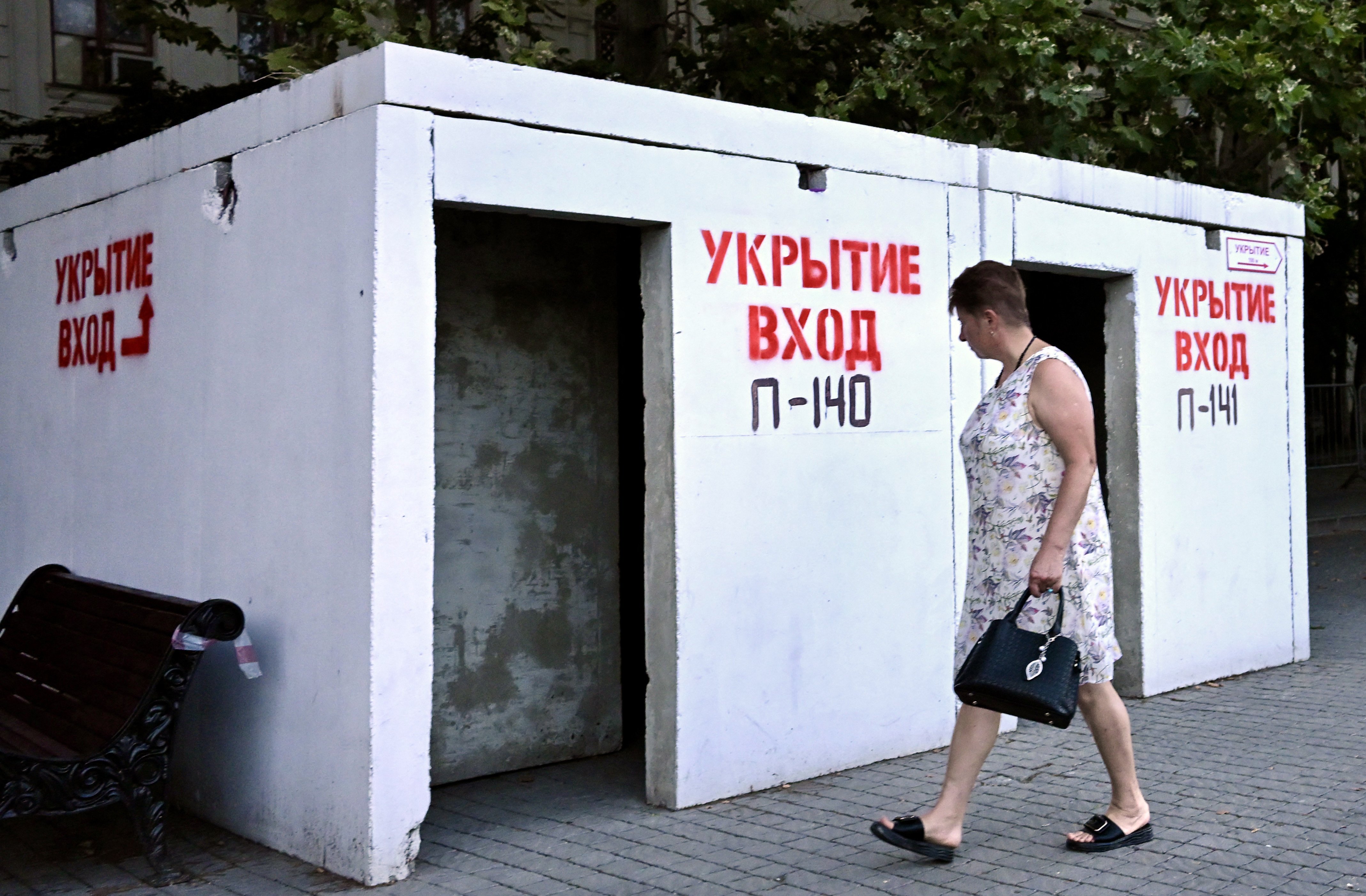
Authorities in the Moscow region have begun publishing official maps of civilian shelters as warnings of possible Ukrainian missile strikes on the Russian capital fuel growing anxiety among residents, The Moscow Times reported on July 30.
An interactive map posted on the Lyubertsy district website identifies hundreds of protected spaces across Lyubertsy, Dzerzhinsky, Oktyabrsky, and other nearby communities.
We bring you stories from the ground. Your support keeps our team in the field.
The listed locations include apartment-building basements, underground parking garages, post offices, and other below-ground spaces designated for use during emergencies.
Similar maps have been released by the Podolsk district administration, while shelter information had previously appeared on the website of the Odintsovo district.
The timing coincided with comments from Denys Shtilerman, co-owner and chief designer of Ukrainian defense company Fire Point, who said strikes on Moscow using a new Ukrainian ballistic missile could begin as early as the fall once testing is complete.
The Moscow region has already faced repeated Ukrainian drone attacks during long-range operations deep inside Russia.
Following one of the largest drone raids on Moscow at the time in mid-June, residents complained that authorities had provided virtually no warnings and that air raid sirens had remained silent. Many said they learned that drones were approaching only after seeing or hearing them themselves.

Officials in Kotelniki responded that an air raid warning was “an emergency measure, not a routine one” and that sirens would be activated only when there was a “direct and confirmed threat to life.”
Local authorities had also previously refused to disclose shelter locations despite repeated questions in Moscow Region Governor Andrey Vorobyov’s Telegram channel.
At the time, officials said shelter information would be distributed only “during mobilization and wartime.”
The decision to publish the maps now suggests authorities are reassessing that approach as Ukraine expands the range and sophistication of its long-range strike systems—and Moscow residents increasingly demand to know where they are expected to take cover.
Earlier, regional authorities across Russia were refusing to sound air-raid sirens during reported missile and drone threats, an effort to disguise how often strikes now reach Russian territory.
Discuss this article:
-9a7b3a98ed5c506e0b77a6663f5727c5.png)


-c439b7bd9030ecf9d5a4287dc361ba31.jpg "Photo of Katherina Popilnichenko")



-29a1a43aba23f9bb779a1ac8b98d2121.jpeg "Photo of Illia Kabachynskyi")