- Category
- War in Ukraine
Russian Captain Faces First-of-Its-Kind War Crime Case Over Stolen Ukrainian Grain Shipped to Syria
 Prefer U24 Media on Google
- Authors


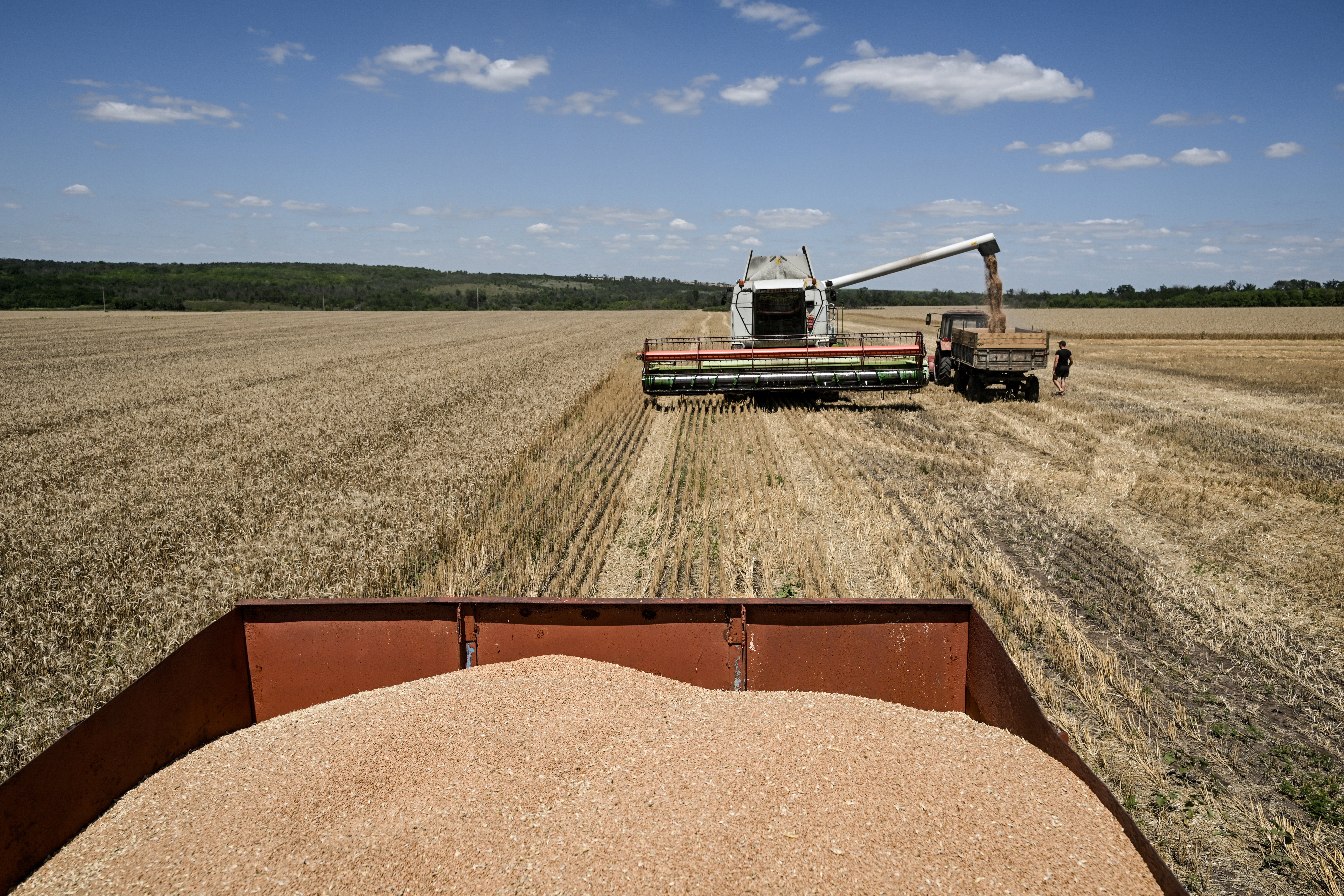
Ukrainian authorities have for the first time classified a Russian ship captain’s involvement in transporting stolen Ukrainian grain from occupied territories as a war crime, following an investigation into the illegal shipment of more than 54,000 tons of wheat.
The development was announced by Acting Prosecutor General Anton Kovalskyi on October 19.
We bring you stories from the ground. Your support keeps our team in the field.
According to investigators, the Russian captain of the cargo vessel MATROS POZYNICH transported more than 54,000 tons of Ukrainian wheat that Russian forces had stolen from temporarily occupied territories during the early stages of the full-scale invasion.
The suspect, a Russian citizen, transported the grain from temporarily occupied Sevastopol in Crimea to the Syrian port of Latakia in November 2022 and January 2023, falsely presenting the shipments as Russian agricultural products.
To conceal the vessel’s movements, the captain reportedly disabled its Automatic Identification System (AIS), which transmits a ship’s location and identification data, and provided false information about its whereabouts.

Kovalskyi emphasized that the case marks the first time Ukrainian authorities have applied a legal approach treating a ship captain’s participation in transporting grain illegally seized from occupied territory as a war crime.
“This case goes far beyond a single criminal suspicion. For the first time in Ukraine, a legal approach has been developed and put into practice that makes it possible to classify a ship captain’s involvement in transporting grain illegally seized from occupied territory as a war crime,” the acting prosecutor general said.
He stressed that military occupation does not grant an aggressor state the right to appropriate Ukrainian property or natural resources.
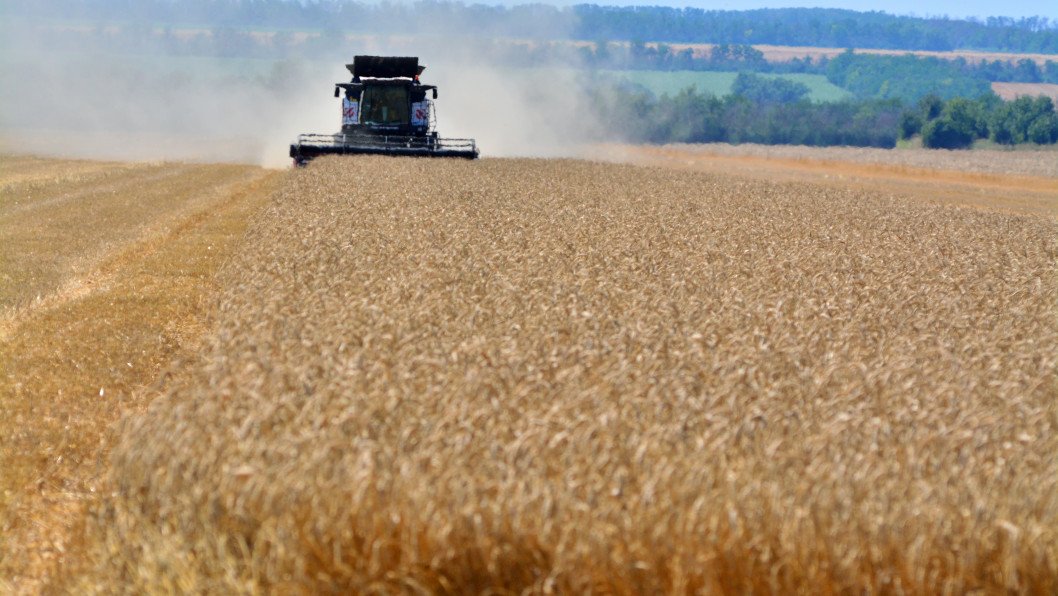
According to Kovalskyi, establishing criminal responsibility requires investigators to determine the grain’s origin, document how it was stolen and transported, and identify those involved in the operation.
The captain of MATROS POZYNICH has now been formally notified of suspicion in absentia, including on charges of violating the laws and customs of war.
Ukraine has long been one of the world’s leading grain exporters, accounting for approximately 10% of global wheat exports and 12% of corn and barley exports before Russia’s full-scale invasion. However, Russian forces have since disrupted agricultural production by attacking grain storage facilities, damaging export infrastructure, mining farmland, and seizing Ukrainian grain from temporarily occupied territories.
The disruption has had consequences for global food security, particularly in countries across Africa and the Middle East that rely on Ukrainian agricultural supplies. In July 2022, Ukraine, Russia, and Turkey signed the UN-backed Black Sea Grain Initiative to facilitate agricultural exports, but Russia struck the port of Odesa less than a day after the agreement was signed.
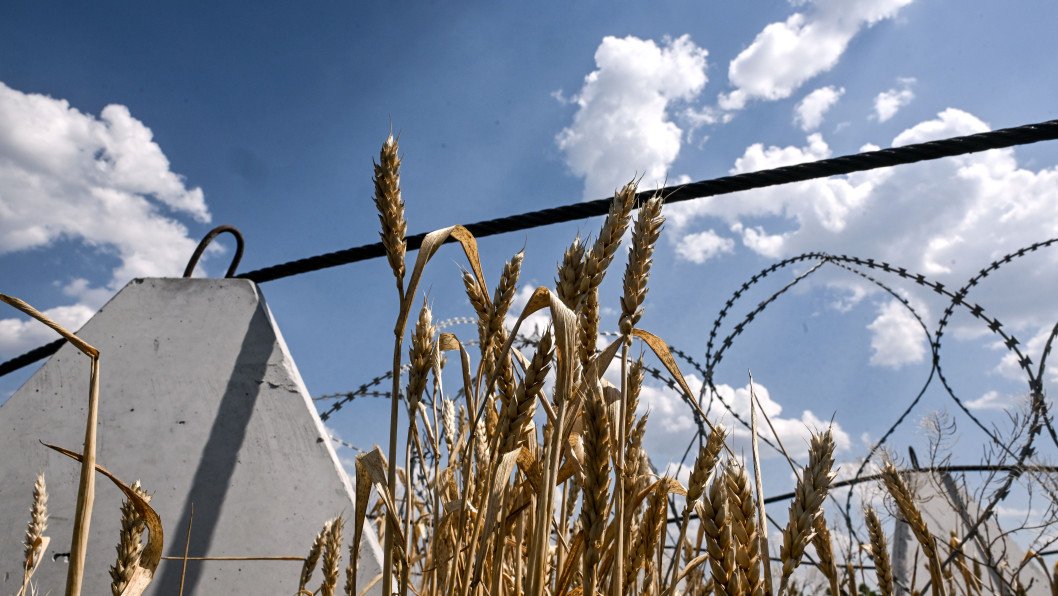
Russia subsequently withdrew from the initiative in July 2023, triggering an 8% increase in global grain prices within a day. Experts accused Moscow of using restrictions on Ukrainian exports to exert pressure on international food markets, while Russian grain exports reached record levels during the second half of 2023.
Ukrainian President Volodymyr Zelenskyy has repeatedly accused Russia of using hunger as a weapon, warning that disruptions to Ukrainian grain exports could threaten food supplies in Africa and Asia. The United Nations World Food Programme previously estimated that Ukraine’s agricultural land could produce enough food to feed approximately 400 million people in the absence of the full-scale war.
The case comes amid broader concerns over Russia’s interference with Ukrainian agricultural exports and its potential consequences for global food security.
Speaking at the Warsaw Security Forum, Ukrainian President Volodymyr Zelenskyy warned that Russia’s restrictions on maritime shipping could lead to food shortages in parts of Africa, Asia, and the Middle East within one to two months, potentially triggering a wider global food crisis.
Discuss this article: