- Category
- War in Ukraine
Ukraine Identifies 26 Vessels Used by Russia to Transport Stolen Grain, Oil and LNG
 Prefer U24 Media on Google
- Authors


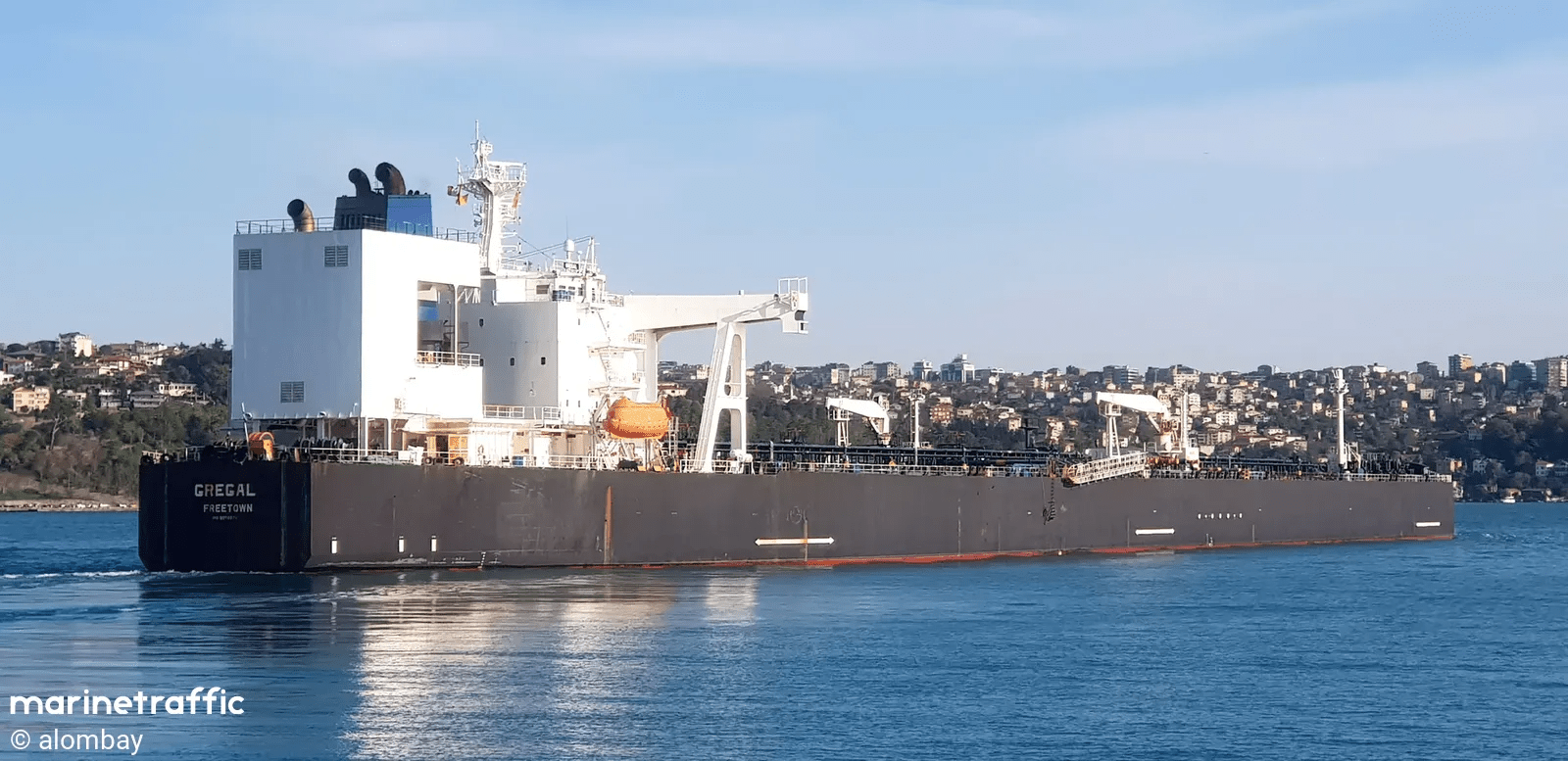
Ukraine’s Main Intelligence Directorate (HUR) has published information on 26 vessels that Russia uses to transport grain from temporarily occupied Ukrainian territories, Russian oil and petroleum products, and liquefied natural gas (LNG) from the sanctioned Arctic LNG 2 project.
We bring you stories from the ground. Your support keeps our team in the field.
The list includes oil tankers transporting Russian crude and petroleum products from Black Sea and Baltic ports on behalf of Russian energy companies including Lukoil, Rosneft, Surgutneftegaz, Novatek, Tatneft, and Gazprom.
It also identifies bulk carriers used to transport agricultural products from temporarily occupied Ukrainian territories through the ports of Berdiansk, Sevastopol, Kerch, and Feodosia.
Another category comprises LNG carriers involved in transporting liquefied natural gas from the sanctioned floating storage unit SAAM FSU, where LNG from Russia’s sanctioned Arctic LNG 2 project is accumulated.
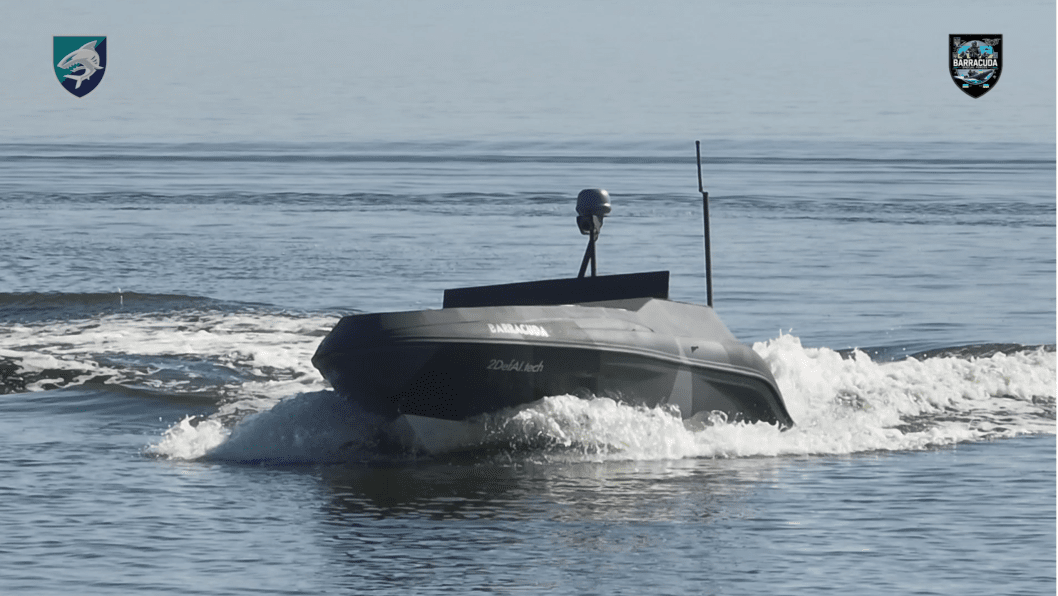
HUR noted that 18 of the 26 vessels listed are not currently subject to sanctions imposed by any of Ukraine’s partner countries.
Among them is the bulk carrier LAMAR S, which repeatedly loaded wheat in 2026 at the Avlita terminal, operated by Aval LLC, in temporarily occupied Sevastopol. According to HUR, the vessel subsequently transported the grain, including to Syria.
Another vessel, the general cargo ship NAYA FALCON, transported food-grade soda and wheat bran from Sevastopol to Egypt and Cyprus in 2026.
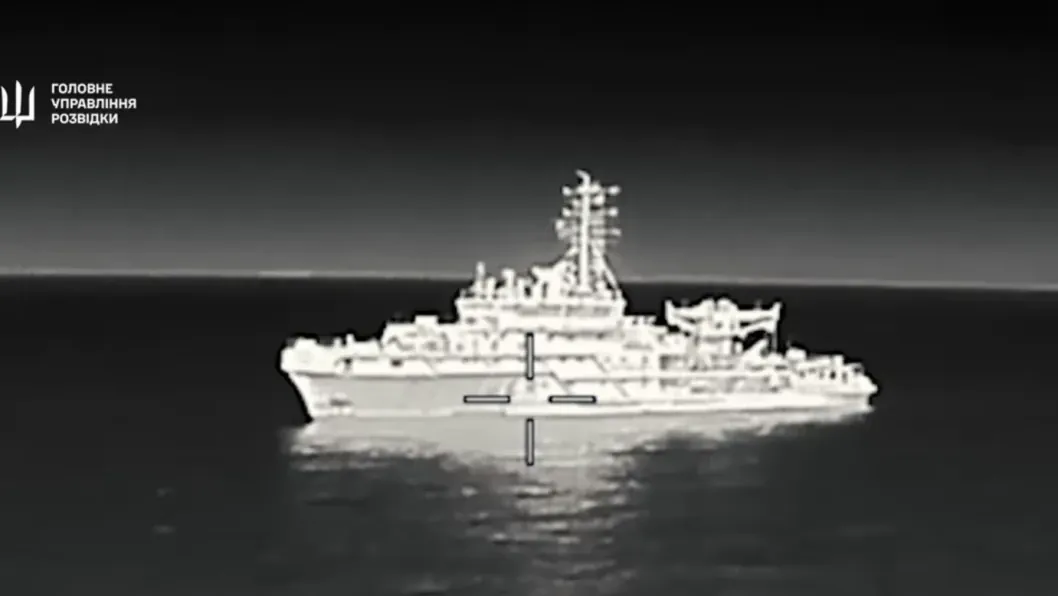
The list also includes the tanker GREGAL, which is operated by UAE-based Cymare Navigation FZC, a company affiliated with Russia’s Sovcomflot fleet.
The development comes amid an expanding Ukrainian maritime campaign against Russian shipping. Ukraine’s Unmanned Systems Forces have targeted four tankers operating in the Black and Azov seas, bringing the number of Russian cargo vessels struck since the campaign began in early July to 205, Commander Robert “Madyar” Brovdi said.
Discuss this article: