- Category
- World
Around 200 Sanctioned Russian Vessels Entered British Waters in Less Than Two Months, Investigation Finds
 Prefer U24 Media on Google
- Authors


Nearly 200 vessels linked to Russia’s so-called “shadow fleet” have entered British waters since UK Prime Minister Keir Starmer announced tougher enforcement measures against sanctioned ships in March, according to an investigation by BBC Verify.
In March, Starmer stated that British armed forces “are now able to board sanctioned vessels that are passing through our waters” as part of broader efforts to curb Russia’s ability to bypass Western sanctions on oil exports.
We bring you stories from the ground. Your support keeps our team in the field.
However, BBC Verify reported that 184 vessels sanctioned by the UK made a total of 238 journeys through British waters between March 25 and May 11, with no public evidence that any of the ships had been boarded or intercepted.
According to the report, all tracked ships entered the UK’s Exclusive Economic Zone, which extends up to 230 miles (370km) from the coastline, while at least 94 voyages involved vessels briefly entering British territorial waters, which extend 14 miles (23km) from shore.
The investigation relied on tracking data from MarineTraffic between March 25 and May 11. All identified vessels appeared on the UK Foreign Office sanctions list and were linked to Russia.
According to MarineTraffic, the significant majority of the vessels monitored were oil tankers, totaling 173. The remainder of the fleet included 10 liquefied natural gas carriers and one ship classified as a multipurpose offshore vessel.
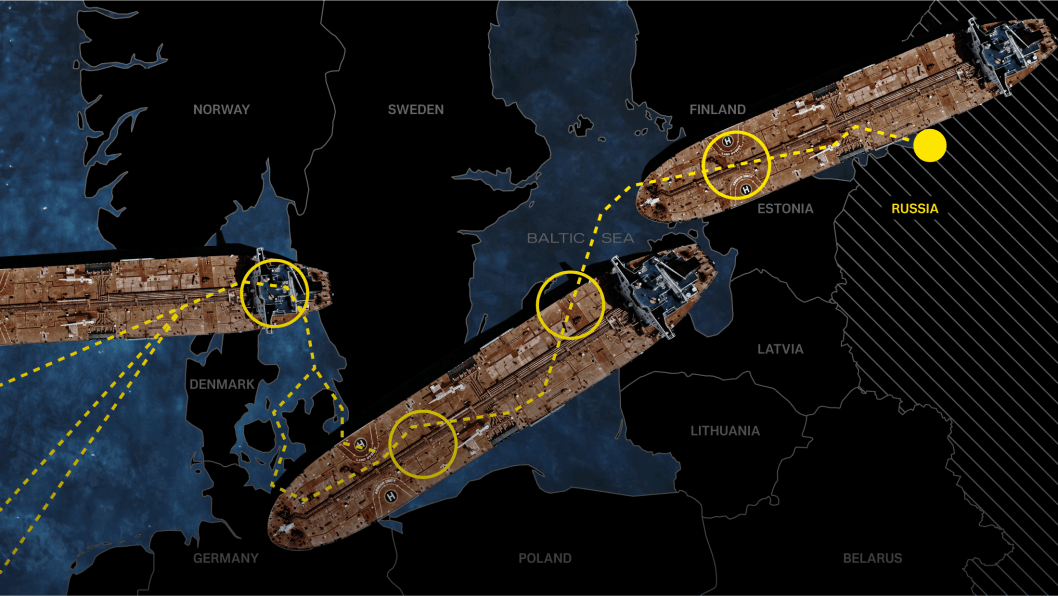
According to BBC, MarineTraffic utilizes the Automatic Identification System, an onboard tracking technology, to monitor vessel movements. However, these trackers can be manually deactivated to mask a ship’s identity or coordinates. This practice is reflected in MarineTraffic’s records, which reveal significant data gaps in the waters west of Scotland and Ireland.
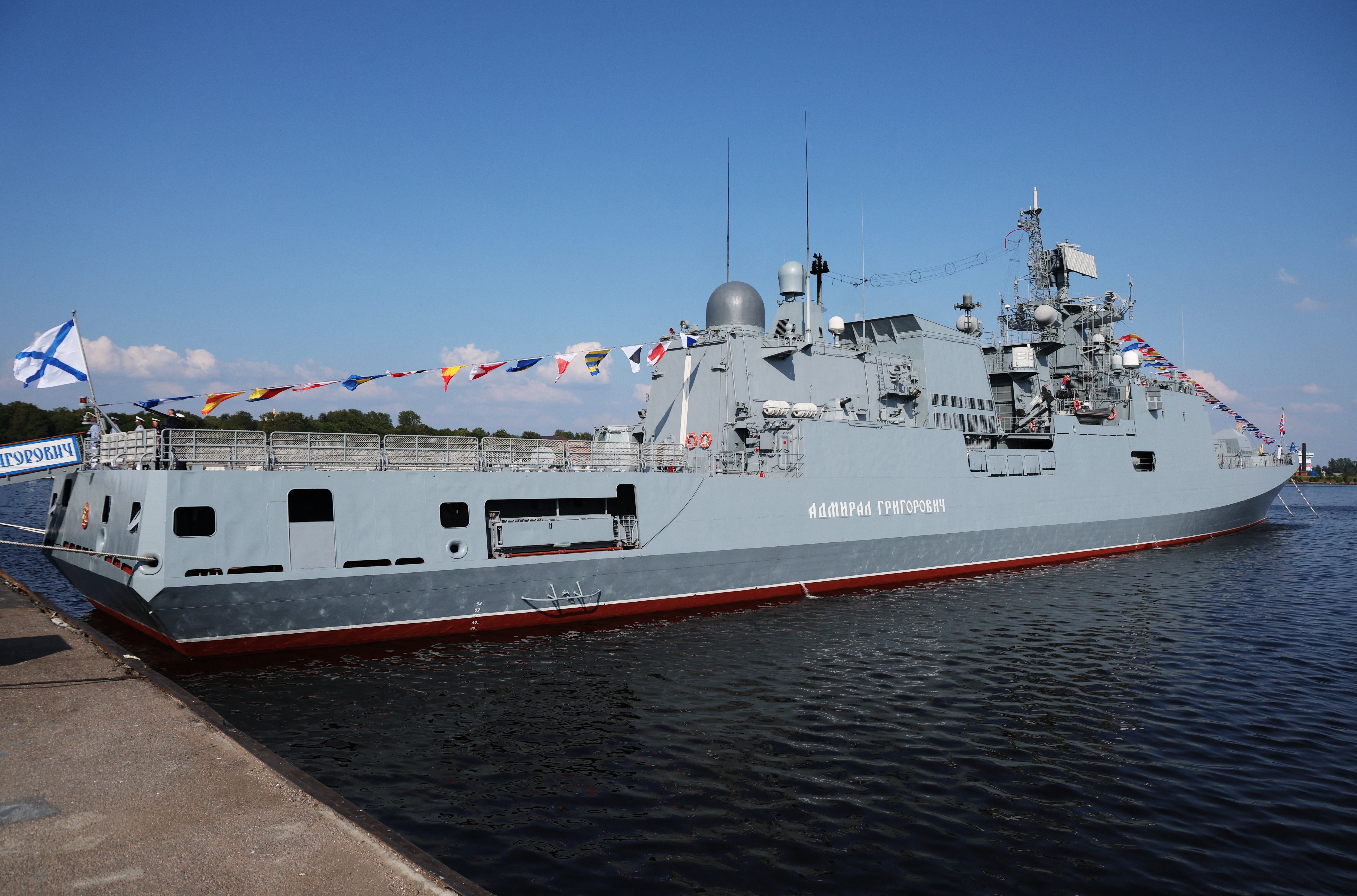
Additionally, BBC Verify also reported that one sanctioned tanker, Universal, appeared to have been escorted by a Russian naval vessel. Satellite imagery analyzed by intelligence firm MAIAR and cited by the investigation suggested the escort ship was likely the Russian frigate Russian frigate Admiral Grigorovich.
Former Royal Navy commander Tom Sharpe criticized the lack of enforcement, describing the absence of vessel boardings as “utterly confusing” and “pathetic.”
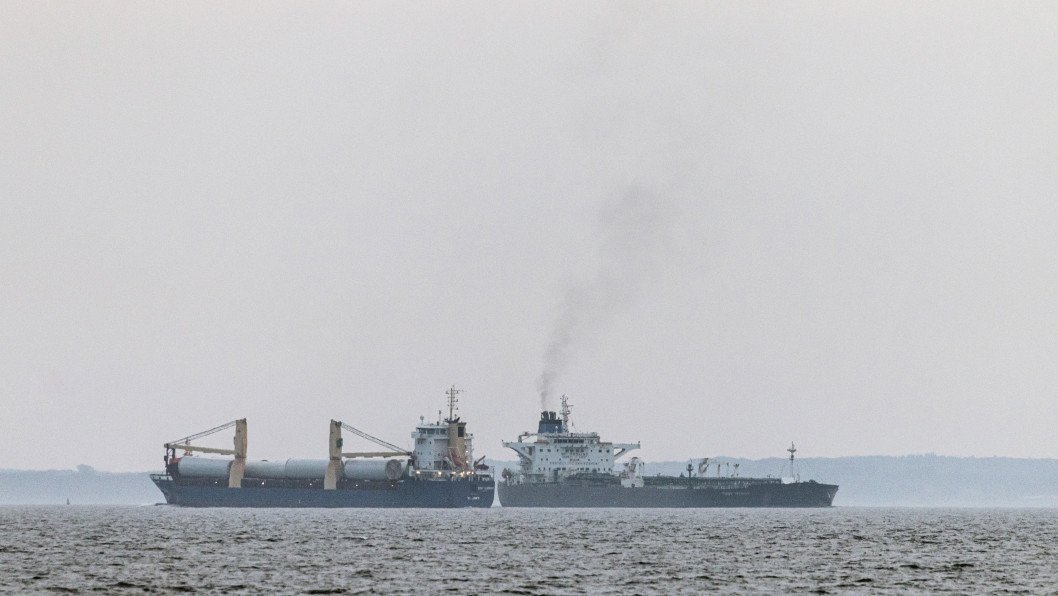
Shipping lawyer James M. Turner KC told BBC Verify that “The position with very few exceptions is that you can’t seize vessels that are flying the flag of another country.”
He added that if a ship is operating under a legally recognized flag, “there is very little” a coastal state can do, regardless of whether the vessel is carrying sanctioned goods or appears on sanctions lists.
At the same time, the United Kingdom has intensified efforts to counter Russia’s so-called “shadow fleet,” with the Royal Navy carrying out an extensive monitoring operation involving the Russian frigate Russian frigate Admiral Grigorovich as it operated near British territorial waters.
The mission involved a coordinated effort by three offshore patrol vessels—HMS Tyne, HMS Mersey, and HMS Severn—supported by a Royal Fleet Auxiliary (RFA) tanker and roughly 250 personnel. Throughout April, Wildcat helicopters from the 815 Naval Air Squadron maintained a constant presence, flying daily sorties, including over the Easter weekend, to track the warship and its accompanying fleet.
The Royal Navy noted that HMS Tyne took the lead in the operation, logging more hours shadowing the Admiral Grigorovich than any other British vessel. The Russian frigate was observed moving between the North Sea and the Western Approaches while escorting a convoy that included at least one submarine and approximately six merchant or support ships traveling between the Atlantic, Mediterranean, and Baltic.
The operation gained heightened significance when the Russian vessel reportedly halted near sensitive UK infrastructure, specifically the Galloper offshore wind farm off the coast of Suffolk, to receive fuel and supplies from its support ships.
Moreover, the United Kingdom is spearheading the formation of a new multinational naval coalition alongside northern European allies, intended to deploy a force capable of rapid combat engagement. According to an April 29 report by Sky News, the move comes in response to heightening anxieties regarding Russia’s increasing naval presence.
Discuss this article:
-4a56a6b482ec132402c16ef6fcabf9a2.png)


-111f0e5095e02c02446ffed57bfb0ab1.jpeg "Photo of Roman Kohanets")



-7412c634555bc1f248d0867183951c7f.jpg "Ukrainian Air Force F-16 fighter jet.")