- Category
- World
UK and Northern Allies Assemble War-Ready Fleet as Russia Expands Its Reach
 Prefer U24 Media on Google
- Authors


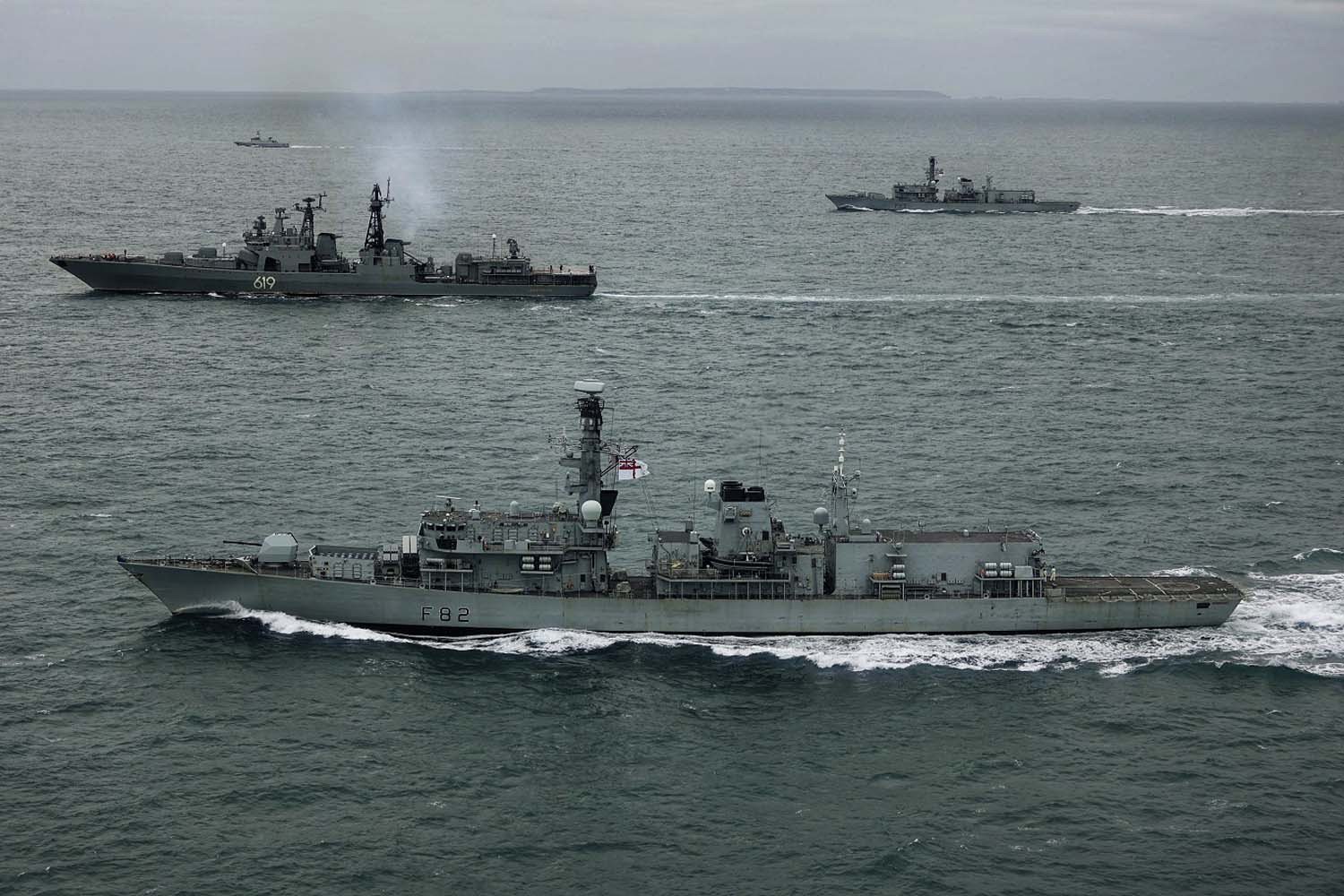
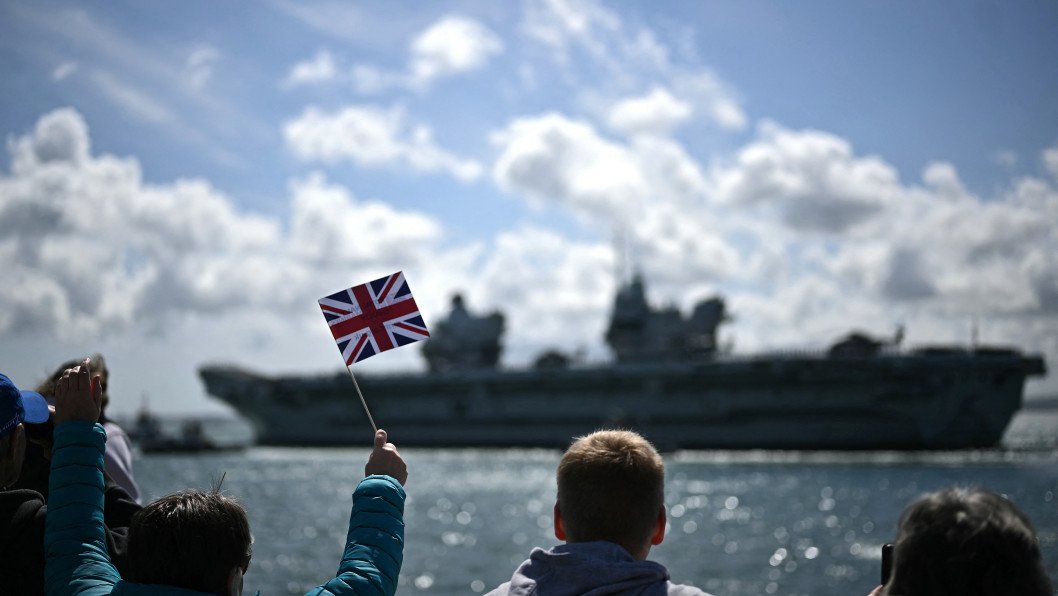
The United Kingdom is moving to establish a new multinational naval alliance with northern European partners, aiming to create a force capable of immediate combat operations as concerns grow over Russia’s expanding maritime activity, according to a report published by Sky News on April 29.
The initiative—referred to as the Northern Navies Initiative—is designed to strengthen collective defense across the North Atlantic and Arctic regions without replacing NATO.
We bring you stories from the ground. Your support keeps our team in the field.
Instead, it is intended to complement the alliance by offering faster and more flexible response capabilities in times of crisis.
The plan has already taken a concrete step forward. Naval leaders from across northern Europe have signed a formal “statement of intent,” committing to develop the framework for closer cooperation.
The effort is being spearheaded by Gwyn Jenkins, the head of the Royal Navy, who emphasized the urgency of the project.
Sea power secures peace.
— Royal Navy (@RoyalNavy) April 29, 2026
The United Kingdom is driving a new phase of the Joint Expeditionary Force.
We are uniting Northern navies, blending crewed & uncrewed capability and strengthening NATO’s northern flank. pic.twitter.com/AC6Nzlwyxl
“We know we have no time to lose, which is why by the end of this year, I want us all to have signed a formal declaration, laying the foundations for what will be a vital and enduring partnership for many years to come,” he said.
At the core of the initiative is a shift away from symbolic cooperation toward fully integrated operational capability. London is not seeking to create what officials describe as a “paper alliance,” but rather a force built on shared training, unified planning, and real combat readiness.
“I aim to create a maritime force that trains, exercises and prepares together. A force designed to fight immediately if required, with real capabilities, real war plans, and real integration,” Jenkins added.
The proposed structure would mirror elements of the UK-led Joint Expeditionary Force, which includes Baltic and Nordic nations as well as the Netherlands. Canada has also expressed interest in joining the naval initiative, potentially expanding its reach beyond Europe.
A key feature of the future alliance is the concept of a “hybrid fleet,” combining traditional crewed warships with uncrewed and autonomous systems. Participating nations would be able to exchange personnel, spare parts, and ammunition seamlessly, significantly improving operational flexibility and resilience.
Jenkins described the vision as “a family of allied fleets—something that has not happened in decades,” underscoring the ambition to create a deeply interconnected naval force.
The urgency behind the initiative is driven by what British military leaders describe as a rapidly intensifying threat from Russia, particularly from its Northern Fleet. According to Jenkins, Russian naval activity near UK waters has increased sharply in recent years.
“We have seen Russian incursions into our waters jump by almost a third in the last two years,” he said.
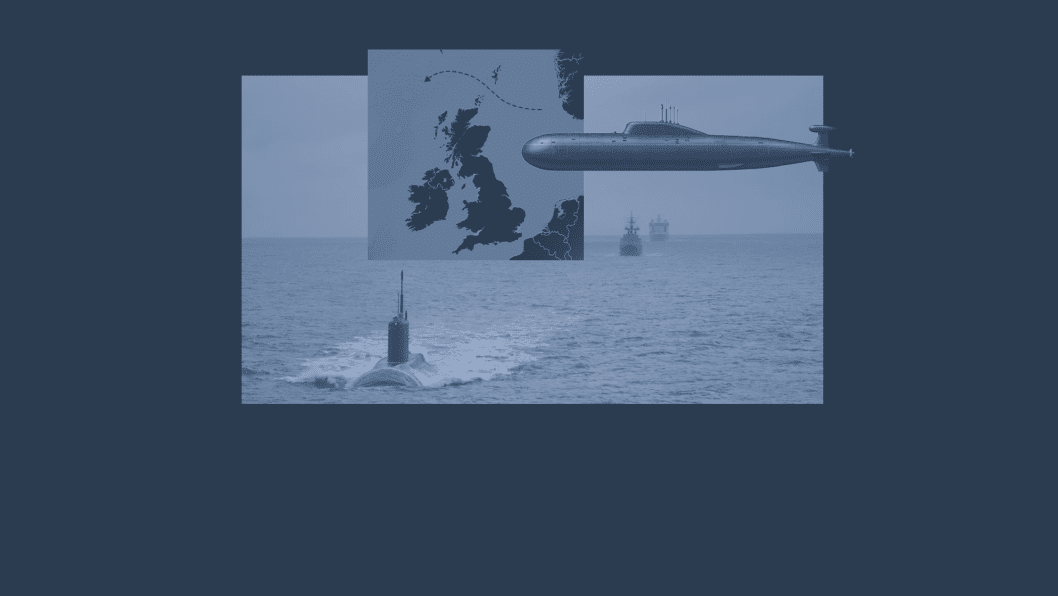
The operational tempo has already placed growing demands on British forces. “In 2025 alone, the Royal Navy was required to respond dozens of times in support of homeland defence against Russian navy surface vessels,” Jenkins noted.
He also highlighted concerns over underwater threats, pointing to increased activity by Russian submarines.
“Like our surface fleet, our submarines spent a substantial amount of time responding to Russian subsurface activity last year—and all the signs suggest the pattern of behaviour by Moscow will only worsen further in future,” he warned.
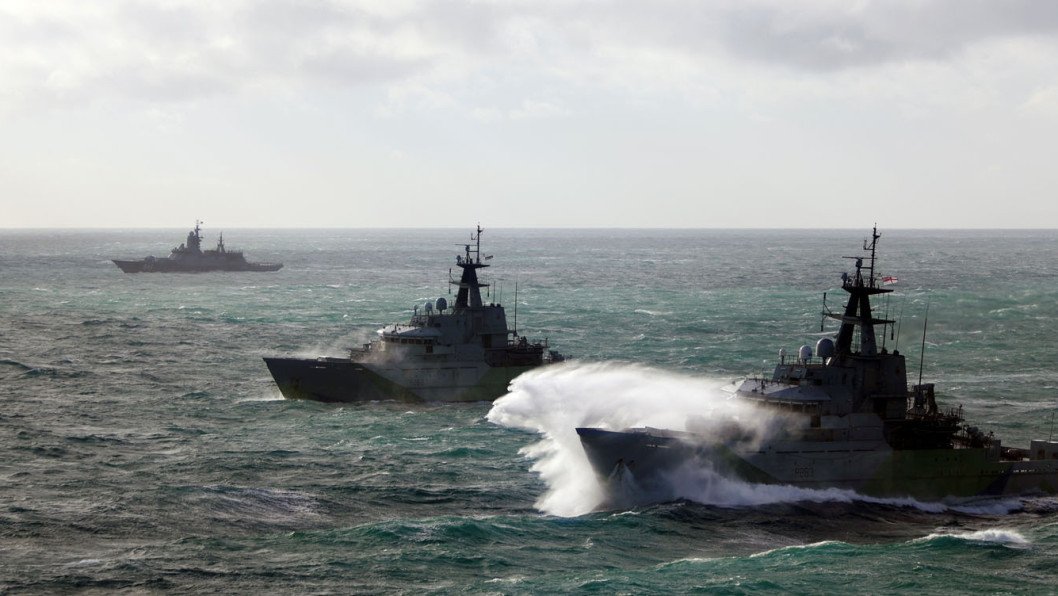
Command of the future multinational force is expected to be based at Northwood headquarters near London, enabling rapid coordination of operations across key strategic regions, including the North Atlantic and the Arctic.
Earlier, the Royal Navy reported that it had deployed four warships and supporting aircraft to monitor Russian naval activity near UK waters for over ten days.
HMS Somerset, HMS St Albans, HMS Mersey, and RFA Tideforce were involved in operations to shadow several Russian vessels, including a surfaced submarine, as they transited the English Channel and the North Sea.
Discuss this article:
-4a56a6b482ec132402c16ef6fcabf9a2.png)






-c439b7bd9030ecf9d5a4287dc361ba31.jpg "Photo of Katherina Popilnichenko")

-111f0e5095e02c02446ffed57bfb0ab1.jpeg "Photo of Roman Kohanets")