- Category
- War in Ukraine
Russian Drone Attacks Across Ukraine Surge Beyond 3,000 in September Air Assaults
 Prefer U24 Media on Google
- Authors

-c439b7bd9030ecf9d5a4287dc361ba31.jpg "Photo of Katherina Popilnichenko")
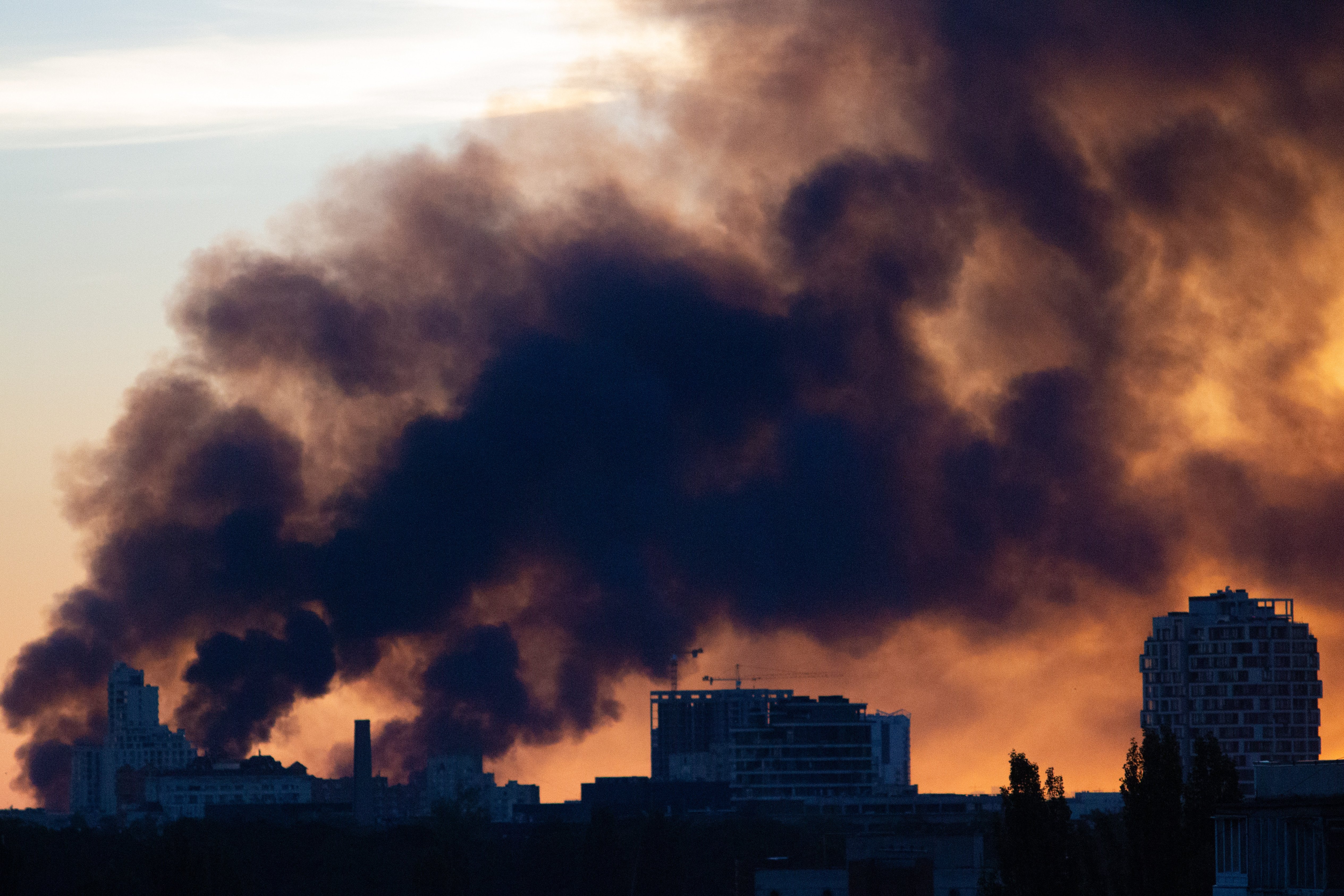
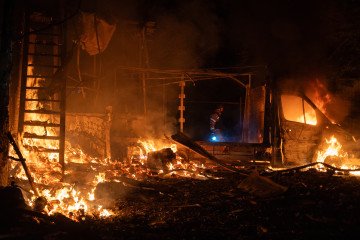
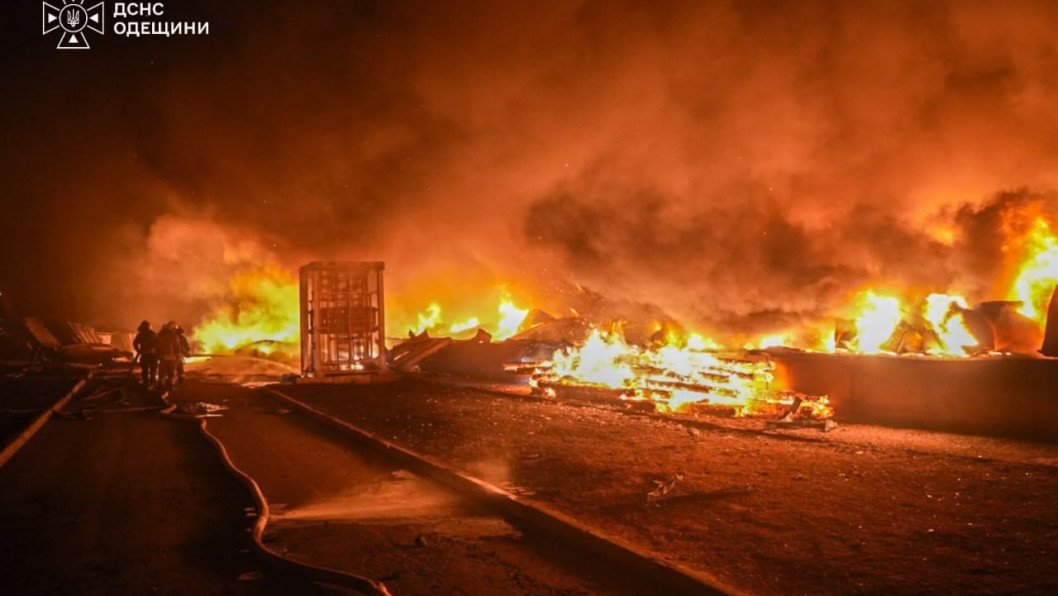
Russia has significantly intensified its aerial strikes against Ukraine during September, launching 3,177 jet-powered unmanned aerial vehicles (UAVs) compared to 2,850 recorded in August.
Ukrainian Air Force spokesperson Yurii Ihnat revealed the surge during a television broadcast on September 29, noting that Russian forces continue to launch daily air raids as the month draws to a close, as reported by Ukrinform.
We bring you stories from the ground. Your support keeps our team in the field.
Ihnat stated that Russian forces are conducting attacks in continuous waves, with Kyiv and the surrounding Kyiv Oblast remaining the primary focal points.
Other major urban centers, including Kharkiv, Odesa, Mykolaiv, Sumy, Kherson, and Dnipro, face persistent strikes, while some jet-powered drones are directed toward western regions and distant locations across the country.
To counter the growing air threats, Ukrainian defenses require additional interceptor missiles for Patriot systems and ground-based air defense units.
Ihnat emphasized that while allied partners have provided recent military assistance packages that will help temporarily, continuous long-term support remains vital to maintaining defense operations during Russia’s full-scale invasion of Ukraine, Ukrinform reported.
Alongside foreign support, Ukrainian forces are seeking rapid, scalable solutions from domestic defense manufacturers to effectively handle mass drone swarms.
Defense operations currently rely on tactical aviation—including F-16 fighter jets—ground-based air defense systems, and shoulder-fired man-portable air defense systems (MANPADS), which Ihnat noted perform effectively when jet-powered drones enter their operational range.
Russia increased the intensity of its jet-powered drone attacks on Ukraine more than eightfold over the summer, launching around 2,800 such drones in August compared with roughly 350 in June.
Air defense experts noted that the increased speed of systems like the latest Geran and Banderol models reduced the reaction window for mobile fire teams from one minute down to six seconds.
Discuss this article:
-9a7b3a98ed5c506e0b77a6663f5727c5.png)


-111f0e5095e02c02446ffed57bfb0ab1.jpeg "Photo of Roman Kohanets")