- Category
- War in Ukraine
Russian Glide Bomb Attacks Fall 11% as Ukraine Keeps Hitting Su-34 Bombers
 Prefer U24 Media on Google
- Authors


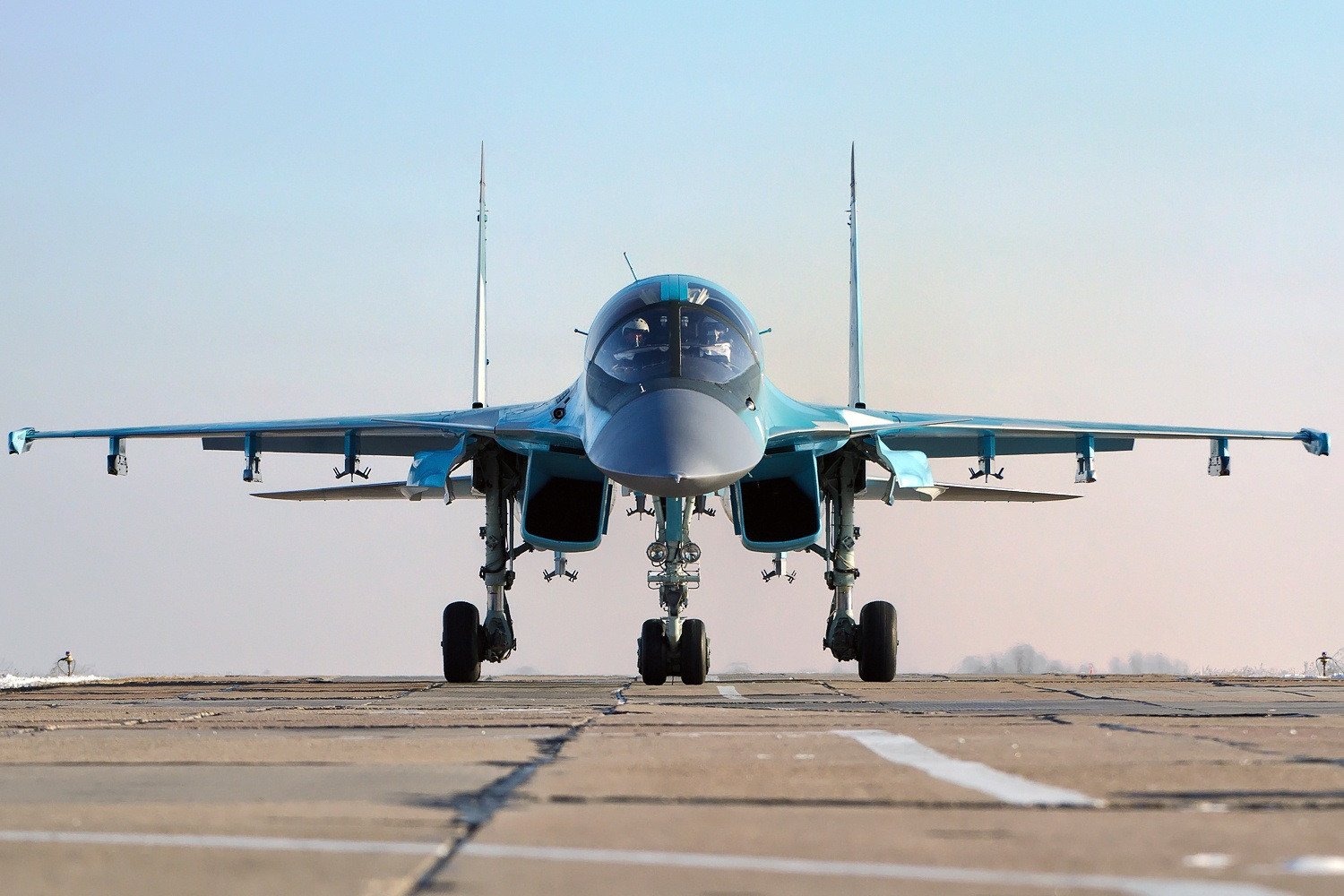
Russian forces dropped 8,016 guided aerial bombs on Ukrainian positions in October, marking an 11% decline from September’s record and the first monthly decrease after months of steadily rising use, according to the Oko Gora monitoring project, cited by Defence Blog on November 3.
The October figure works out to an average of roughly 259 bombs per day. Based on the reported 11% decline, Russia used around 9,000 guided bombs in September.
We bring you stories from the ground. Your support keeps our team in the field.
Most of the weapons are FAB-series Soviet-designed bombs fitted with UMPK glide-and-correction kits. The modules add folding wings and satellite guidance, allowing Russian aircraft to release the bombs from tens of kilometers away rather than flying directly over heavily defended Ukrainian positions.
That has made glide bombs one of Russia’s most heavily used weapons against Ukrainian troops, defensive positions, and settlements near the front.
The system is also relatively inexpensive compared with cruise or ballistic missiles because Russia can adapt large existing stocks of conventional bombs, including the FAB-500, FAB-1500, and massive FAB-3000.
New airstrike map update in the Hulialpole/Orikhiv direction suggests Russia abandonned its plans to capture Ternuvate and fully switched west
— Clément Molin (@clement_molin) October 25, 2026
🔴KAB impacts from February to August 2026
⚪️KAB impacts in September 2026
🟡KAB impacts in October 2026
Every month this year, Russia… pic.twitter.com/fRNRTFu8IQ
Before October, Russian use had risen almost continuously.
Ukraine’s Defense Ministry counted 8,266 guided bombs in June and more than 8,300 in July. August then set a new record at 8,766 before September surpassed it again.
October’s decline coincided with a series of Ukrainian strikes on Russian Su-34 fighter-bombers, one of the primary aircraft used to deliver UMPK-equipped bombs.
On the night before October 15, Ukrainian forces struck Borisoglebsk air base in Russia’s Voronezh region, roughly 230 miles from the front. President Volodymyr Zelenskyy said six Su-34M aircraft were hit, including four destroyed, while Ukraine’s Navy said Neptune missiles were used in the attack.
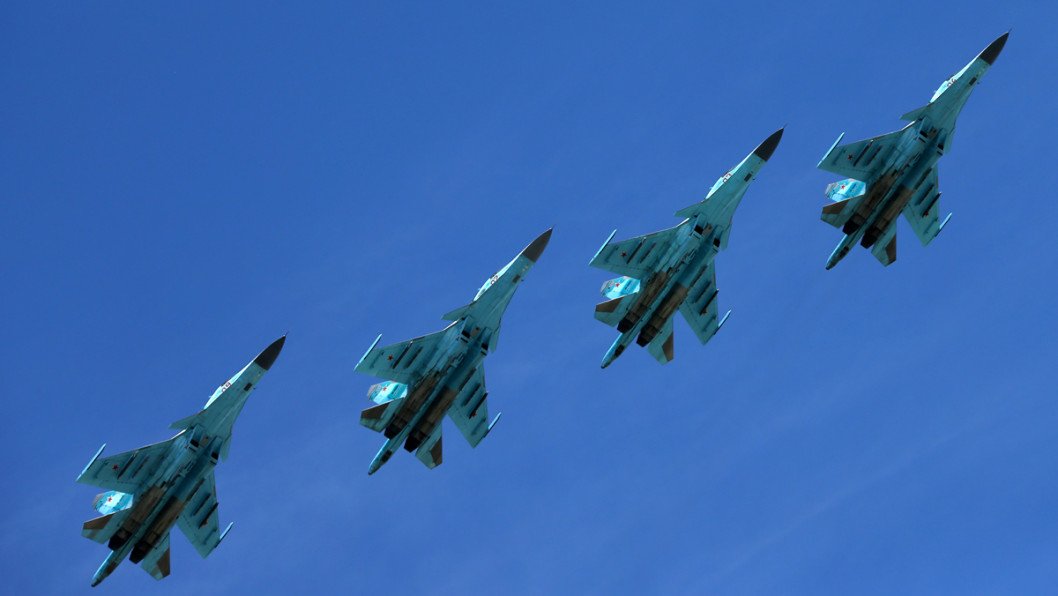
Later, on October 29, the Ukrainian Navy reported destroying two more Su-34s with Neptune missiles at Marinovka air base in Russia’s Volgograd region.
Those losses came on top of earlier attrition, including Su-34s Ukraine says it shot down in the air and aircraft damaged during previous strikes on Russian air bases.
The available data does not establish that the airfield attacks caused October’s decline in glide bomb use. Monthly totals can also fluctuate depending on the intensity of ground fighting, weather, aircraft availability, and activity across different sectors of the front.
Even with the 11% drop, however, Russia still maintained an extremely high bombing tempo in October, averaging more than 250 guided bombs per day—roughly comparable to the pace seen during June and July.
Previously, Ukraine’s Defense Intelligence Directorate estimated that Russia continues to produce and modernize its Su-34 fighter-bombers despite significant losses sustained during its full-scale invasion of Ukraine, with approximately 140 aircraft of this type remaining in service as of October 22, 2026.
That means that after the October 29 strike, Russia now has around 138 fighter-bombers of that type.
Discuss this article: