- Category
- War in Ukraine
Russian Sapphire Giant Tied to Missile Optics Is Going Bankrupt After Strikes, Sanctions and Debt
 Prefer U24 Media on Google
- Authors


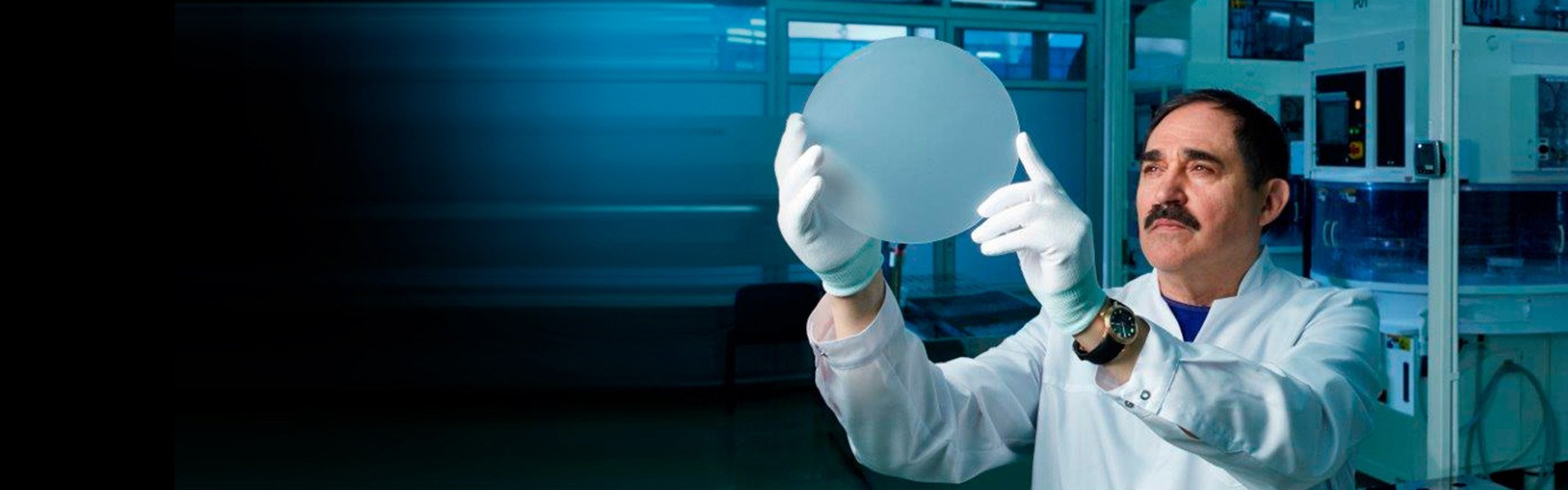
Monocrystal, once one of the world’s three largest producers of synthetic sapphire and a supplier of optical components used in Russian missiles and drones, has notified creditors that it intends to file for bankruptcy in Russia’s Stavropol Krai, Defense Blog reported on May 21.
The collapse of the Stavropol-based manufacturer, a subsidiary of the Energomera industrial group, marks one of the most significant failures in Russia’s defense-industrial supply chain since the start of the full-scale war, according to Defense Blog.
We bring you stories from the ground. Your support keeps our team in the field.
The company has been hit by three overlapping pressures: Ukrainian drone strikes on production sites, Western sanctions cutting off critical materials and markets, and falling demand in Asia.
Synthetic sapphire is not jewelry-grade sapphire. It is an industrial material grown from aluminum oxide crystals at extremely high temperatures. Because it is extremely hard, heat-resistant, chemically stable, and transparent across multiple wavelengths, it is used in high-end optics and military systems.
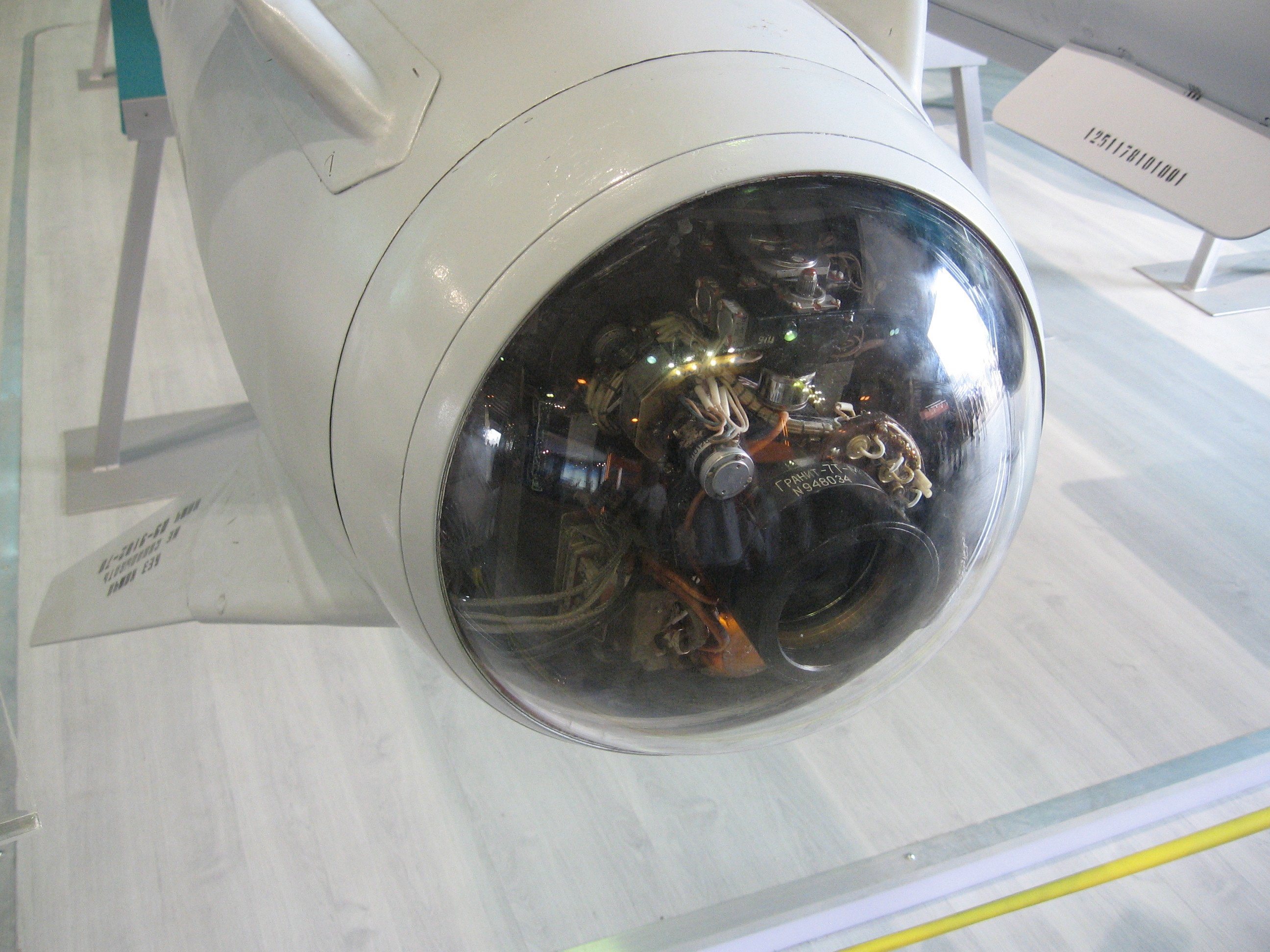
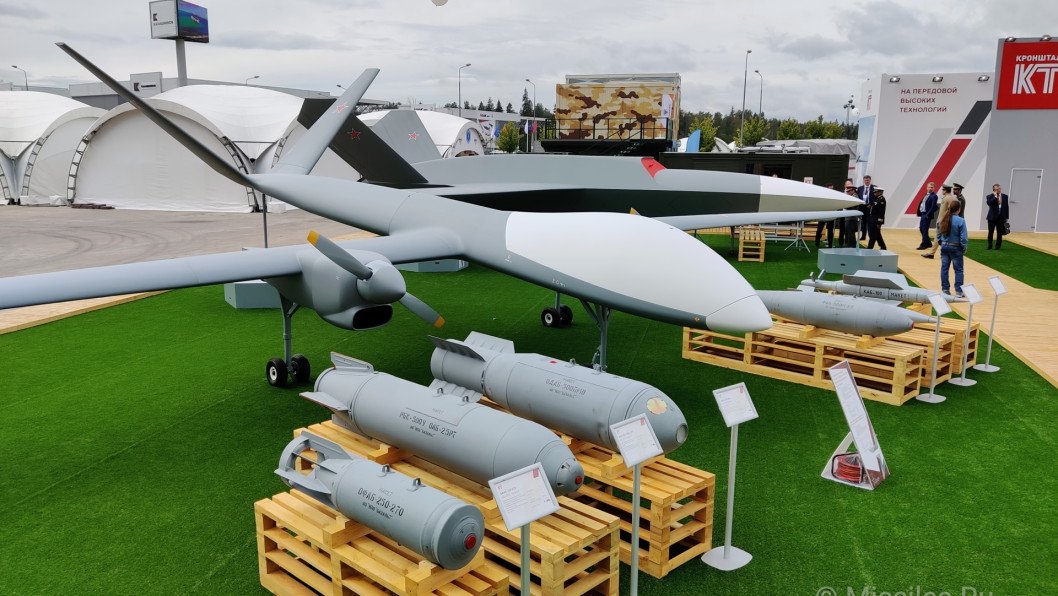
In missiles and drones, synthetic sapphire can protect optical seeker heads, infrared sensors, laser rangefinders, and guidance electronics from heat, scratches, and impact damage. Without a sapphire of sufficient purity and optical quality, a missile manufacturer can struggle to build reliable seeker heads.
Defense Blog noted that in 2022, Monocrystal controlled roughly one-third of the global synthetic sapphire market. Its products were used not only in Russian defense programs, but also in global consumer electronics, including protective glass for smartphone cameras and smartwatch faces.
That civilian market was crucial. Defense contracts alone were not enough to sustain the production scale Monocrystal needed to keep its expensive crystal-growth furnaces operating efficiently.
In Stavropol, Russia, the Monocrystal plant — one of the main producers of sapphire for the optoelectronics industry — has been attacked.
— NEXTA (@nexta_tv) August 12, 2025
The Neptune plant, which specializes in manufacturing control systems for ships, was also targeted. pic.twitter.com/ZYDRFp7MNn
The company’s problems accelerated after Ukrainian drone attacks damaged Monocrystal-linked facilities. Production sites in Shebekino, Belgorod region, were hit in May and October 2023, damaging buildings and electrical infrastructure.
Then, on the night of August 11–12, 2025, drones struck Monocrystal’s main production site in Stavropol, with fires visible in footage circulated by Russian media.
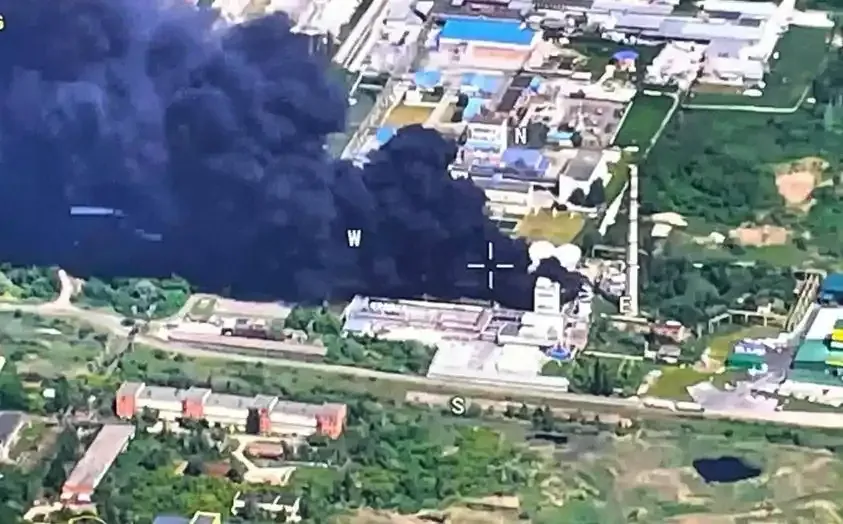
Stavropol had once seemed safely distant from routine Ukrainian drone operations. But Ukraine’s expanding long-range strike campaign has increasingly brought Russia’s southern industrial base into range.
Sanctions deepened the damage. Western export controls imposed after Russia’s full-scale invasion cut Monocrystal off from imported polishing slurries, chemical precursors, and other specialized inputs needed for optical-grade sapphire production. Losing European customers also stripped away hard-currency revenue that had helped support the company’s broader industrial operation.
By the end of 2025, Monocrystal’s financial position had sharply deteriorated. Short-term liabilities exceeded current assets by $50.6 million.
Total assets fell from $215.5 million to $182.5 million in one year. Short-term borrowings reached $70.7 million, while long-term debt exceeded $129 million. The workforce was nearly halved, falling from 1,087 employees in 2022 to 524 in 2025.
Russian business analysts cited by Defense Blog suggest the most likely outcome may be restructuring rather than total liquidation. That could mean a change of ownership, state intervention, or the sale of the sapphire division to a new investor.
The reason is simple: Monocrystal’s production expertise is difficult to replace. Industrial sapphire manufacturing depends on specialized furnaces, trained operators, chemical inputs, and process knowledge built over decades. Unlike a drone assembly workshop, a world-class synthetic sapphire line cannot be rebuilt quickly.
Monocrystal’s bankruptcy does not mean Russian missile or drone production will stop overnight. Existing inventories and alternative supply routes may soften the immediate impact. But the failure adds pressure to a defense-industrial system already strained by sanctions, battlefield attrition, and Ukraine’s long-range strikes.
As Defense Blog noted, the case shows why Ukraine’s campaign against Russian industrial targets matters: some parts of Moscow’s war machine are far harder to replace than the weapons they help produce.
Earlier, reports emerged that Russian entrepreneurs were increasingly pessimistic about the future of the economy, as 83.3% of companies expect conditions to worsen over the next year.
Discuss this article:
-9bd5e1532102621f8fb1c4ba871a3171.png)