- Category
- War in Ukraine
Russia’s $100,000 Jet-Powered Weapons Are Outpacing Ukraine and the US, WSJ Reports
 Prefer U24 Media on Google
- Authors


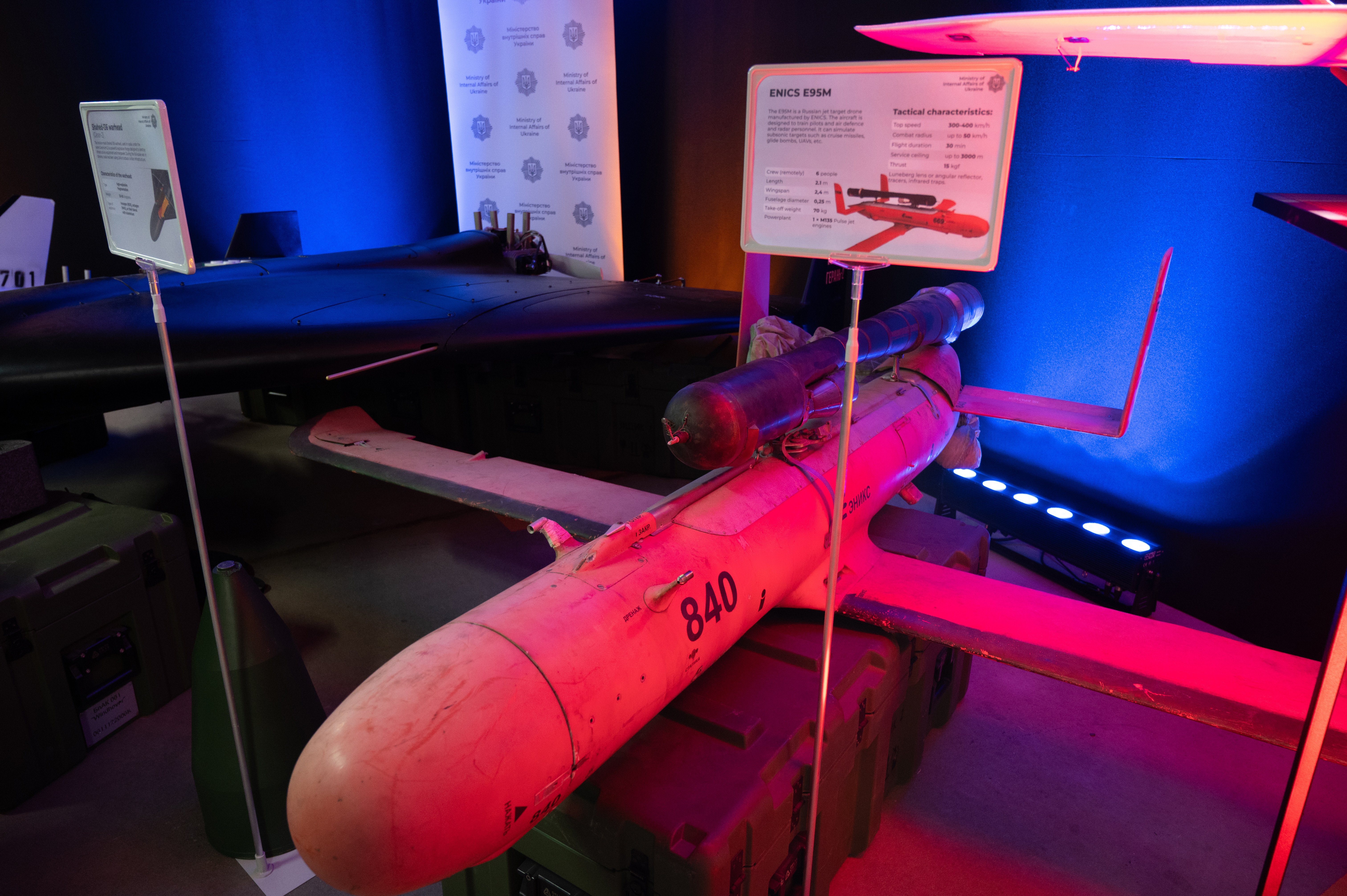
Russia has accelerated the development and mass production of a new generation of relatively inexpensive precision weapons, including the jet-powered Geran-5 drone and Banderol cruise missile, moving from testing to large-scale manufacturing faster than Ukraine and the United States.
We bring you stories from the ground. Your support keeps our team in the field.
According to The Wall Street Journal on September 14, Russia has managed to develop, combat-test, modify, and begin serial production of the new systems within several years, highlighting Moscow’s ability to rapidly convert battlefield experience into weapons produced at scale.
The remains of a Russian Geran-5 cruise missile fell in the Holosiivs'kyi district of the city of Kyiv following its interception by Ukrainian air defenses this afternoon.
— Status-6 (War & Military News) (@Archer83Able) September 3, 2026
The Geran-5 carries a 90-kilogram warhead and has a declared maximum range of around 1,000 kilometers. pic.twitter.com/skjX9Nao1D
The Geran-5 and Banderol represent an attempt to combine some of the capabilities of more expensive cruise missiles with the lower production costs traditionally associated with one-way attack drones. Both weapons are estimated to cost around $100,000 each, while US-made Tomahawk cruise missiles and comparable high-end systems cost more than $2 million.
WSJ reported that the weapons rely heavily on commercially available and dual-use Chinese components, including jet engines, navigation equipment, and communications electronics. Ukraine and other countries have identified Chinese-made parts in debris recovered from Russian weapons.
China has maintained that it regulates the export of technologies that could have military applications.
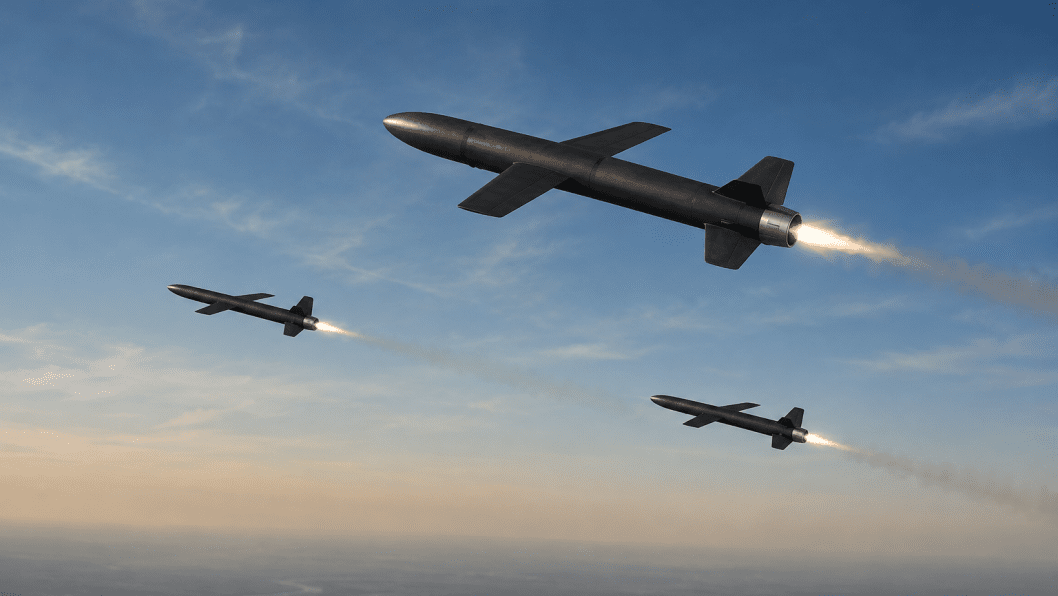
The Geran-5 marks a significant change from earlier Russian versions of Iran’s Shahed-series drones. While the original designs used propeller engines and traveled at relatively low speeds, newer Russian variants have incorporated faster propulsion, improved navigation, and communications systems intended to make interception more difficult.
Mike Monnik, chief executive of drone-threat intelligence company DroneSec, described the Geran-5 to WSJ as “essentially a poor-man’s cruise missile.”
The shift presents a new problem for Ukrainian air defenses, which have spent years developing methods to intercept slower Shahed-type drones. Faster jet-powered weapons can require different detection and interception systems and further complicate efforts to maintain a favorable cost ratio between incoming weapons and the interceptors used against them.
Ukraine has fielded a new air-defence system that is already shooting down Russian S8000 Banderol missiles, the Brave1 consortium said.
— Drone Wars (@Drone_Wars_) September 7, 2026
Brave1 said intercepting the missile with the unnamed system costs significantly less than the missile itself. Footage released by the group… pic.twitter.com/6XLaMEQVOK
According to WSJ, Russian manufacturers have also benefited from an ability to move quickly from experimental designs to large-scale production once a system proves effective in combat.
Kateryna Bondar, a senior fellow at the Center for Strategic and International Studies’ Wadhwani AI Center, told the newspaper that Russian industry can move “very fast from idea and experimentation to production.”
Ukraine has also demonstrated an ability to rapidly develop new weapons, including jet-powered drones and long-range strike systems. However, WSJ reported that Ukraine faces greater constraints in production capacity and long-term industrial planning than Russia.
The challenge is also affecting the United States and other NATO members. Western governments are attempting to expand production of air defense interceptors, including missiles for Patriot systems, while shortening the time required to move new military technologies from development into mass production.
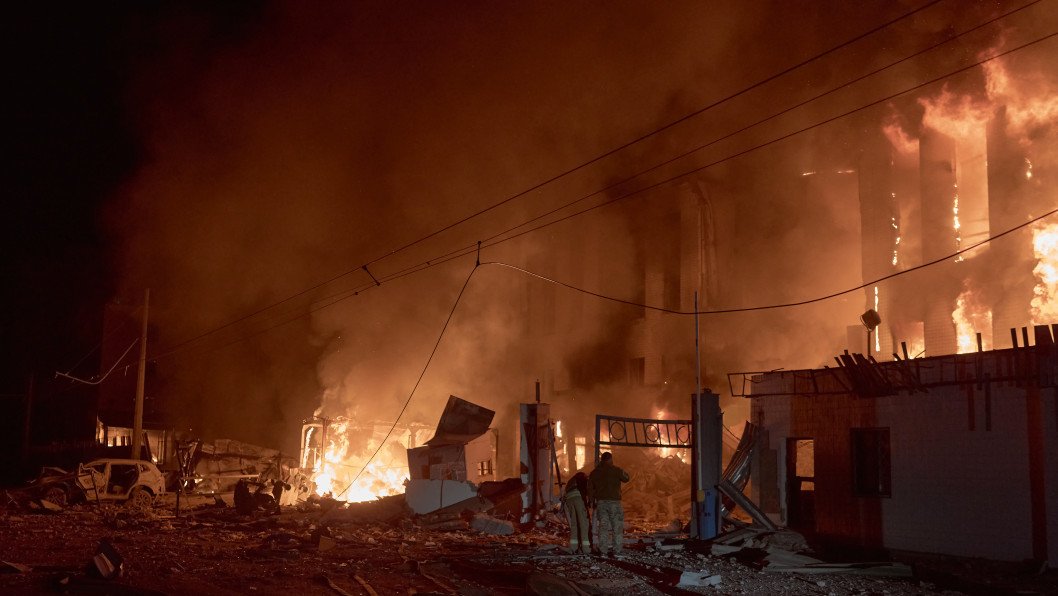
For Western militaries, that creates an economic challenge. High-end air defense missiles and fighter aircraft can successfully intercept drones, but repeatedly using expensive interceptors against weapons costing around $100,000 is difficult to sustain during large-scale attacks.
The Wall Street Journal reported that the US and NATO are consequently investing in cheaper counter-drone systems, including new jet-powered interceptors capable of engaging faster targets.
The technological developments have implications beyond Ukraine. Russia, Iran, and North Korea have expanded military cooperation and exchanged weapons and technical expertise, while lessons from Russia’s war against Ukraine are increasingly shaping drone and air defense development in other theaters.
The production surge is already visible on the battlefield. Russia launched around 2,800 jet-powered drones against Ukraine in August, up from roughly 350 in June.
Discuss this article:
-9a7b3a98ed5c506e0b77a6663f5727c5.png)



-efa69d4733b5af9f7cd0a642f85424a6.jpeg "Thick black smoke rises from the heavily damaged Proton-Electrotex plant in Orel, Russia, following a reported strike. (Source: Exilenova+)")