- Category
- War in Ukraine
Russia’s $217 Million Longevity Push Includes 7,000 Monkeys and a Blood Biobank
 Prefer U24 Media on Google
- Authors


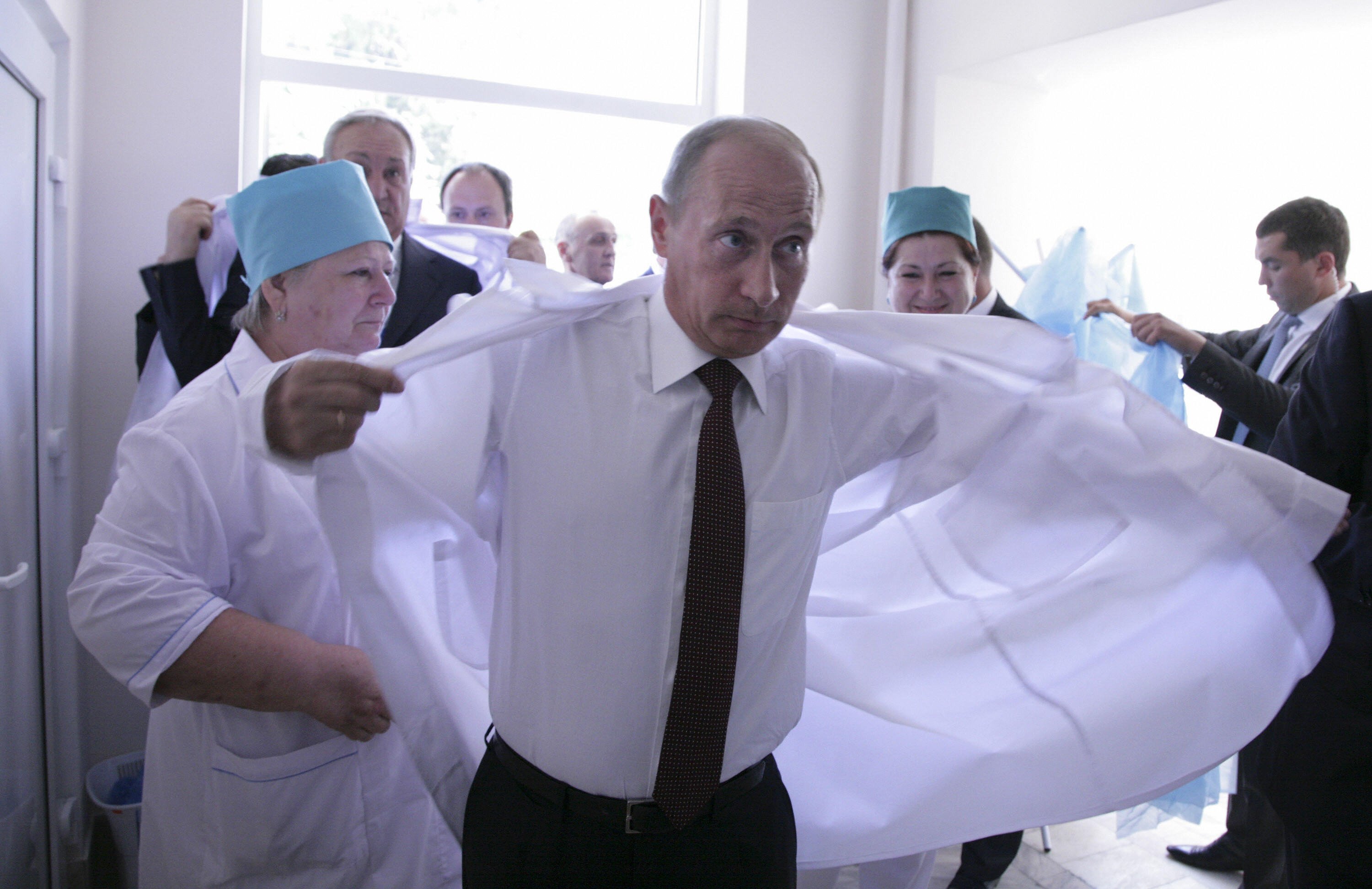
Russia is expanding a multimillion-dollar push into longevity research, including studies involving thousands of primates, gene therapy, organ cultivation, and a biobank containing blood samples from long-lived monkeys, according to ZN.ua on November 11.
At the Kurchatov Institute, headed by Mikhail Kovalchuk, a longtime associate and informal scientific adviser to Russian leader Vladimir Putin, researchers maintain more than 7,000 primates representing 22 species.
We bring you stories from the ground. Your support keeps our team in the field.
Scientists are studying older animals in an effort to better understand the biological mechanisms of aging and identify ways that could eventually extend human life.
“We are screening elderly monkeys to trace all stages of aging. We assess individuals from 18 to over 30 years old. We conduct a full screening: biochemical, structural analysis, we study blood vessels, the brain—everything. Primates are the closest example to us. This is the basis for creating a regulatory system for extending [lifespan],” Kovalchuk said.
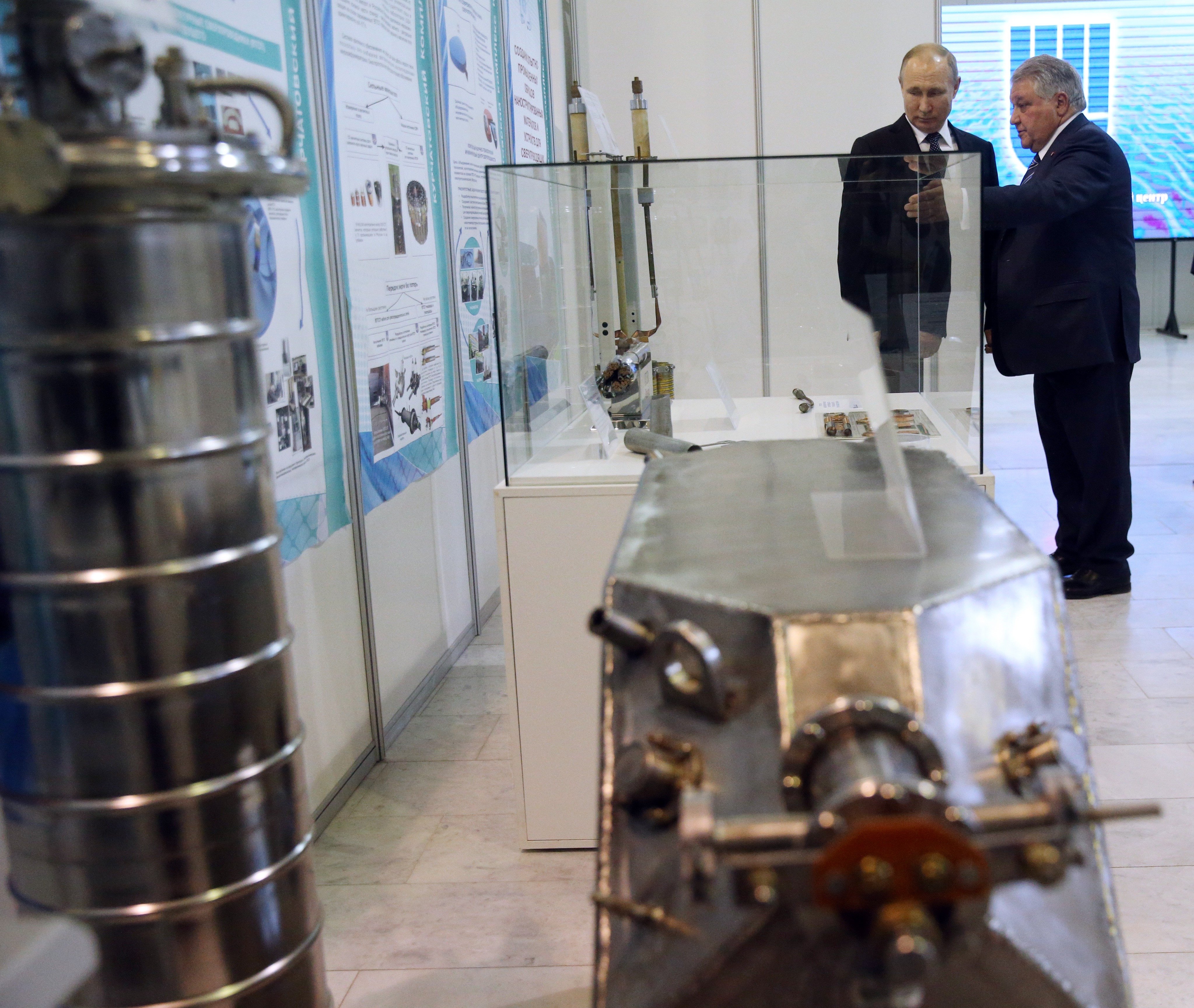
The Kurchatov Institute and the Russian Scientific Center of Surgery have already established a biobank containing blood samples from long-lived monkeys.
Konstantin Kotenko, director of the surgical center, said the material will be used to investigate the aging process.
Kovalchuk is considered a longtime friend of the 74-year-old Russian leader. His brother, billionaire Yuri Kovalchuk, is also part of Putin’s close circle.
Putin himself has publicly shown interest in extreme longevity.
During a visit to China in September 2025, journalists picked up a conversation between Putin and Chinese leader Xi Jinping in which the two discussed the possibility of humans eventually living to 150 years old.
Longevity research in Russia extends beyond Kovalchuk’s institute.
🇷🇺🇨🇳 A hot-mic from Chinese state broadcaster CCTV caught Presidents Xi Jinping and Vladimir Putin discussing human organ transplants and longevity ahead of Beijing’s military parade.
— HOT SPOT (@HotSpotHotSpot) September 3, 2025
Putin’s translator was overheard telling Xi that advances in biotechnology could allow organs… pic.twitter.com/SJ6tFyGVDy
Putin’s eldest daughter, endocrinologist Maria Vorontsova, is also involved in genetics research. In October, she appeared at the Moscow School of Management Skolkovo, where a new longevity laboratory had opened.
Vorontsova described attempts to push beyond the natural limits of human lifespan as an effort to “cheat God.”
The Kremlin is putting significant money behind the effort.
Russia’s 2027-2029 budget allocates nearly $217 million to a program called “New Health Preservation Technologies,” which includes research aimed at extending healthy human life.

Next year alone, roughly $7.5 million is expected to go toward preventive medicine and healthy-longevity technologies.
Another approximately $3.5 million is earmarked for bioprinting tissues and organs, while about $1.7 million will fund research into the biological causes of aging.
Previously, reports emerged that Russia’s government announced that state scientists are developing a gene-therapy treatment designed to slow cellular aging—the centerpiece of a $26 billion anti-aging initiative.
State scientists claim to have bioprinted human cartilage tissue and a mouse thyroid gland, with human organ replacement targeted by 2030. A parallel timeline has been set for growing organs inside mini-pigs, a porcine breed deemed genetically compatible with humans.
Discuss this article: