- Category
- War in Ukraine
Luxury and Air Defense: Inside the Fortified Residences Where Vladimir Putin Is Believed to Live
A false claim by Russia’s foreign minister Sergei Lavrov about an alleged Ukrainian drone attack on one of Vladimir Putin’s residences has drawn renewed attention to where the Russian leader actually lives, and to a network of official and unofficial palaces—revealed through investigations, satellite imagery, and leaked records—designed for secrecy, luxury, and protection from modern threats such as drones.
 Prefer U24 Media on Google
- Authors

-24deccd511006ba79cfc4d798c6c2ef5.jpeg "Photo of Louis Beaudemont")
The false claim made by Russia’s foreign minister Sergei Lavrov about an alleged Ukrainian drone attack on one of Russian leader Vladimir Putin’s residences was followed on December 30 by the release of a video investigating a new residence Putin is building in Crimea—a Ukrainian region occupied by Russia since 2014.
These residences, official or unofficial, often display a level of luxury far removed from the austere image Putin seeks to project. As a result, there are very few non-official images of these highly secured sites. Of the four official residences and two alleged ones, since Russia’s full-scale invasion of Ukraine, Putin is believed to spend most of his time in a heavily fortified residence, which analysts say offers increased protection against potential drone threats—a site that Russian Foreign Minister Sergei Lavrov may have been referring to in his false claim.
We bring you stories from the ground. Your support keeps our team in the field.
How many residences does the Russian leader have, where does Vladimir Putin mainly live, and what is known about the locations, construction, and purpose of these sites? Here is a closer look at Putin’s palaces.
The official residences of the Russian presidency
The Kremlin—the center of power and the Russian leader’s main official residence—has reportedly ceased to be Vladimir Putin’s primary place of residence, likely since the COVID-19 pandemic. From the heavily fortified Valdai complex to Sochi and the outskirts of Moscow, investigations, satellite imagery, and leaked records point to a system of residences designed not only for power and luxury, but also for concealment. Drone threats and internal secrecy appear to shape where and how the Russian leader lives.
“Valdai,” “Uzhin,” “Dolgiye Borody,” or “Object 201”
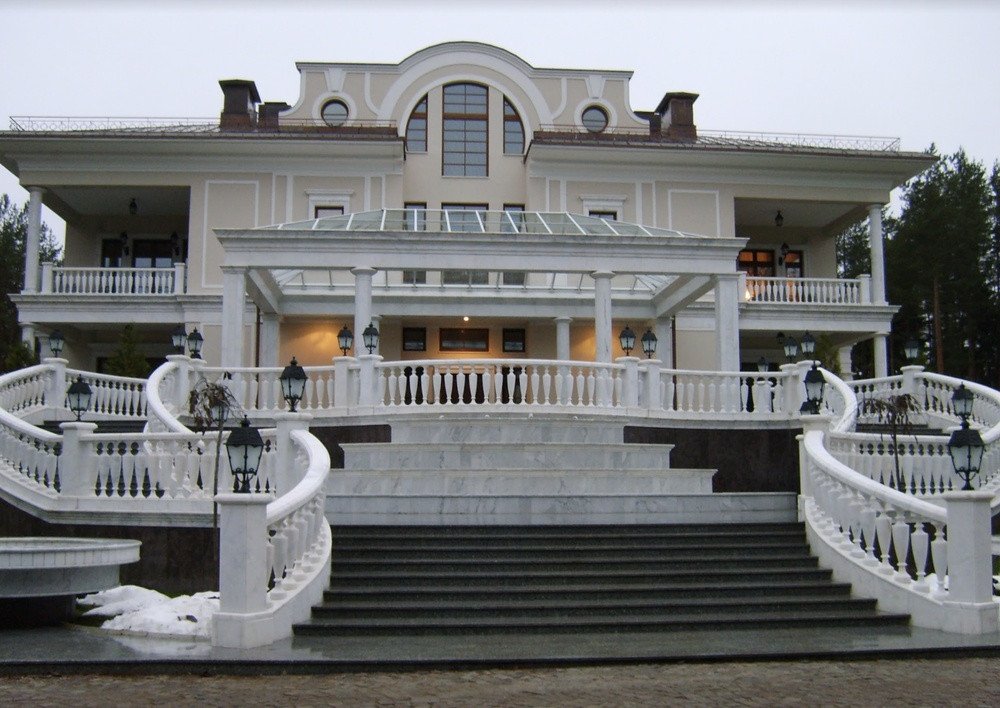
Location: Lake Valdai, the Novgorod region, Russia.
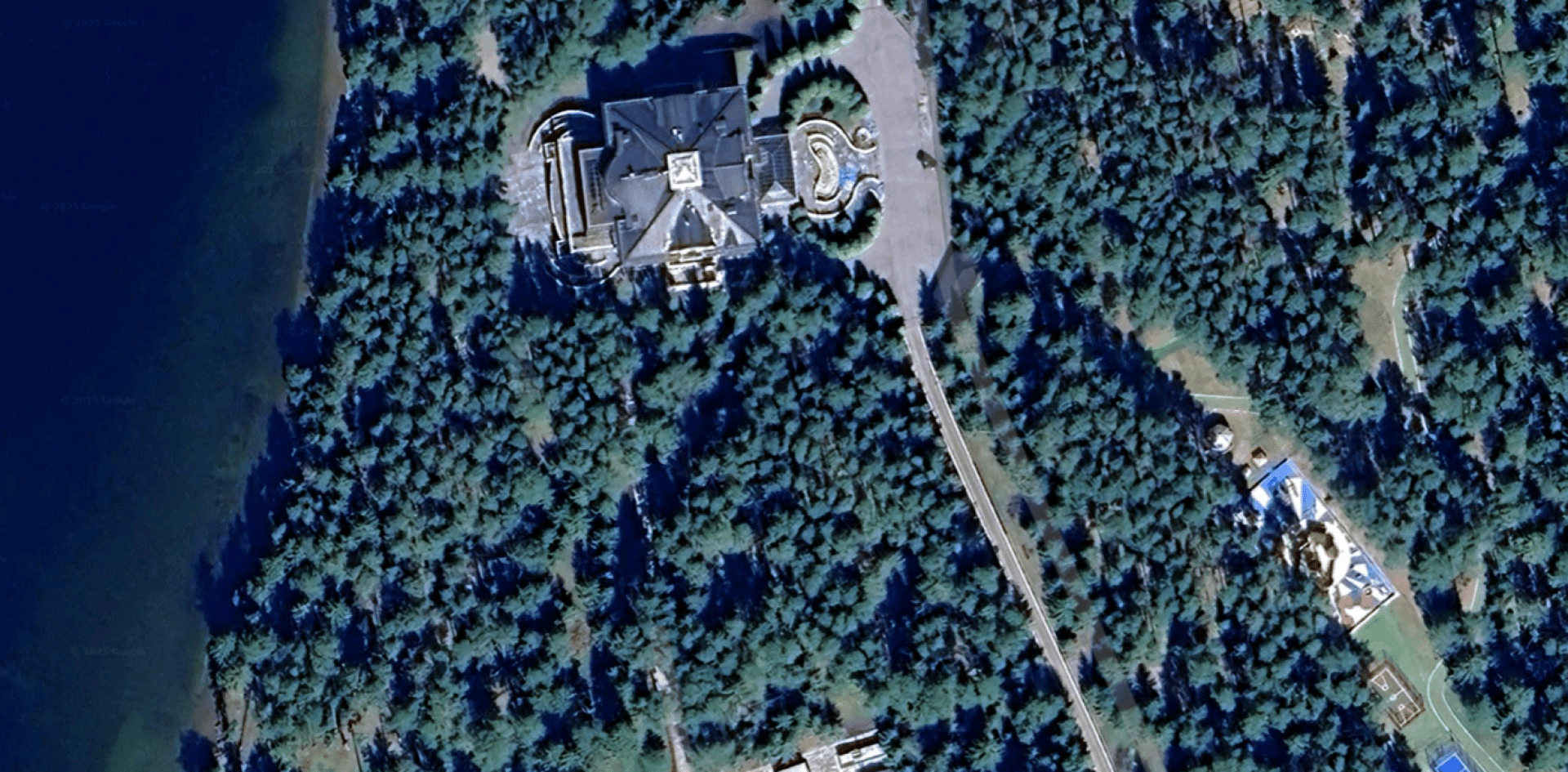
Originally built as a state residence during the Soviet era—reportedly hosting the wedding of the daughter of Joseph Stalin and the son of Andrei Zhdanov—the residence with the codename “Object 201,” officially known as “Uzhin”, but more widely referred to as Dolgiye Borody, is today considered one of the most sensitive sites of Russian power.
Located on the shores of Lake Valdai, the complex covers roughly 250 hectares. Part of the land, 150 hectares, is officially owned by the Russian state and assigned for permanent use to the Federal Protective Service (FSO). This section mainly includes technical and logistical infrastructure: warehouses, garages, hangars, service buildings, and several relatively modest guest houses.
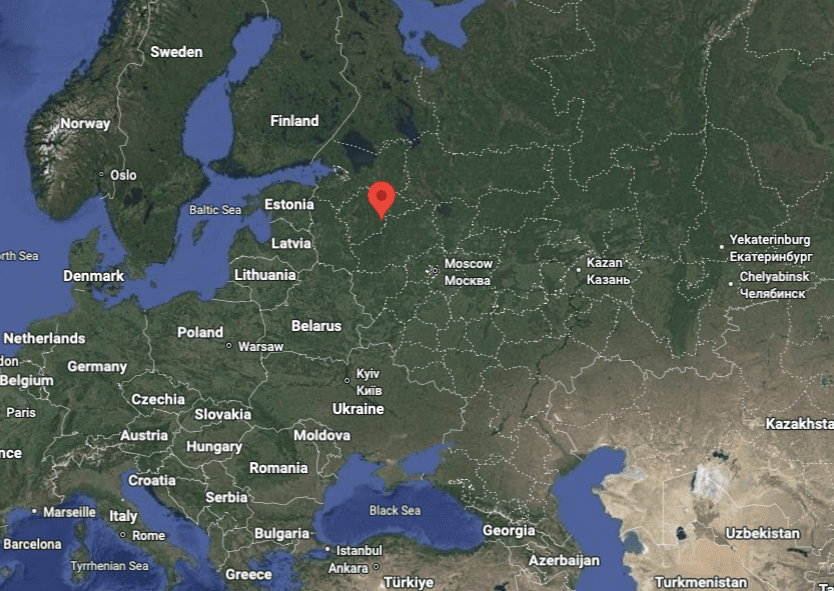
The remainder of the land, 100 hectares, is registered in the name of “OOO Prime”, a company controlled by Yury Kovalchuk, an oligarch close to Vladimir Putin and a key shareholder of Bank Rossiya. This portion is leased to the presidential administration, deliberately blurring the line between public property and private interests.
According to an investigation published in March–April 2021 by the Anti-Corruption Foundation (FBK), founded by Russian opposition figure Alexei Navalny, the residence contains nearly 80 buildings and bears little resemblance to the austere image promoted by state propaganda. These include:
a four-story main palace of approximately 3,500 square meters;
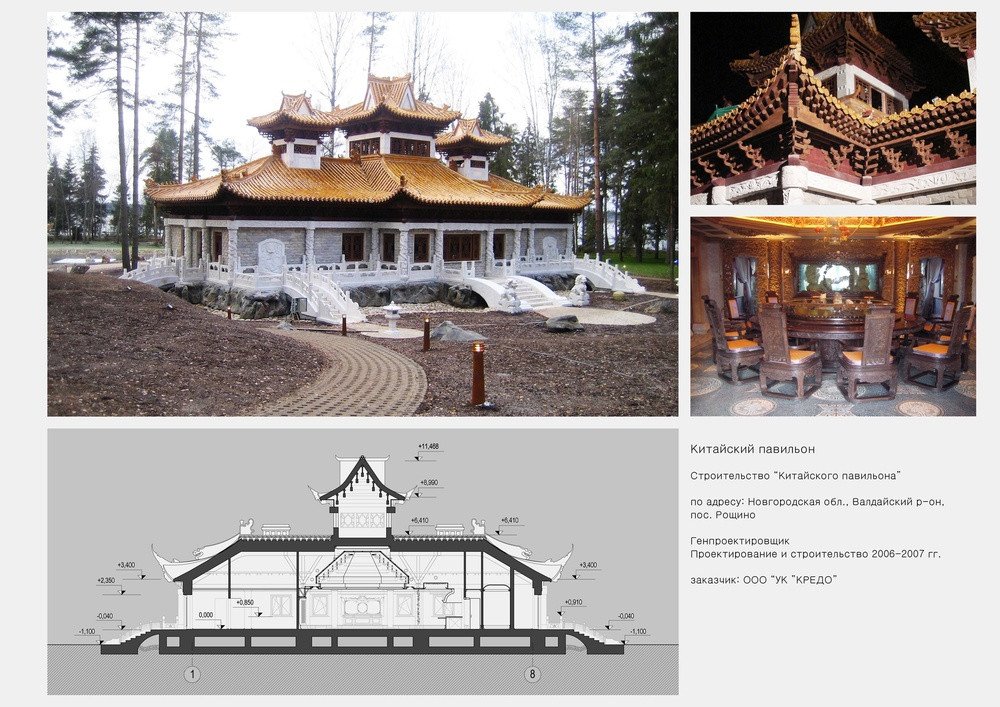
a Chinese-style pavilion;
a traditional wooden izba;
several bathhouses and saunas;
a stable;
a golf area;
a children’s playground;
a VIP restaurant with a cinema room, bowling alley, billiards, and a mini-casino;
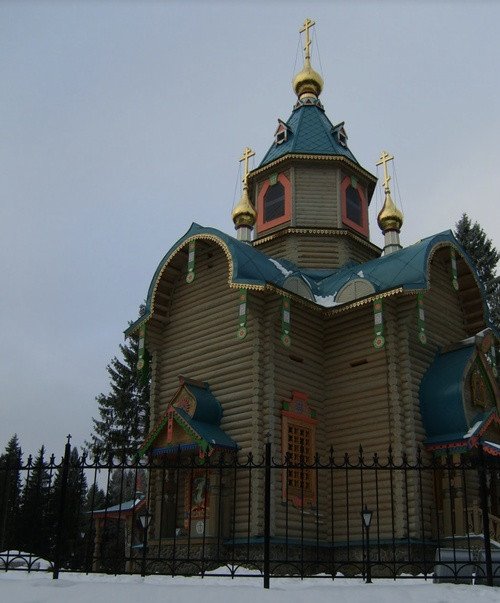
and a private church dedicated to Saint Vladimir.
Nearby stands an even larger structure: a spa complex covering around 7,000 square meters, spread across multiple levels, including two underground floors. Plans reviewed by FBK show facilities rarely associated with an official residence, such as a solarium, flotation pool, cryotherapy units, swimming pools, massage rooms, dental and cosmetic treatment offices, balneotherapy installations, and lymphatic pressotherapy equipment.
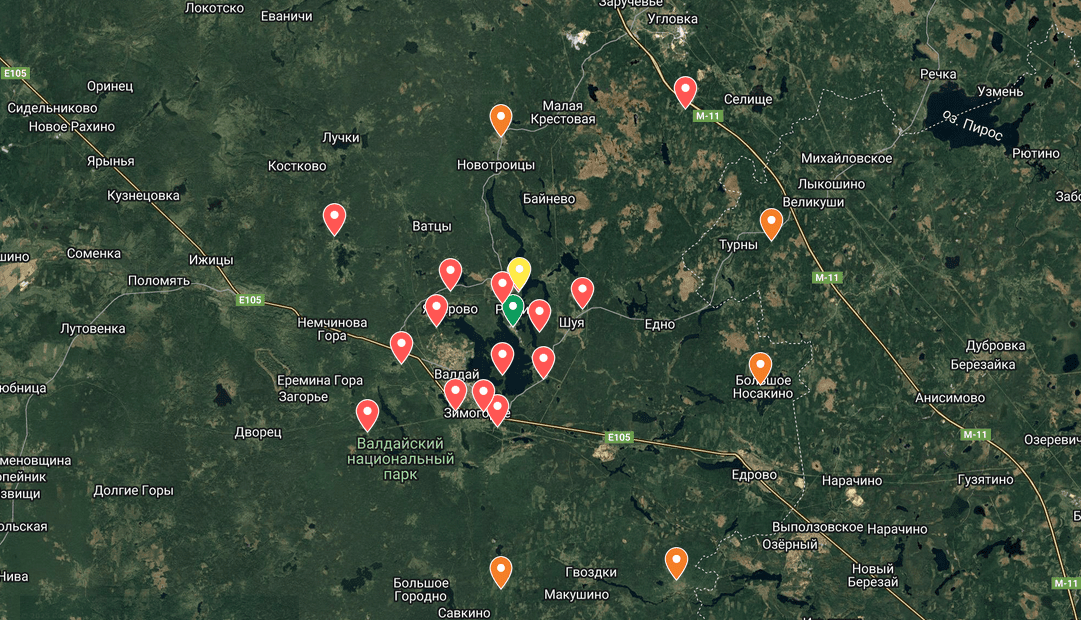
Satellite imagery analyzed by OSINT researchers has also revealed a significant reinforcement of air defenses around the residence. At least twelve Pantsir-S1 systems have been identified on towers and elevated positions surrounding the site, along with the confirmed presence of at least one S-400 system nearby. These systems—capable of intercepting aircraft, helicopters, drones, and missiles—effectively turn the residence into a heavily militarized zone.
Bocharov Ruchei
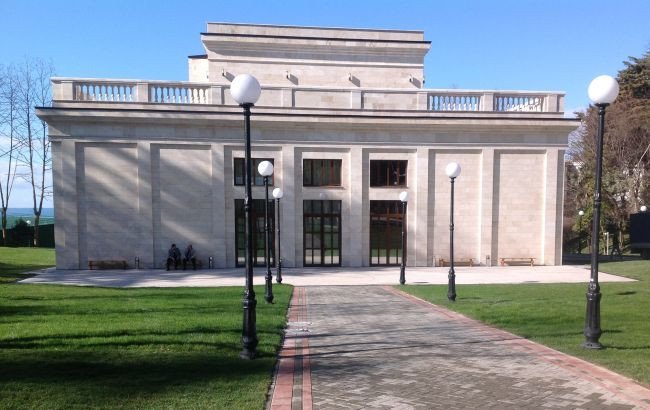
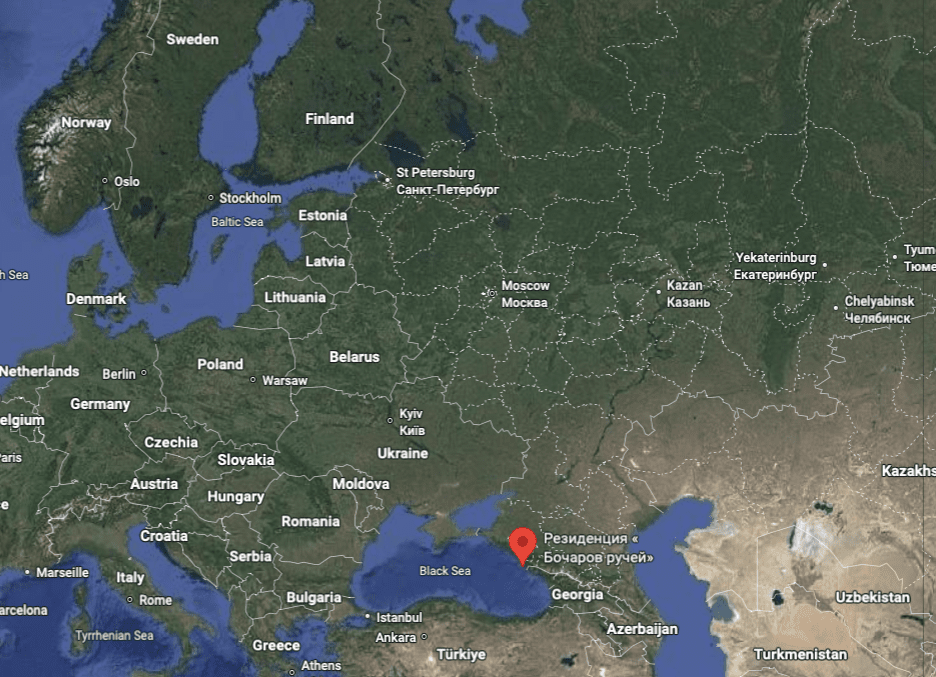
Location: Sochi, Krasnodar Krai, Russia.
Located in Sochi on the Black Sea coast, Bocharov Ruchei is Vladimir Putin’s official summer residence and one of the few sites regularly shown by the Kremlin. Built during the Soviet era, it serves both as a place of rest and a diplomatic venue, hosting foreign leaders and informal meetings: Georges Bush, Alexander Lukashenko, Benjamin Netanyahu or Recep Tayyip Erdoğan.
The compound is protected by an enhanced security setup overseen by Russia’s Federal Protective Service (FSO), including a restricted airspace zone, increased naval presence offshore, and—according to multiple OSINT observations—intermittently deployed air-defense systems, particularly since the start of Russia’s full-scale invasion of Ukraine. Despite this official visibility, access to the site remains tightly controlled and cut off from the city.
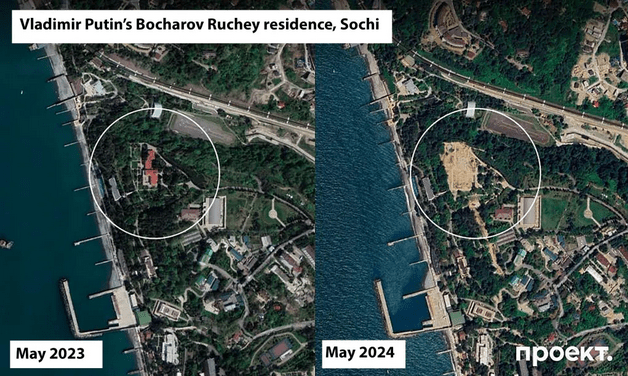
But reporting by the Russian investigative outlet Proyekt in October 2024 said that the main building at Bocharov Ruchei was demolished in March 2024 amid security concerns following Ukrainian drone strikes on the city. Satellite imagery showed the structure had been razed and replaced by an active construction site. Proyekt reported that Putin has not visited Sochi for at least seven months—a record absence over the past decade—and that official meetings have already been moved to a secondary building on the compound.
Novo-Ogaryovo
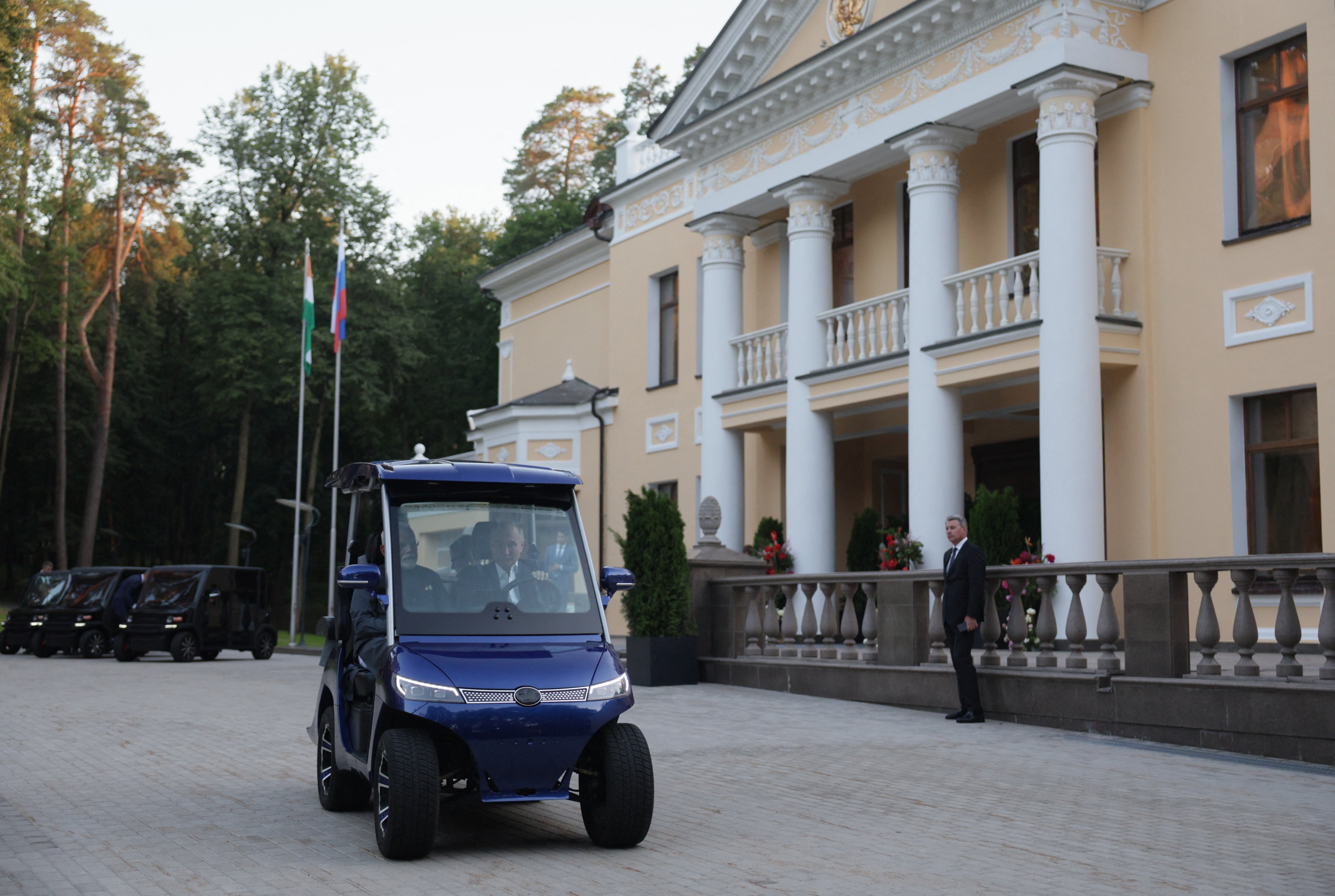
Location: Novo-Ogaryovo, Moscow region, Russia.
Located about 20 kilometers west of Moscow, Novo-Ogaryovo has been Putin’s primary working residence since the early 2000s. From this wooded, closed-off complex, the Russian leader conducted most of his meetings, videoconferences, and official addresses. The site is under permanent FSO protection and surrounded by a broad ground and air security perimeter.
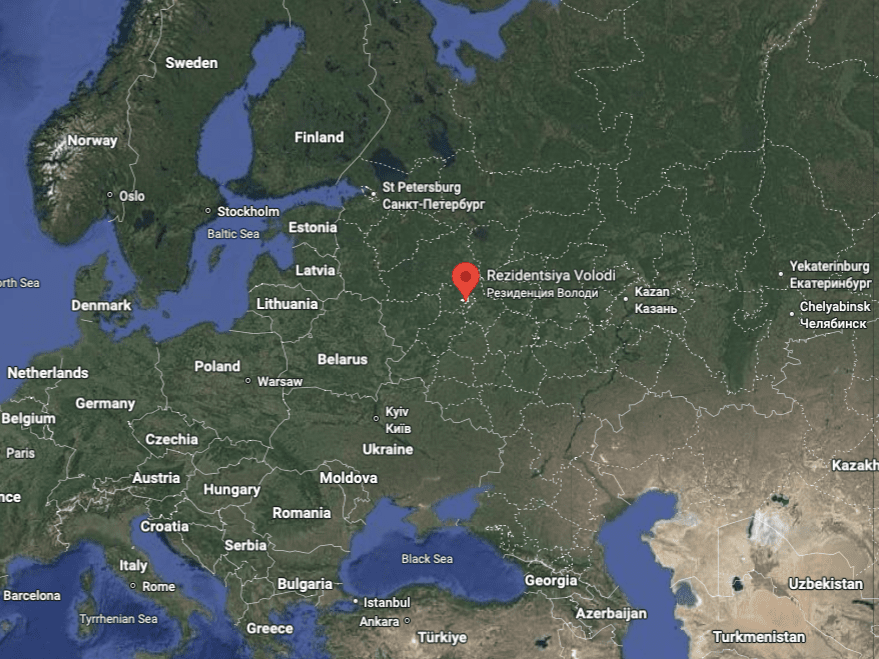
An investigation published in June 2023 by Radio Free Europe/Radio Liberty, drawing on revelations by the Russian investigative outlet Proyekt, showed that several plots of land in the immediate vicinity of the presidential residence were acquired as early as 2006 through offshore companies—particularly in Panama—before being transferred to Putin’s daughters.
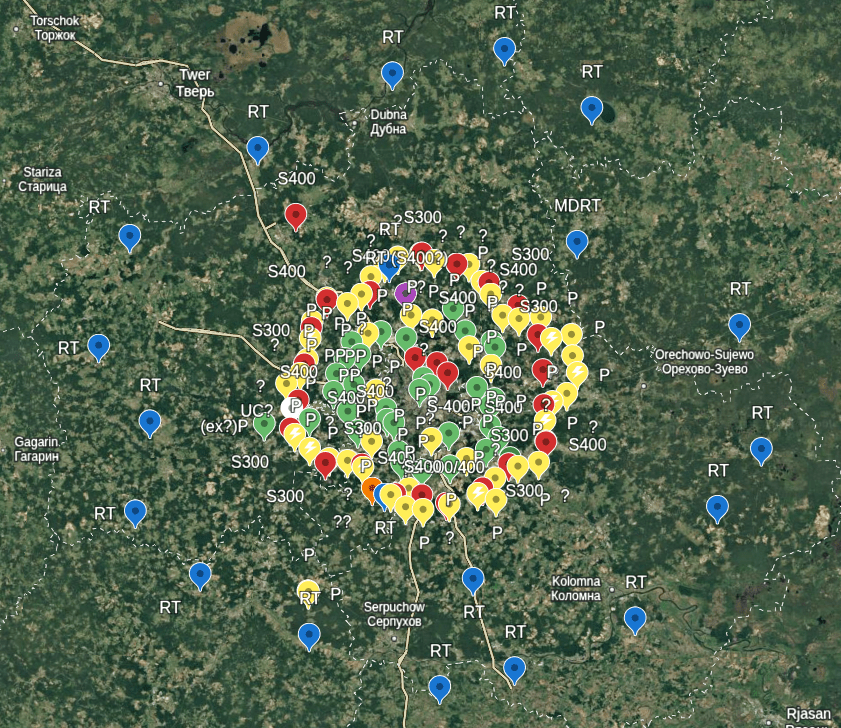
Recent satellite imagery analysis has also highlighted the dense air-defense network protecting Moscow, within whose perimeter the residence is located.
The Unofficial Concealed Houses of Vladimir Putin
“Putin’s Palace,” Gelendzhik
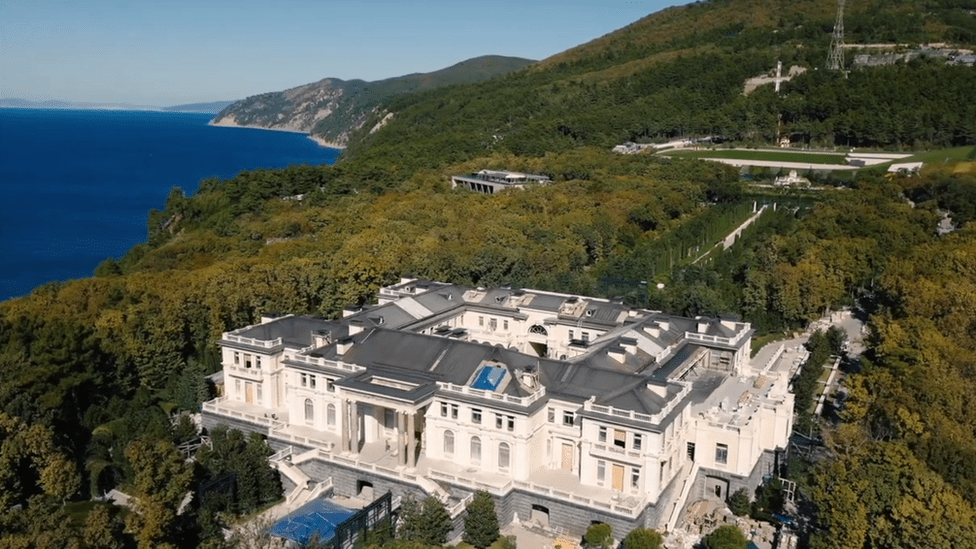
Location: Cape Idokopas, near Gelendzhik, Krasnodar Krai, Russia.
The palace near Gelendzhik—often referred to as “Putin’s Palace”—was first publicly exposed in a 2021 investigation by the FBK and later corroborated by multiple independent outlets. Investigators described the site as a vast, heavily secured compound on the Black Sea coast, formally owned through a network of shell companies but allegedly built for the personal use of Vladimir Putin.
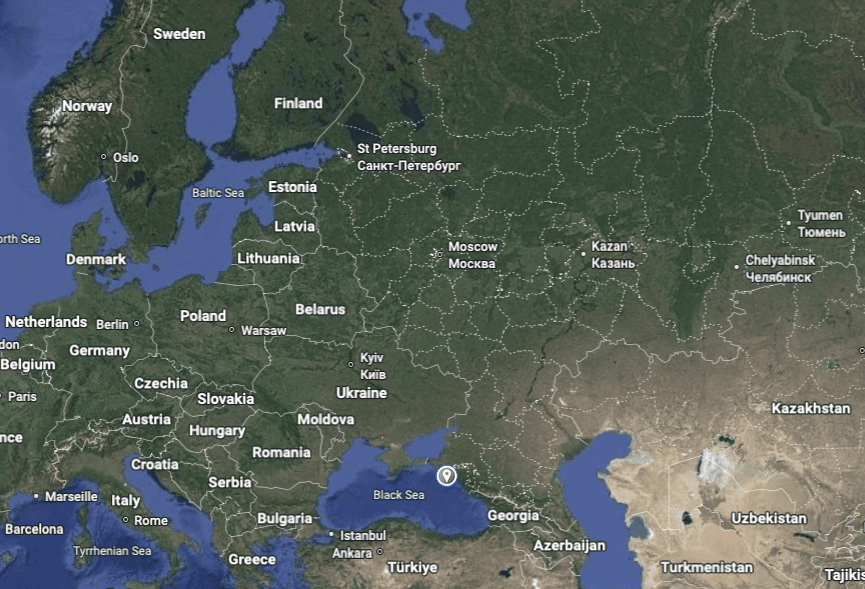
According to FBK, the complex spans tens of thousands of square meters and includes a main palace, underground facilities, a private theater, spa and wellness areas, wine storage tunnels, a casino-like gaming room, and extensive technical infrastructure. The estimated cost of construction was put at over $1 billion, making it one of the most expensive private residences ever documented in Russia.
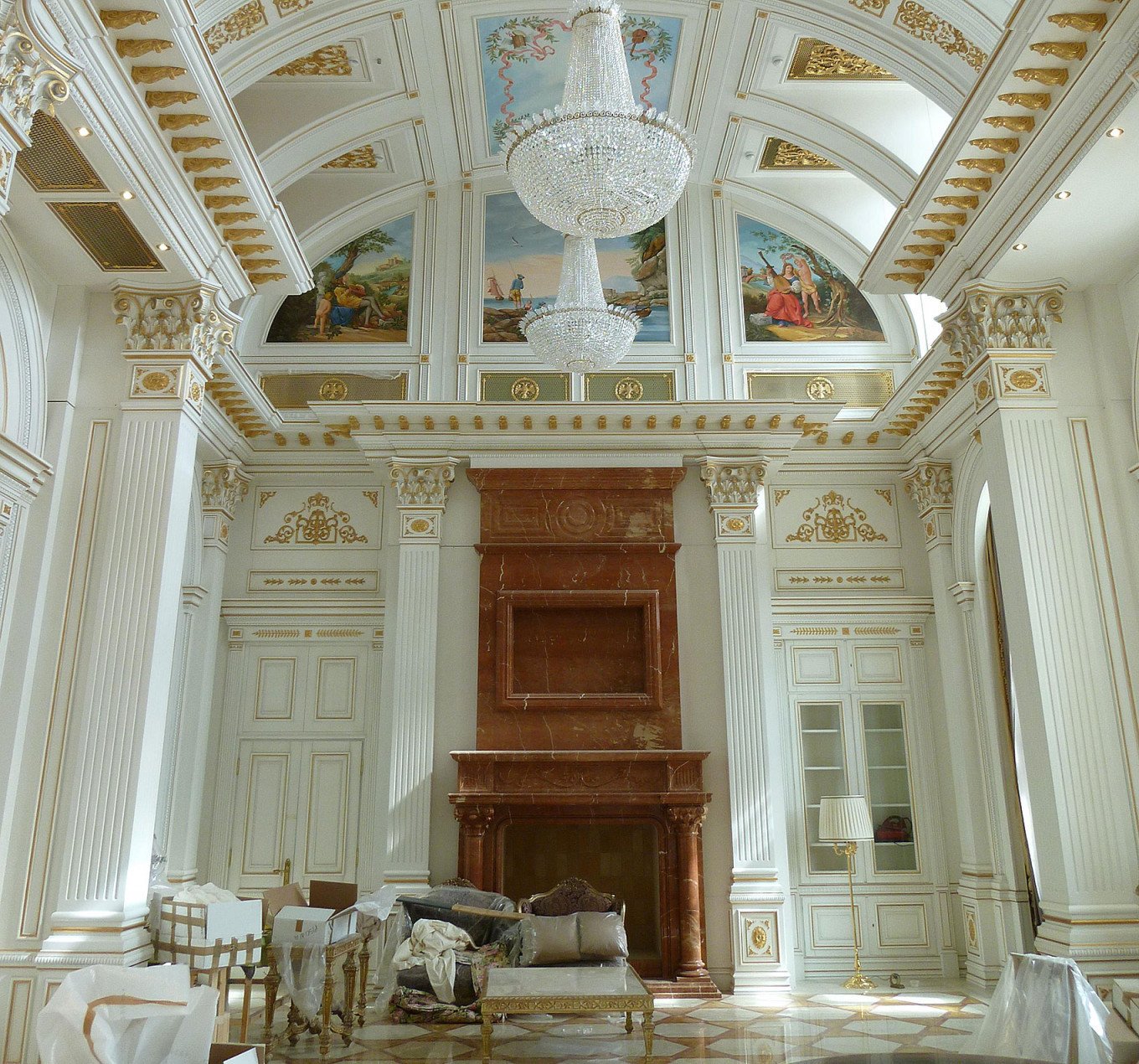
The land and buildings were registered through companies linked to figures close to Putin, including structures associated with the Kovalchuk circle. Although the Kremlin denied that Putin owned or used the palace, investigators said the site was guarded by the Federal Protective Service (FSO) and subject to a permanent no-fly zone—security measures typically reserved for state facilities.
Alleged new Putin’s palace in occupied Crimea
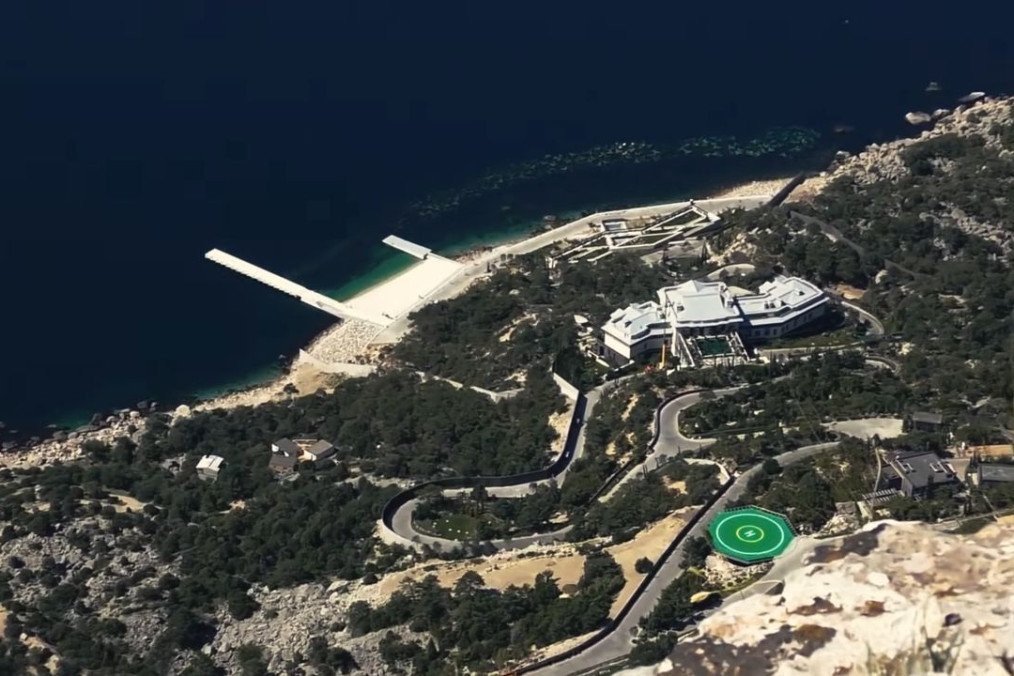
Location: Cape Aya, temporary occupied Crimea.
In December 30, 2025, Russia’s Anti-Corruption Foundation (FBK) said it had uncovered another luxury palace allegedly linked to Vladimir Putin, this time on Cape Aya in Russian-occupied Crimea. According to FBK, investigators obtained photographs and architectural plans of the complex, estimating construction costs at around $127 million. The findings were reported by The Insider on December 30.
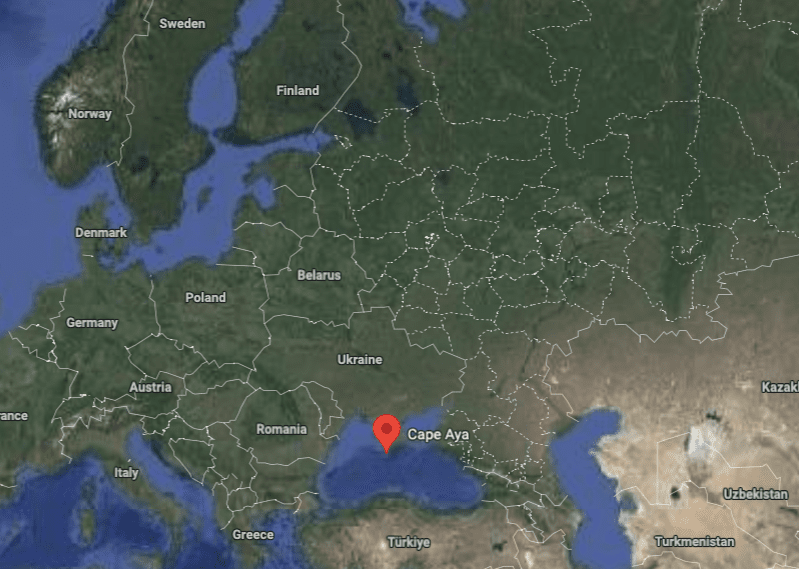
FBK said the site was originally planned as a residence for former Ukrainian president Viktor Yanukovych, but after Russia’s 2014 occupation of Crimea, the project was declared illegal and later transferred to structures linked to the Kovalchuk brothers, longtime figures close to Putin. Investigators said the complex was subsequently rebuilt to meet requirements set by Russia’s Federal Protective Service (FSO).

According to the investigation, the property functions not as a country house but as a fully secured palace complex, featuring lavish interiors, a private medical center with an operating room and intensive care facilities, extensive spa infrastructure including a swimming pool and cryotherapy chamber, a helipad, a private waterfront, and permanent security. FBK said additional staff housing, technical buildings, and a new helipad were built higher up the slope.
FBK alleged that construction was financed through the same financial networks previously linked to the palace near Gelendzhik, including funding from companies associated with the Kovalchuk circle and offshore structures. Based on this, investigators concluded that the Cape Aya complex follows the same model of proxy ownership and financing seen in other properties tied to Putin’s alleged private residences.
Discuss this article:
-4a56a6b482ec132402c16ef6fcabf9a2.png)