- Category
- World
Russiaʼs $26 Billion Longevity Program Aims for Bioprinted Human Tissue and Mini Pig Organs by 2030
 Prefer U24 Media on Google
- Authors

-111f0e5095e02c02446ffed57bfb0ab1.jpeg "Photo of Roman Kohanets")
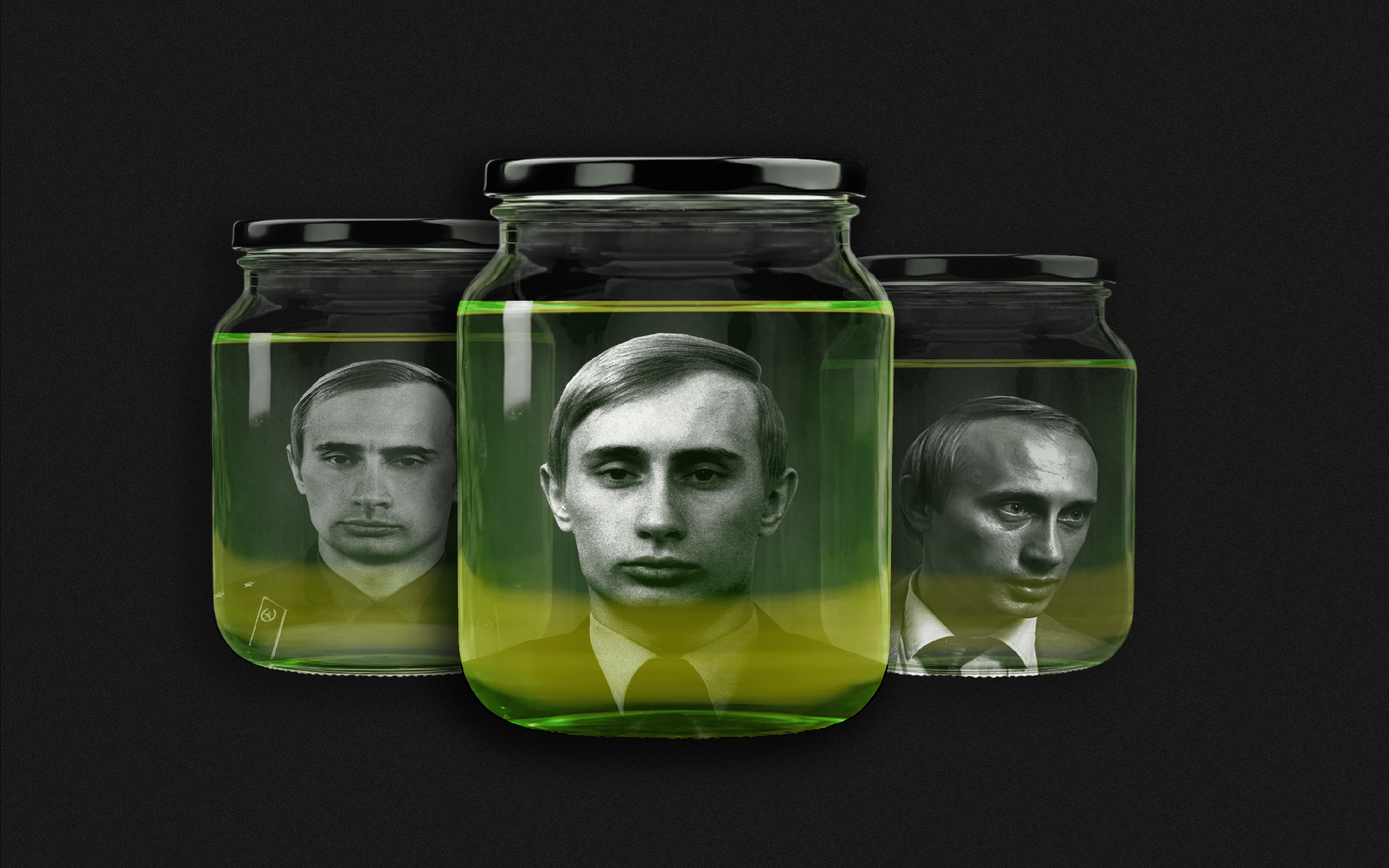
Russia's government announced last month that state scientists are developing a gene-therapy treatment designed to slow cellular aging—the centerpiece of a $26 billion anti-aging initiative personally championed by the Russian leader, Vladimir Putin, the Wall Street Journal reported on May 29.
We bring you stories from the ground. Your support keeps our team in the field.
The scale of Putin's interest in longevity became vivid last September, when a hot mic at a Beijing military parade captured him telling Chinese President Xi Jinping that humans could achieve immortality by replacing their organs.
The treatment was announced on April 23 by Deputy Science Minister Denis Sekirinsky, who described it as "one of the most promising avenues in the fight against aging."
The broader initiative, formally titled "New Health Preservation Technologies" and unveiled in 2024, spans organ bioprinting, xenotransplantation, cryotherapy, and genetics research.
State scientists claim to have bioprinted human cartilage tissue and a mouse thyroid gland, with human organ replacement targeted by 2030. A parallel timeline has been set for growing organs inside mini-pigs, a porcine breed deemed genetically compatible with humans.
The program is led by two figures in Putin's inner circle: his daughter Maria Vorontsova, an endocrinologist overseeing state-backed genetics programs, and Mikhail Kovalchuk, a physicist who heads the Soviet-era Kurchatov Institute and is the brother of Putin's close banking ally Yuri Kovalchuk.
Kovalchuk has become the intellectual architect of the Kremlin's longevity drive. "It is difficult to discuss immortality, but the ability to repair man will undoubtedly increase," he told Russian media.
The Kremlin confirmed broad state involvement, noting in an emailed statement that "work is underway on a whole range of scientific programs in this field" and that "many scientific and research institutions are taking part in them."
The initiative has nonetheless produced little peer-reviewed work in major international journals. Alexander Ostrovskiy, a Russian bioprinting pioneer who left the country after the full-scale invasion of Ukraine and sold his company, offered a blunt assessment. "If there are no publications, then there are no real results, and their statements should probably be taken as aspirations, not to say dreams," Ostrovskiy stated.
He added, "It's impossible to do science in isolation. They are probably telling Putin what he wants to hear to secure funding." Sanctions have severed Russian research from much of the global scientific community, compounding those limitations.
Kovalchuk has also woven the longevity program into Kremlin ideology. In a 2015 speech, he warned that the West was engineering "servant humans" with manipulated reproduction, and he has suggested US involvement in the COVID pandemic. Putin has long shown sympathy for similar themes, and has credited a 1968 Soviet film about CIA-backed Nazi doctors with inspiring him to join the KGB.
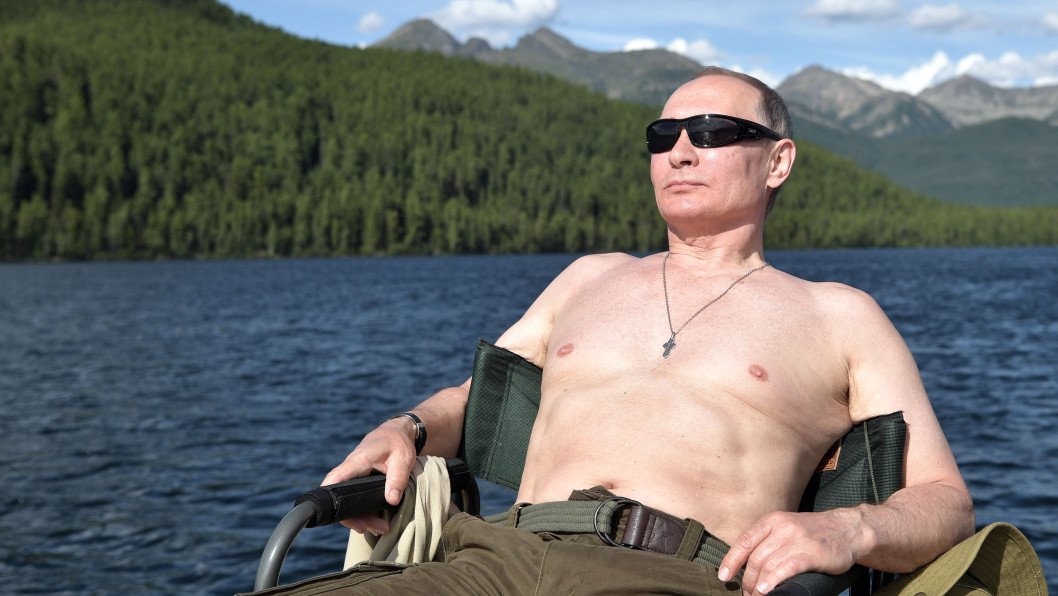
Putin, who is 73, has spent decades projecting physical vigor—hunting shirtless, playing hockey, and riding motorcycles in staged displays of stamina. The preoccupation with bodily decline nonetheless shapes his conduct in concrete terms.
-855b4f7497419ec38e08f7105693eba7.jpg)
During the COVID pandemic, he imposed disinfection tunnels and lengthy quarantine requirements for visitors; his famously elongated meeting tables became symbols of both political distance and germophobia.
A previous personal physician, Vladimir Khavinson, dubbed "Putin's gerontologist" by Russian media and awarded one of Russia's highest state honors for his work on peptide-based anti-aging therapies, expressed his goal as prolonging the life of a leader whose death would throw Russia into crisis. Khavinson died in 2024, at 77.
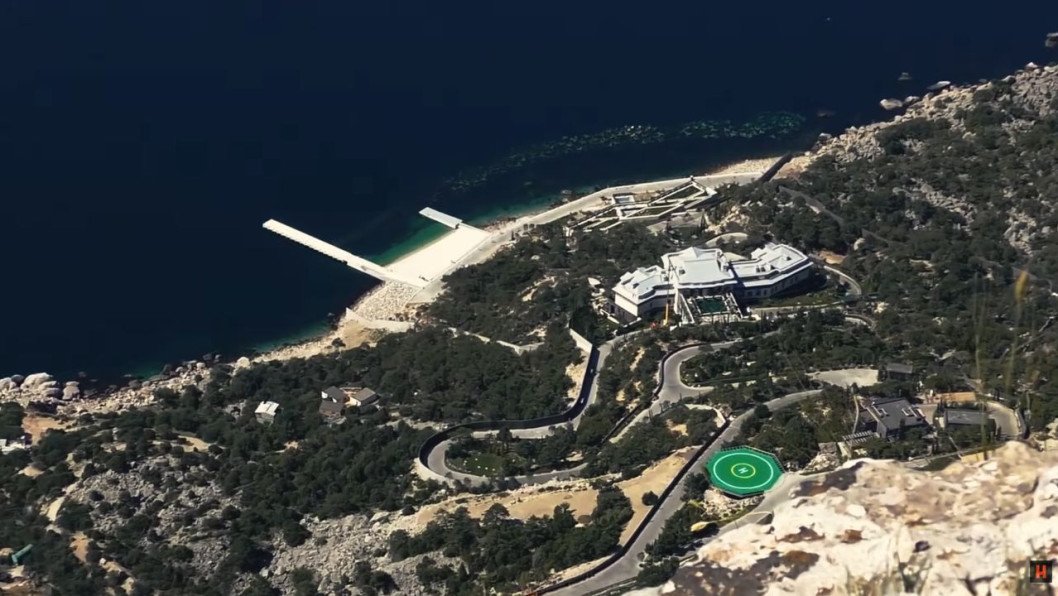
That preoccupation with survival has also expressed itself in the physical security domain. In recent months, Putin abandoned his regular residences in the Moscow region and Valdai, relocating to fortified bunker facilities in Russia's Krasnodar region amid reported concerns over drone threats and internal coup plots.
Security protocols around the presidential administration have been tightened across the board, with periodic communication blackouts imposed in Moscow and strict controls placed on all personnel granted direct access to the Russian leader.
Discuss this article:
-4a56a6b482ec132402c16ef6fcabf9a2.png)

-c439b7bd9030ecf9d5a4287dc361ba31.jpg "Photo of Katherina Popilnichenko")