- Category
- Latest news
Russia Drafts Massive Protected Zone Around Putin’s Sochi Residence
 Prefer U24 Media on Google
- Authors

-111f0e5095e02c02446ffed57bfb0ab1.jpeg "Photo of Roman Kohanets")
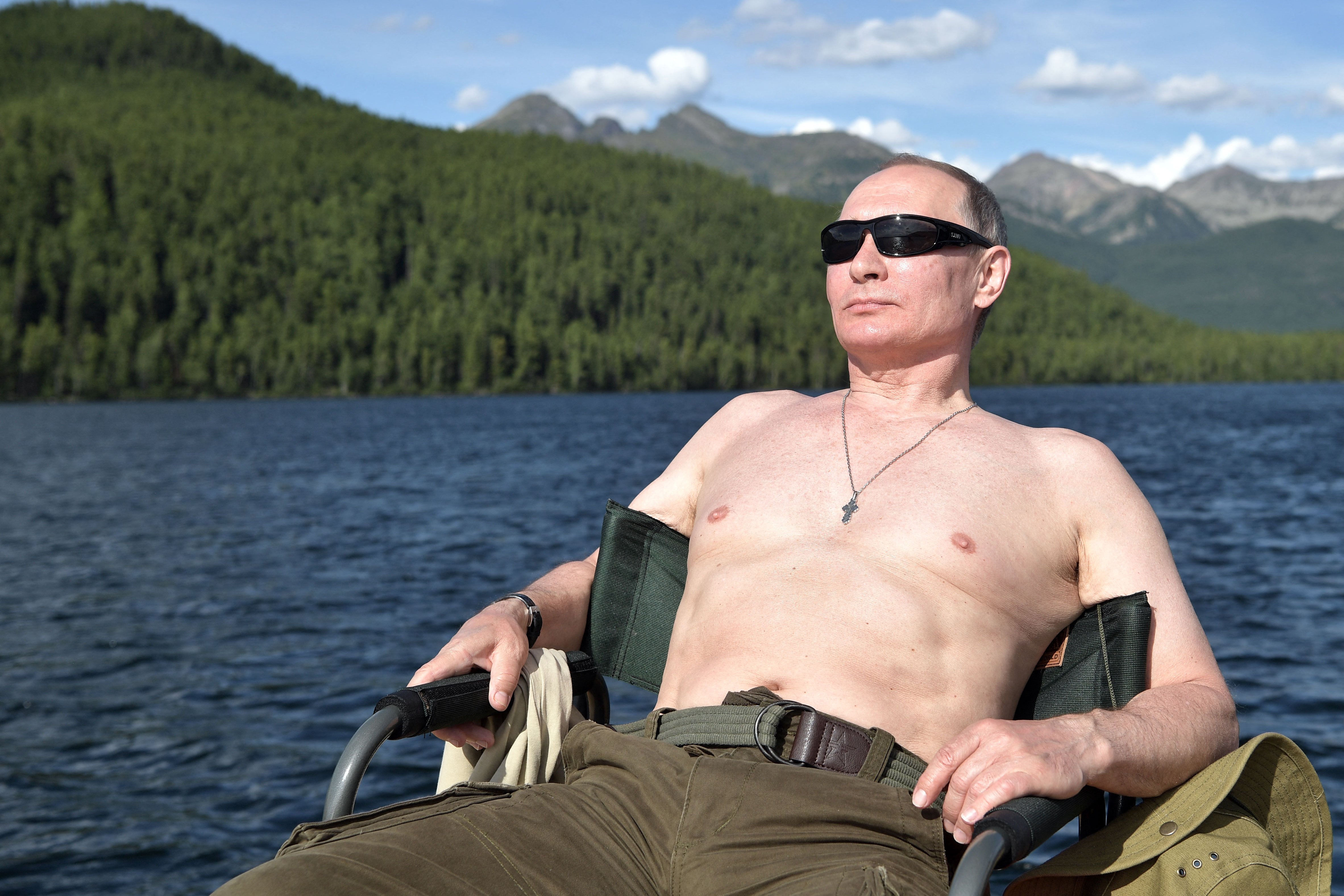
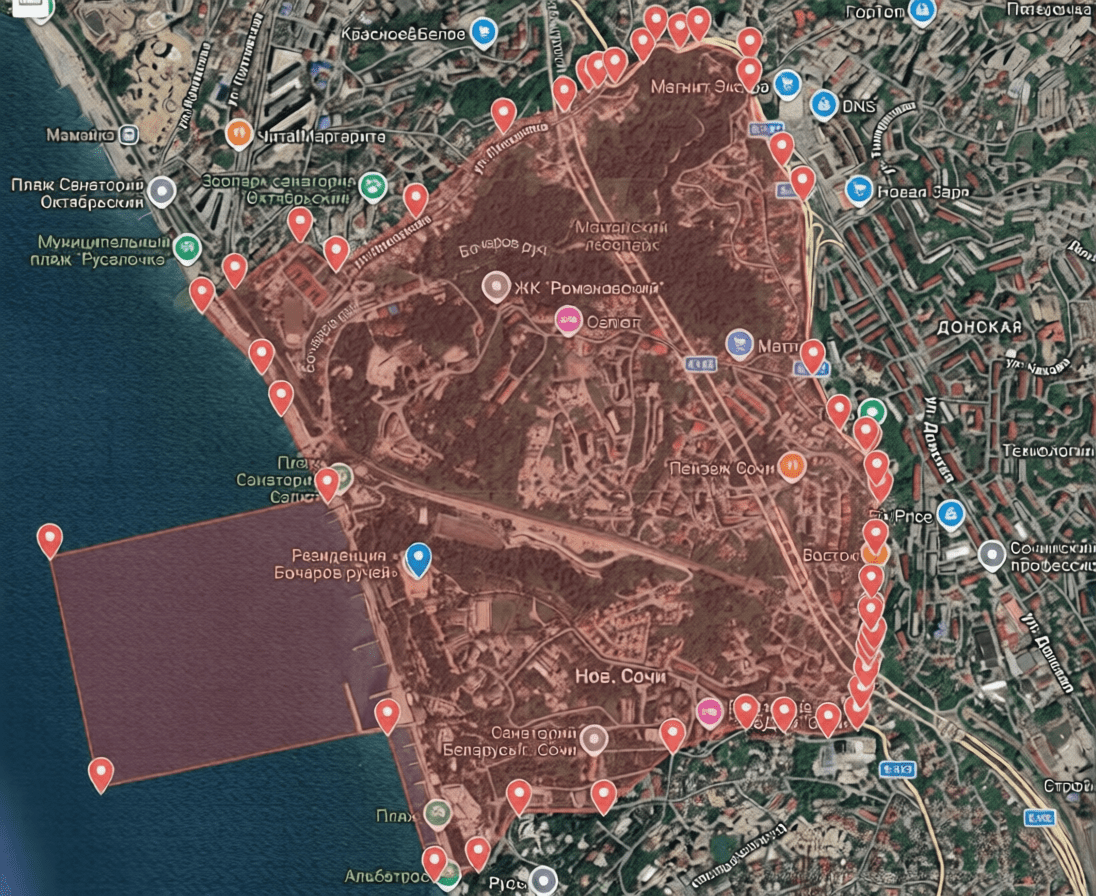
Russia’s Federal Protective Service has proposed a new protected zone covering more than three square kilometers around Putin’s Bocharov Ruchey residence in Sochi, according to Agenstvo on March 13.
The draft order, published on Russia’s legal acts portal, would establish a security perimeter around the residence of the Russian leader, Vladimir Putin, on land and at sea.
We bring you stories from the ground. Your support keeps our team in the field.
The Russian outlet reported that the boundaries were outlined using coordinates listed in the document and plotted on a map.
The proposed zone would impose broad restrictions on activity in the surrounding area.
The draft would ban drone flights of any weight class, most anchoring of water transport, the construction of helipads, vehicle and motorcycle repairs, animal breeding, waste dumping, and the placement of banner-style signs.
The document would also prohibit shooting ranges, indoor firing venues, paintball and airsoft clubs, and “other organizations, including schools,” that use items “externally resembling weapons,” Agenstvo reported.
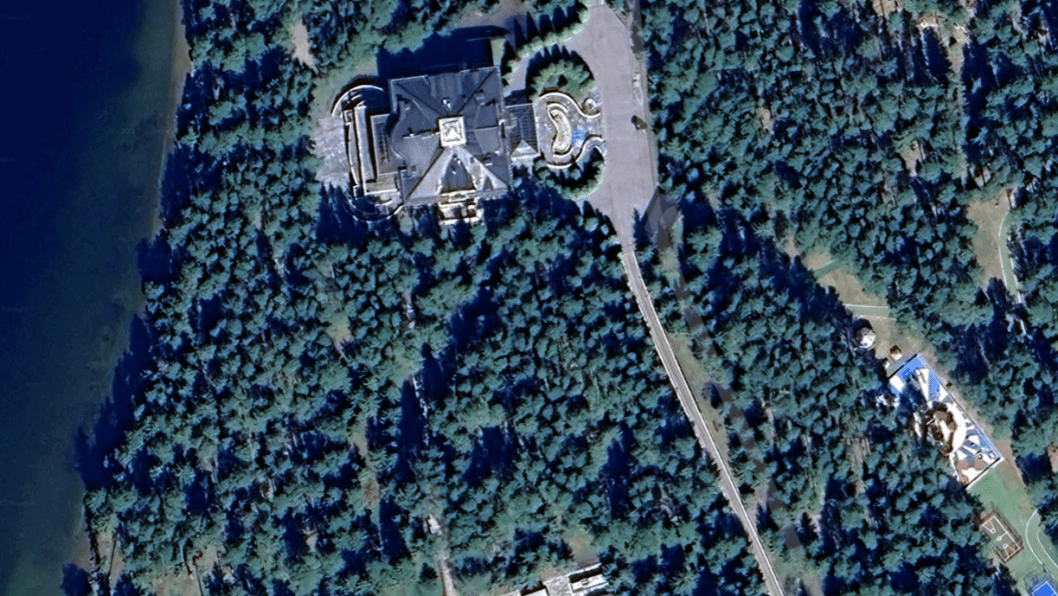
The outlet noted that the Federal Protective Service submitted five similar draft orders alongside the Sochi proposal, including four covering other sites in Sochi and one tied to the Sosnovy Bor government residence in Kislovodsk.
Bocharov Ruchey is located in a busy part of Sochi near residential buildings, sanatoriums, and public beaches.
Agenstvo noted that similar protected zones were established around Putin’s residences in Novo-Ogaryovo, Valdai, and the Kaliningrad region between 2023 and 2025, while drone attacks on Sochi have increased since the start of 2026.
The proposal also comes amid signs that Russian officials are expanding personal security measures beyond the Kremlin’s inner circle.
The surge in personal security spending by Russian regional leaders points to a wider climate of fear among officials as militarization deepens across the country.
Contracts worth millions for bodyguards and protection services suggest local elites increasingly expect instability to reach well beyond the battlefield.
-222662c43962f6cc5a016fe965f7a4cb.jpg)
Taken together, the purchases offer another sign that the war’s pressure is no longer confined to the front, but is feeding anxiety inside Russia’s own political structure.
As militarization spreads, regional leaders appear to be fortifying themselves against the consequences of the environment they helped build.
Recent incidents near high-profile state residences have also underscored the shifting security environment.
A drone-related fire burned for four days near the Russian leader, Vladimir Putin’s Black Sea residence in Krasnodar region, highlighting how strikes are reaching areas once considered insulated from the war.
Discuss this article:
-4a56a6b482ec132402c16ef6fcabf9a2.png)