- Category
- War in Ukraine
Telegram Scams Are Becoming Harder to Spot. Here’s How to Stay Safe
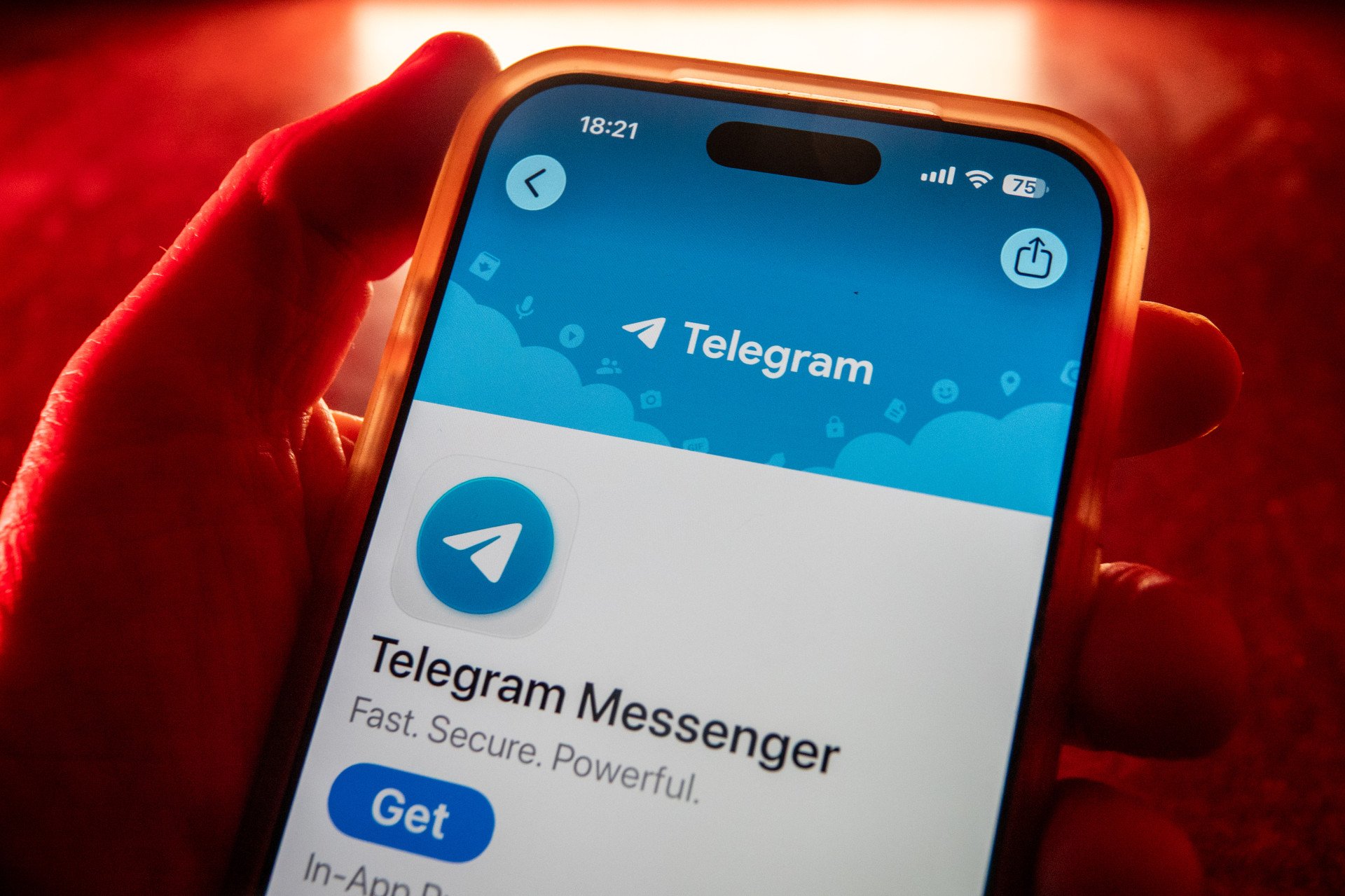
With more than one billion monthly users, Telegram has become one of the world’s most popular messaging apps—and an increasingly attractive platform for scammers. Here’s how to recognize the most common threats and protect yourself from them.
 Prefer U24 Media on Google
- Authors


Telegram is a popular cloud-based messaging app founded by Russian-born tech entrepreneur Pavel Durov. More than one billion people now use it to communicate, follow the news, and manage businesses. Its encrypted messaging, public channels, and flexible account system have helped make it one of the world's fastest-growing messaging platforms.
However, the app has also been the subject of controversy. Durov has repeatedly faced accusations of cooperating with Russian authorities, while Russian officials have both targeted and relied on Telegram. At one point, Russia’s Federal Security Service (FSB) accused Durov of facilitating terrorist activity and placed him on the wanted list. But at the same time, Telegram remains one of the main communication platforms used by Russian politicians, state actors, military forces, and cybercriminal groups.
This mix of popularity, accessibility, and limited moderation has also made Telegram an attractive environment for scams. Unlike many social media platforms, creating convincing fake accounts, bots, or channels requires little effort. Combined with the platform’s enormous global audience of more than one billion users, this gives fraudsters access to millions of potential victims.

Thinking about leaving Telegram? Read our guide on how to permanently delete your Telegram account. If you need to keep using the app, understanding how these scams work can help you avoid losing your money—or your account.
The most common Telegram scams
Scammers constantly change their tactics, but most Telegram fraud falls into a handful of recognizable categories.
Fake channels and groups
One of the most common scams starts with a fake Telegram channel.
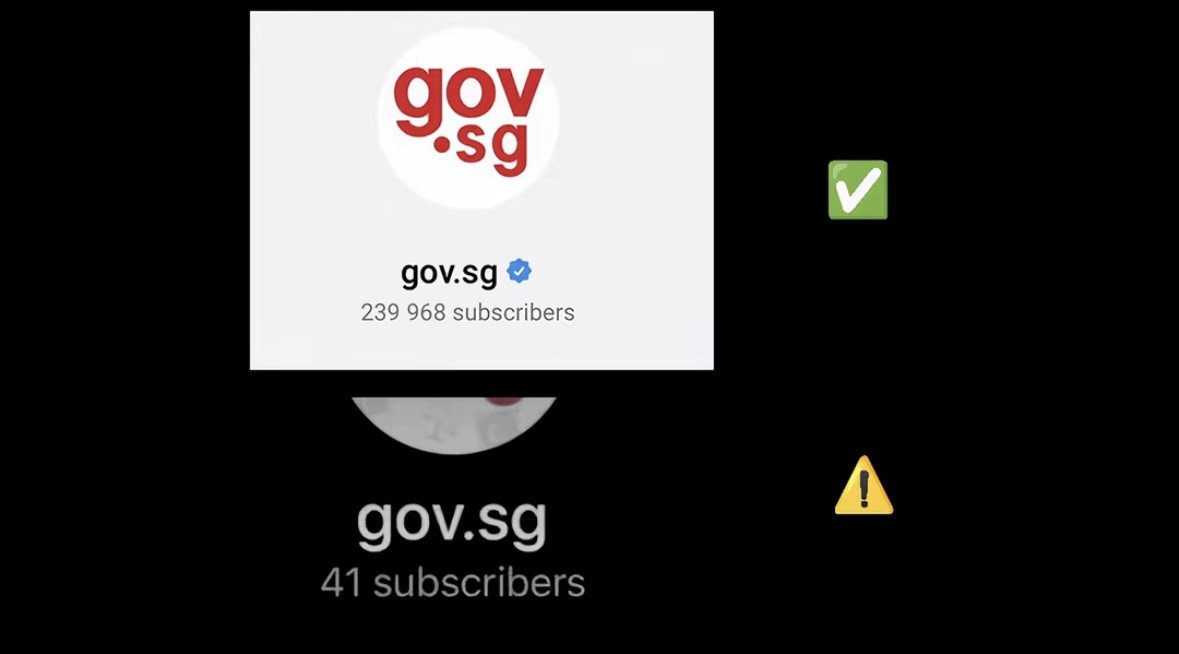
Fraudsters create channels that closely resemble legitimate companies, cryptocurrency projects, media outlets, or public figures. They copy profile pictures, names, and previous posts to make the channel appear authentic. Some even disable comments to make it look more official and prevent users from warning others. The goal is usually to direct people toward fake giveaways, fraudulent investment opportunities, or phishing websites designed to steal passwords and financial information.
To stay safe, you should verify that the channel is linked from an official website. Be suspicious of channels promising guaranteed profits or exclusive offers. Double-check usernames—even a single extra character can indicate a fake account.


Phishing attacks
Many Telegram scams begin with what appears to be a routine message. A user might receive a notification claiming there’s a problem with their account, an urgent security alert, or an exclusive opportunity that requires immediate action. The message contains a link to what appears to be a legitimate login page.
In reality, the website is controlled by scammers. Any password, verification code, or personal information entered is immediately stolen. Some attacks are carried out by bots that impersonate customer support for banks, technology companies, or cryptocurrency exchanges, making the conversations appear surprisingly convincing.
Cryptocurrency scams
Telegram has become one of the internet’s largest cryptocurrency communities—and scammers know it.
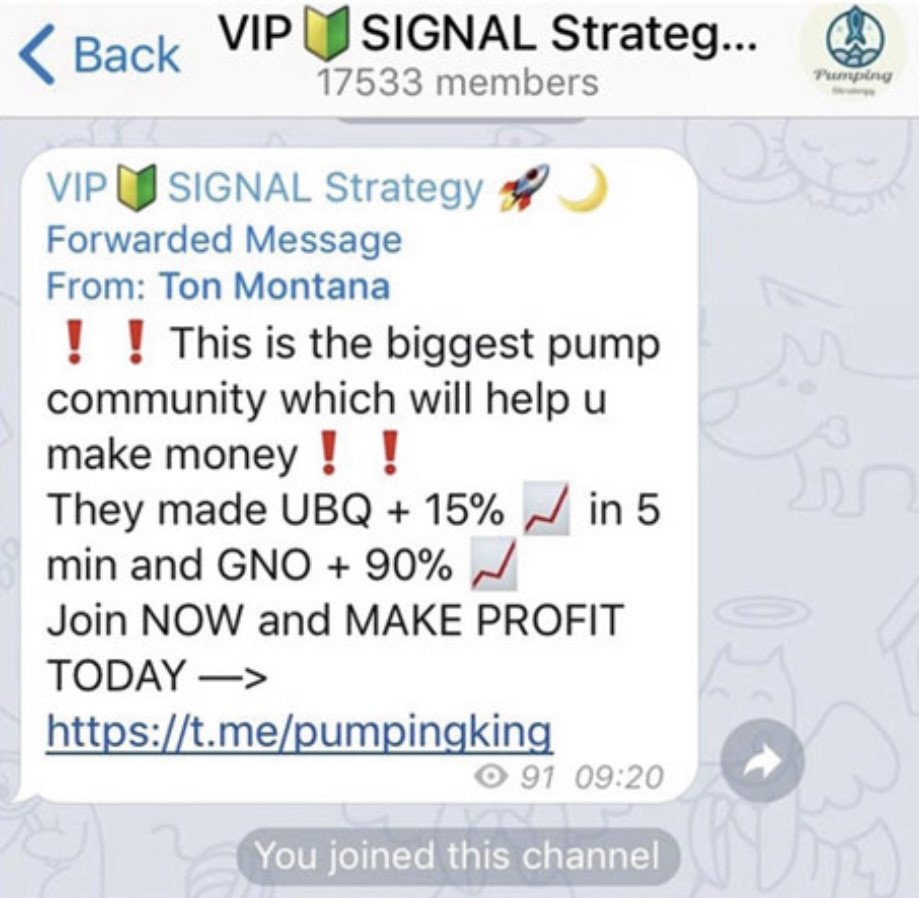
Fraudsters promise guaranteed returns, early investment opportunities, or insider information about new digital assets. Victims are often shown fake dashboards displaying impressive profits before being encouraged to transfer money or cryptocurrency.
Another common tactic is the so-called “pump-and-dump” scheme. Organizers persuade members of a Telegram group to buy a little-known cryptocurrency, artificially driving up its value. Once the price rises, organizers sell their own holdings, causing the market to crash and leaving everyone else with significant losses.
Impersonation scams
Some fraudsters pretend to be someone the victim already trusts—a colleague, family member, or friend. After taking over the victim's Telegram account through phishing or stolen verification codes, they may use AI-generated videos featuring the victim's face and voice to ask friends or relatives for money.
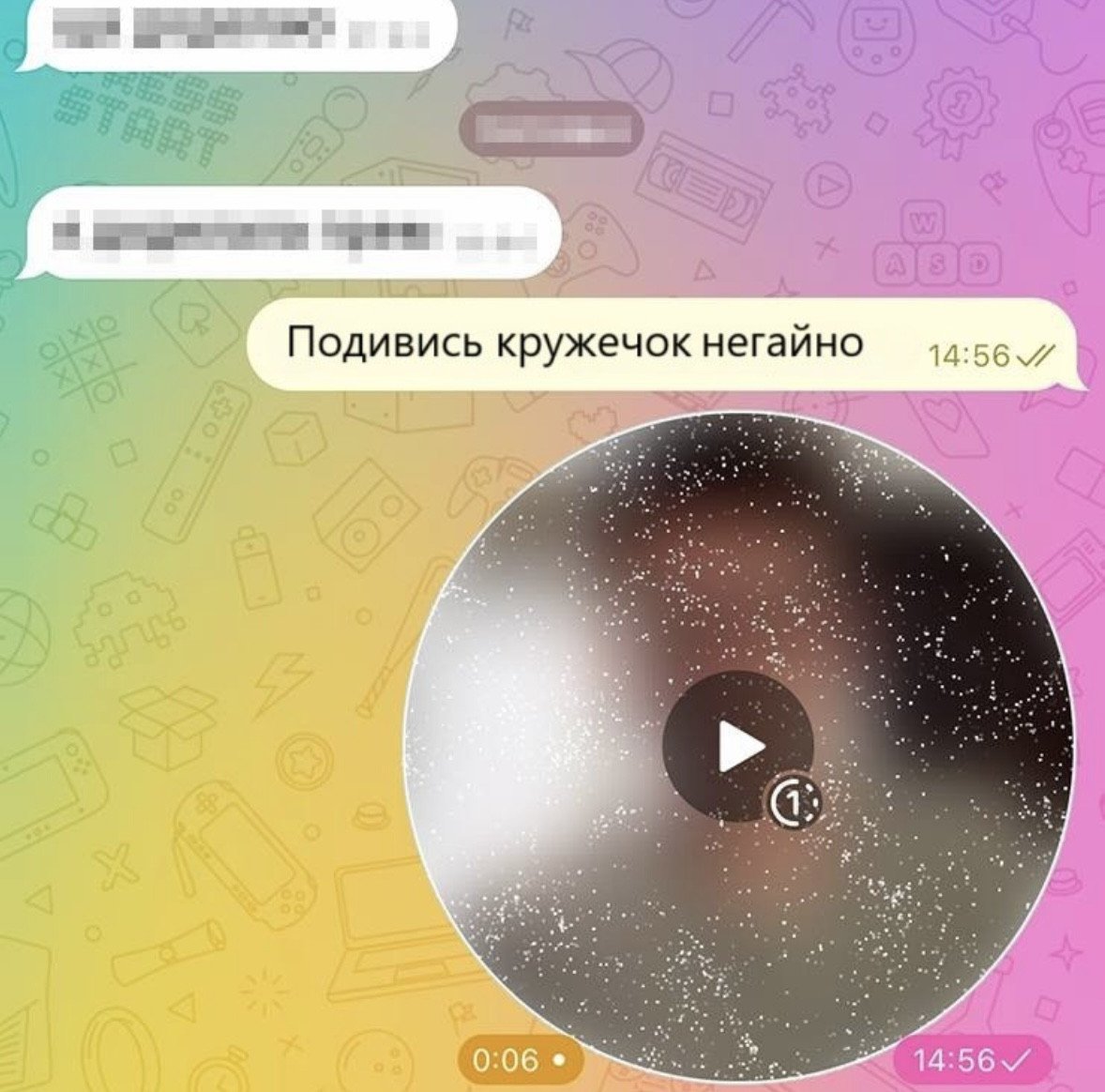
Others pose as customer support representatives, claiming there’s an issue with an account that requires immediate attention. Their goal is usually the same: to gain your trust before asking for money, passwords, or other sensitive information. Telegram explicitly warns users never to share one-time verification codes.
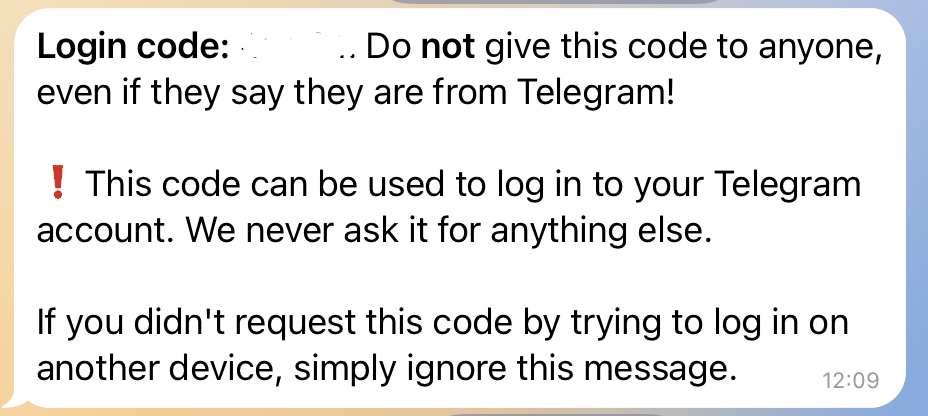
Likewise, legitimate companies will not ask for passwords or verification codes through Telegram.
Fake job offers
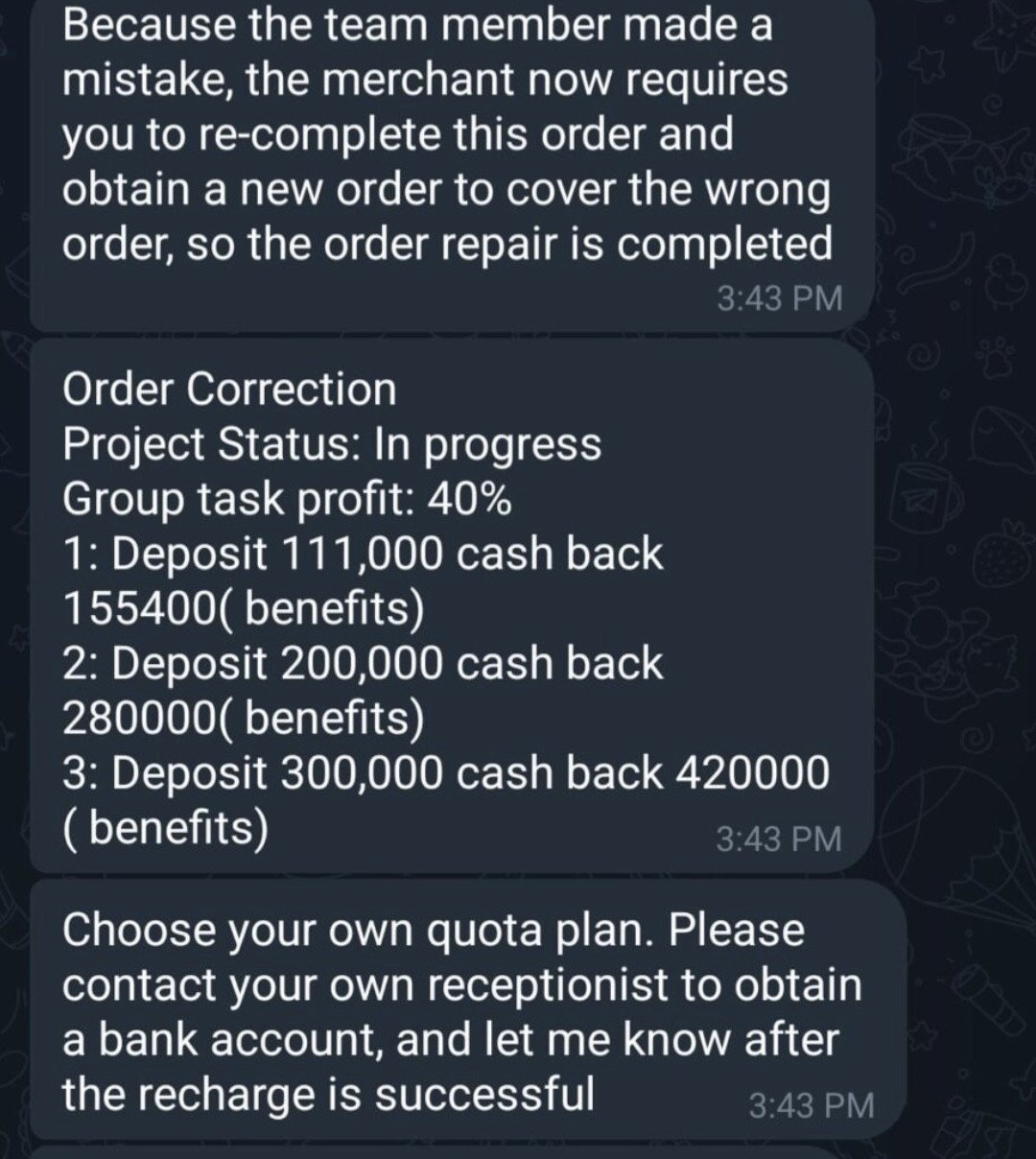
Telegram has also become a popular platform for fake job scams. Scammers impersonate recruiters and advertise well-paid positions that require little or no experience.
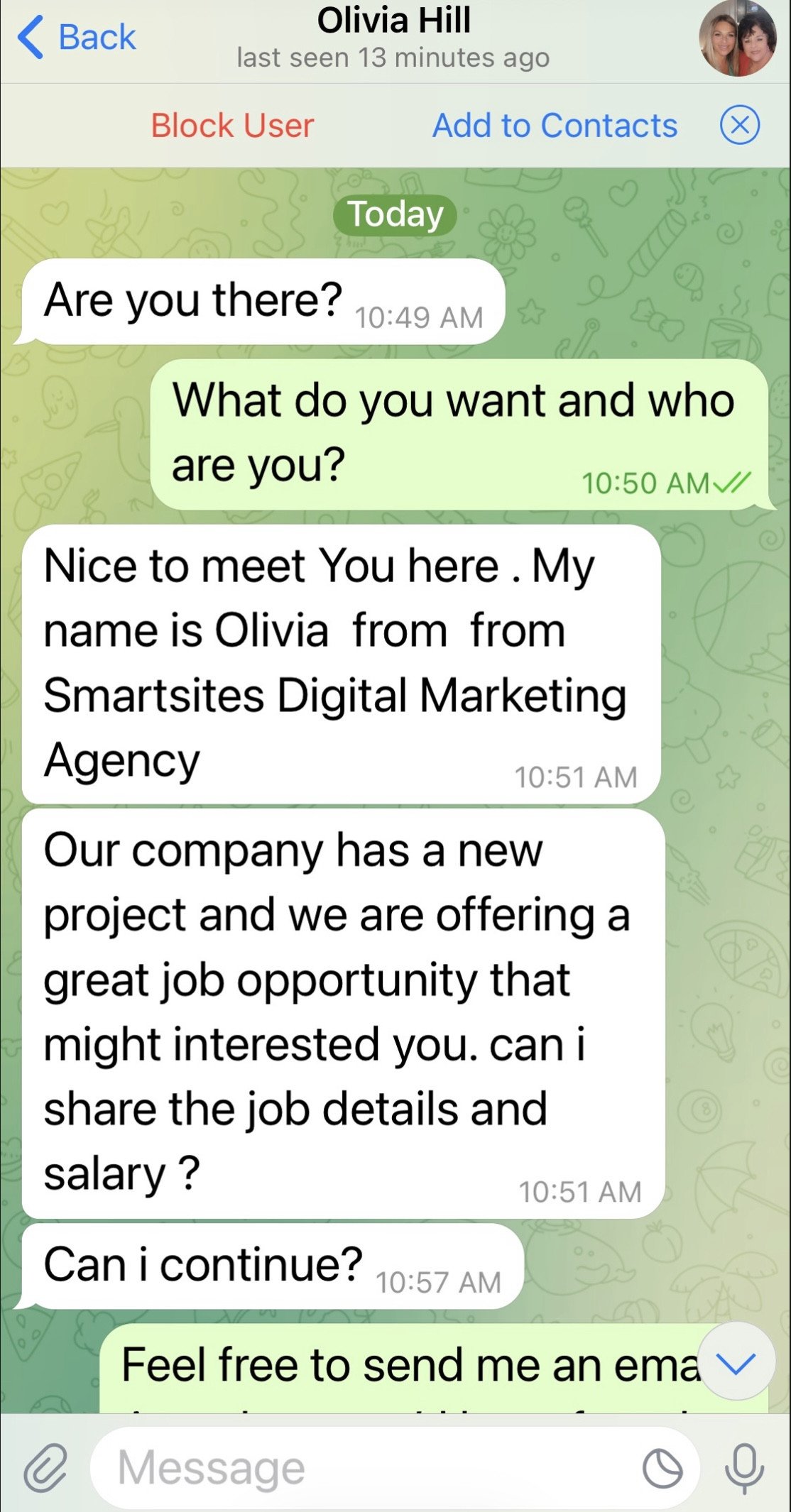
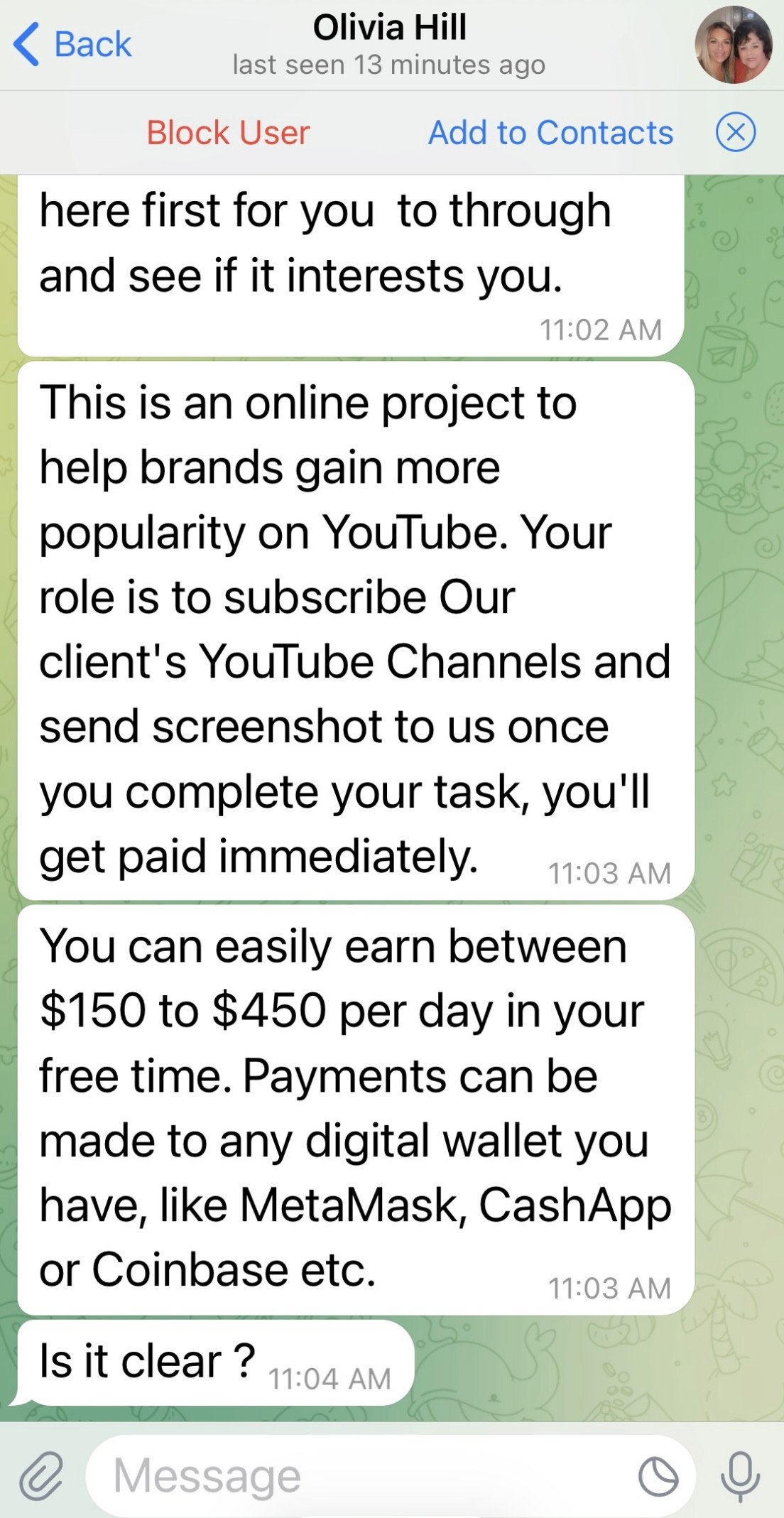
The company explicitly warns that scammers have been impersonating its representatives on Telegram and WhatsApp and offering fake job opportunities. It also states that it does not recruit through Telegram, WhatsApp, or Facebook Messenger.
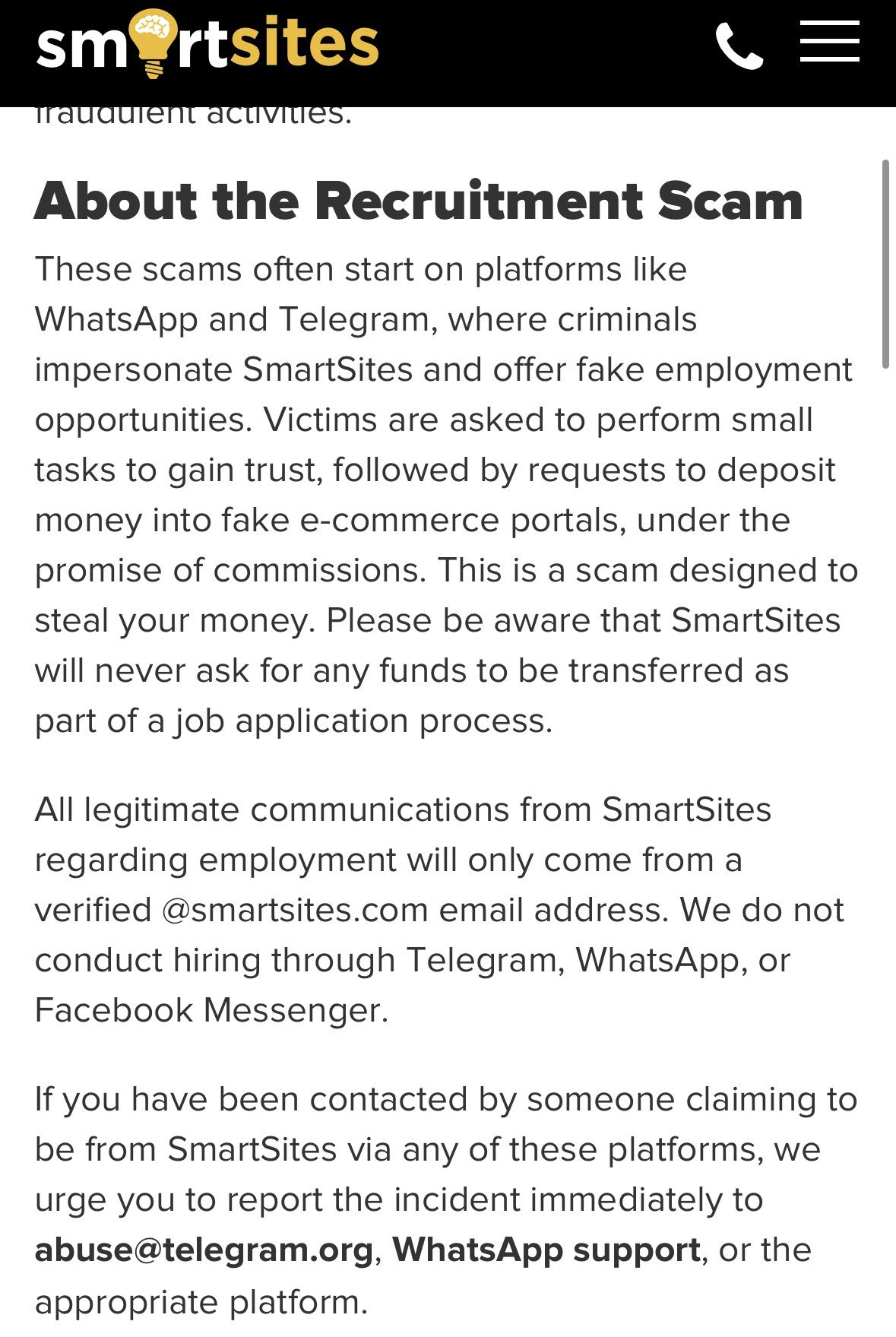
After gaining a victim's trust, they may request payments for training materials or ask for an upfront deposit, despite the fact that no job actually exists. In other cases, the application process is simply a way to collect personal information for identity theft.
How to tell if a Telegram account is fake
No single warning sign proves that an account is fraudulent, but several patterns appear repeatedly. Be cautious if someone:
contacts you unexpectedly;
has a username with unusual spelling, extra characters, or a name that closely imitates a legitimate account;
has little or no account history, few posts, or was recently created;
pressures you to act immediately;
promises guaranteed profits;
asks for passwords or verification codes;
directs you to a website outside the company's official channels.
If something feels suspicious, stop the conversation and verify the information independently.
Russia uses Telegram for recruitment
Financial scams are not the only threat on Telegram. The platform has also become a tool in Russia’s war against Ukraine.
European investigators and Ukrainian officials have repeatedly warned that Russian intelligence services use Telegram to recruit people abroad for sabotage operations. Since the beginning of 2026, these efforts have intensified across the European Union. Recruiters typically disguise their activities as offers for “easy side jobs” or “simple technical work,” promising stable pay and a flexible schedule.
According to investigative journalists, operatives are offered between $1,500 and $3,000 to set fire to NATO military equipment, Ukrainian organizations, and critical infrastructure. In Latvia, undercover reporters received an offer of $3,000 to burn down the office of the Viche Confederation of Ukrainian Communities in Riga. The recruiter even provided photographs of the building, together with footage from an earlier reconnaissance of the location.
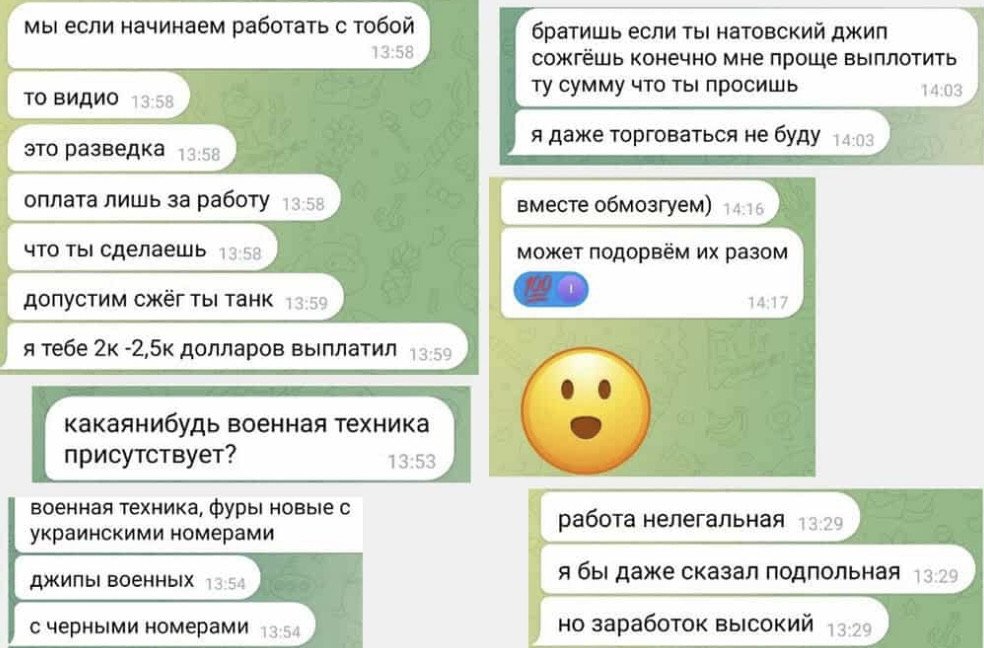
Similar offers have also been documented in Poland. There, targets included vehicles with Ukrainian license plates, locomotives, mobile communication base stations, and Ukrainian aid collection centers. Investigators estimate that since the beginning of 2026, Telegram has hosted more than 20 million advertisements seeking people willing to carry out such missions. Most of them were published through disposable accounts registered with phone numbers from India, Iran, and several Arab countries.
Telegram has also been used to attract foreigners to fight for Russia in Ukraine. International investigations have identified private channels advertising military contracts, promising high salaries and simplified enlistment procedures.
How to protect yourself
Most Telegram scams rely on creating a false sense of urgency. Taking a few minutes to verify an account or message can prevent significant financial losses.
Here are a few simple ways to improve your security:
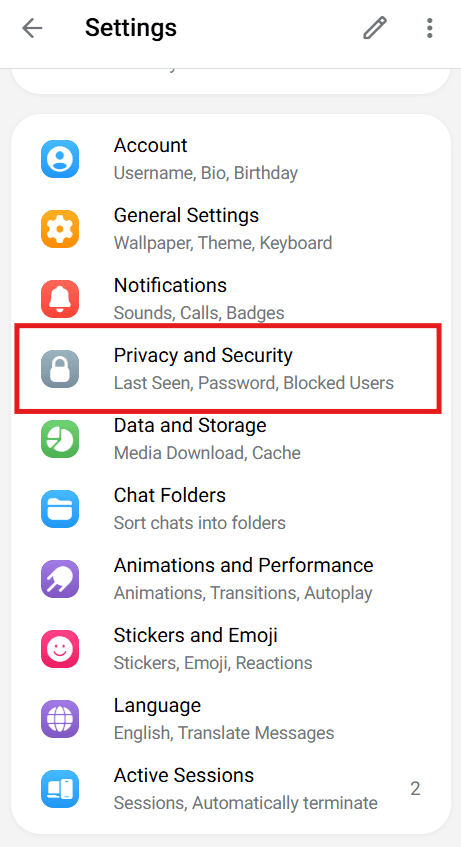
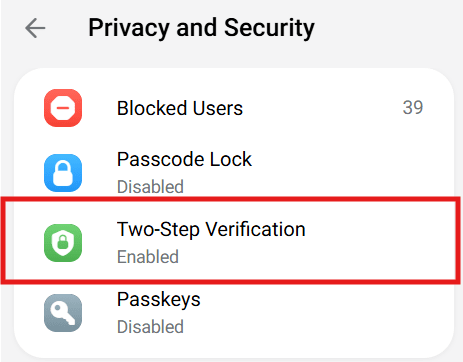
Enable two-step verification for your Telegram account. Open Settings, go to Privacy and Security, and tap Two-Step Verification. If it's turned off, switch it on;
Never share passwords or verification codes through chat;
Verify companies and public figures through their official websites;
Avoid clicking links sent by unknown users. If known users act suspiciously, don't disregard this feeling, especially if they are sending links;
Review your privacy settings and limit who can see your phone number, add to groups, call you, see when you were online;
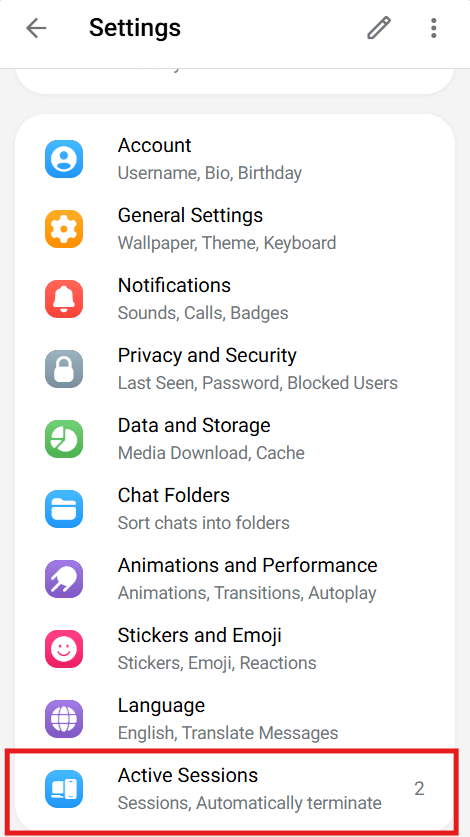
Regularly review active sessions and terminate unfamiliar logins;
Keep Telegram updated to the latest version.
What to do if you get scammed
If you think you've become the victim of a Telegram scam, act immediately. Stop communicating with the scammer. Change any passwords that may have been compromised and report the fraudulent account to Telegram. To do this, open the user's profile or chat, tap the three-dot menu, select Report, choose Scam, and block the user. If financial information has been exposed, contact your bank.
Depending on where you live, you should also report the incident to your local cybercrime authority or law enforcement agency. Acting quickly may help limit the damage and prevent your information from being used in future attacks.
Discuss this article:





-111f0e5095e02c02446ffed57bfb0ab1.jpeg "Photo of Roman Kohanets")

-72b63a4e0c8c475ad81fe3eed3f63729.jpeg "Photo of Cyril Barabaltchouk")