- Category
- World
Do You Play Video Games? Russian Intelligence May Be Recruiting You, Especially in Africa
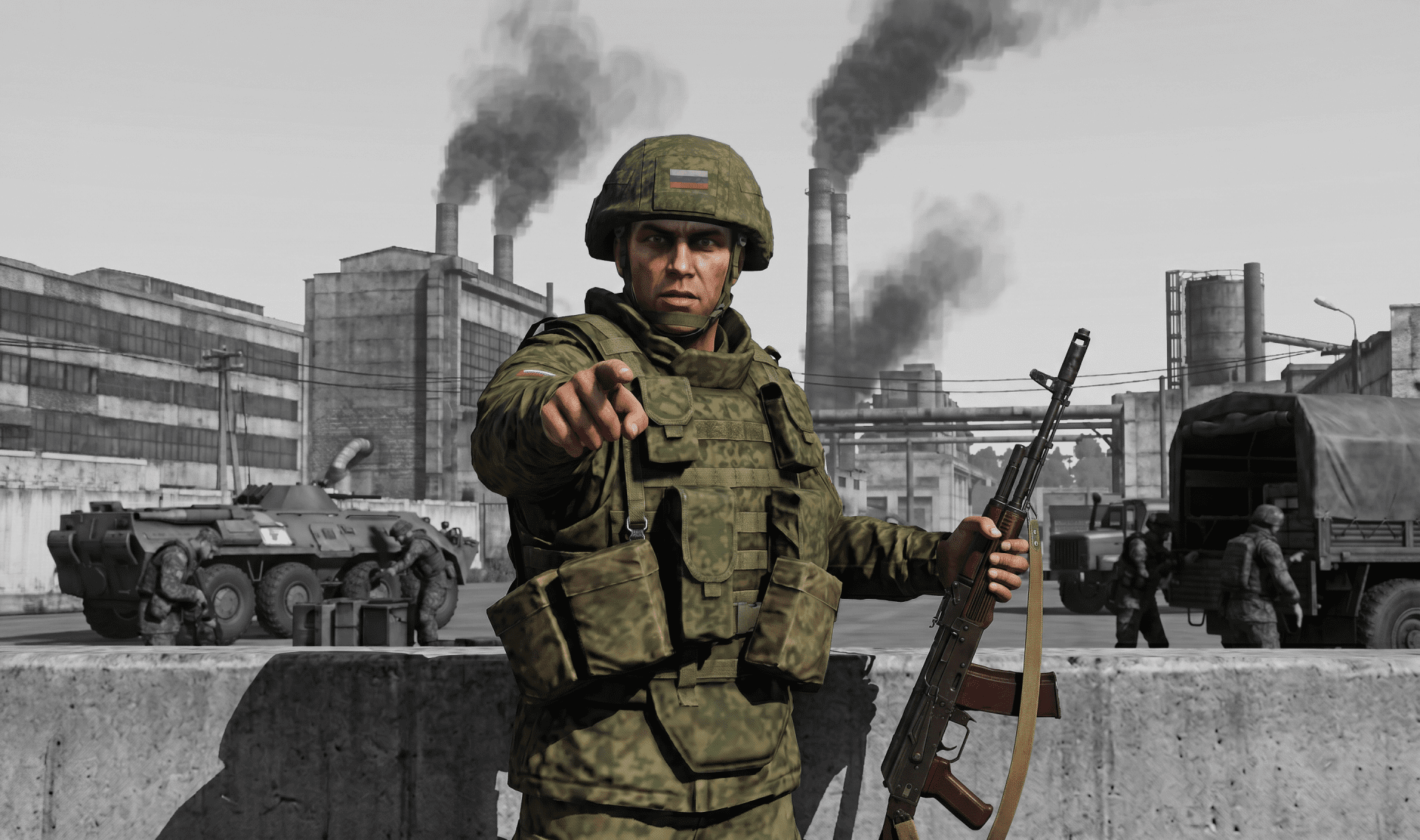
Video games have long ceased to be just entertainment—today they are digital worlds where communities, ideologies, and trust are formed. But alongside millions of players, there are also those who use these spaces not for gaming, but for influence. From Discord chats and live streams to war mods and virtual simulations of real conflicts, recruitment can begin unnoticed, right in the middle of an ordinary game.
 Prefer U24 Media on Google
- Authors


Since 2022, Russia has recruited more than 18,000 foreign nationals from 128 countries through scam centers, private entities, diplomatic and cultural channels, social networks and messengers, and even computer games.
We bring you stories from the ground. Your support keeps our team in the field.
In July 2024, two young citizens of the Republic of South Africa went to fight on the side of the Russian Federation after communicating with a recruiter on Discord while playing Arma 3 . The young men were promised money, Russian citizenship, and education. Just a few weeks after signing a contract near Saint Petersburg, one of them was killed in the Luhansk region.
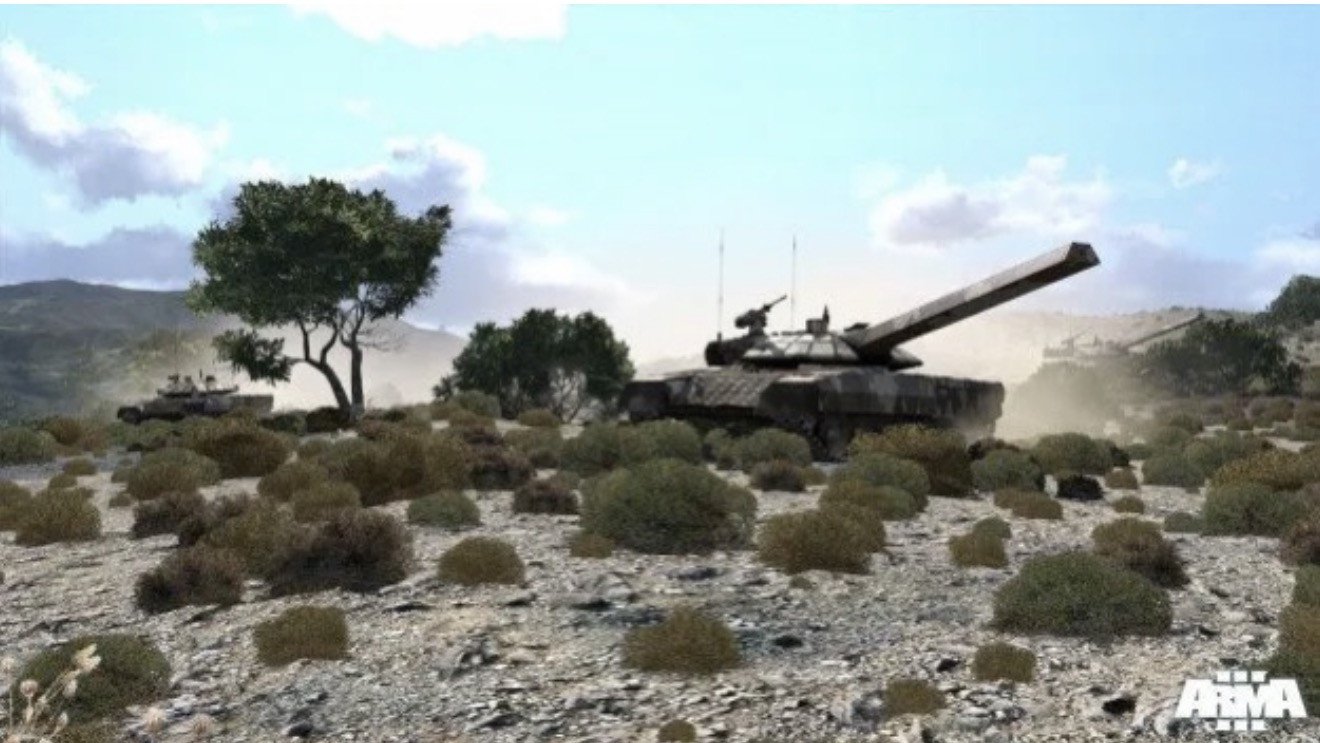
The point is that for local audiences on the African continent, Russian structures are promoting gaming scenarios based on Hearts of Iron IV and related modifications, in particular African Dawn, created with the support of the "African Initiative ," as well as content circulating under the name L'Aube Africaine.
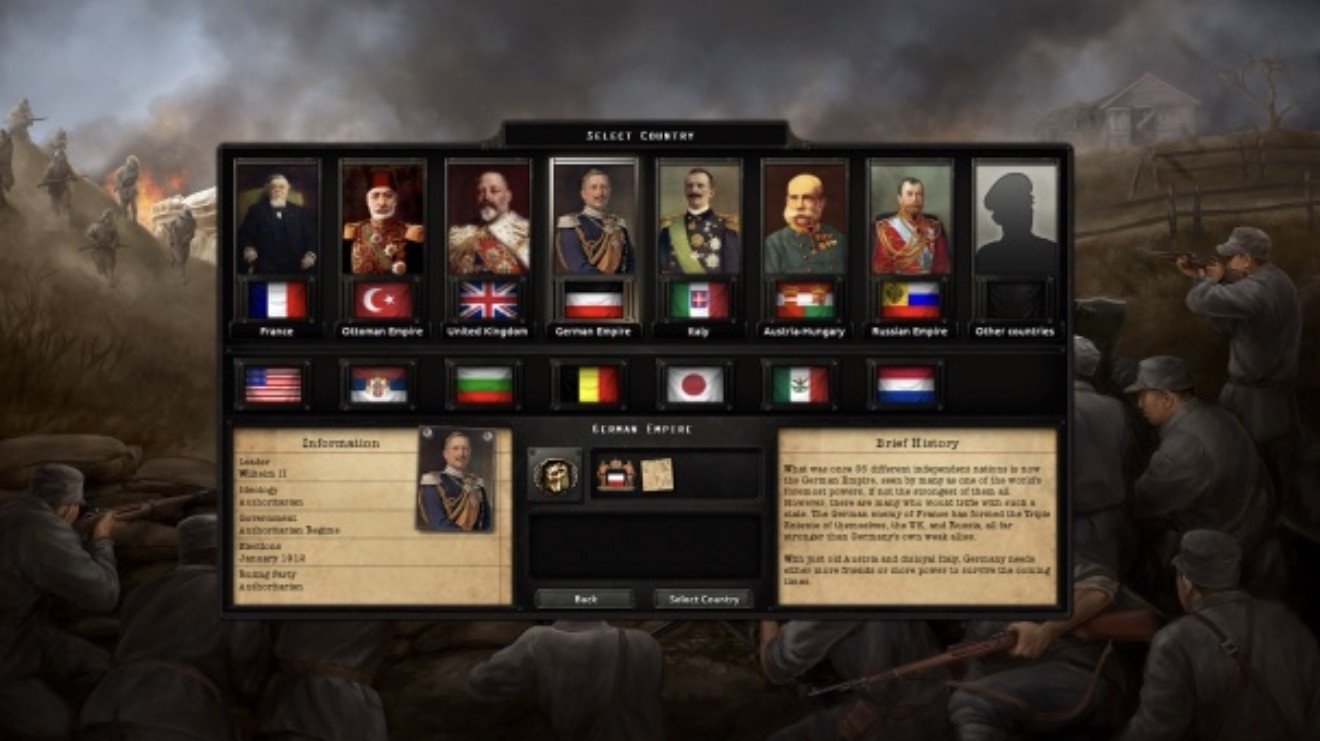
In these projects, Russia is presented as a “liberator” from colonialism, while Western states are portrayed as enemies. Russia’s private military companies, like Wagner PMC—notorious for brutal attacks and human rights violations across several African countries—in turn, are romanticized and legitimized.
Such campaigns involve loyal bloggers and streamers such as Grigory Korolyov, also known as GrishaPutin, who simultaneously raises funds for the needs of the Russian army, whose activities we previously reported on.
“Games are the most effective way to communicate with youth in Africa,” said the creators of the mod. It is through gaming communities that players are being pushed the idea of a “heroic participation” in war, presenting real combat operations as the “next level” of game progression.
How Russia uses video games to shape minds
Modern video games are no longer just fictional worlds or story-based narratives. They are full-fledged social ecosystems with their own communication channels, information exchange, and constant player interaction. In fact, this is a separate environment in cyberspace where communities, connections, and even certain types of thinking and behavior are formed.
This is especially noticeable in games that simulate the collapse of real states. People with already formed views often come to them, but such scenarios also influence their worldview. They exist on the borderline of socially acceptable behavior and can fuel anti-system sentiments. This is exactly the effect Russia exploits.
Through such games, it not only shapes players' desired attitudes but also creates an environment of potential loyalty. This does not only concern conscious agents. It also involves those who may later, even unintentionally, support information operations.
The mechanism itself is quite simple. Developers or operators closely monitor players’ behavior—not who wins, but how a person makes decisions. This makes it possible to understand how prone they are to radical actions, how they react to crises, and whether they are ready to go beyond the rules. In fact, the game becomes a tool for collecting data that is difficult to obtain even from social networks.
And it doesn’t stop there. Tasks are gradually made more complex and harsher to filter out those who hesitate and identify the most determined. Such players may later become targets for further influence or even recruitment.
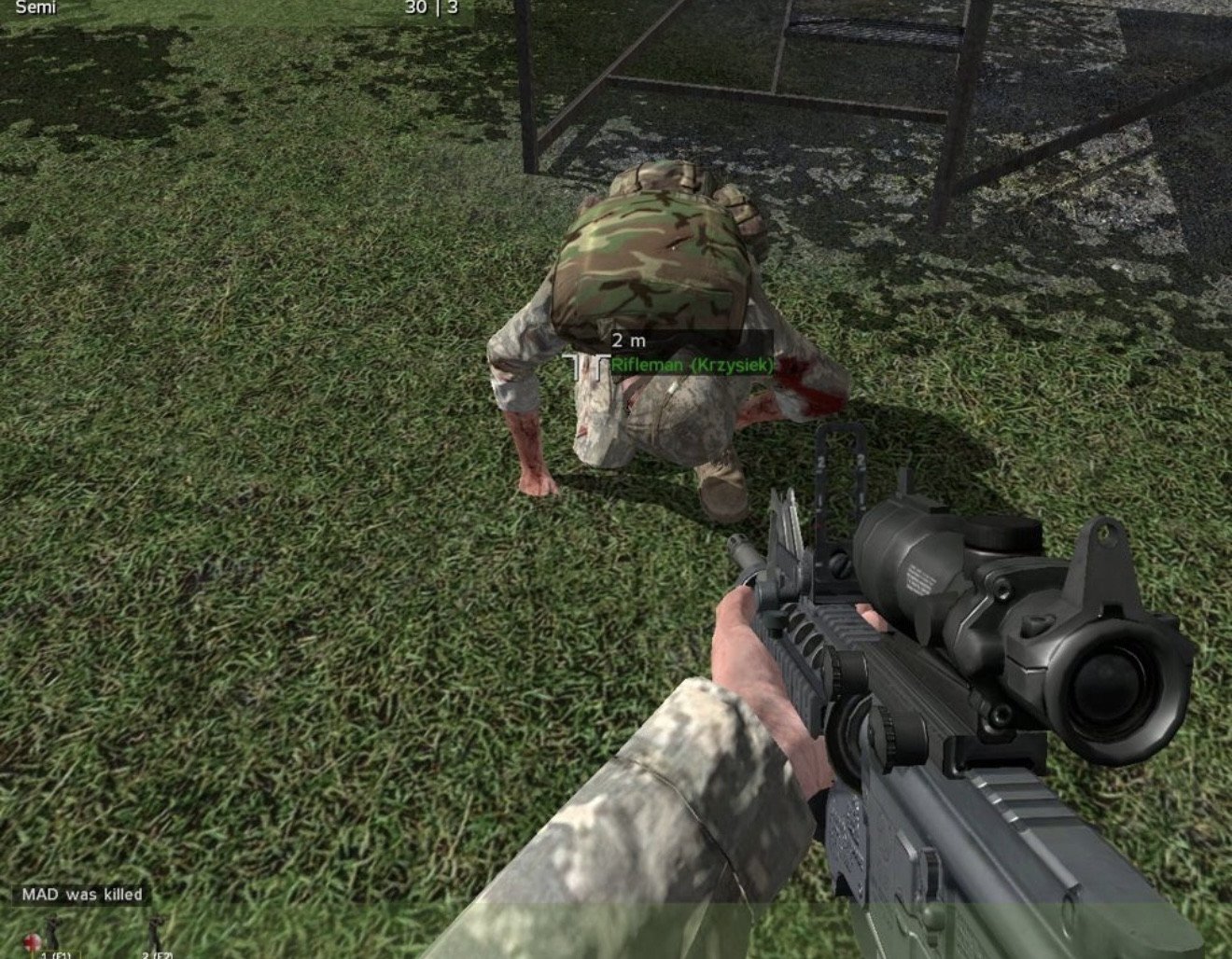
The effectiveness of this is reinforced by the very nature of games. They provide strong emotional engagement through victories, defeats, and reward systems. This directly affects thinking, especially among young people who may feel isolated. Success in the game, reinforced by dopamine-based stimuli, creates a sense of confidence that is easily transferred into real life.
This is precisely why games are so popular. For example, Arma 3 has around 20 million users worldwide, with a daily concurrent player count of about 10,000. The exact number of players or downloads of the African Dawn modification is not disclosed in open sources. At the same time, about 64% of the Hearts of Iron IV player base uses mods, indicating the potentially significant reach of such content.
The case of GrishaPutin
GrishaPutin is actively promoting this approach among his audience on Twitch, YouTube, and VKontakte . His activities go far beyond ordinary streams and are closely connected to Russian military structures.In particular, he is linked to the Wagner Group. He conducts broadcasts from their facilities in Saint Petersburg and promotes games associated with this network, as well as with the “African Initiative” platform.
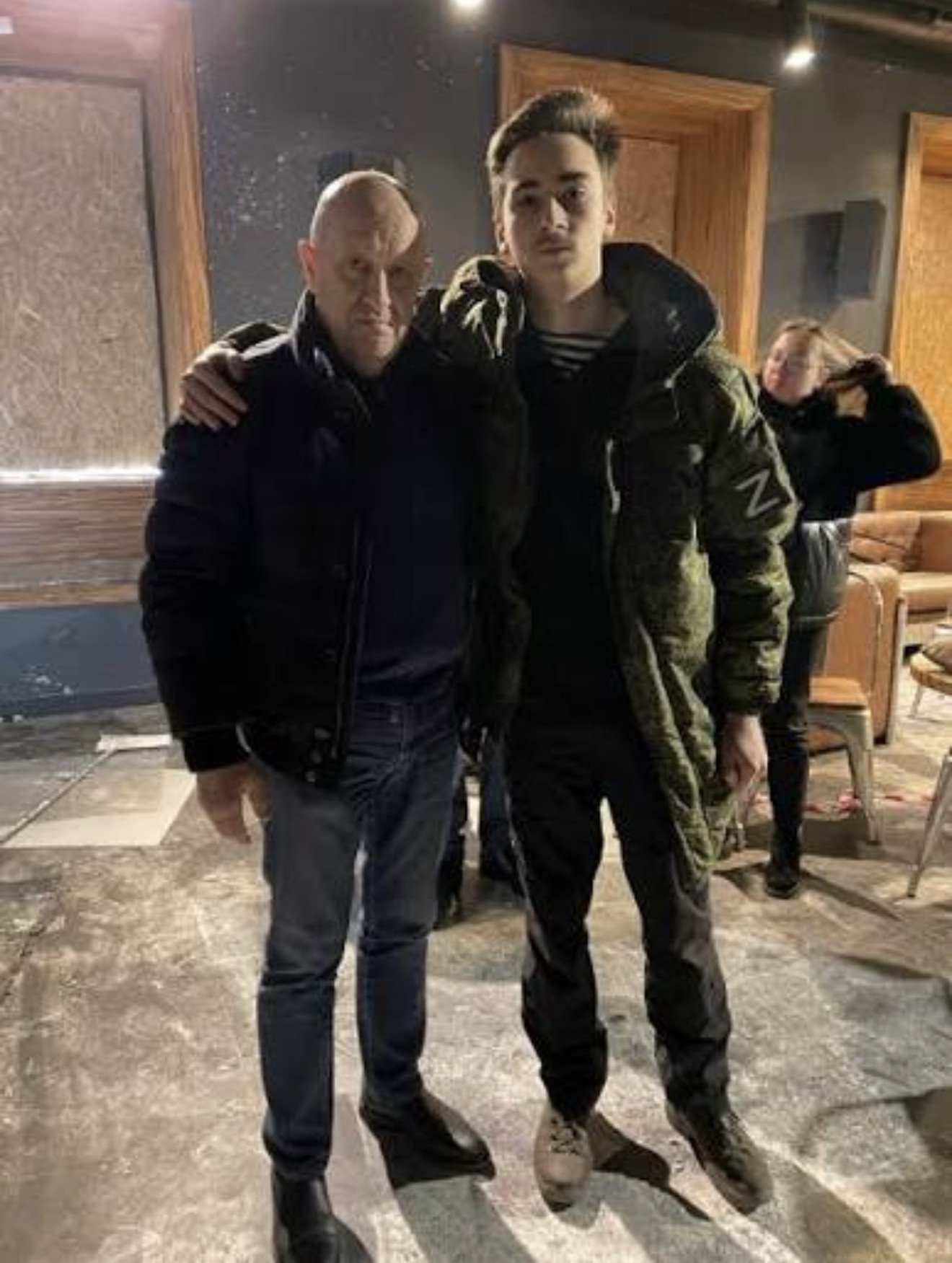
His example clearly shows how digital tools and military agendas are combined. After 2022, video games began to be considered part of information warfare. In this approach, Korolyov acts as a public face: he attracts a young audience, including in the West and Africa, and at the same time uses streams to raise funds for military needs.
GrishaPutin's streams attract roughly a hundred viewers. At the same time, he has about 32,000 followers on Twitch and 25,000 on YouTube. He puts up a price list for this entire audience: 30 euros ($35) for the inscription on the artillery shell, 200 for a video of its use.
For example, in streams of the game “Eastern Confrontation,” he plays out scenarios in which, after Ukraine’s defeat, events shift to Poland. There, a conflict unfolds between the far right and the far left. Such a storyline allows players to be divided by ideology and models scenarios of destabilization. And the way a player behaves under these conditions may determine their further “value.”
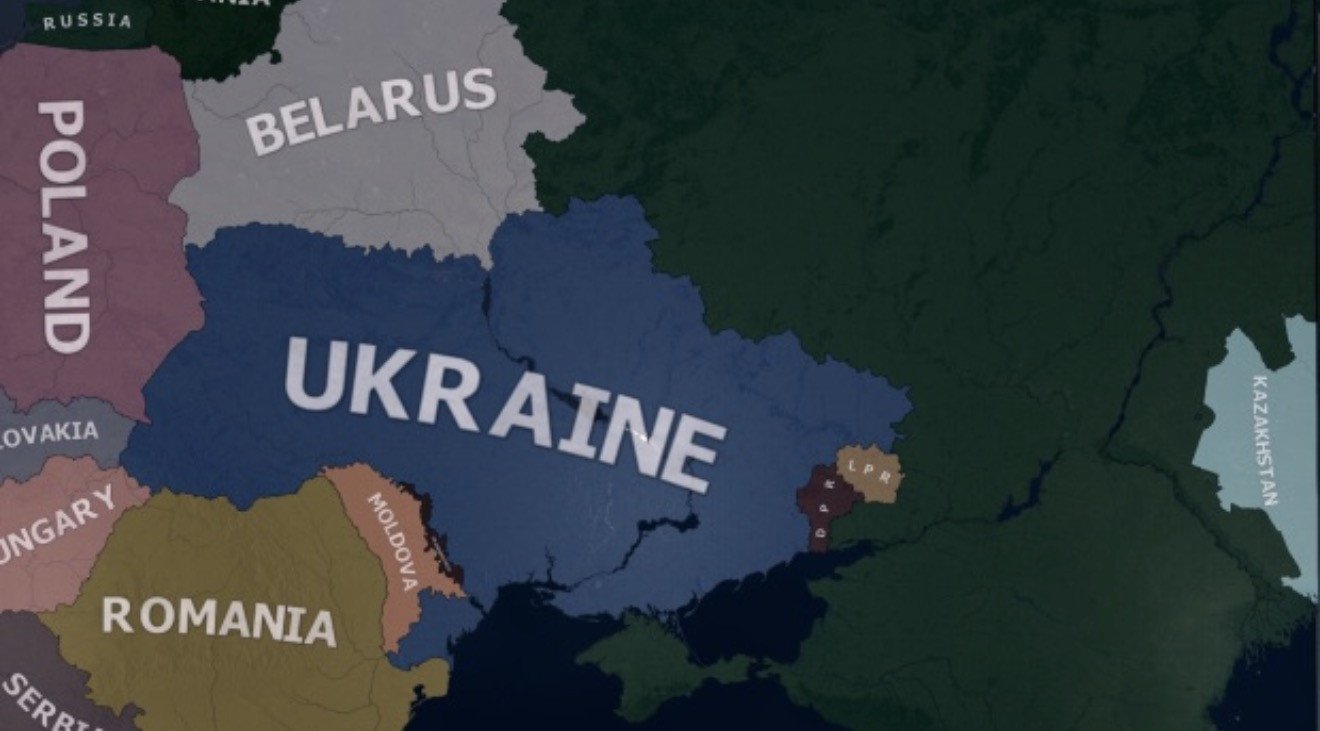
At the same time, such games promote the idea that defeating Russia is supposedly impossible. Western institutions, including NATO, are portrayed as weak or even harmful, while Poland is depicted as a country with no chance. This creates a sense of doom and helplessness.
But it does not end there. There is also a purely practical dimension. During streams, Korolyov collects money for drones for Russian military forces. For an additional fee, it is even possible to “personalize” a drone—add an inscription and receive a video of its deployment.
As a result, real violence is presented as just another option inside the game—something like a premium feature. A person who donates ceases to be an outside observer and becomes a participant in the process. This creates a psychological bond and significantly lowers the ethical barrier toward violence.
How Russia uses video games against Ukraine
In Ukraine, the Security Service of Ukraine (SSU) has reported cases of recruitment through mobile games with augmented reality elements. This involved an application that, in a game-like format, encouraged users to share geolocation data and photographs of real objects, including strategically important ones.
The mechanics were quite simple: participants were offered to search for “boxes” with virtual prizes that could later be exchanged for electronic money. During such quests, children photographed the surroundings — and together with this, objects of military and critical infrastructure in various settlements appeared in the frame. All this data, along with coordinates, was automatically uploaded to the game system.
At the same time, according to the SSU, the administration of the application was handled by an IT company linked to Russian intelligence services. Formally, it was registered in one of the European countries and worked with interactive platforms, which allowed it to disguise its true purpose.
As a result, Russia effectively used Ukrainian children as a source of intelligence information without their awareness. Participants sent their “findings” with coordinates via messengers, including Telegram, to third parties who could be linked to intelligence services.
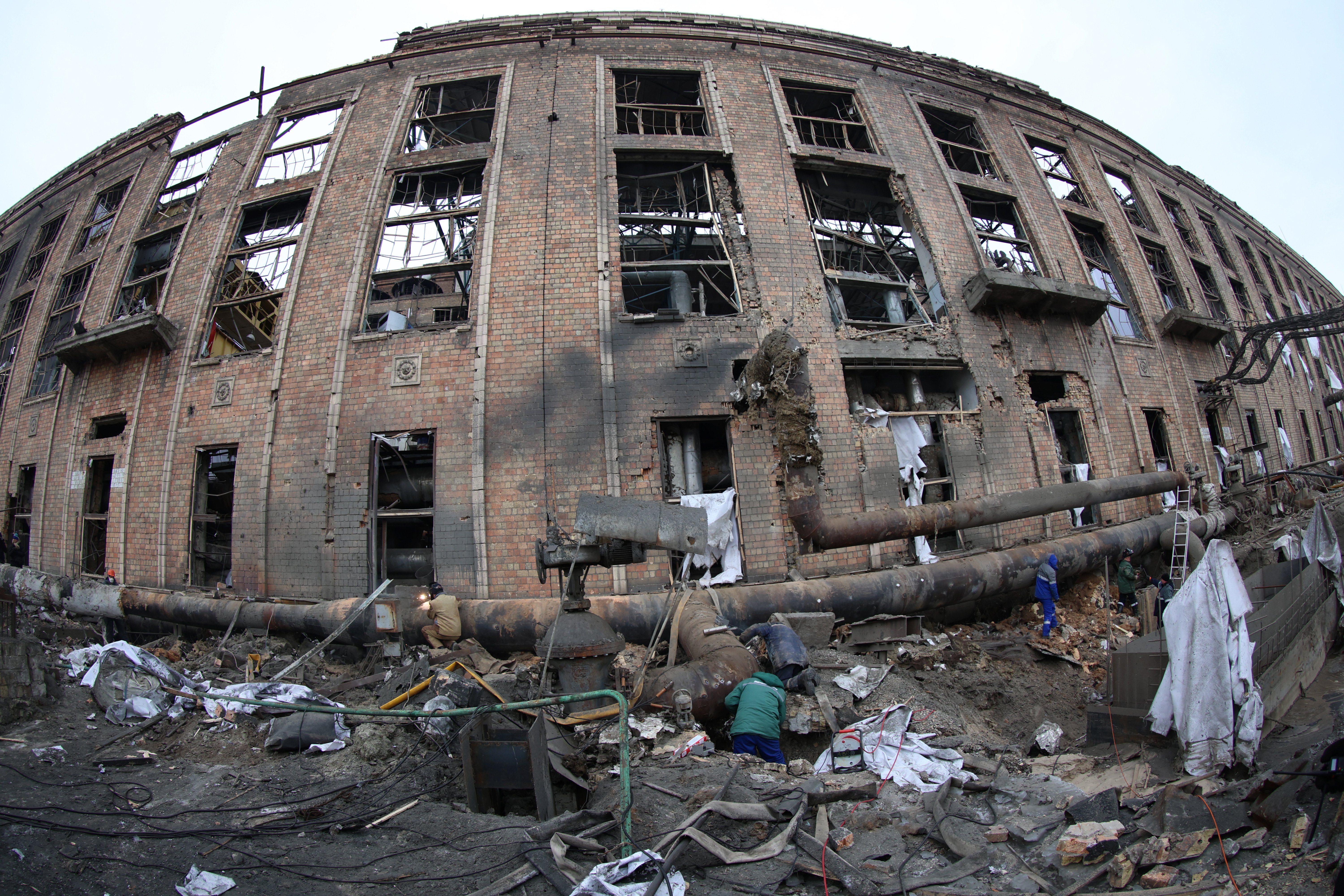
Geolocation data and photographs collected through game mechanics can be used to refine the locations of critical infrastructure, create detailed digital maps of an area, and be further integrated into analytical intelligence systems alongside other sources of information. In the context of Russia’s ongoing strikes on civilian populations and energy infrastructure, such data becomes particularly sensitive, as even fragmentary information can be used to increase targeting accuracy and support the planning of attacks.
Such behavior is achieved through a carefully constructed game logic. A community forms within the game, where everyone strives for a higher status. This status directly depends on results: the more tasks completed, the higher the level and the greater the recognition.
In such a system, participants are themselves motivated to demonstrate “efficiency” — including by transmitting photos of restricted or sensitive sites and other sensitive data. If competition is added, the situation becomes even more intense: it may push toward risky actions and even sabotage.
This is not only about individual games or streams, but about a broader process—the gamification of war as a tool of influence. Video games are increasingly shaping perceptions of conflict, normalizing violence, and embedding politicized scenarios.
In the case of Russian information practices, this approach primarily targets younger audiences, who are more sensitive to gaming mechanics, emotional engagement, and reward systems. Through gaming communities and streaming platforms, narratives and behavioral models are gradually being shaped.
This process cannot be separated from broader practices of recruiting foreign nationals into the Russian military, including cases involving individuals from African countries, where recruitment has reportedly involved promises of passports, money, or other benefits. As a result, some of these individuals have ended up on the front line without adequate protection or training.
Discuss this article:


-c439b7bd9030ecf9d5a4287dc361ba31.jpg "Photo of Katherina Popilnichenko")