- Category
- War in Ukraine
“I Was Lucky to Be Captured”: Nigerian Man Tricked Into Russia’s War Appeals to His President
 Prefer U24 Media on Google
- Authors


He left Nigeria for Russia in search of work. Weeks later, he was standing in a frozen trench in eastern Ukraine.
For 32-year-old Balogun Adisa Ridwan, being captured by Ukrainian troops was salvation. Hailing from Nigeria, he traveled to Russia in the hope of finding work as an engineer. Instead, he was forced onto the front lines and was even declared dead. There, he was captured by Ukrainian forces.
“I was lucky to be captured by the Ukrainians. They are good people,” says Balogun.
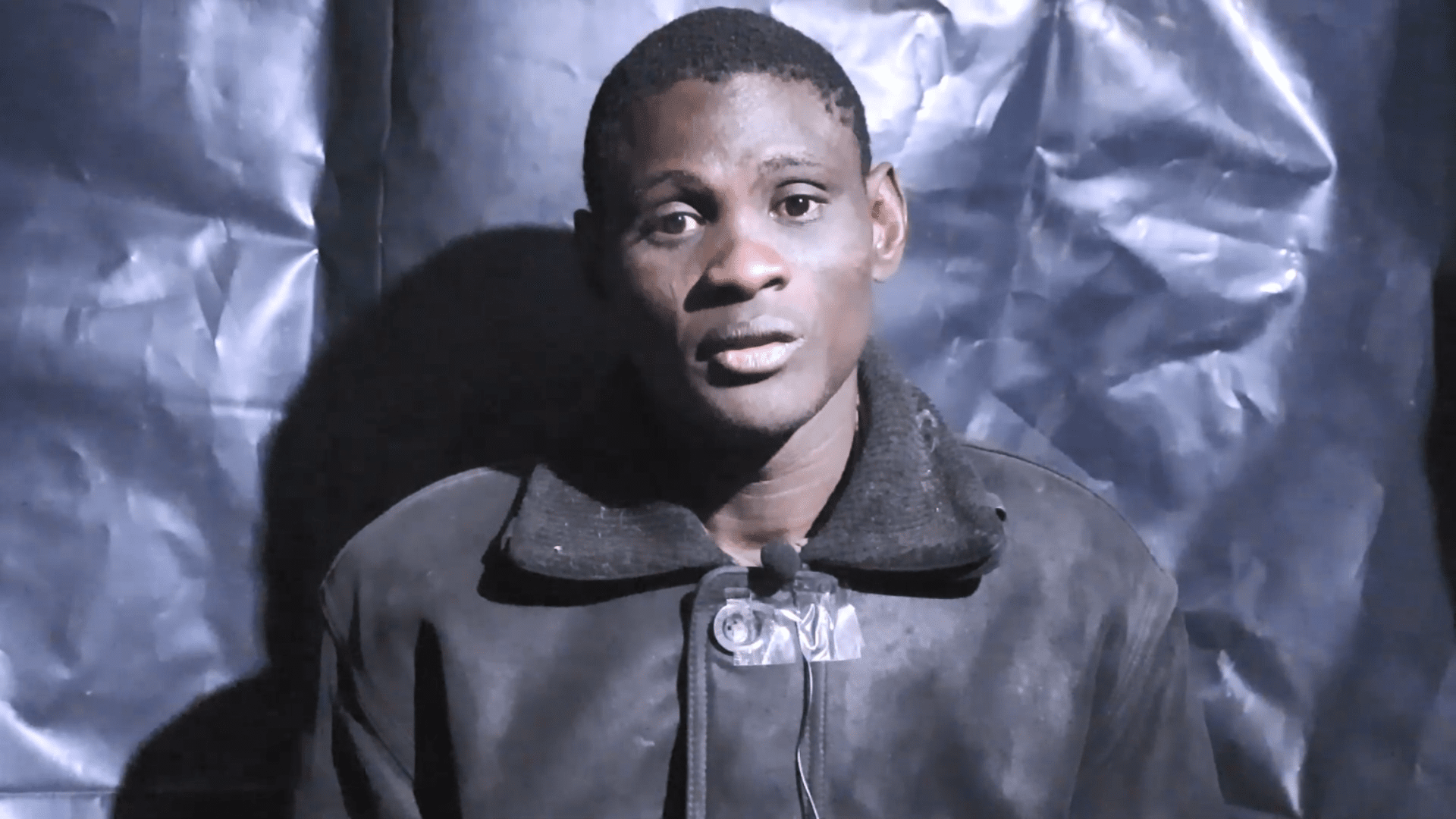
His story is not an isolated case, but part of a broader system through which Moscow lures foreigners and throws them into the meat grinder of war.
A contract he couldn’t read
First, Russia promised Balogun employment. Like many other foreigners, he found himself at a military base, where, without understanding the language or access to a translator, he signed a contract with the Russian army.
“The day we were signing the contract, I didn’t understand the language,” Balogun says. “They didn’t allow us to use our phones to translate, so we signed our contracts. I told them already about my job. Maybe they were going to put me in my field. I didn’t know they would use me.”
The training was largely formal and chaotic, he says. Their phones were confiscated again. Preparation lasted only a matter of weeks, with no explanations and no communication. One of his fellow recruits—another African man named Bubaka—suffered a heart attack during training and nearly died. After being hospitalized, he openly declared that he was not ready to continue and asked to be sent home. Russians told Bubaka that after three months in jail, this would be possible. He wrote a formal request to accept the punishment rather than go to war, but Balogun is convinced it was never forwarded to the proper authorities.
“We spent 16 days, not weeks, but the guy [Bubaka] didn’t pass his training at all,” Balogun says. “He was still sent with us to go to war. This was very bad.”
Saved by surrender
Before being deployed to positions, the Russians never gave the soldiers their phones, depriving them of the chance to contact their families or even to understand exactly where they were being sent.
“When we got to the position, we were feeling cold,” Balogun says. The instruction was—obey orders for 2 weeks, maybe a month. “When we were relaxing, I saw soldiers coming in. They were Ukrainians.”
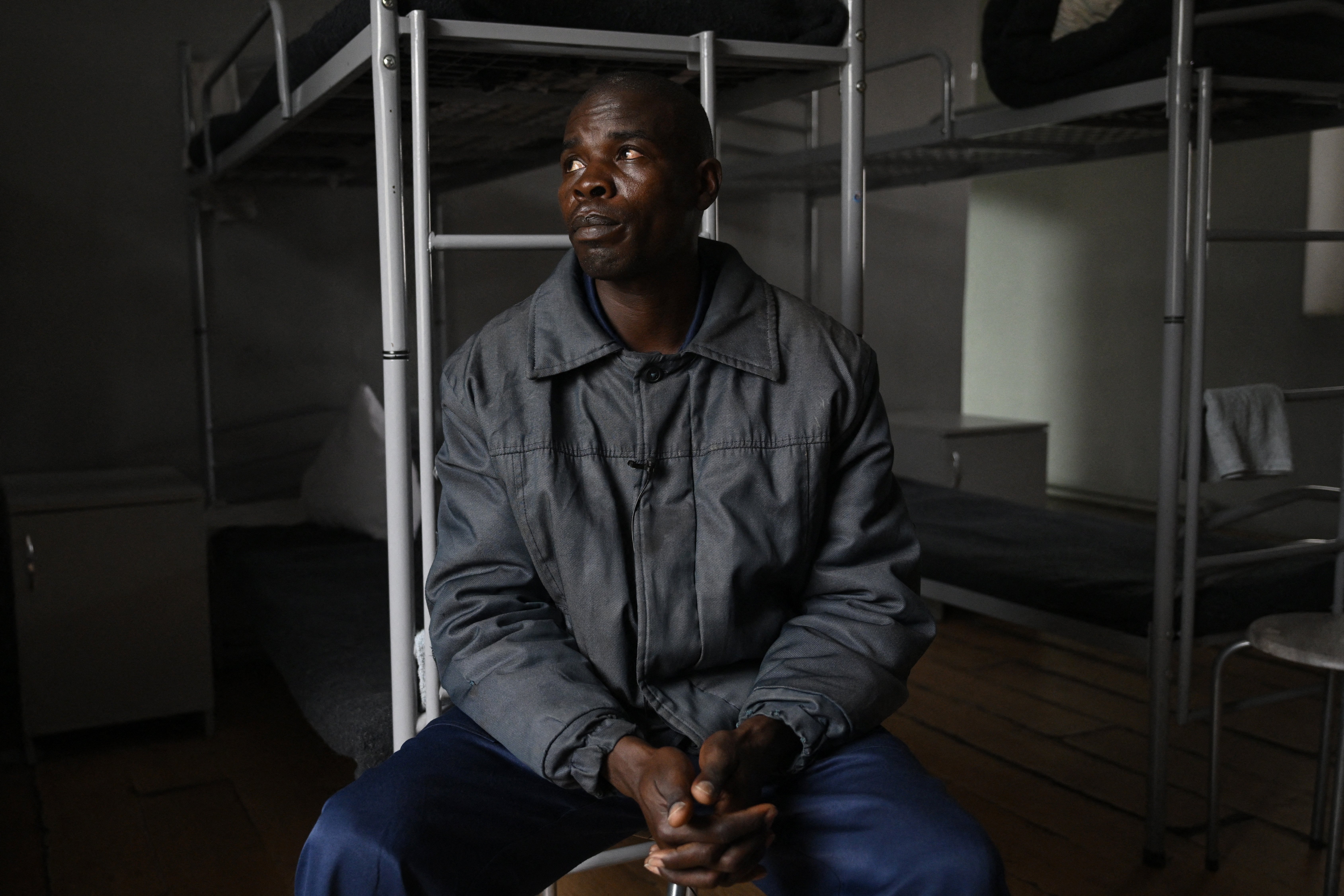
Balogun says that he and another soldier, who was tricked into serving, Farid, immediately surrendered and lay down on the ground. They were indeed Ukrainian troops—on January 13, 2026, the misled foreigners were captured by fighters of the 117th Territorial Defense Brigade near the city of Lyman in the Donetsk region.
“They told us to stand up and go with them,” Balogun says. “Ukrainians did not harm us or hurt us; When we got to their base, we were welcome—giving us what to dress in, coffee, kept us in a warm place for us to be calm. We were ok. They made sure we were ok, that we wouldn’t panic. They were really nice to us. I really appreciate that.”
An appeal to Bola Ahmed Tinubu, President of Nigeria
Back home, Balogun was declared dead. In February, Daily Nigerian reported the names of four Nigerians killed in the war in Ukraine—Adam Anas, Akinlawon Tunde Kuyum, Abugu Stanley Onyeka, and Balogun Ridwan Adisa. According to the outlet, they had been recruited under the false pretense of security work but were instead sent to war after just three weeks of training. It was claimed that news of their deaths emerged from a secret WhatsApp group created by African mercenaries.
-e0d2fbd2e85029e4ee202bd757979320.jpg)
Because he was taken prisoner, Balogun survived—and is now asking for permission to return home. At the same time, under the laws of his native Nigeria, Balogun is considered a mercenary—a criminal offense punishable by 10 years to life imprisonment. Despite this, he says he had no real choice and became a victim of systematic deception.
“I traveled to Russia on a tourist visa to find a job,” says Balogun. “The government of Russia grossly fooled me, turned me into a soldier, and sent me to war in Ukraine.”
I appeal to my government, to my president, Bola Ahmed Tinubu. Forgive your son. I left home to feed my family. It did not work out the way I wanted. I went to have a job as a mechanic or engineer. The Russian government totally fooled me.
Balogun Adisa Ridwan
Russian POW fron Nigeria
Many Africans there didn’t even understand what was happening, adds Balogun. “They are just deceiving everybody, using the money to trick everybody around. Which is very bad.”
Russia’s expanding foreign fighter network
Human rights defenders and media report that in recent years, Russia has actively recruited foreigners, promising civilian jobs or service far from the front lines, only to send them unprepared into combat zones. Similar cases have already been documented among citizens of Iran, Serbia, Azerbaijan, Iraq, Burundi, as well as Nepal, Cuba, India, Sri Lanka, Yemen, and other countries.
Ukrainian intelligence estimates that more than 1,400 individuals from 36 African countries have been recruited to fight for Russia. In November 2025, it was reported that nearly 200 foreigners from 37 countries were being held in Ukrainian captivity. Their accounts depict patterns of deception and coercion that, they say, Moscow uses to lure foreigners into joining its army.
The “I Want to Live” project—an initiative that facilitates the voluntary surrender of Russian servicemen—also obtained, from sources within the Russian armed forces, named lists of 16,894 foreign nationals from 121 countries who have fought or continue to fight as part of Russia’s army. Among them are 4,658 citizens of Belarus, Kazakhstan, Kyrgyzstan, and Tajikistan; 1,013 citizens of African states; and 9,961 citizens of other countries. As of summer 2025, at least 678 individuals on this list were known to have been killed.
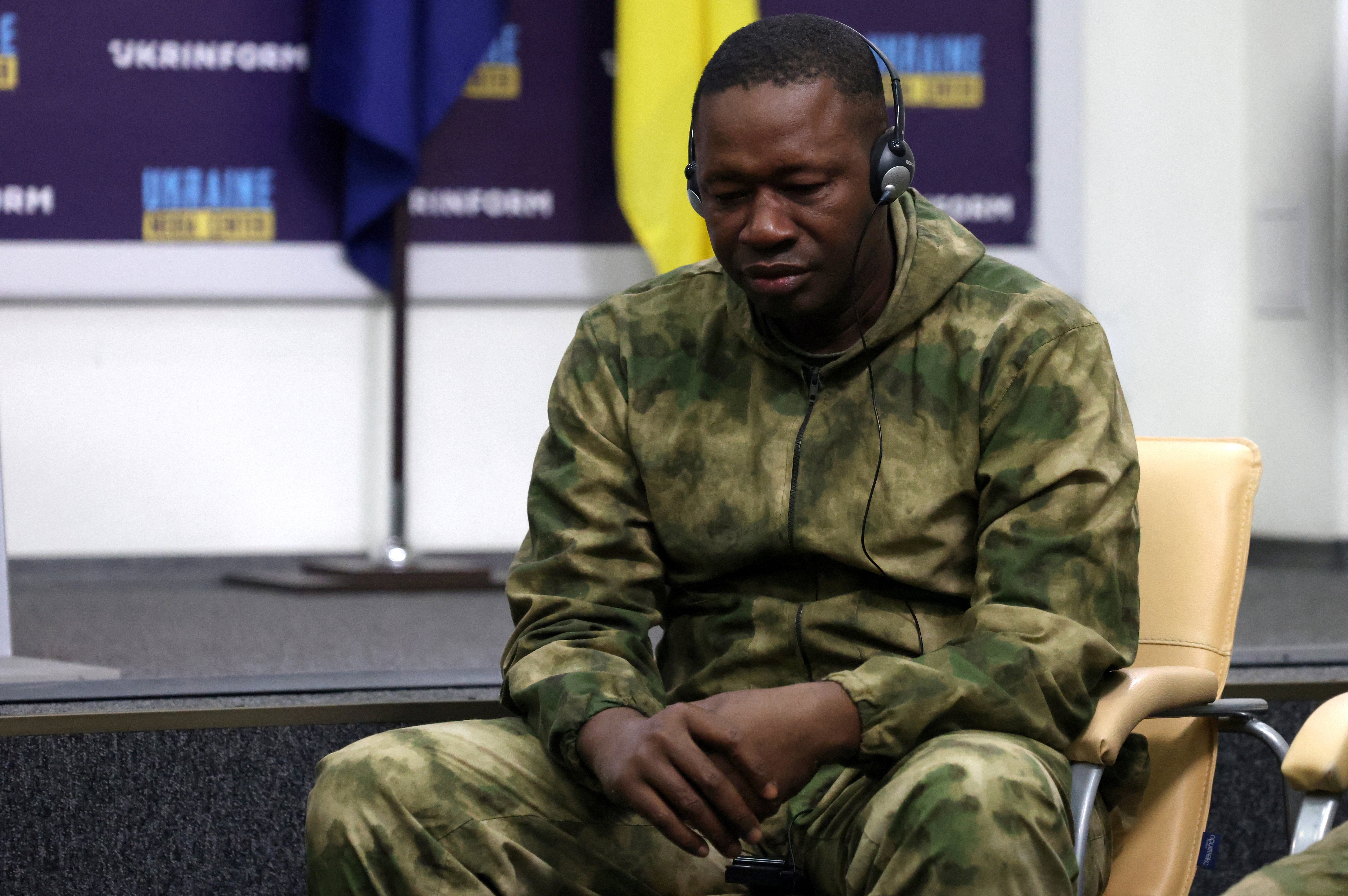
In response, governments of various countries have officially urged their citizens not to travel to Russia, warning of the risks of forced mobilization, human rights violations, and the absence of legal protections. Diplomats speak bluntly: once inside the Russian army, foreigners become cannon fodder. And even if they miraculously survive, they may be treated as criminals at home for serving as mercenaries in a foreign war.
In February 2026, the Kenyan government announced it had already shut down more than 600 employment agencies that were deceiving citizens with promises of jobs abroad, and said it plans to hold talks with Moscow to prevent further recruitment of Kenyans. Authorities in Botswana, South Africa, Egypt, Jordan, Nepal, Sri Lanka, and other countries have likewise urged caution regarding job offers connected to Russia.
The story of Balogun Adisa Ridwan is yet another warning. A trip to Russia in search of work too often ends at the front line, in captivity, or in death.
Discuss this article:



-111f0e5095e02c02446ffed57bfb0ab1.jpeg "Photo of Roman Kohanets")