- Category
- War in Ukraine
Ukraine Reveals How Russia Turned a Decoy Into a 1,200-Kilometer Attack Drone
 Prefer U24 Media on Google
- Authors


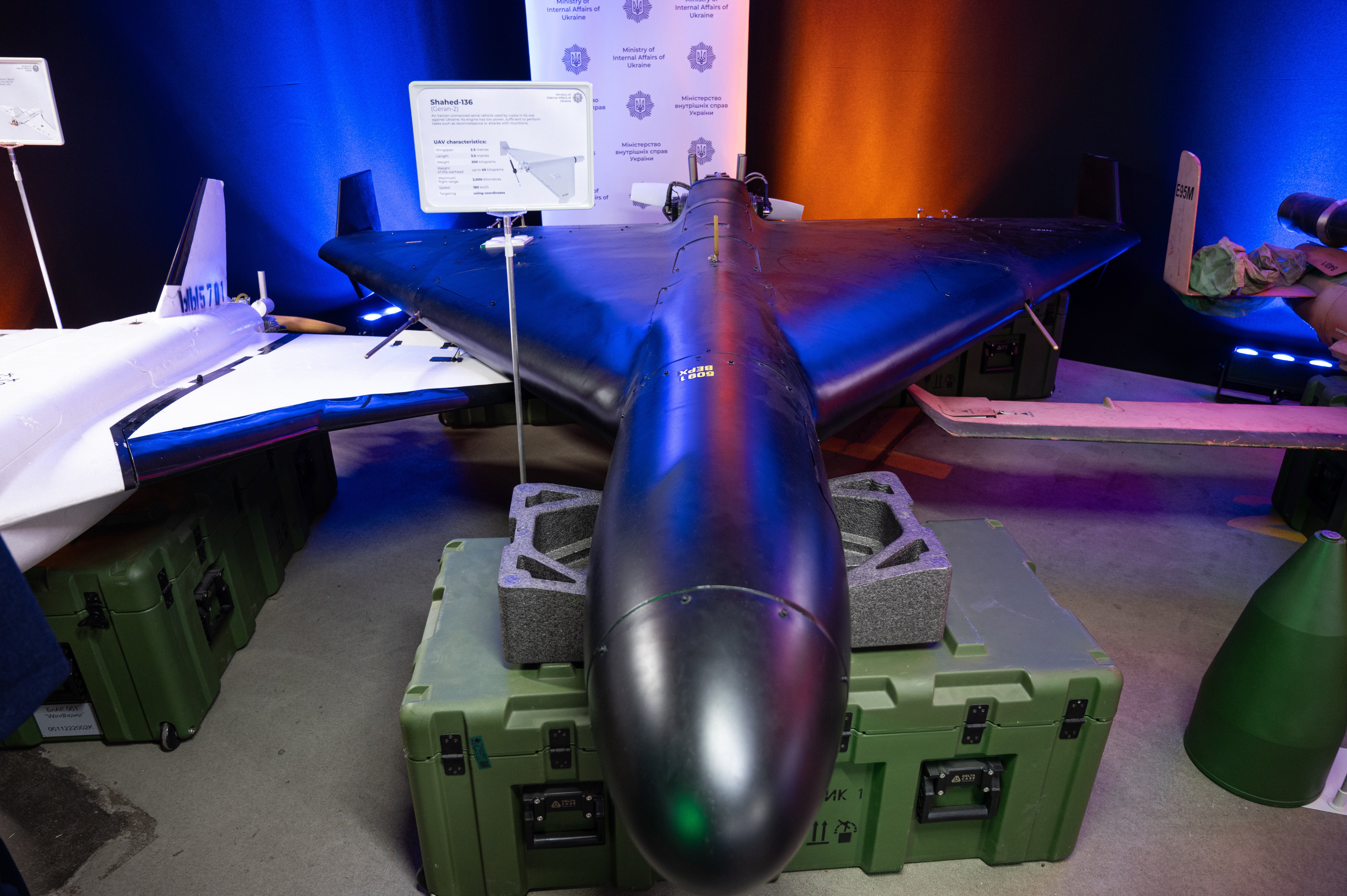
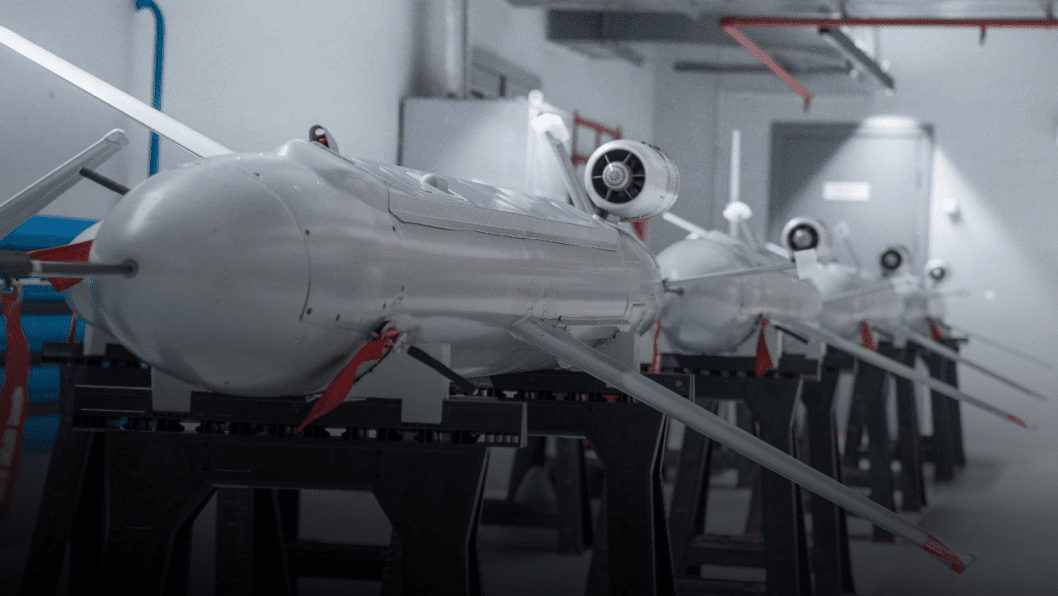
Russia has developed an upgraded version of its Gerbera attack drone capable of flying up to 1,200 kilometers (746 miles) and carrying a warhead weighing as much as 25 kilograms (55 pounds), according to technical findings released by Ukraine’s military intelligence.
We bring you stories from the ground. Your support keeps our team in the field.
According to Ukraine’s Defense Intelligence Directorate (HUR) on November 2, a detailed examination of the Gerbera-2 revealed significant upgrades to its airframe, propulsion system, navigation equipment, and onboard electronics.
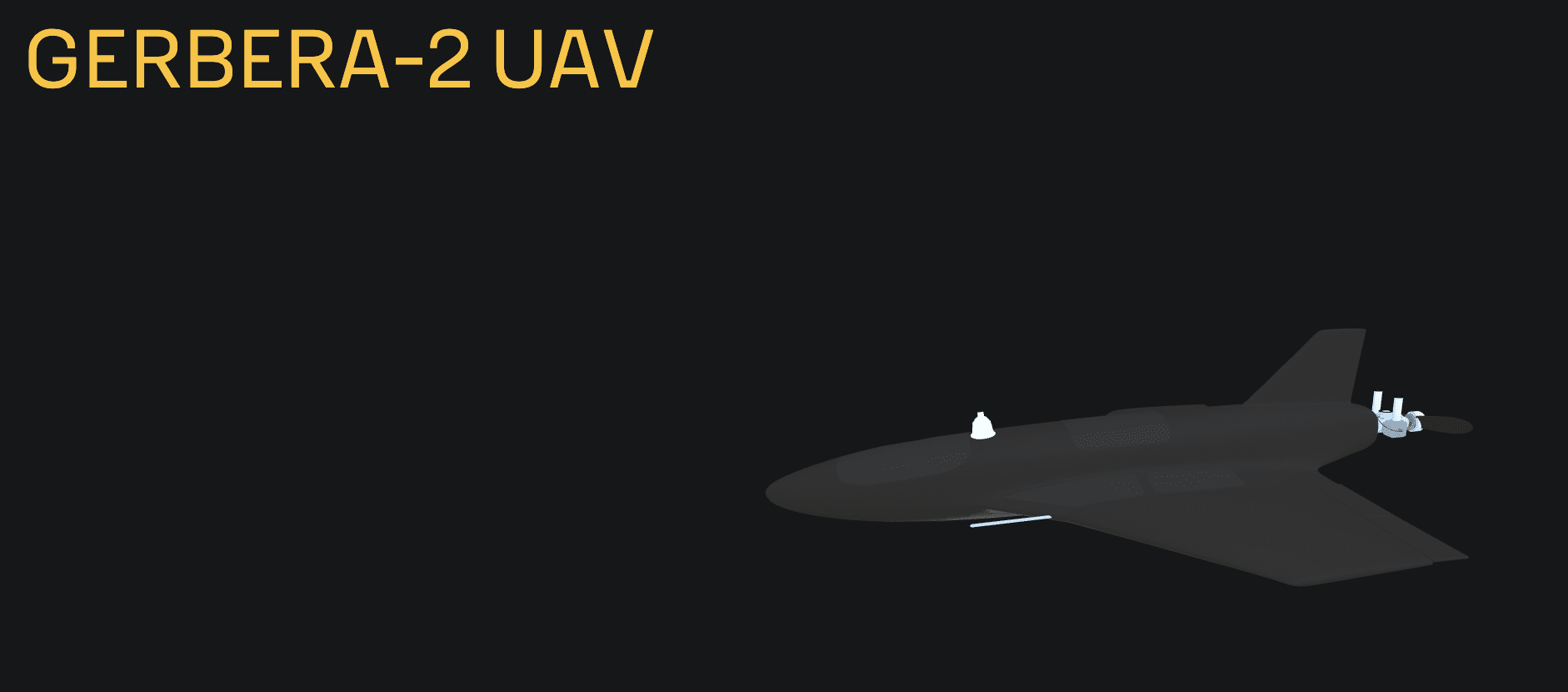
Originally developed as a low-cost decoy to overwhelm Ukrainian air defenses, the Gerbera has evolved into a more advanced platform capable of reconnaissance and attack missions. The upgraded Gerbera-2 measures 2.6 meters (8.5 feet) in length, with a 3-meter (9.8-foot) wingspan and a 63-liter fuel tank that enables flights of up to 1,200 kilometers (746 miles).
According to Ukrainian intelligence, the drone can remain airborne for up to 10 hours, reaching a maximum speed of 200 kilometers per hour (124 mph) and a cruising speed of 180 kilometers per hour (112 mph).
While Russian specifications claim a maximum warhead capacity of 25 kilograms (55 pounds), the examined drone carried a 10-kilogram high-explosive fragmentation-incendiary warhead and additional incendiary material.
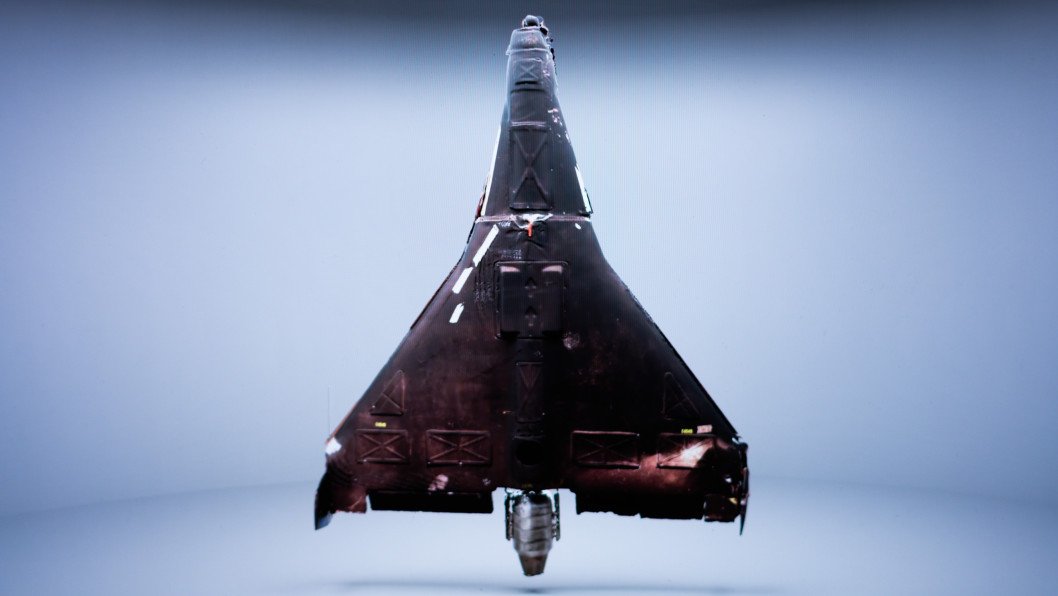
The Gerbera-2 uses a two-cylinder engine derived from the powerplant of Russia’s Geran-2 attack drone, a Russian-produced version of the Iranian-designed Shahed-136. Engine production has been localized in Russia’s Alabuga Special Economic Zone.
The upgraded electronics include a new flight controller, a 12-channel Kometa-M12 anti-jamming navigation module, and a Chinese-made mesh-network modem. Video processing is handled by a system called Sosiska, based on a Chinese Coke Pi microcomputer.
Ukrainian investigators also discovered dual IP cameras mounted above the fuel tank, designed to detect Ukrainian interceptor drones. Other Gerbera variants feature forward-facing cameras and stabilized camera systems.
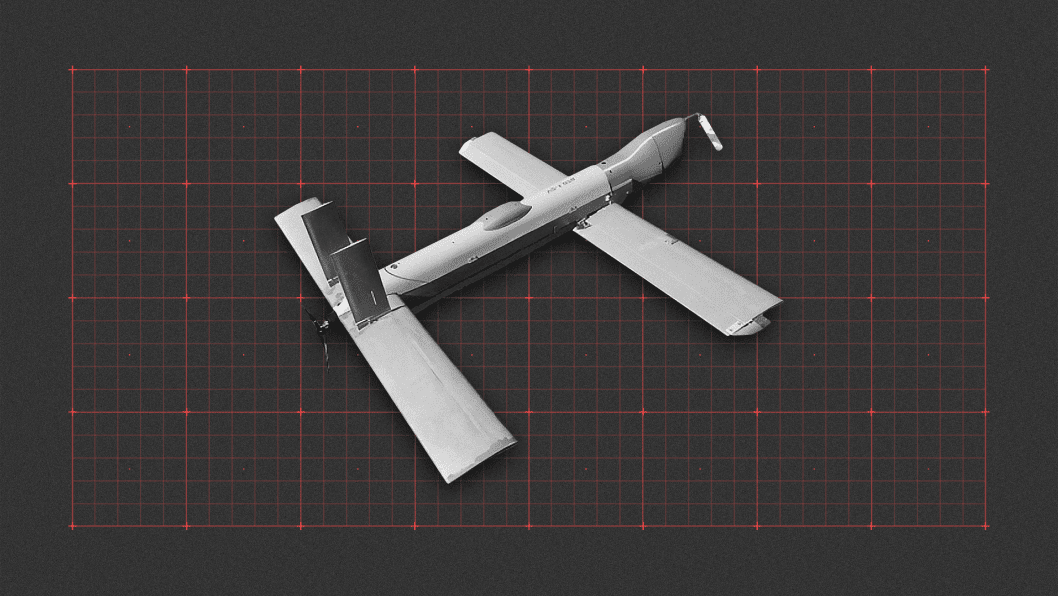
The examination identified 22 foreign components in the Gerbera-2, with the origins of 20 confirmed. Eight came from China, four from the United States, three each from Ireland and Switzerland, and one each from Taiwan and the Netherlands.
The origins of two additional components, including a memory chip and an IP camera, remain unidentified. The drone also uses Russian-made equipment, including the Kometa-M12 navigation module produced by VNIIR-Progress.
Earlier, in September 2025, Ukrainian interceptor drone operators from the WU Samurai unit shot down a Russian Gerbera drone equipped with two cameras designed to detect approaching Ukrainian interceptor drones. The cameras were mounted on top of the fuselage to monitor threats from above, where Ukrainian interceptors frequently approach their targets.
Discuss this article: