- Category
- War in Ukraine
Ukraine Reveals Russia’s Kinzhal Missile Secrets—From Nuclear Warheads to 22 Unsanctioned Manufacturers
 Prefer U24 Media on Google
- Authors


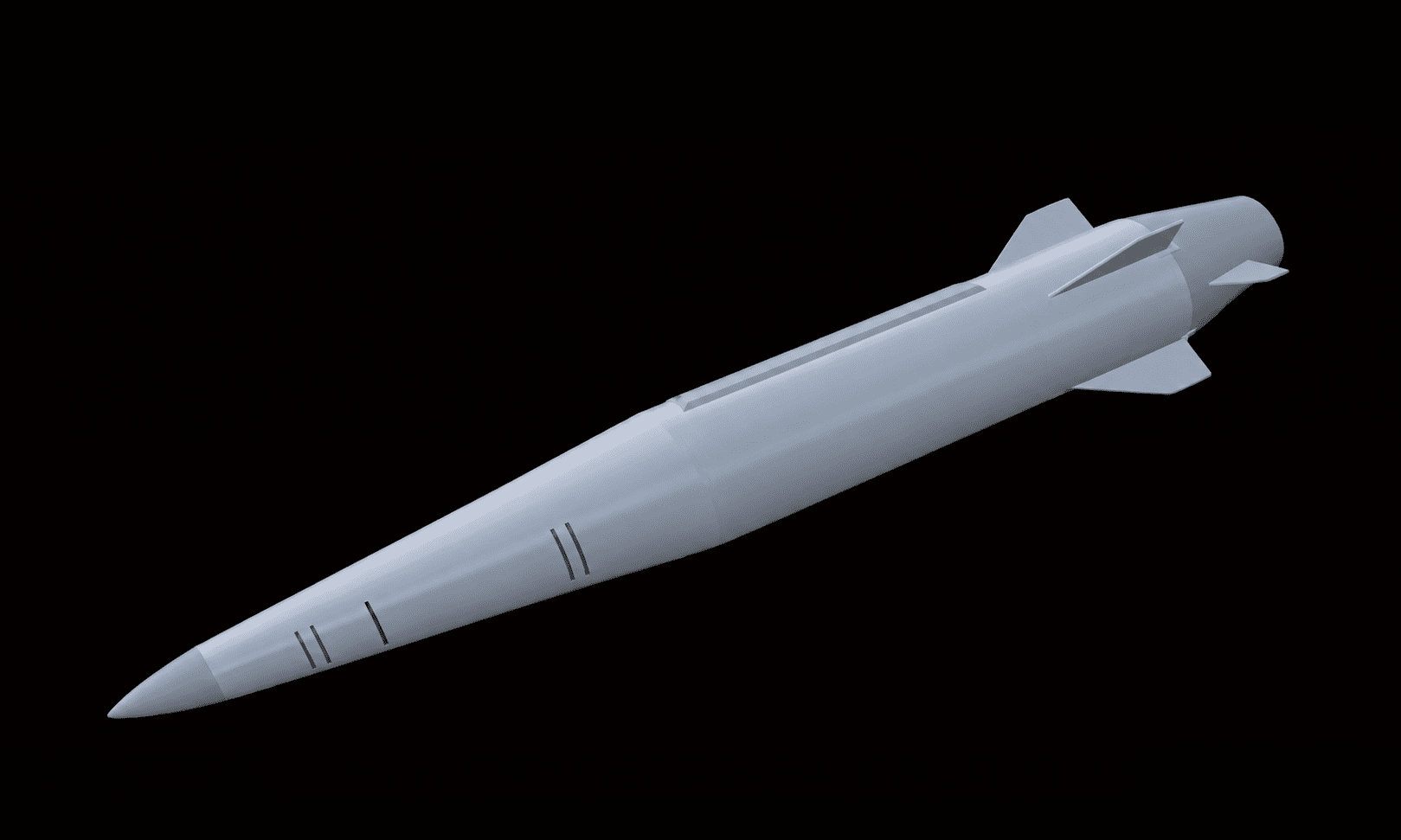
Ukraine’s Defense Intelligence Directorate (HUR) has revealed new details about Russia’s Kh-47M2 Kinzhal aeroballistic missile, identifying 58 Russian companies involved in its production, 22 of which remain outside international sanctions.
The findings were published on HUR’s War&Sanctions portal, alongside an interactive 3D model of the missile, detailed information about its components, and a list of Russian enterprises involved in its manufacturing.
We bring you stories from the ground. Your support keeps our team in the field.
According to Ukrainian intelligence, the Kinzhal, officially designated 9-S-7760, is a single-stage, solid-fuel missile with an integrated warhead. Approximately 90% of its components are shared with the 9M723 ballistic missile used in Russia’s Iskander-M operational-tactical missile system.
Despite these similarities, the Kinzhal has several distinguishing features, including a tail aerodynamic fairing that separates after engine ignition and a radar seeker that Russia describes as capable of operating in all weather conditions.
HUR noted that while an active radar seeker has been proposed for the Iskander missile, its use in strikes against Ukraine has not been documented. The Kinzhal also features an active electronic jamming system alongside its S-200 decoy deployment system.
Ukrainian intelligence identified two types of warheads currently used in the Kinzhal: a penetrating high-explosive warhead and a specialized nuclear warhead. The penetrating version has a thick metal casing designed to breach reinforced concrete and other fortified structures.
Russia is also reportedly developing a new modification equipped with a high-explosive fragmentation warhead. According to HUR, this development could be linked to problems with the missile’s guidance accuracy, as penetrating warheads require greater precision to effectively strike hardened targets.
These reported limitations have also coincided with a shift in Russia’s missile production priorities. HUR said Moscow significantly reduced its state defense orders for Kinzhal missiles in 2026, redirecting manufacturing capacity, components, and raw materials toward producing 9M723 Iskander-M ballistic missiles.
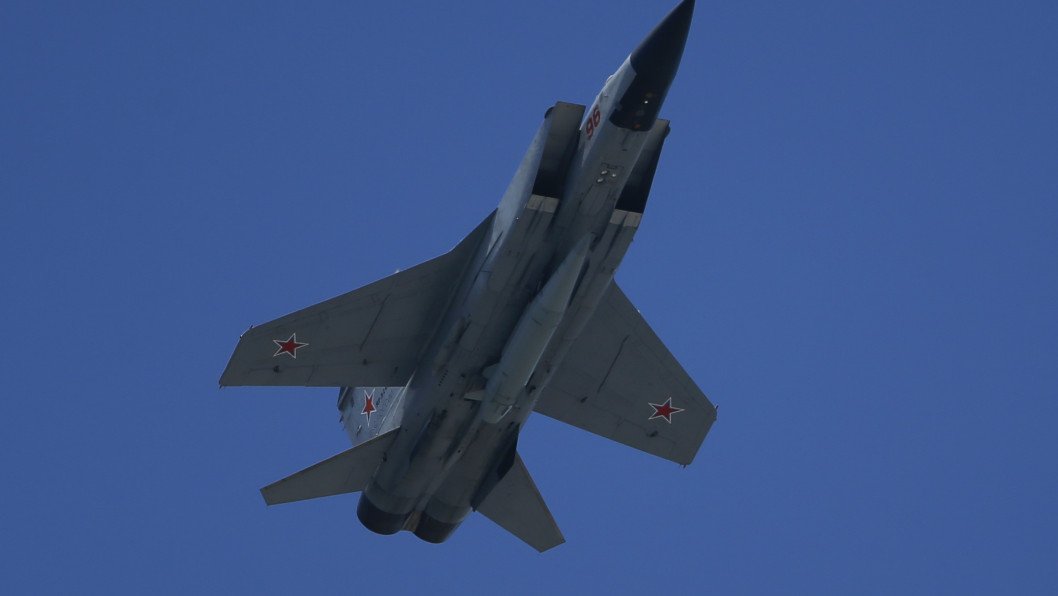
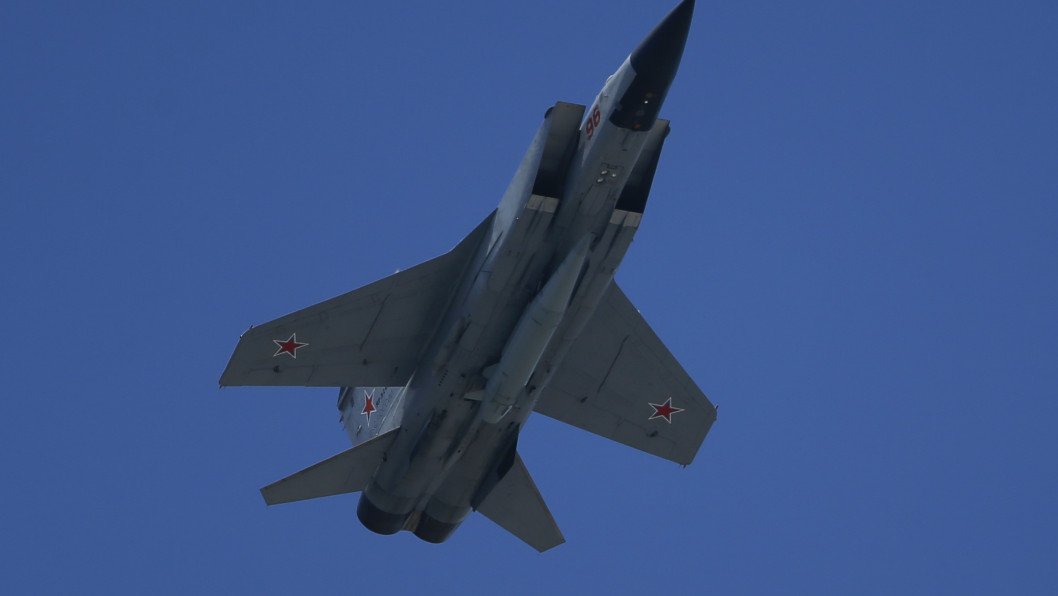
Another factor behind this shift is the limited availability of aircraft capable of carrying Kinzhal missiles. These include modified MiG-31I interceptor aircraft and their predecessors, the MiG-31K, neither of which is currently being produced by Russia’s aviation industry.
HUR said it plans to release a separate list of Russian companies responsible for modernizing and maintaining these aircraft.
Beyond the missile’s technical characteristics, Ukrainian intelligence also highlighted gaps in international sanctions targeting Russia’s defense industry.
Of the 58 Russian enterprises identified as participants in Kinzhal production, 22 have not been sanctioned by any country in the international sanctions coalition.
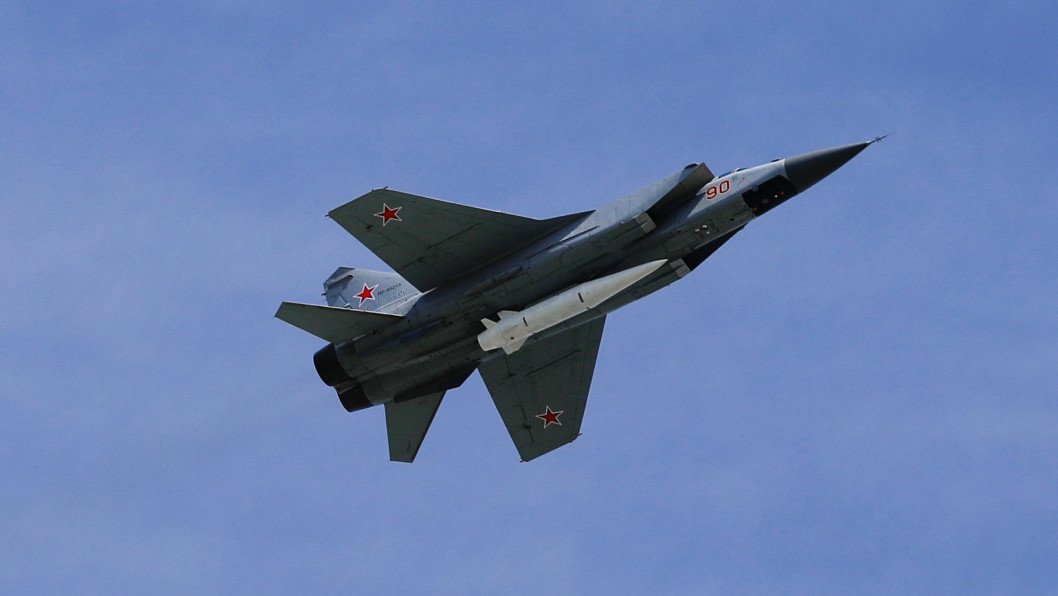
“Despite certain shortcomings, Russia continues its efforts to modernize its Kinzhal missiles. To counter the aggressor’s plans, it is necessary to coordinate sanctions against all companies involved in their production and strengthen controls over technologies actively used by the Russian Federation,” HUR added.
The disclosure comes amid Ukrainian efforts to target Russian facilities associated with the production of missile systems, including the Kinzhal. Satellite imagery previously revealed significant damage to Russia’s Volgogradpromproekt chemical plant, a facility linked to the production of Iskander, Kinzhal, and Kalibr missiles, following a Ukrainian strike involving an FP-5 Flamingo cruise missile.
Discuss this article:






-e179e0599ae687118e91fd783379c19f.png "Footage showing a Ukrainian FP-1 drone strike on a Russian drone workshop and storage facility in the Donetsk region. (Source: 7th Air Assault Corps of the Armed Forces of Ukraine)")