- Category
- War in Ukraine
Ukraine Sets Out Its Vision for Life After Service at the 9th International Veterans Forum
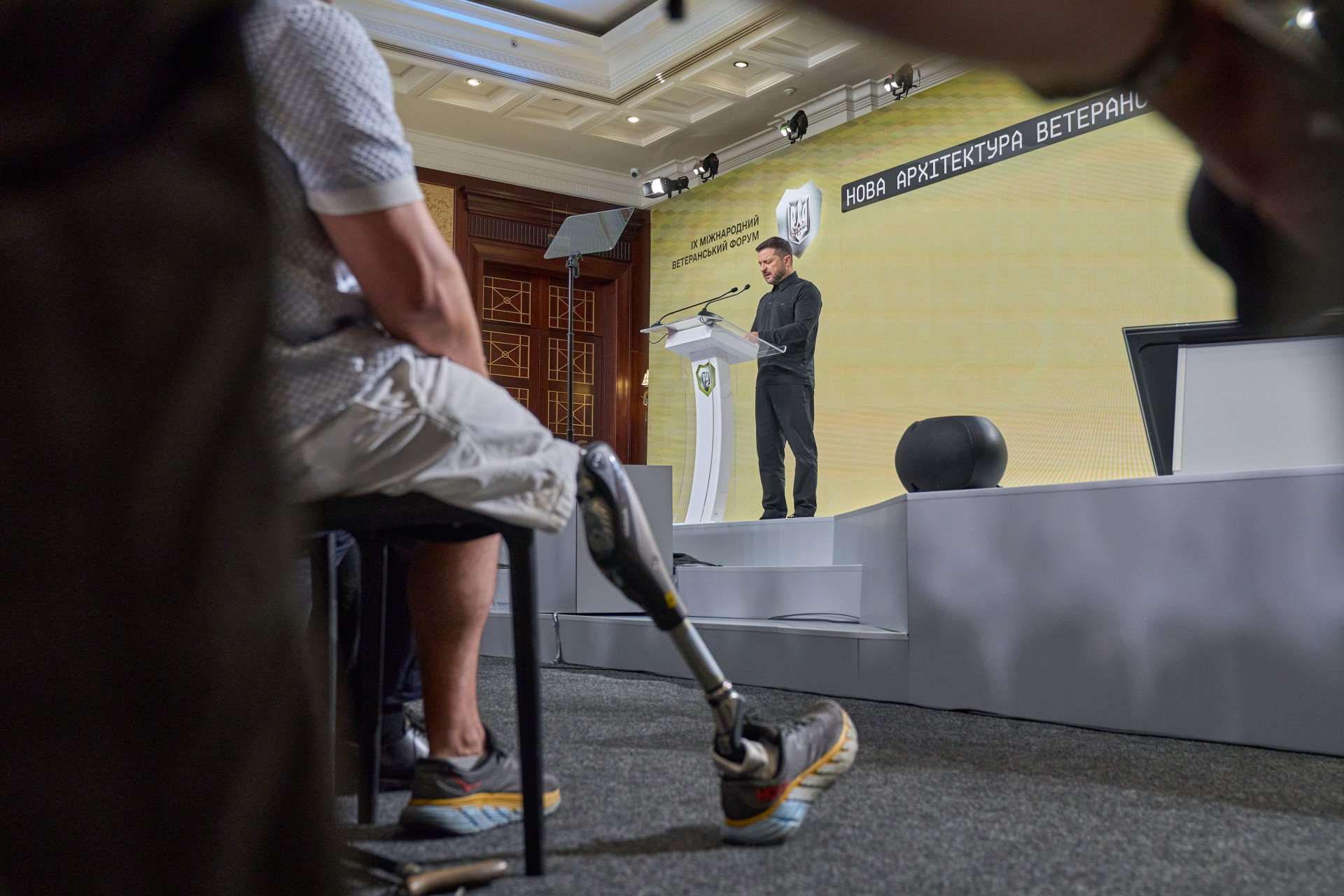
Ukrainian officials outlined plans to overhaul veteran legislation, expand digital services and employment programs, and strengthen rehabilitation and family support as the country prepares for a veteran population expected to exceed 3 million after the war.
 Prefer U24 Media on Google
- Authors




Ukrainian officials, military representatives, and international partners gathered in Kyiv for the 9th International Veterans Forum “Honoring Resilience,” held on the eve of Ukraine’s Independence Day.
We bring you stories from the ground. Your support keeps our team in the field.
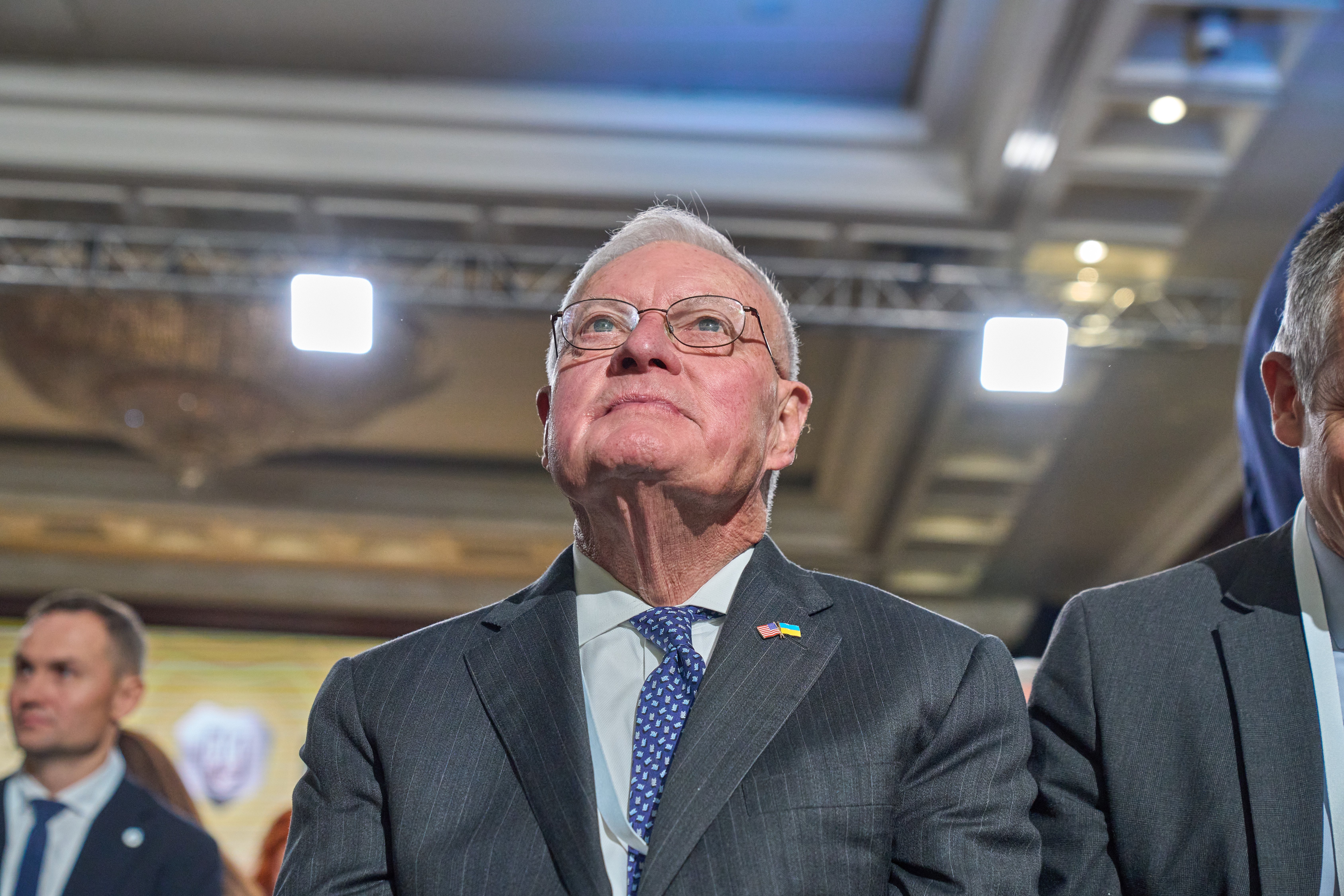
Participants included President Volodymyr Zelenskyy, Prime Minister Serhii Koretskyi, Veterans Affairs Minister Vitalii Kim, German Foreign Minister Johann Wadephul, and retired US General Keith Kellogg.
UNITED24 Media attended the forum. Here are the key takeaways.
Zelenskyy calls for an overhaul of veteran legislation
Opening the forum, Zelenskyy called for Ukraine to rethink how the state supports veterans, arguing that existing legislation too often treats them simply as another category of benefit recipients.
“Our respect for veterans must be reflected in the concrete, systemic work of state institutions and communities,” Zelenskyy said.
He proposed consolidating veteran-related legislation into a single “Veteran Code” and said veterans’ families, as well as the families of fallen service members, prisoners of war, and those missing in action, should be fully included in state veteran policy.
Ukraine currently has more than 1.5 million veterans, with that number expected to exceed 3 million after the war.
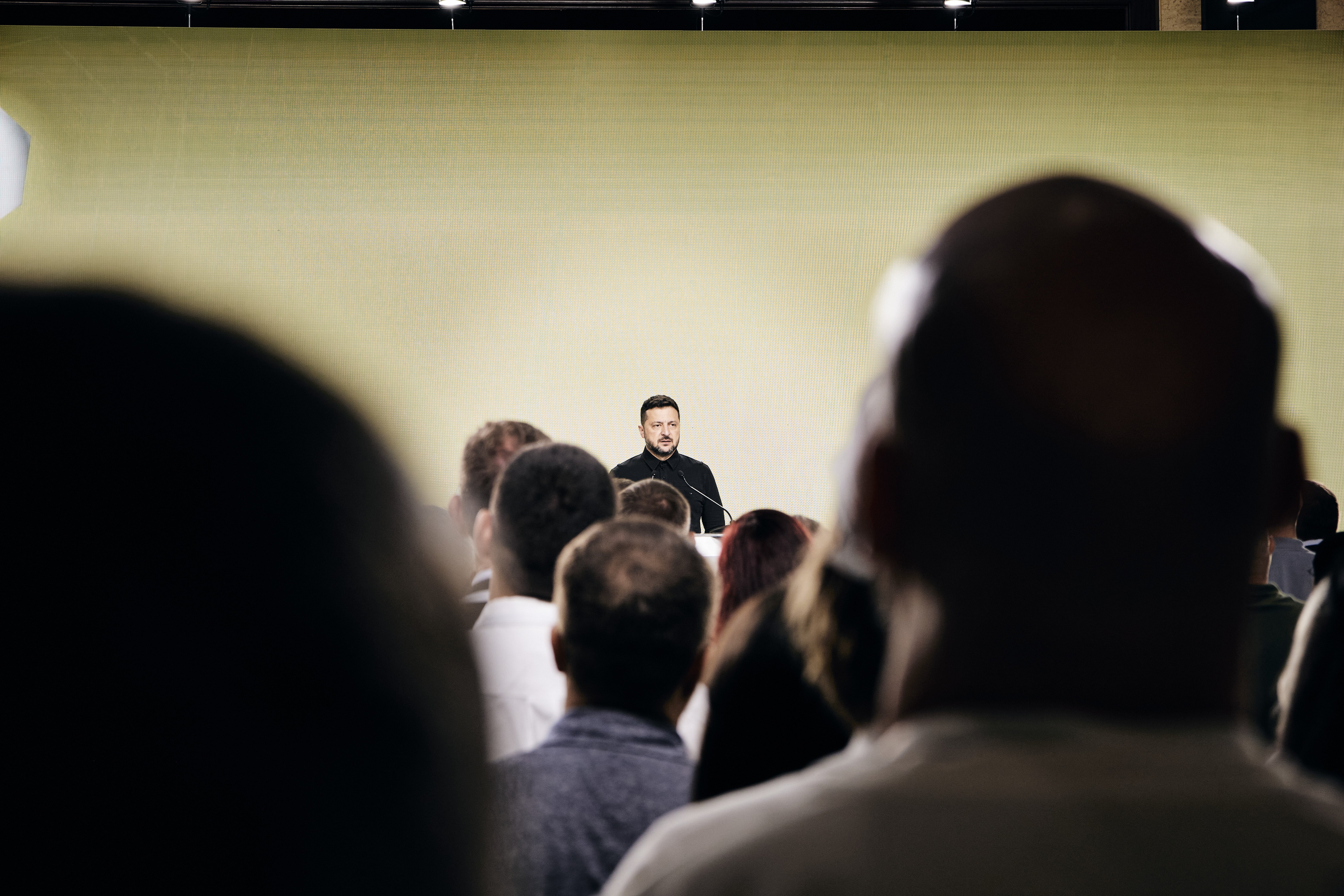
President Zelenskyy also highlighted the recently adopted legislation establishing the Ukrainian Pantheon, intended to preserve the memory of prominent historical figures and Ukrainians who defended the country.
During the forum, he presented state honors to veterans and combat medics, including border officer Natalia Izhychyna, doctor Mariia Korinna, and volunteer hospital administrator Yulia Serhiimikhailova.
Government pushes digital services and common standards
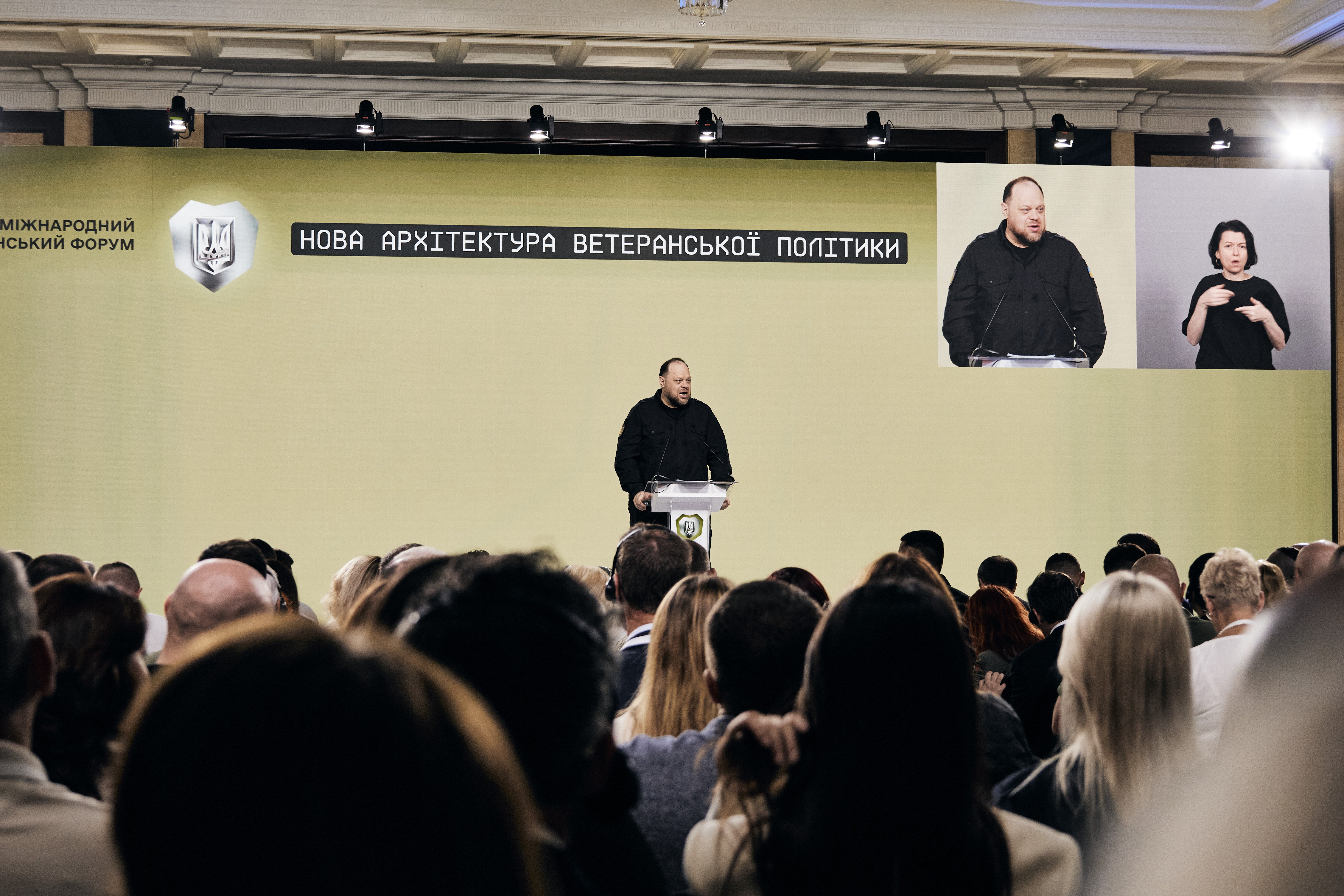
Verkhovna Rada Chairman Ruslan Stefanchuk said parliament had recently advanced legislation expanding medical care, prosthetics funding, and professional retraining for veterans and Ukrainians released from Russian captivity.
Stefanchuk said parliament is also considering three additional bills developed in cooperation with the veteran community.
Prime Minister Serhii Koretskyi said reducing bureaucracy would be a central part of the government’s approach.
“A veteran must never be a courier carrying paper documents between government offices,” Koretskyi said.
He pointed to the VeteranPro platform, which he said brings together nearly 3,000 services and has already supported more than 350,000 users.
By 2027, the government aims to bring more than half of veteran services under unified standards and ensure that at least 80% of Ukrainian communities have clearly structured support systems.
Koretskyi also said the government plans to establish 20 new state-run veteran spaces and has launched educational support programs covering more than 11,000 children of Ukrainian service members.
Support from military service through civilian life
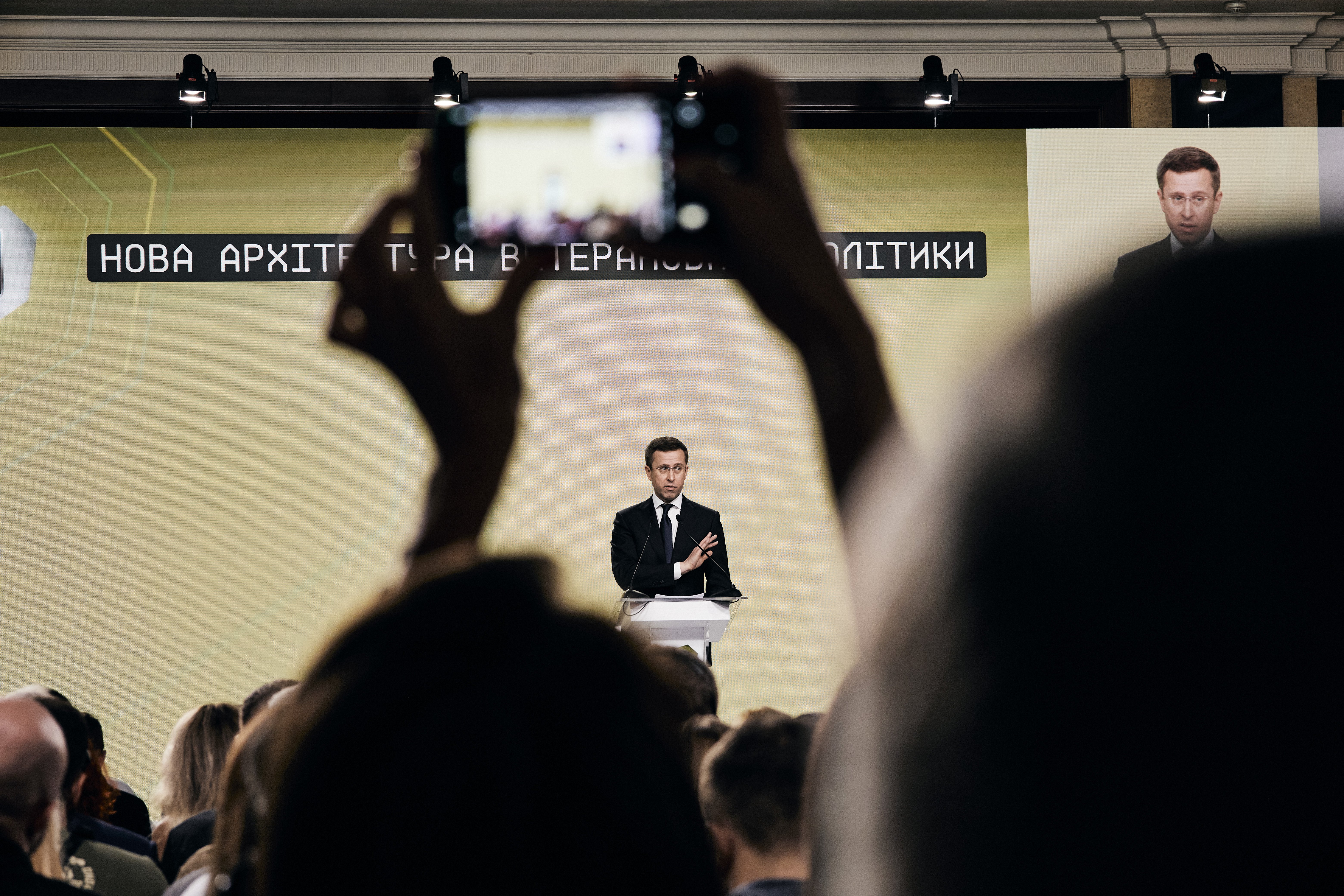
Veterans Affairs Minister Vitalii Kim outlined five priorities for the government’s veteran policy, beginning with support before a service member formally becomes a veteran.
Kim argued that assistance should begin during military service and continue through the transition to civilian life rather than starting only after discharge.
“A person cannot finish their service and immediately lose their support system,” he said.
He also called for the state to be more proactive in serving veterans, rather than forcing them to navigate multiple agencies and hotlines.
“The state should call the veteran first. And its very first words must be: ‘Thank you for your service. How can I help you?’”
Kim said this approach should extend to how Ukraine commemorates those killed in the war, including common standards for military cemeteries and memorial sectors.
The ministry is also expanding digital access to veteran documentation and services through the Diia app and administrative service centers, with support from Ukraine’s Ministry of Digital Transformation.
Families should increasingly be able to prepare and submit documents digitally rather than repeatedly visiting government offices, Kim said.
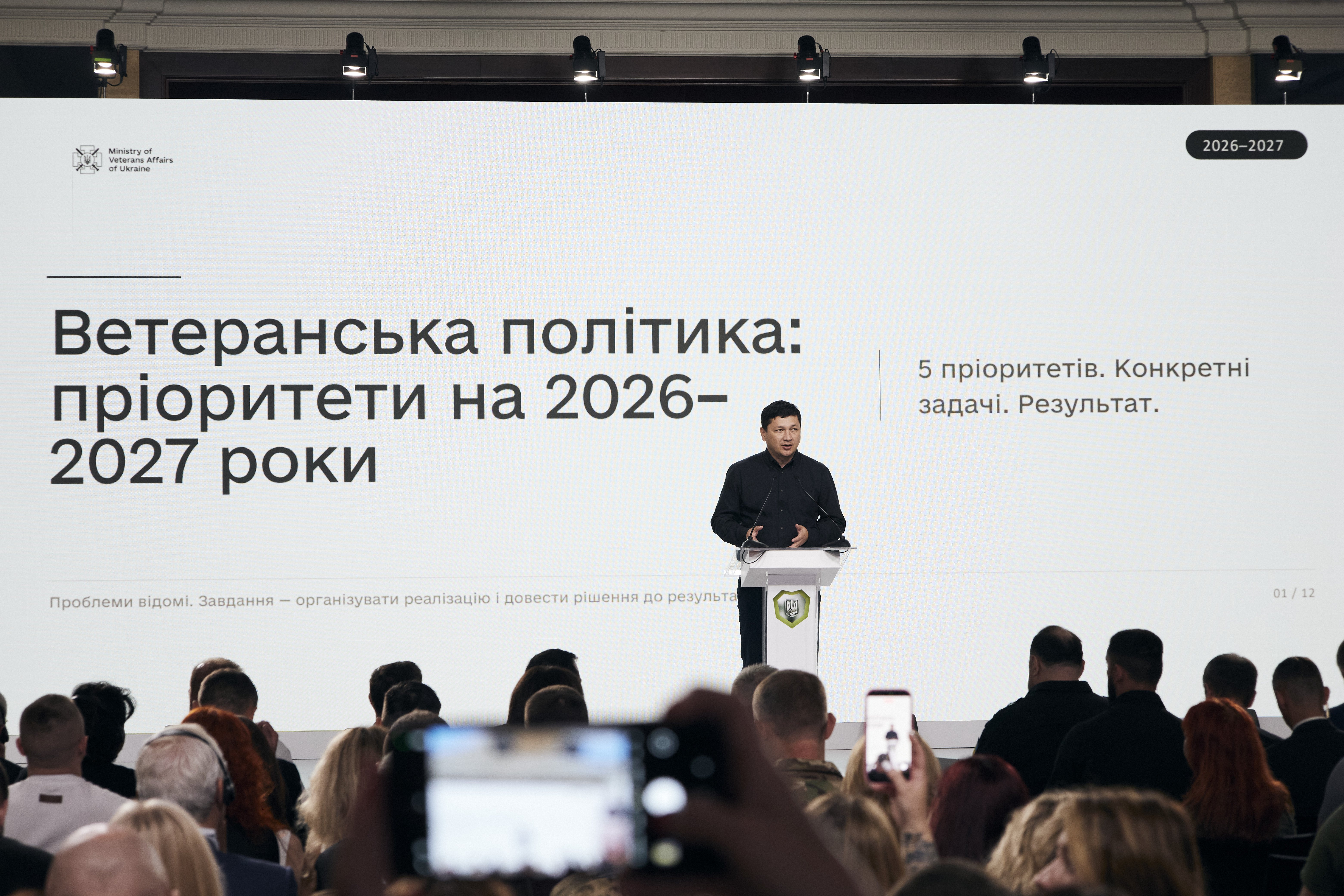
Another priority is family support. Kim said Ukraine is testing programs in which psychologists work with military couples together as they adjust to life during and after service.
The broader objective, he said, is to ensure veteran status provides access to new opportunities rather than creating what he described as a “permanent status of social dependency.”
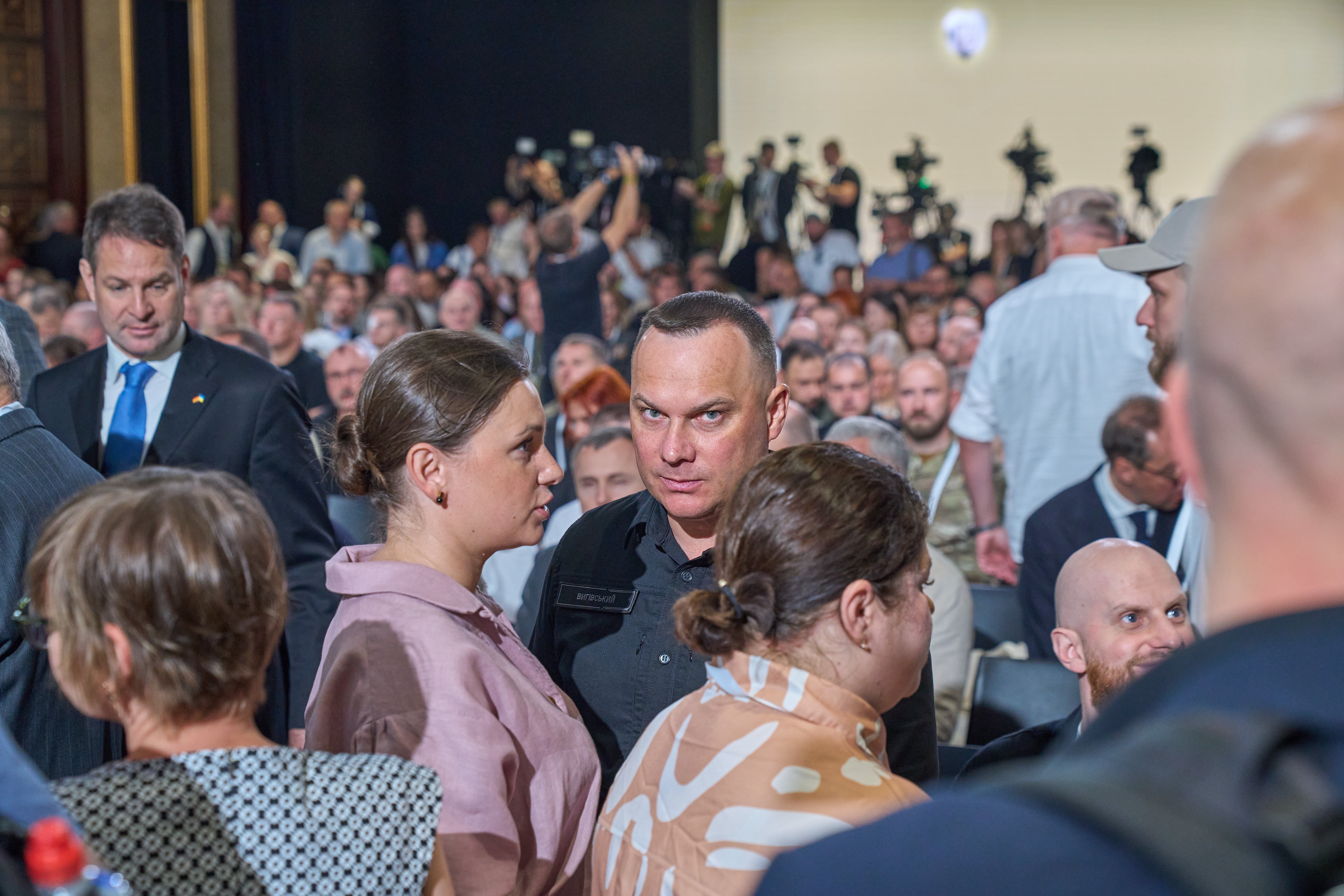
Ukraine wants to share veterans’ battlefield expertise with Europe
Kim also argued that veteran policy should not focus exclusively on what Ukraine can learn from its international partners.
After years of full-scale war, Ukrainian veterans now possess battlefield experience that European countries increasingly need, particularly in drone warfare and military technology, he said.
“Our veterans’ unmatched combat management and battlefield drone expertise is the best in the world, and there is a massive European demand for these military technologies,” Kim said.
That theme continued during a panel moderated by Ukrainian MP Lesya Zaburanna.
Zaburanna said the Parliamentary Assembly of the Council of Europe is expected to consider a resolution on European veteran policy in October 2026, which she described as the first such initiative introduced in 17 years.
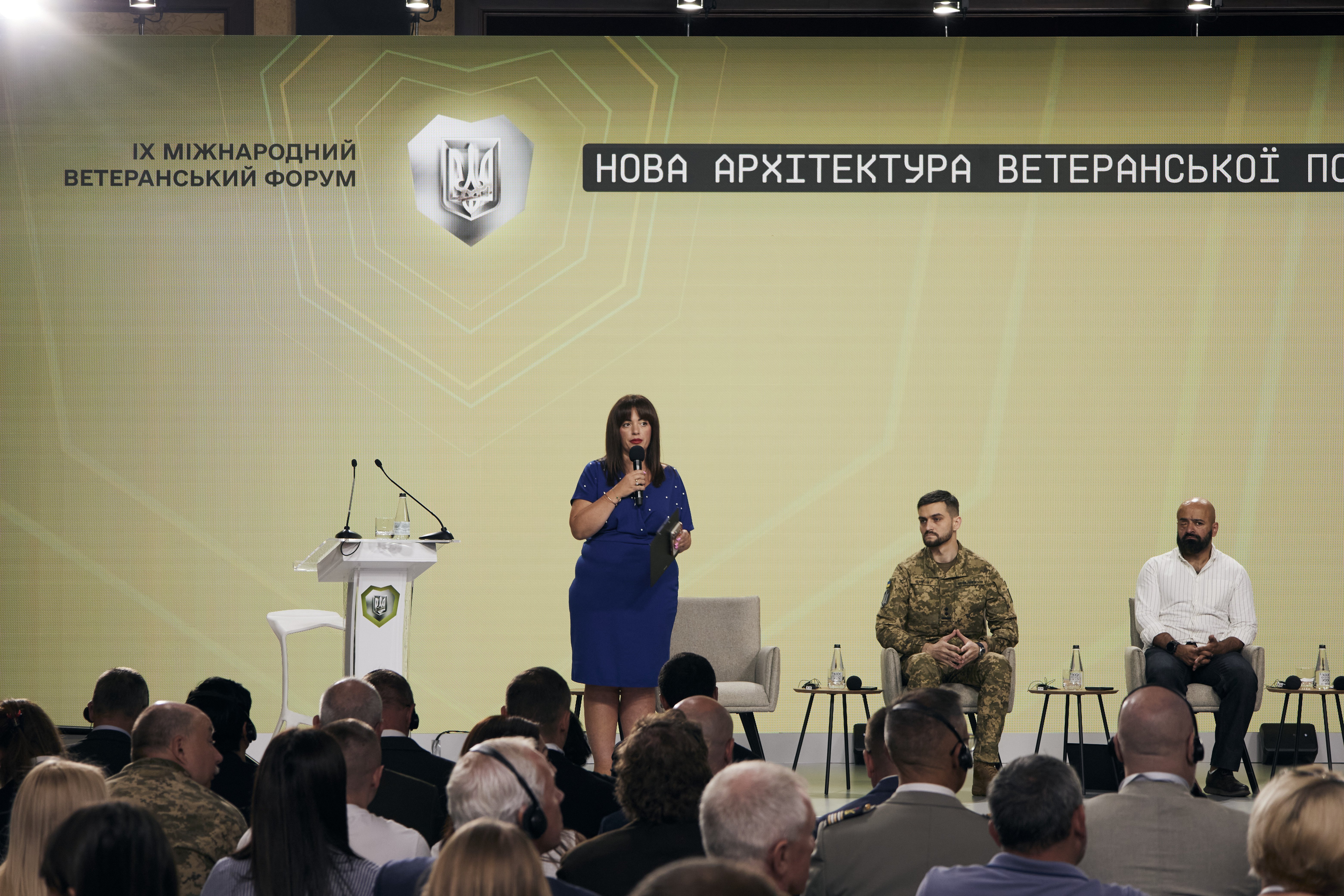
Oleksandr Tarasenko, deputy commander of Ukraine’s Unmanned Systems Forces, said years of high-intensity warfare have given Ukrainian troops the ability to quickly assess which technologies work under real battlefield conditions.
“Our soldiers have a unique capability born from years of high-intensity, regular warfare against a massive state aggressor,” Tarasenko said.
That experience, he added, is already being shared with Ukraine’s partners through joint exercises and military networks.
Masi Nayyem, co-founder of the military human rights center Pryntsyp, stressed that veterans should be viewed as a national resource rather than a burden, while warning against overlooking their rehabilitation needs.
Because many demobilized Ukrainians remain in the operational reserve and may return to military service, Nayyem said the distinction between an active-service member and a veteran can be particularly fluid during a prolonged war.
Physical and psychological rehabilitation, therefore, has to remain at the center of long-term veteran policy, he argued.
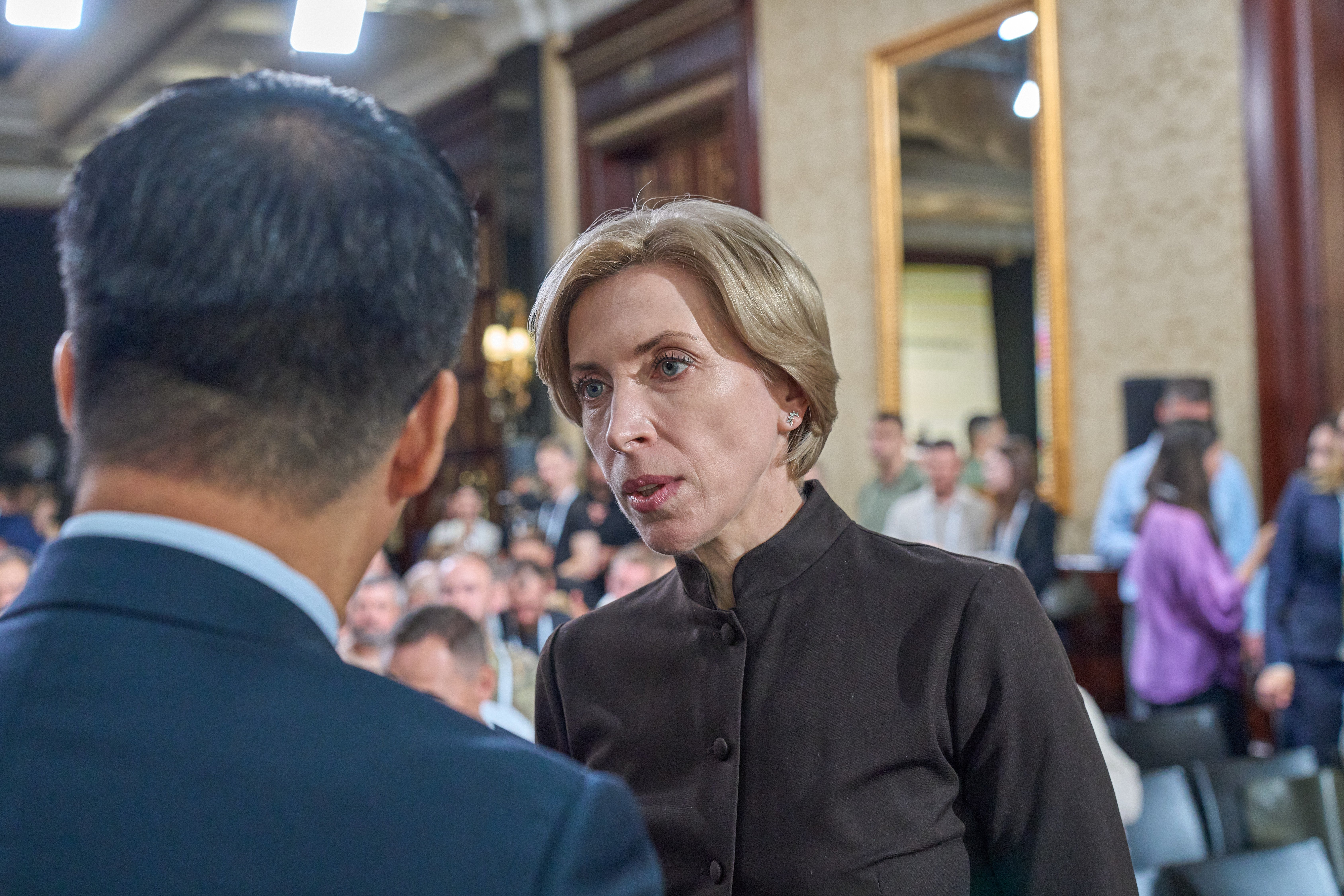
Government targets 100,000 jobs for veterans
Employment was another major focus of the forum.
Koretskyi said the government is working toward creating 100,000 additional jobs for veterans, involving state-owned companies, private employers, and government institutions.
He cited his previous experience at Naftogaz, where the return of around 5,000 veterans required the company itself to adapt.
“The company and its entire 100,000-strong collective had to adapt to the veterans, not the other way around,” Koretskyi said.
He also invited the veteran community to nominate a representative to serve as his permanent adviser, saying that government policy must be based “on reality, not theory.”
Energy Minister Denys Shmyhal said Ukraine’s energy sector could become a major source of employment for veterans.
According to Shmyhal, the sector is opening around 6,000 positions across state-owned and private energy companies, creating dedicated roles in engineering, technical security, and testing programs intended to streamline veteran recruitment.
Germany announces additional veteran support
German Foreign Minister Johann Wadephul said a Ukrainian flag given to him by commanders of Ukraine’s 1st Separate Assault Regiment hangs opposite his desk in Berlin.
“Before Russia’s war of aggression, these men were not soldiers. One was a student, one a family doctor, one a social worker, one a historian,” Wadephul said. “They did not choose this war ... yet they chose to defend their country.”
Wadephul announced an additional €3 million in German funding for veteran support and community hubs in Ukraine.
He said veterans would play an important role in Ukraine’s democratic resilience and should have opportunities to shape the country’s future after the war.
Retired US General Keith Kellogg also spoke about a recent visit to the Superhumans rehabilitation center in Odesa, where he met Ukrainian service members recovering from amputations.
“I saw amputees learning how to adapt to their injuries,” Kellogg said, adding that many told him they hoped to return to military service.
“This is the reason why your veterans are winning this war. No one can defeat the heart and love of their country like these heroes.”
Discuss this article:
-9a7b3a98ed5c506e0b77a6663f5727c5.png)

-72b63a4e0c8c475ad81fe3eed3f63729.jpeg "Photo of Cyril Barabaltchouk")

-29a1a43aba23f9bb779a1ac8b98d2121.jpeg "Photo of Illia Kabachynskyi")
-7d122a07556dc8e44148079aa671b3d7.jpg "Russia Takes Five Hits in Just Two Days as Ukraine Hunts Key Defense Factories")
-63c859efab550813c9d508440e946c5d.jpg "Russian Presidential Press Secretary Dmitry Peskov speaks on a mobile phone during a Russian-Kazakh forum, on July 25, 2026, in Omsk, Russia. (Source: Getty Images)")