- Category
- War in Ukraine
Ukraine Turns 3D Printers Into a Battlefield Advantage
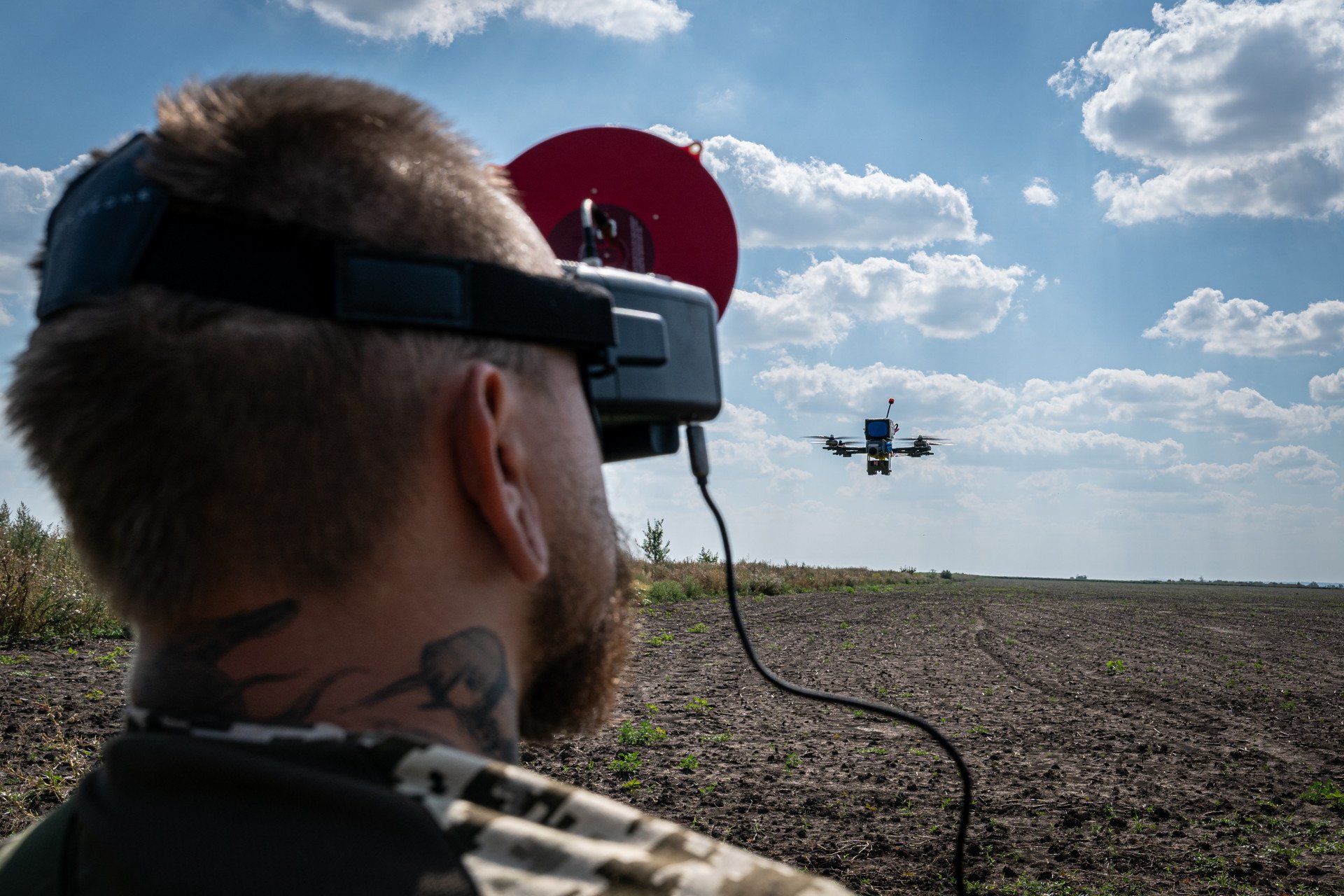
The modern battlefield is no longer only built in weapons factories. Across Ukraine, thousands of 3D printers are producing drone parts in hours instead of weeks. As the technology expands, one Czech company is proving speed does not have to come at the cost of security.
 Prefer U24 Media on Google
- Authors

-46f6afa2f66d31ff3df8ea1a8f5524ec.jpg "Photo of Jess Daly")
Across Ukraine, 3D printing has become part of the country’s rapid battlefield adaptation. Ukrainian soldiers and volunteers are using printers to produce drone components, repair equipment, and develop new solutions faster than traditional manufacturing.
What began with a DJ searching for replacement knobs and faders for his controller has grown into one of the world’s largest desktop 3D printing companies—with its technology now supporting Ukraine’s frontline.
“I used to say I was lazy,” Josef Prusa, the CEO and founder of PRUSA Research, Czechia, told UNITED24 Media. “But really, I was just efficient with my time and effort.”
Founded in Prague, PRUSA Research helped make 3D printing accessible beyond industrial factories. Josef Prusa’s journey began with a DIY printer kit and the RepRap project—an initiative to create self-replicating 3D printers capable of producing many of their own components.
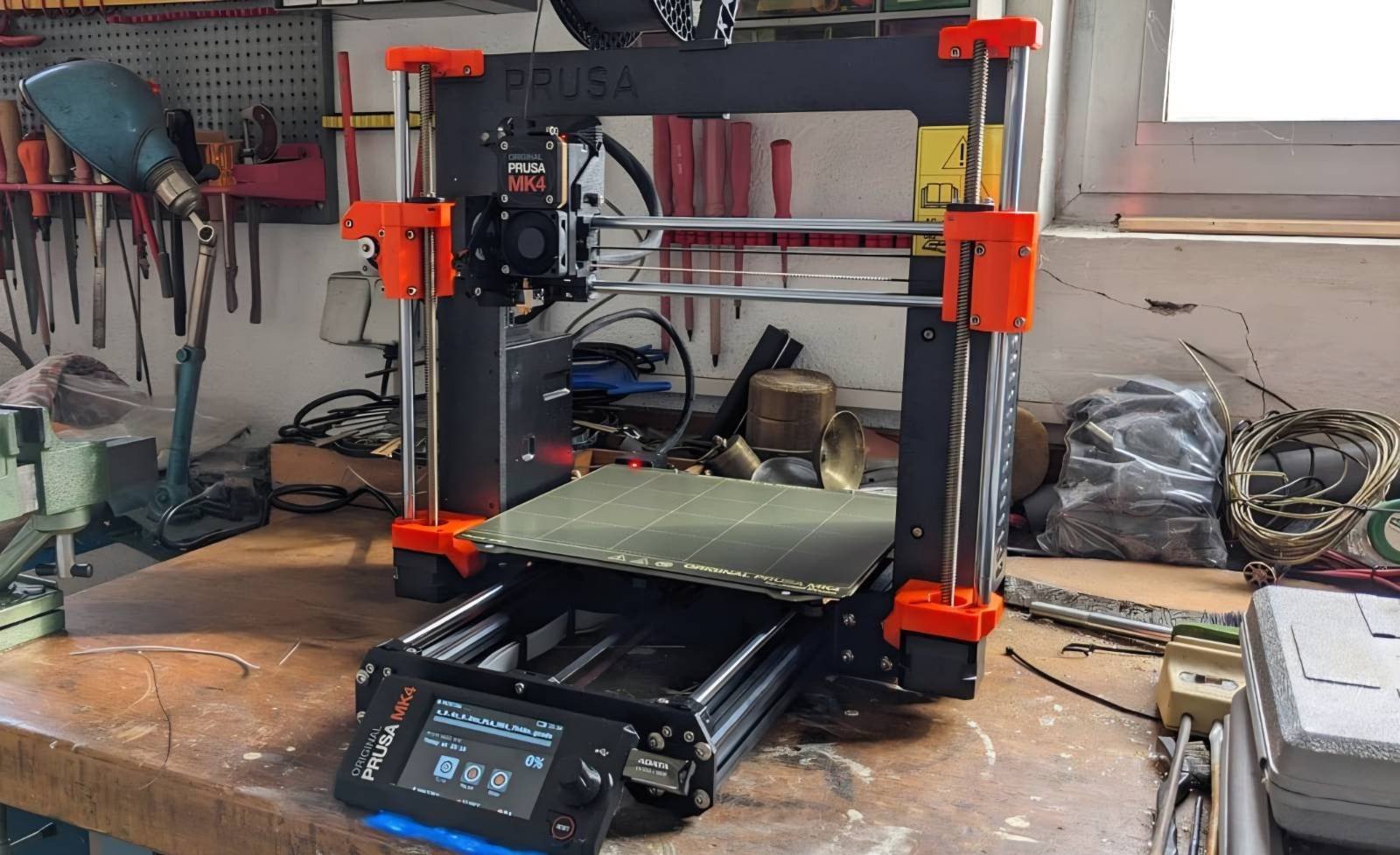
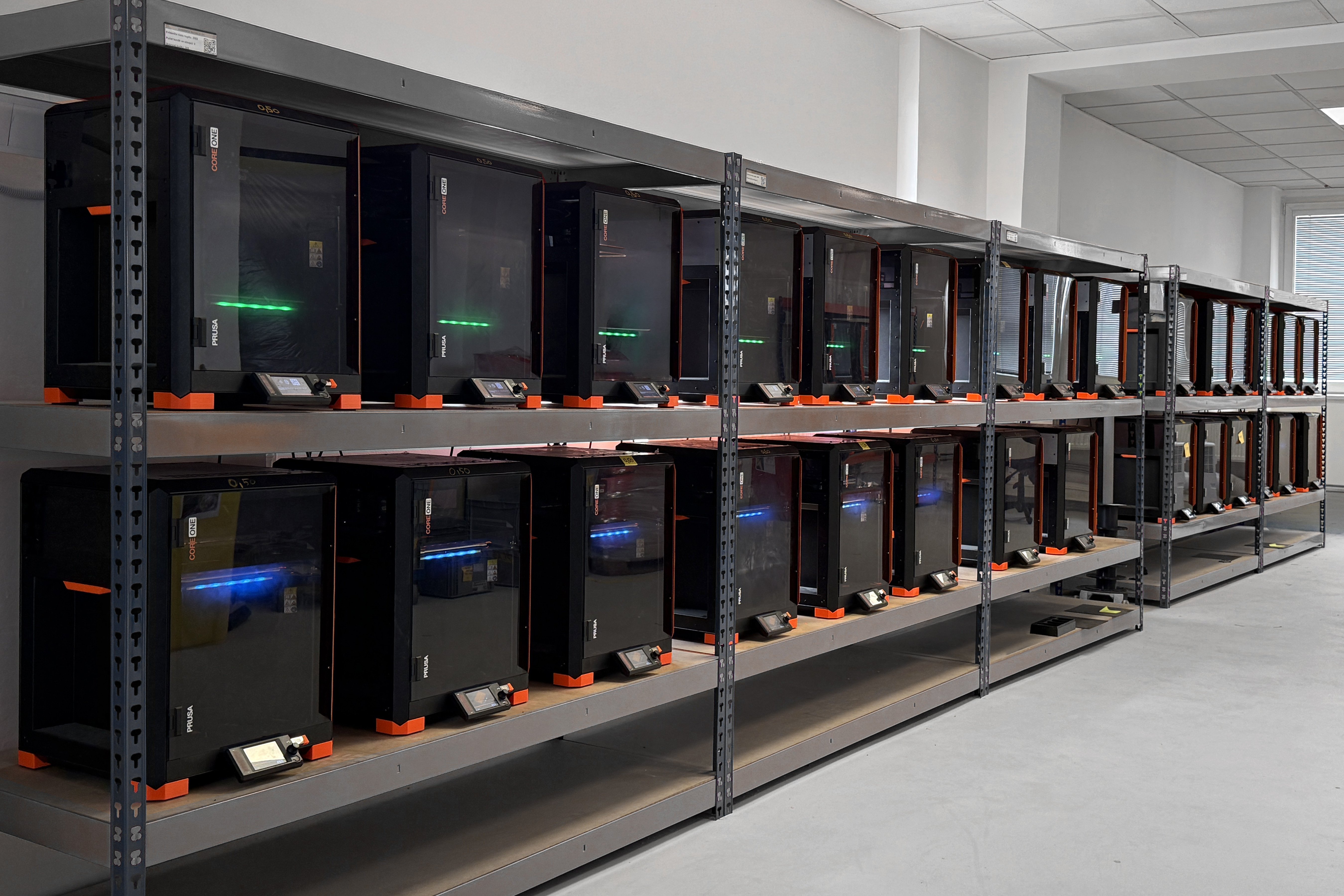
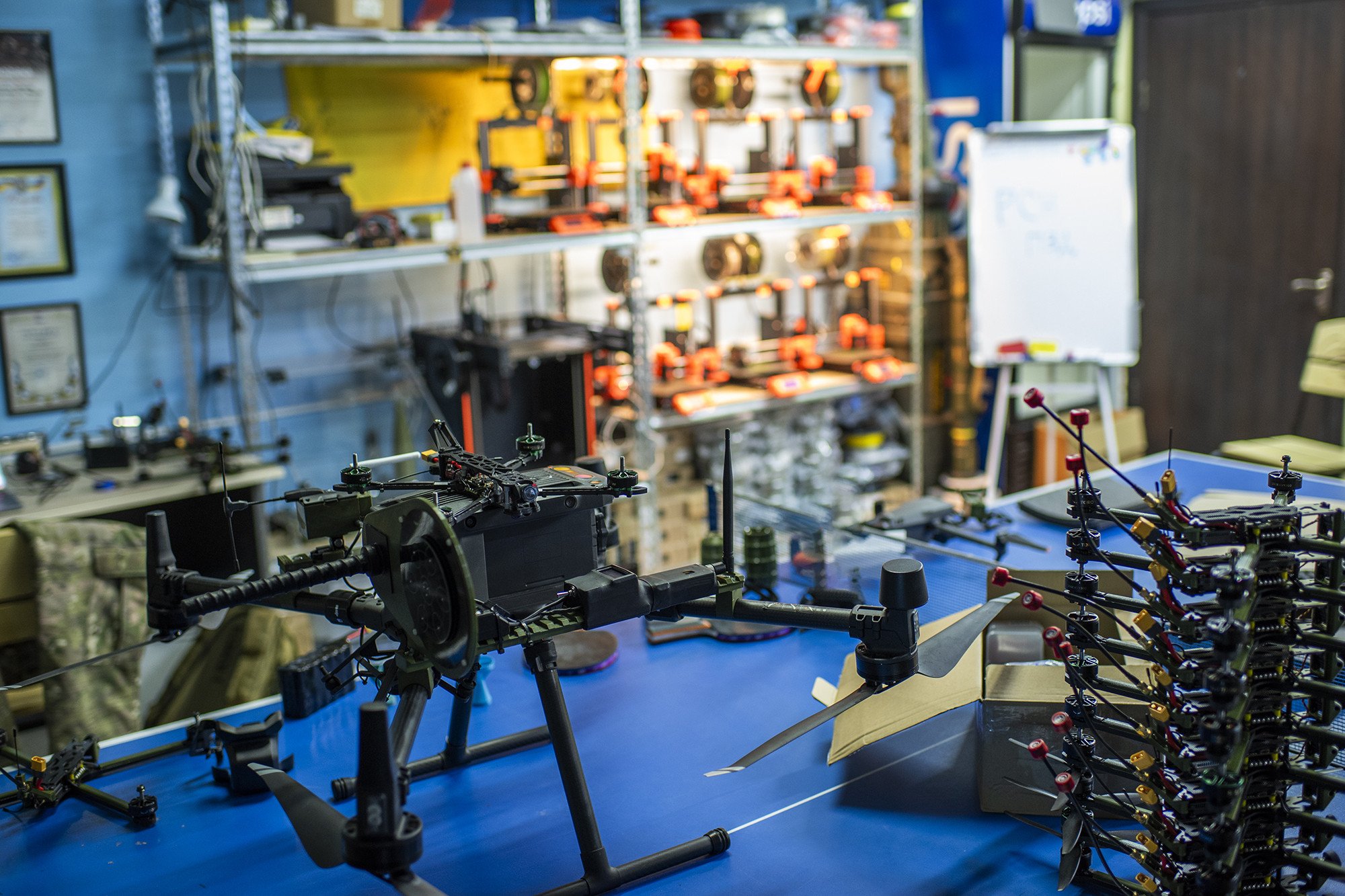
That focus on efficiency now defines PRUSA’s manufacturing model. At the company’s headquarters, hundreds of its own printers operate together in an automated print farm, producing components for new machines with minimal human intervention.
Over the past 17 years, PRUSA Research has grown from a hobby project into a global manufacturer. Its printers are now used across Ukraine, with frontline print farms producing vital equipment and components where they are needed most.
3D printing: Ukraine’s new battlefield advantage
What is Ukraine making with 3D printers?
When Russia launched its full-scale invasion, volunteers armed with desktop 3D printers began producing tail fins, brackets, and improvised bomb-release mechanisms for commercial drones.
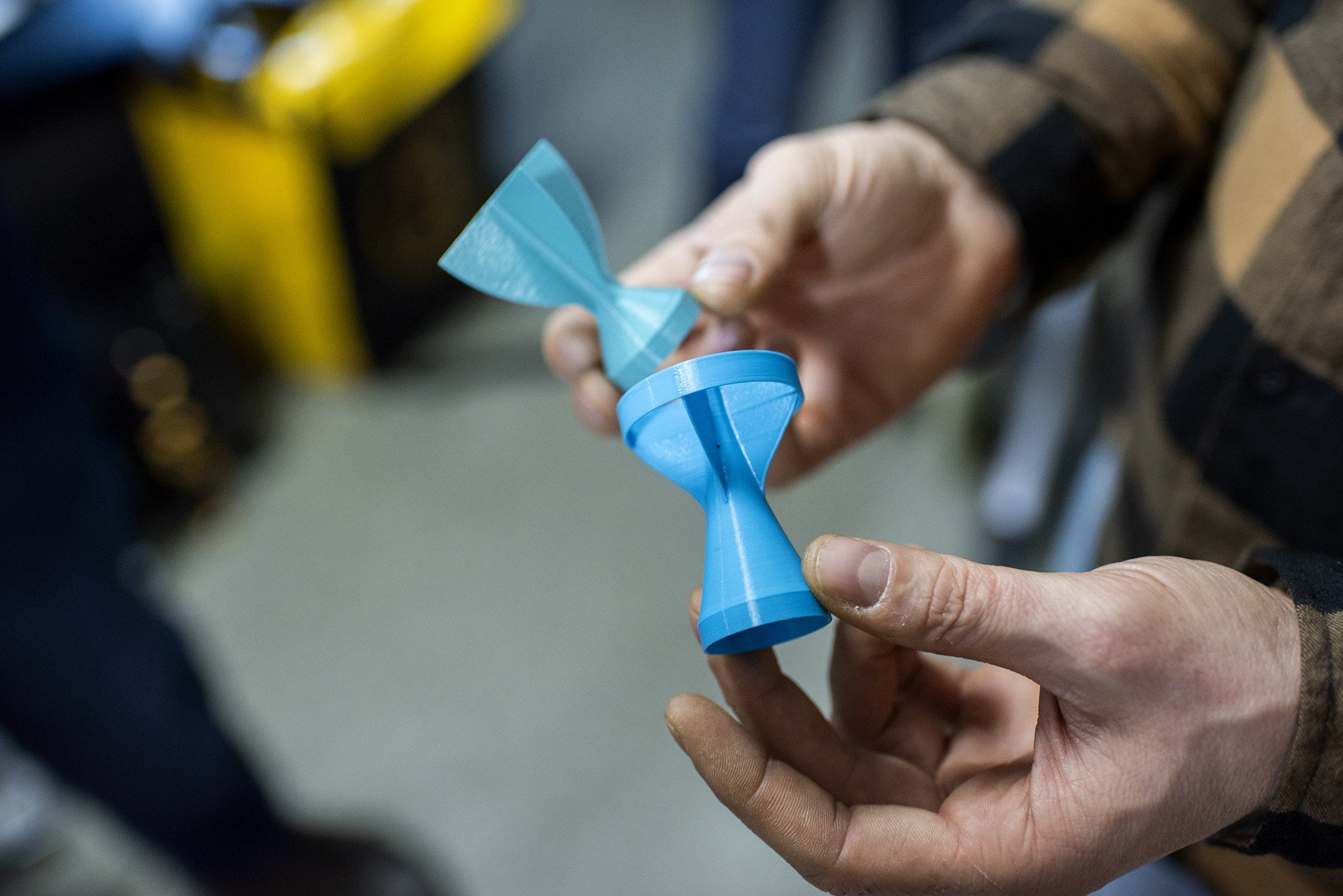
Today, Ukraine fabricates a range of tools to support the frontline, from custom mounts for mobile air defense teams and protective casings for unmanned ground vehicles (UGVs), to adapters that enable Soviet-era munitions to be deployed from drones. FPV drone casings, antenna mounts, and battery holders are continually redesigned based on frontline feedback, enabling improvements to be tested and produced within hours.
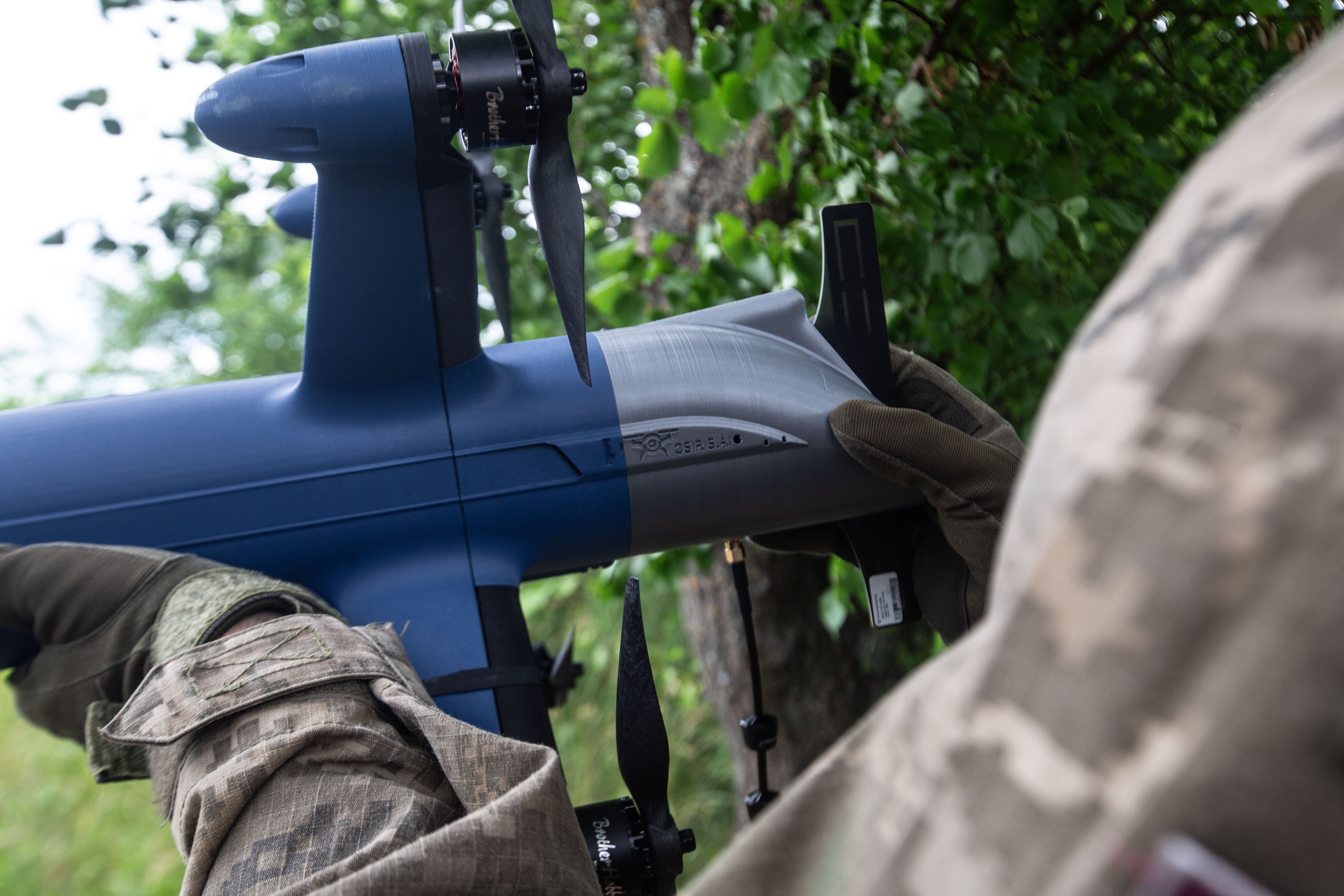
The system has become so effective that Ukraine's Ministry of Defense now integrates 3D-printed parts and manufacturing services into its official ‘Library of Components’ . Volunteer 3D-printing groups like DrukArmy have also developed specialized equipment, including magnetic extractors that safely remove misfired mortar rounds without putting soldiers at unnecessary risk.
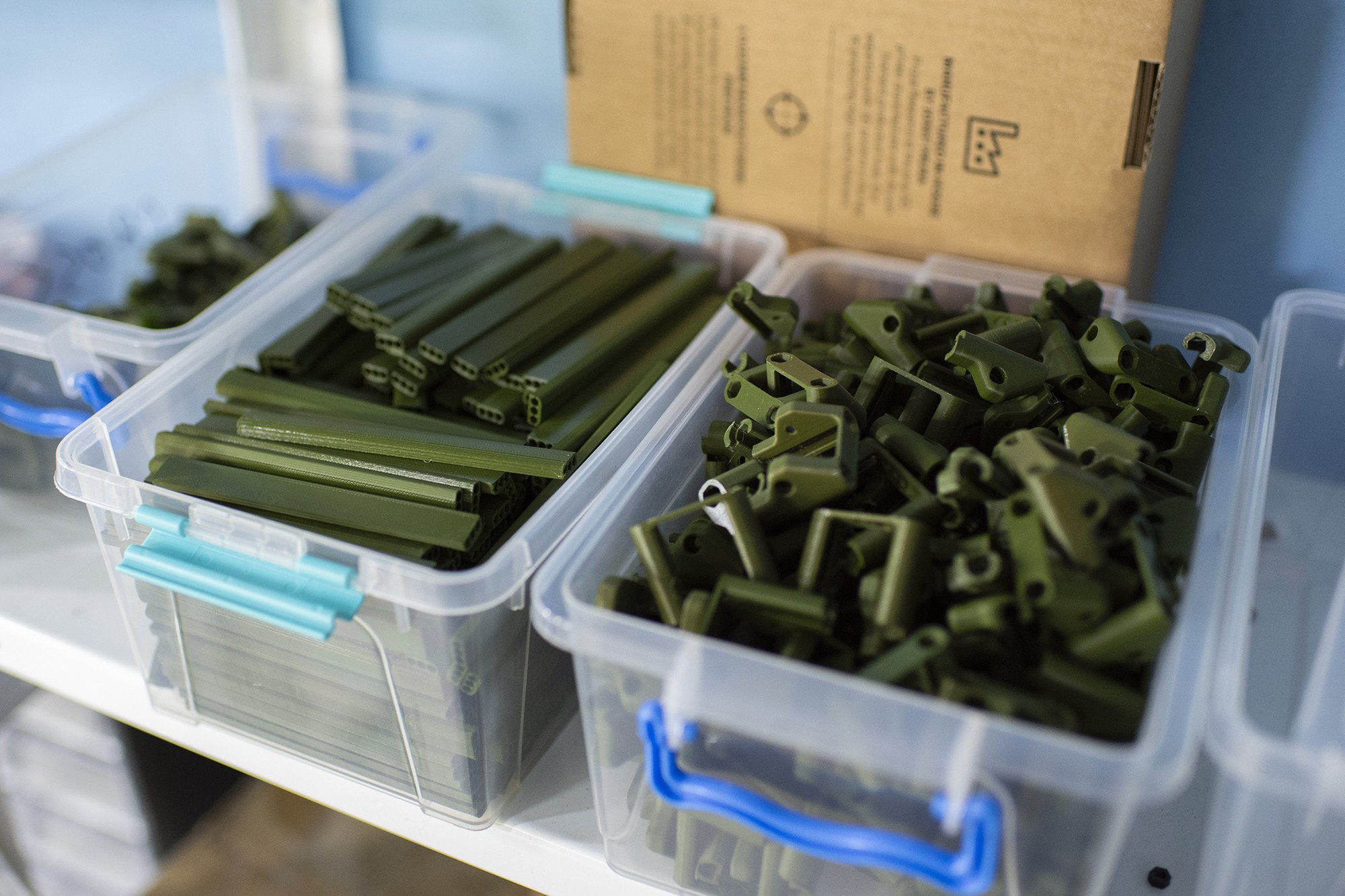
Ukraine has thousands of PRUSA printers operating across the country, including several undisclosed locations near the front lines. Since Russia’s full-scale invasion, the Czech company has donated printers and materials, supported Ukrainian users, and adapted its machines to include Ukrainian-language support.
Ukraine will be absolutely the most stunning startup nation of the whole of Europe.
Josef Prusa
CEO of PRUSA Research
“There is a big push in Western defense into adopting 3D printing,” Prusa says. “Because if there would be a global conflict, there are two superpowers that definitely know how to mass-manufacture FPV drones.”
For Ukraine, where drones account for more than 90% of Russian targets hit, the speed of innovation is critical. Designs evolve almost daily, meaning engineers need the ability to modify and produce new or replace damaged components immediately.
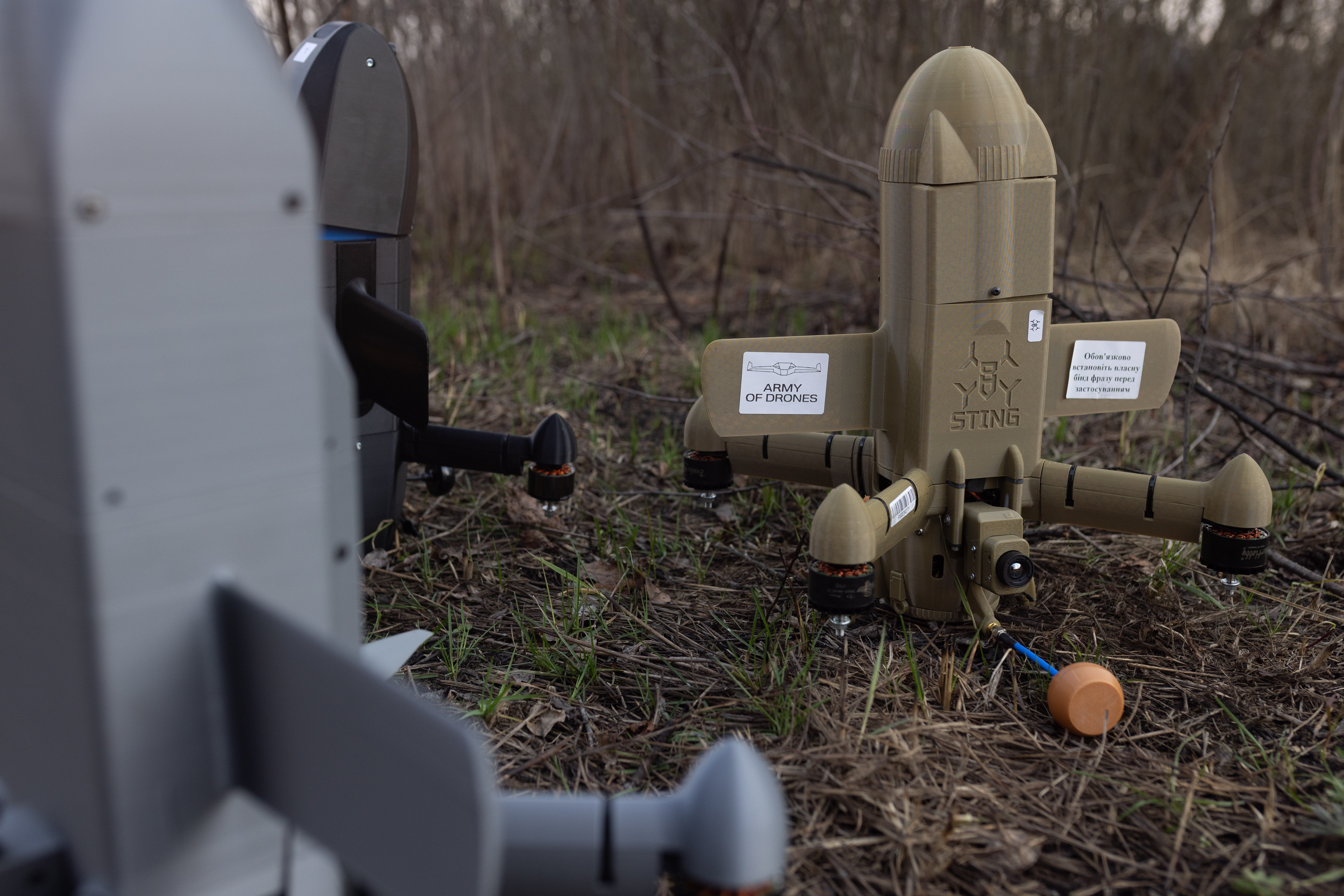
“It’s very difficult to counter without interceptors,” Prusa explains. “If you design a traditional interceptor with the big defense companies, it is outcompeted by the quicker innovation of the enemy. So you need to be able to iterate quickly.”
That ability to move from design to production within hours is one of the biggest advantages of additive manufacturing. “You cannot do that any other way,” Prusa says. “I love the spirit of innovation and finding non-obvious solutions from the traditional engineering standpoint.”
How 3D printing is transforming healthcare
Beyond the battlefield, Prusa believes these machines will also play a role in rebuilding Ukraine.
“They will help rebuild because there is a huge capacity, a lot of people who know how to operate them, and learnt how to design.”
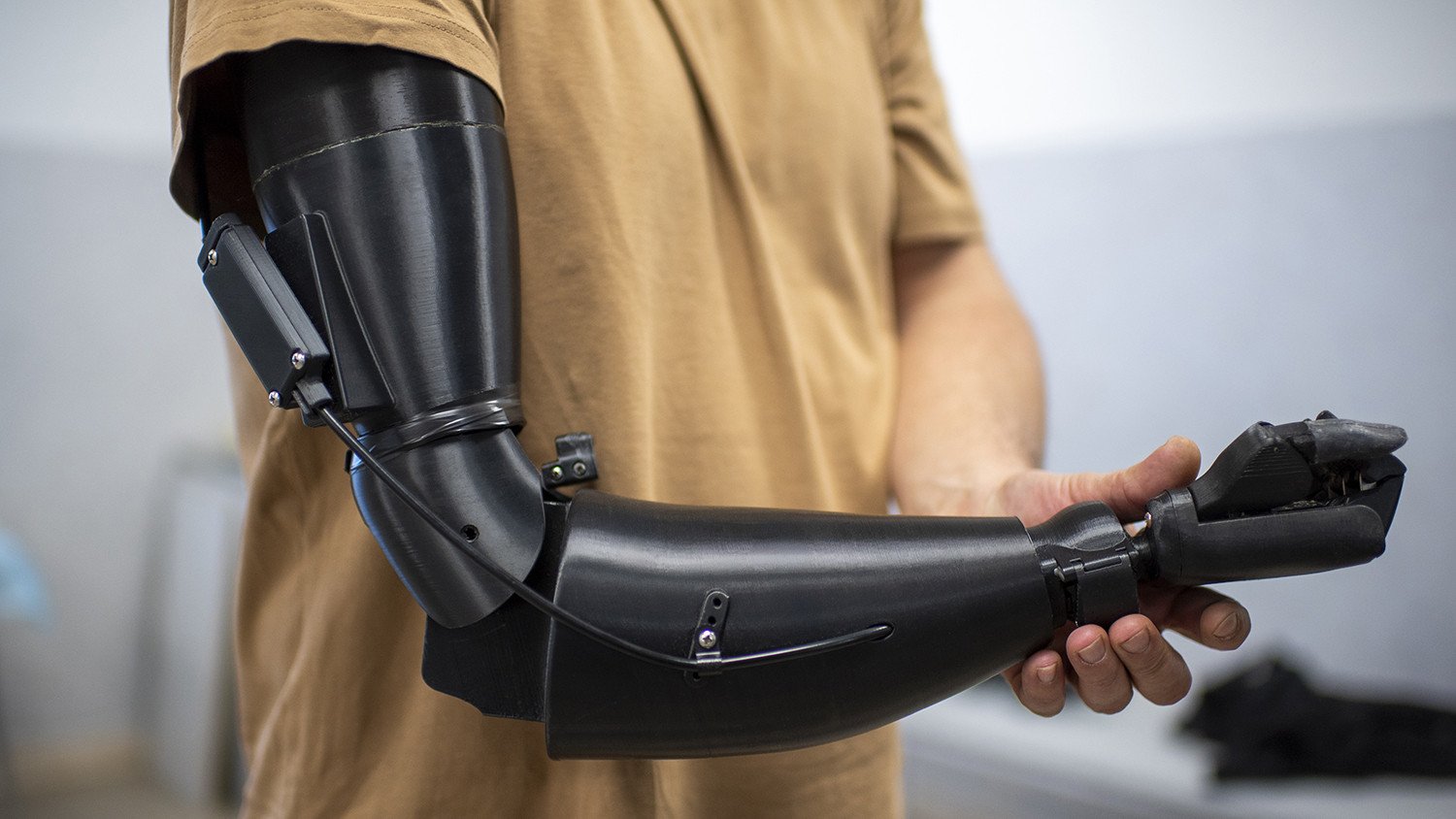
PRUSA’s printers are also producing components for prosthetics. The World Health Organization estimates that more than 100,000 amputations have occurred since Russia’s full-scale invasion. The ability to rapidly create affordable medical solutions is critical.
PRUSA’s printers have also demonstrated their value during previous crises. During the COVID-19 pandemic, when healthcare workers faced shortages of protective equipment, the company designed and produced face shields for Czech medical staff.
“Within two weeks, with our print farm, we managed to supply all the doctors, including dentists and general practitioners throughout the whole country.”
Speed is one thing. But how secure are these machines?
The hidden security risk inside the 3D printing revolution
As 3D printing becomes increasingly important to defense industries, it also creates a new cybersecurity challenge. The same connectivity that makes modern 3D printers easier to manage also creates a new security challenge, particularly when those machines are used to manufacture sensitive defense equipment. In April 2026, the UK’s Defence Secretary ordered an investigation into the British Army after it was revealed that the Army was using Chinese 3D printers, Bambu Lab 3D, to build weapons. In 2025, the British Army was found taking the same machines into the field during a military exercise in Kenya, to make “suicide drones” for attack missions, despite national security concerns, the Telegraph reported.
The UK Ministry of Defence (MoD) has since launched an internal investigation into cloud-based 3D-printing technology.
Prusa Research has taken a different approach by designing its printers to operate fully offline without mandatory cloud connectivity. For defense and Ukraine’s battlefield innovation efforts, this reduces the potential risk of attack and espionage. For Prusa, this is not an additional security feature; it is simply how technology should work.
“I am a tech guy, and I hate when something needs to be terminally online to function,” Prusa says. “It actually doesn't cost anything extra to make it work without the cloud. So it's bizarre. I wonder why somebody is trying to push it so much.”
How can a 3D printer become a gateway to sensitive data?
The concern, he explains, is not just the printer itself, but the vast amount of intellectual property and industrial data that passes through these machines.
“When you look at the huge fleets of machines which are by default connected to the cloud, you start to see how important the data from them are,” he says.
“Because 3D printers are concentrated in the places where new IP is created,” Prusa explains.
Governments are increasingly treating additive manufacturing as part of the defense supply chain—and that means protecting not only the parts being produced, but the digital information behind them. Prusa argues that these machines are often overlooked during cybersecurity assessments because they are still viewed as simple manufacturing tools.
“If the company is making something out of atoms, not ones and zeros, they are definitely using 3D printers,” he says. “But people see printers as a tool. You are not doing a cybersecurity assessment of a CNC router, right?”
Modern 3D printers, however, are far more than simple machines. “Today's machines are small Linux computers with cameras, Wi-Fi, etc.,” Prusa explains. “Each printer has its own matching slicer. That is basically data preparation. It's a program you give the part design in, and it makes instructions for the printer to do it.”
Prusa warns that some manufacturers embed hidden software into these systems, creating what he describes as, in effect, a data collection tool.
“Most of the software is based on our slicer …but all of the Chinese manufacturers, they bundle in a big black blob of binary networking,” he says. “So, actually, the part of the program that talks to the printer and talks to the cloud is a black box.”
Prusa says this is dangerous in two ways: the first is passive data collection.
“By the definition of the Chinese Communist Party (CCP) laws, the government has access to all data. They have the encryption keys by law,” he says, referring to China’s cybersecurity and data regulations.
He argues that even if machines connect to servers located outside China, the data could still potentially be accessed. “It doesn’t matter if the printer talks to the servers in Frankfurt or Austin; they still can see the data,” he explains. Therefore, the CCP can access all information about anyone using Chinese 3D printers.
For defense and industrial sectors, that information could provide insight into new technologies, manufacturing capabilities, future projects, and most critically for Ukraine, insight into frontline operations.
“The bigger picture is that you can see in real time what the whole European industry is working towards, what countries are developing. That is just too good data not to look at, and there is no such thing as too much data,” Prusa says. “It is a goldmine.”
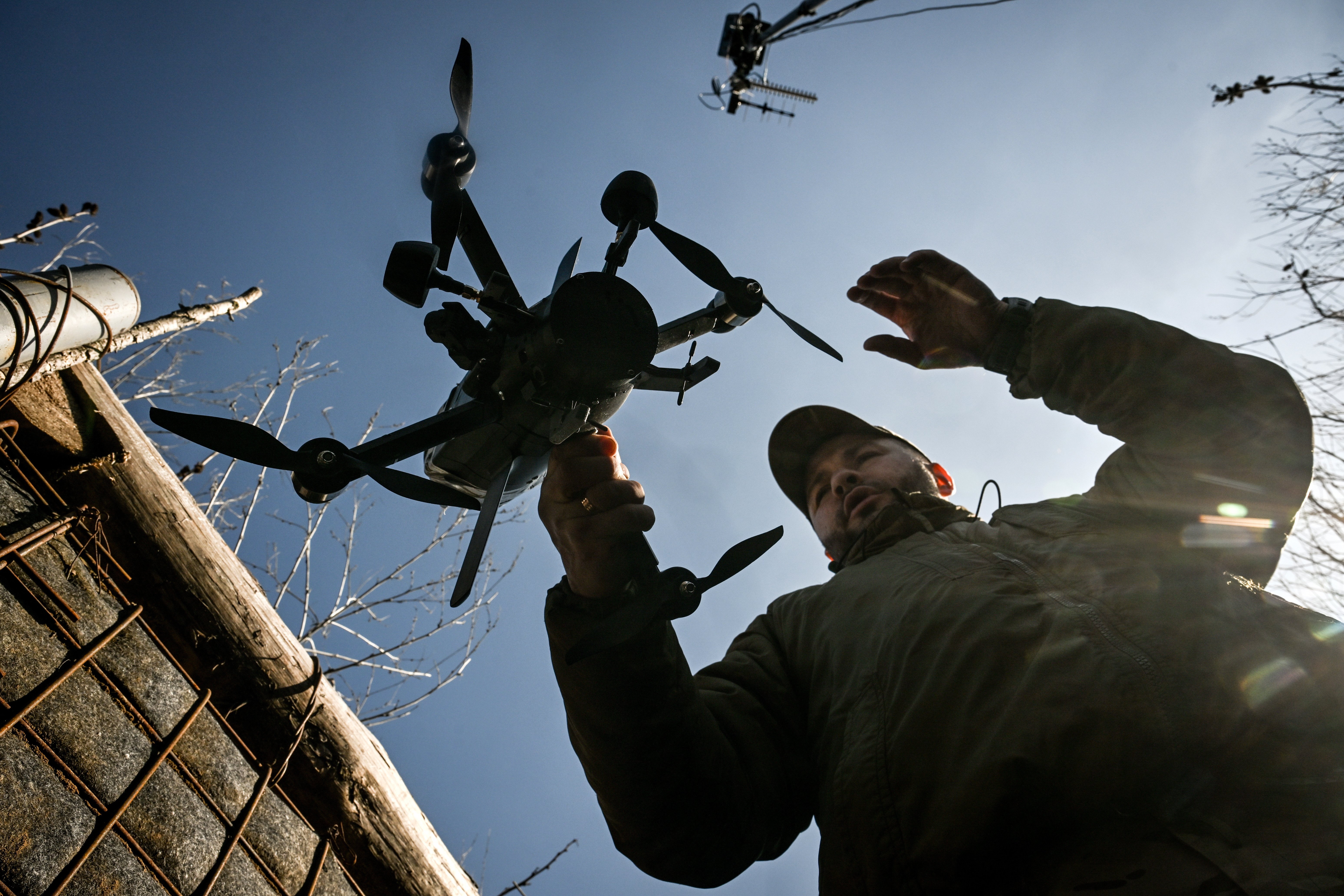
The second risk, he explains, is more active: using the printer itself as a route into hacking into a company’s network. “Those machines are Linux computers. So, adversaries can use that as a Trojan horse into your network,” Prusa warns, “you wouldn’t even know about it”.
As defense industries increasingly integrate additive manufacturing into their supply chains, the security of the machines producing critical components is becoming a new front in the wider technology competition between Russia, China, and the West.
PRUSA has shown that affordable, rapid manufacturing need not come at the cost of security. For defense industries, the choice of who builds the machines may become as important as what those machines build.
Discuss this article:


-b2c0934adc5507a1952dd338f2088b88.png "North Korean M1989 Koksan artillery system moments before a Ukrainian FPV drone strike, October 2026.")

-2a1646737344cdcf3a03bdb85e4e4533.png "Footage released by Ukraine’s Khyzhak Brigade shows a strike on a Russian BM-21 Grad multiple-launch rocket system concealed inside a shelter. (Source: Joint Forces Task Force)")
-72b63a4e0c8c475ad81fe3eed3f63729.jpeg "Photo of Cyril Barabaltchouk")
-111f0e5095e02c02446ffed57bfb0ab1.jpeg "Photo of Roman Kohanets")