- Category
- War in Ukraine
Ukrainian Drones Bring Russia’s Black Sea Container Traffic From 1.1 Million to Zero
 Prefer U24 Media on Google
- Authors


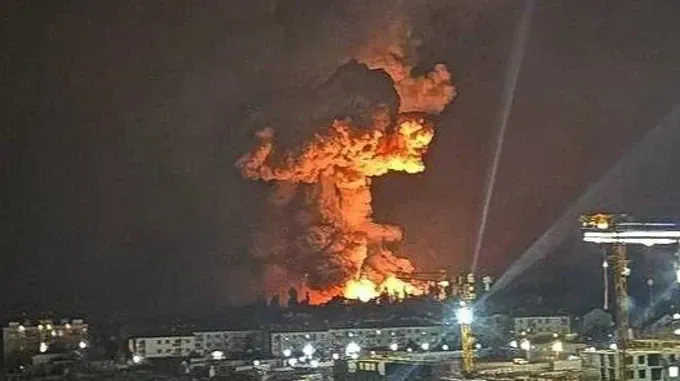
Russian ports in the Black Sea and Sea of Azov recorded zero container throughput in October 2026, following a series of Ukrainian drone attacks that prompted shipping companies to withdraw from routes serving Russia’s southern maritime terminals.
We bring you stories from the ground. Your support keeps our team in the field.
According to The Moscow Times on November 17, the disruption has effectively halted container operations at Russia’s southern ports, including Novorossiysk, which handled approximately 1.1 million TEUs (twenty-foot equivalent units) in 2025.
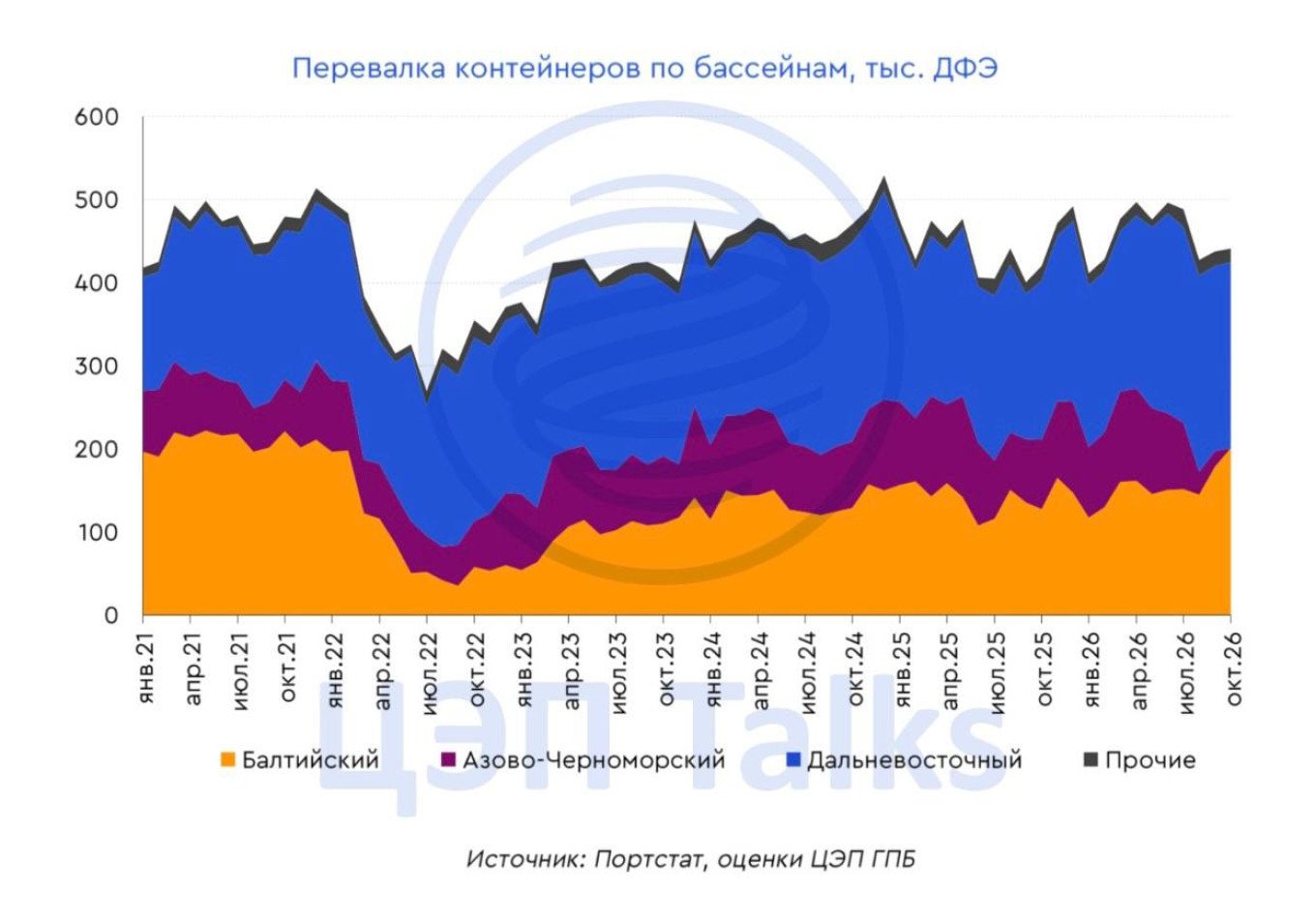
The decline follows intensified Ukrainian attacks on vessels in the Black Sea over the summer. By October, the remaining shipping operators serving Novorossiysk had withdrawn from the route amid growing security concerns.
Alexey Gagarinov, CEO of shipping company Sea-Shipping, previously confirmed that the last carriers had withdrawn from Novorossiysk, forcing importers to seek alternative routes.
Despite the halt in container operations across the Azov–Black Sea basin, Russia’s overall maritime container traffic increased by 5% year-on-year in October, according to Gazprombank’s Economic Forecasting Center.
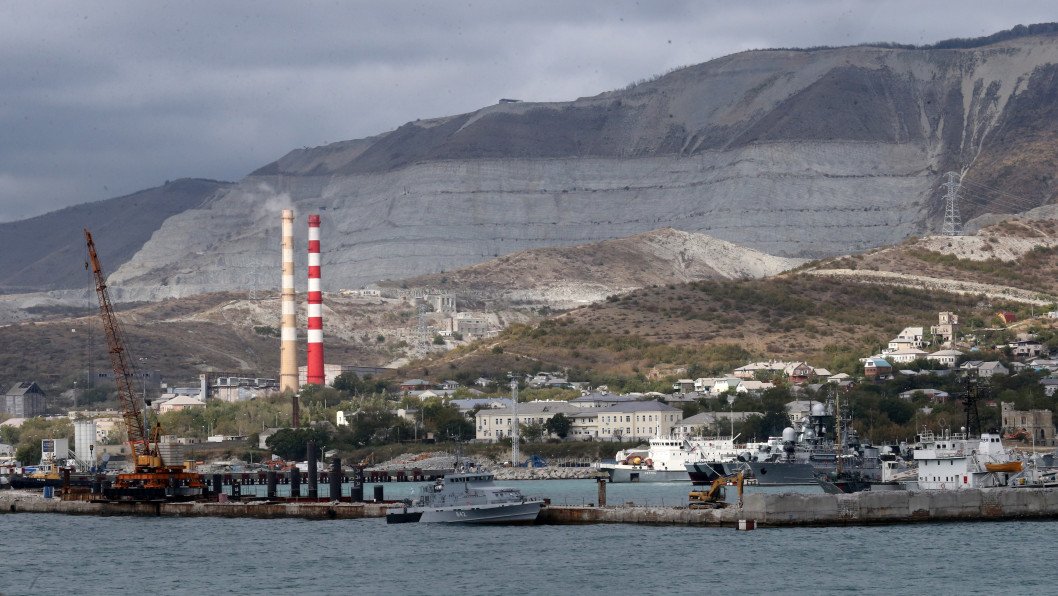
During the first ten months of 2026, Russian ports handled 4.57 million TEUs, up 4.5% from the previous year and just 60,000 TEUs below the 2021 record.
Cargo previously shipped through southern ports has been redirected to the Baltic Sea and the Russian Far East. In October, Baltic container throughput exceeded 200,000 TEUs for the first time since December 2021, while Far Eastern volumes approached their 2024 record.
However, the shift has significantly increased shipping costs and delivery times. Cargo from Turkey that previously reached Novorossiysk in three to five days now travels through the Mediterranean, the Strait of Gibraltar, the English Channel, and the North Sea to St. Petersburg.
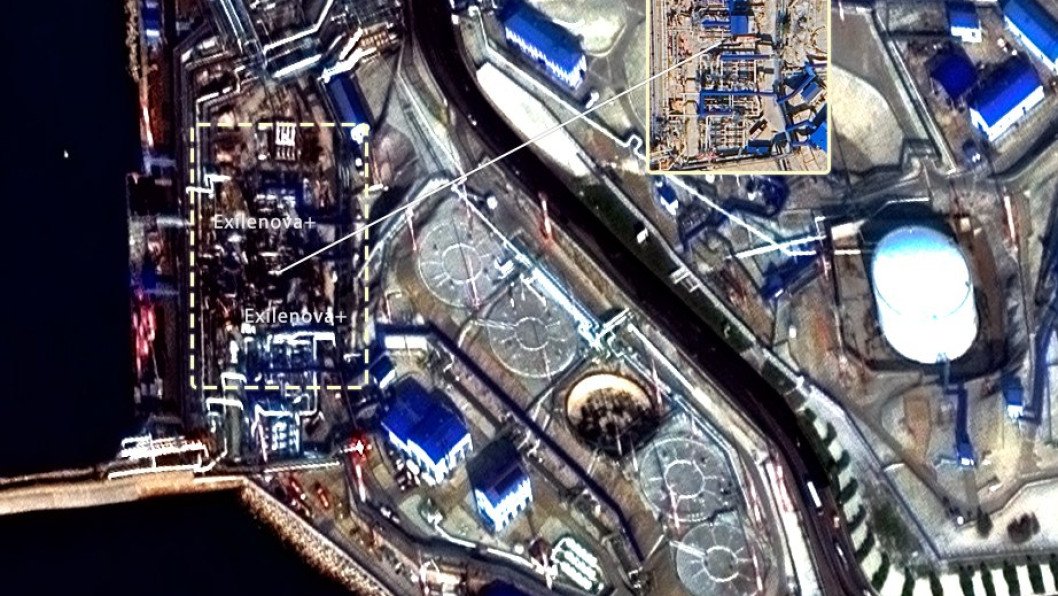
According to The Moscow Times, delivery times have increased to two to three weeks, while shipping costs per container have risen threefold to sixfold. The additional cargo is also straining Russia’s transportation infrastructure. Although St. Petersburg has spare terminal capacity, limited railway connections could create bottlenecks.
Similar problems have emerged in the Far East, where containers faced railway loading delays of up to two weeks in early October. Logistics companies warn that growing cargo volumes could further increase delays and transportation costs.
Earlier, in August, MSC Mediterranean Shipping Co., the world’s largest container shipping company, suspended new bookings to and from Novorossiysk after one of its vessels was struck by a drone. The company continued operating at other Russian ports, including St. Petersburg.
Discuss this article: