- Category
- War in Ukraine
Ukrainian HIMERA Repeater Keeps Working After 10 Russian Attacks and Partial Building Collapse
 Prefer U24 Media on Google
- Authors


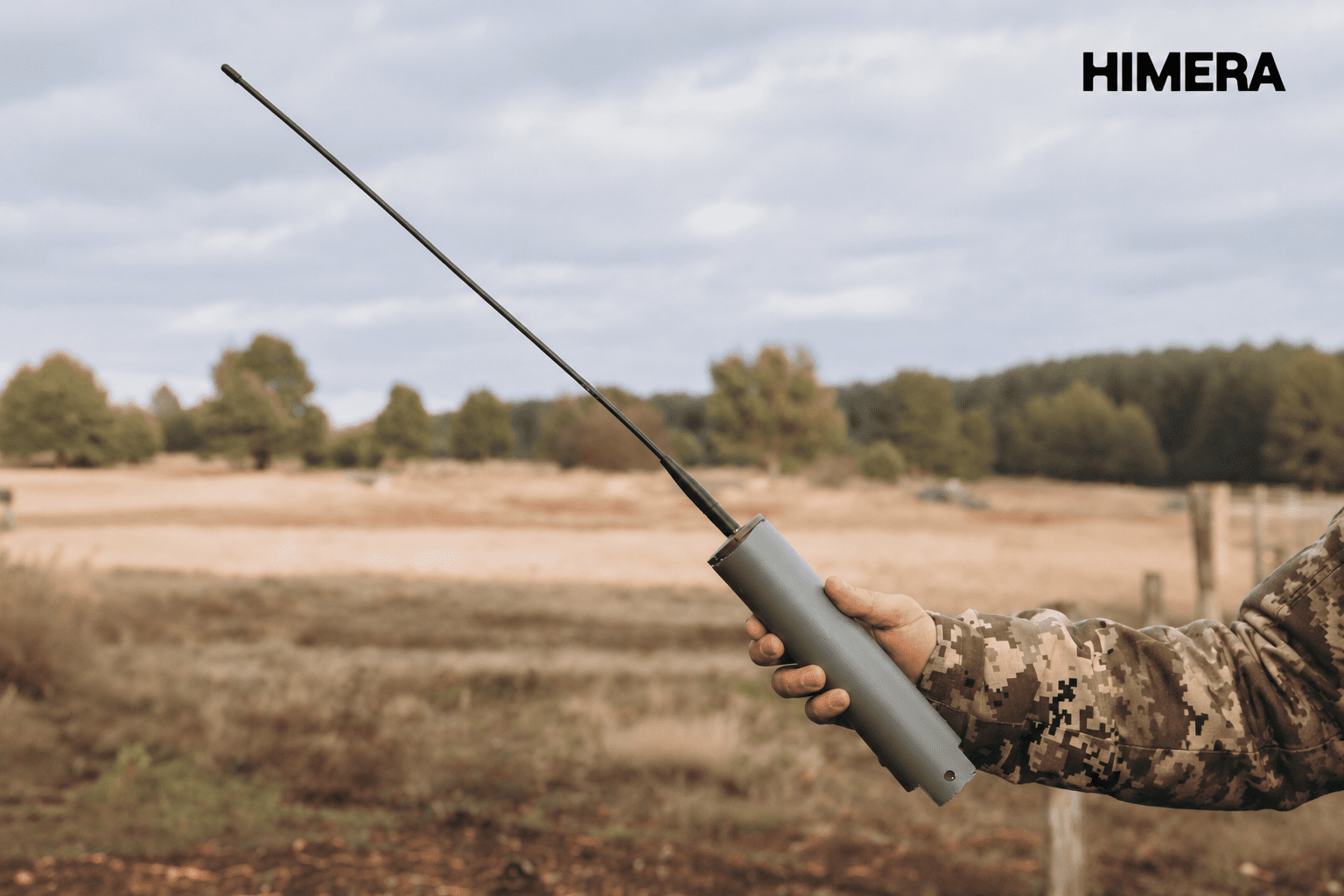
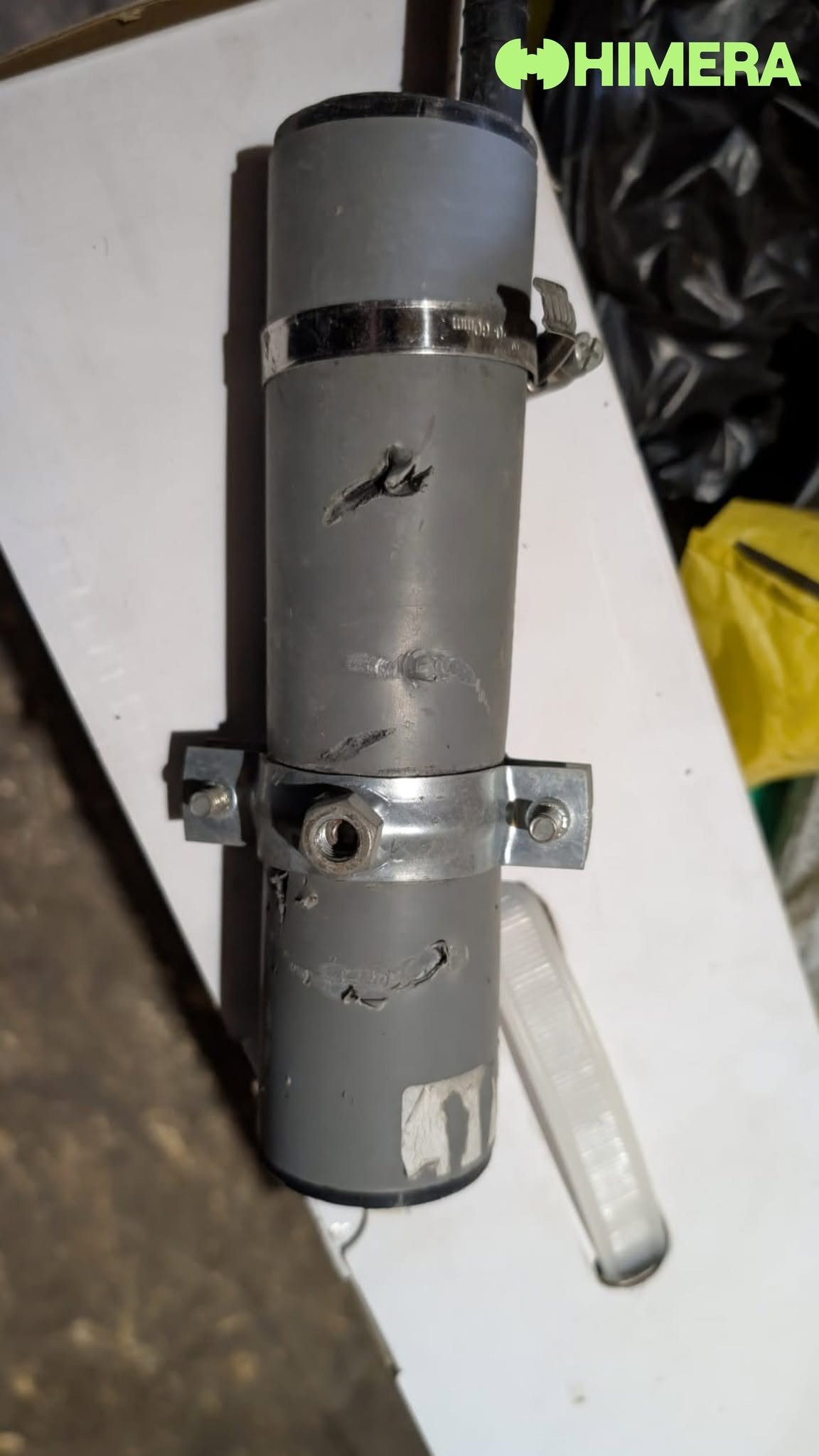
A Ukrainian-made HIMERA B1 communications repeater remained operational after surviving 10 Russian attacks involving FPV drones and guided aerial bombs, as well as the partial collapse of the building where it was deployed.
We bring you stories from the ground. Your support keeps our team in the field.
According to Ukrainian defense communications company Himera Radios on September 15, the repeater was used by personnel of Ukraine’s 1st Border Guard Detachment and installed on a telecommunications tower in the Kharkiv region.
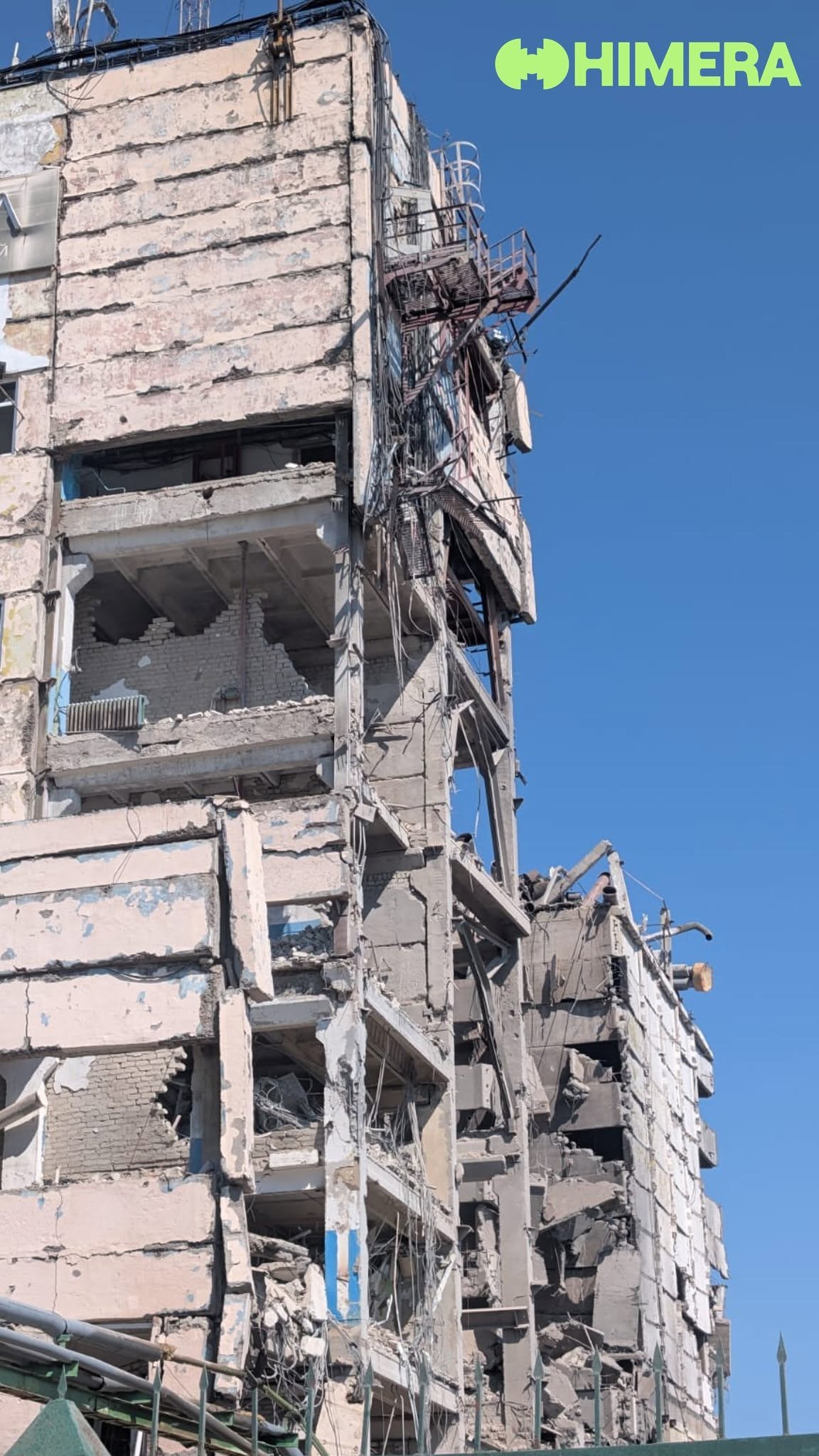
The device operated together with a second HIMERA B1 positioned 10.5 kilometers (6.5 miles) away. Himera Radios said each repeater provided communications coverage across an area extending roughly five kilometers (3.1 miles).
During one of the attacks, the repeater’s power system was destroyed. Subsequent strikes partially collapsed the building supporting the communications position, causing the HIMERA B1 to fall and become buried beneath debris.
Despite the damage, the unit continued operating and maintained its communications link, according to the manufacturer. “Even after that, the repeater remained operational and continued to stay connected,” Himera Radios said.
Ukrainian personnel later located the device and recovered it from beneath the rubble because it was still functioning. Himera Radios said the building and telecommunications tower were eventually completely destroyed during the final attack.
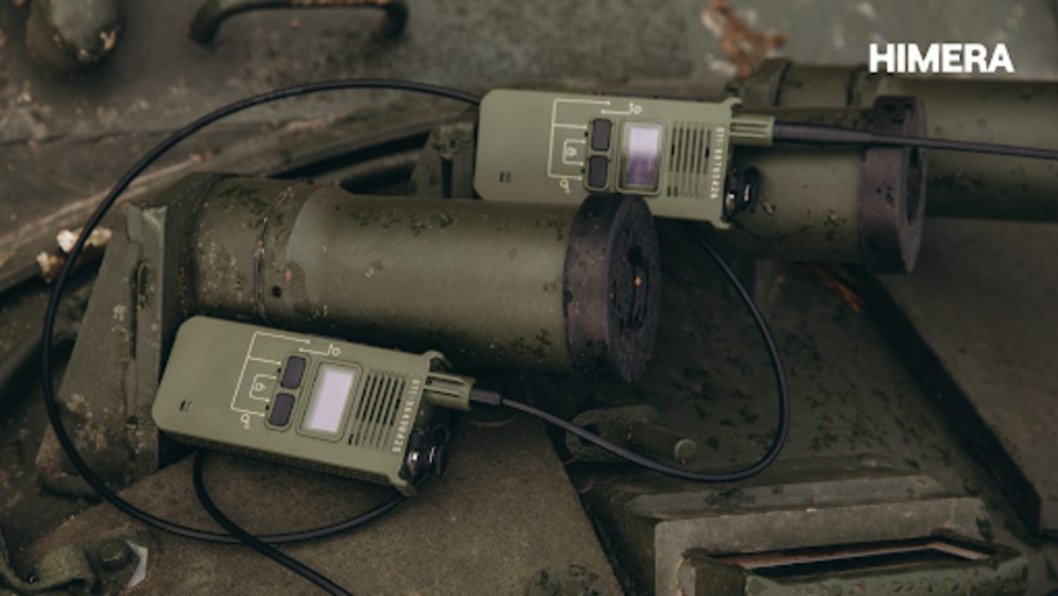
The HIMERA B1 is an autonomous repeater designed to extend the coverage of mesh and mobile ad hoc networks, allowing military units to maintain communications over greater distances without relying on conventional fixed infrastructure.
Himera Radios presented an updated version of the HIMERA B1 in December 2025. The system is designed to operate autonomously for up to 14 days, according to the company.
Earlier, in August, Himera Radios tested its secure communications system in the Amazon rainforest, where the network provided voice and data coverage across more than 100 square kilometers despite dense vegetation, difficult terrain, and heavy tropical rainfall.
Discuss this article:
-9a7b3a98ed5c506e0b77a6663f5727c5.png)

-c439b7bd9030ecf9d5a4287dc361ba31.jpg "Photo of Katherina Popilnichenko")

-111f0e5095e02c02446ffed57bfb0ab1.jpeg "Photo of Roman Kohanets")

-72b63a4e0c8c475ad81fe3eed3f63729.jpeg "Photo of Cyril Barabaltchouk")