- Category
- War in Ukraine
United Nations Blacklists Russian Military After Verifying Hundreds of Sexual Violence Cases
 Prefer U24 Media on Google
- Authors


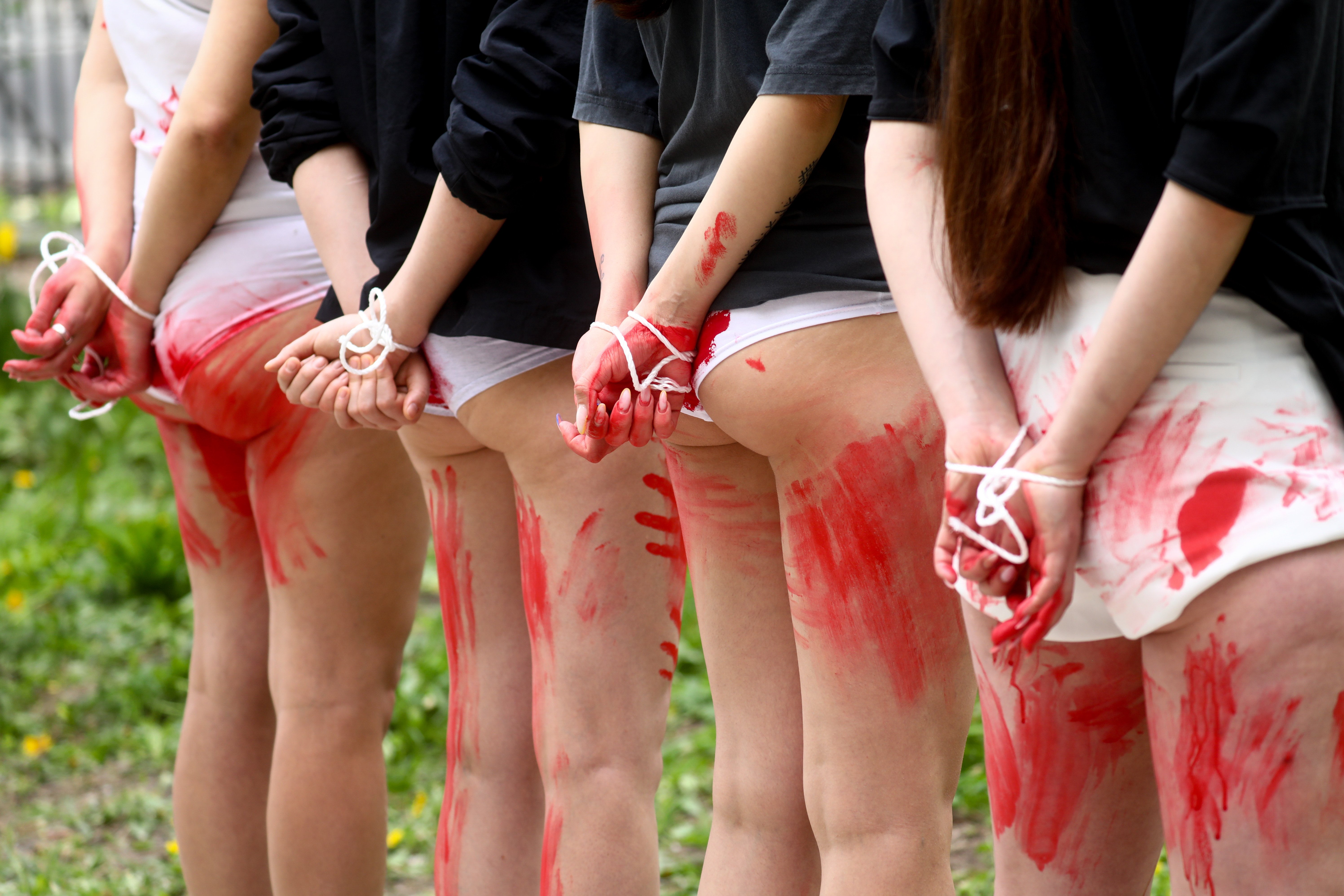
The United Nations has, for the first time, added Russian forces to its blacklist of parties suspected of committing sexual violence in armed conflicts, according to an annual report cited by the Associated Press on May 29.
We bring you stories from the ground. Your support keeps our team in the field.
The report states that Russian armed forces and security services were also added to the blacklist this year for alleged sexual violence against prisoners of war and civilians detained during the war in Ukraine.
“Russian armed and security forces were also blacklisted for the first time this year for sexual violence against prisoners of war and civilians detained during the war in Ukraine,” the report said.
According to the findings, Russian authorities have consistently denied access to UN human rights investigators. Despite this, the report says investigators were able to verify 310 cases of conflict-related sexual violence in Russia and in occupied territories of Ukraine, involving both prisoners of war and civilians, with the vast majority of victims identified as men.
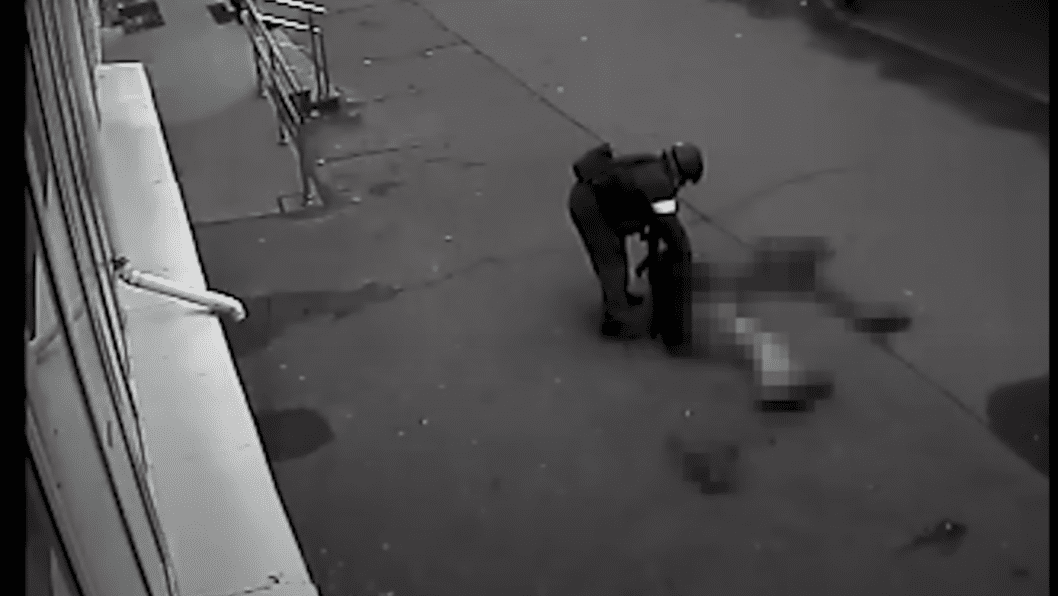
Human rights monitors in Ukraine have also documented 31 additional cases of conflict-related sexual violence involving prisoners of war and civilians, most of which occurred prior to 2025.
On May 22, Ukraine’s Human Rights Ombudsman Dmytro Lubinets announced that Russia employs 695 distinct methods of torture against Ukrainian prisoners of war, including physical and psychological abuse as well as sexual violence.
He said documented abuses include unsanitary detention conditions, starvation used as a means of coercion, and various forms of physical violence.
-c402e055fd384d382202a15013453cb6.jpg)
Lubinets noted that Ukrainian authorities have recorded 860 cases related to improper detention conditions.
“Prisoners of war are strangled, beaten, subjected to electric shocks, attacked with dogs, and sometimes forced to stand in one place for up to 18 hours. And as soon as you begin to squat, you are immediately physically beaten,” he said.
He further described a method of abuse known as the “barber,” in which detainees’ hair is cut in a way that also removes pieces of skin from the scalp. Lubinets added that any reaction from detainees, including screaming, typically results in further beatings or the use of electric shocks.
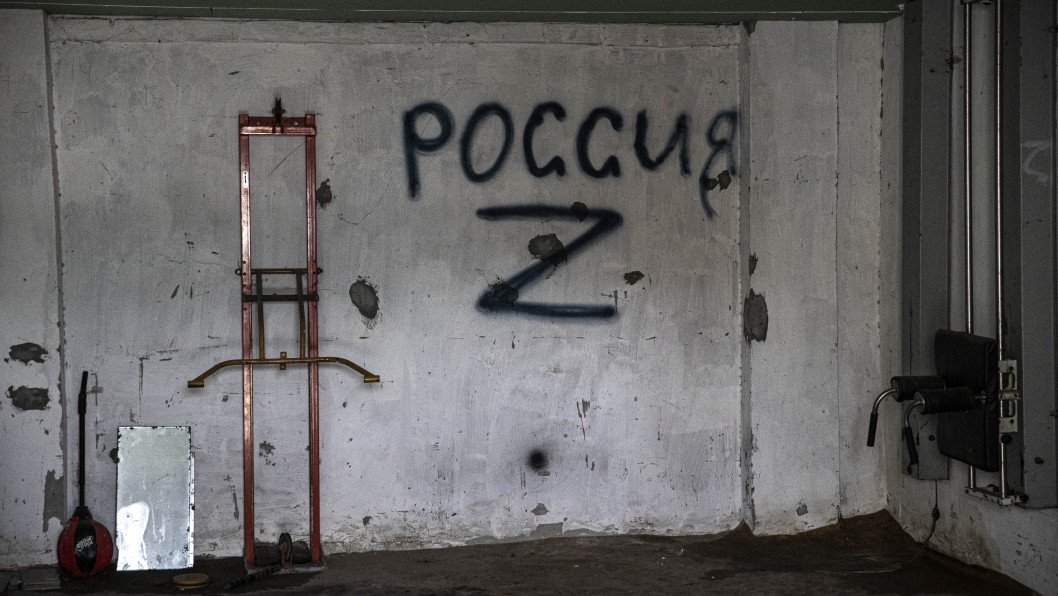
The developments come shortly after the death of Ukrainian military medic Oleksandr Krokhmaliuk, head of the Azov unit’s medical service, while in Russian captivity. A forensic examination was carried out following the repatriation of his body to Ukraine.
Palamar said Krokhmaliuk joined the Azov brigade in 2016 and was captured after leaving the Azovstal steel plant in Mariupol. He added that Krokhmaliuk was first held in Olenivka before being transferred to detention facilities in Taganrog and Kamyshin in Russia.
Discuss this article: