- Category
- War in Ukraine
Why Attacks on Ukraine’s Power Substations Could Have Consequences for Nuclear Safety Worldwide
 Prefer U24 Media on Google
- Authors


Ahead of the winter season, Russia has intensified strikes against power generation infrastructure, electrical substations, and distribution networks across Ukraine.
Intelligence reports from early October indicated a multi-stage plan targeting Ukraine's energy infrastructure, as reported by ZN.UA.
We bring you stories from the ground. Your support keeps our team in the field.
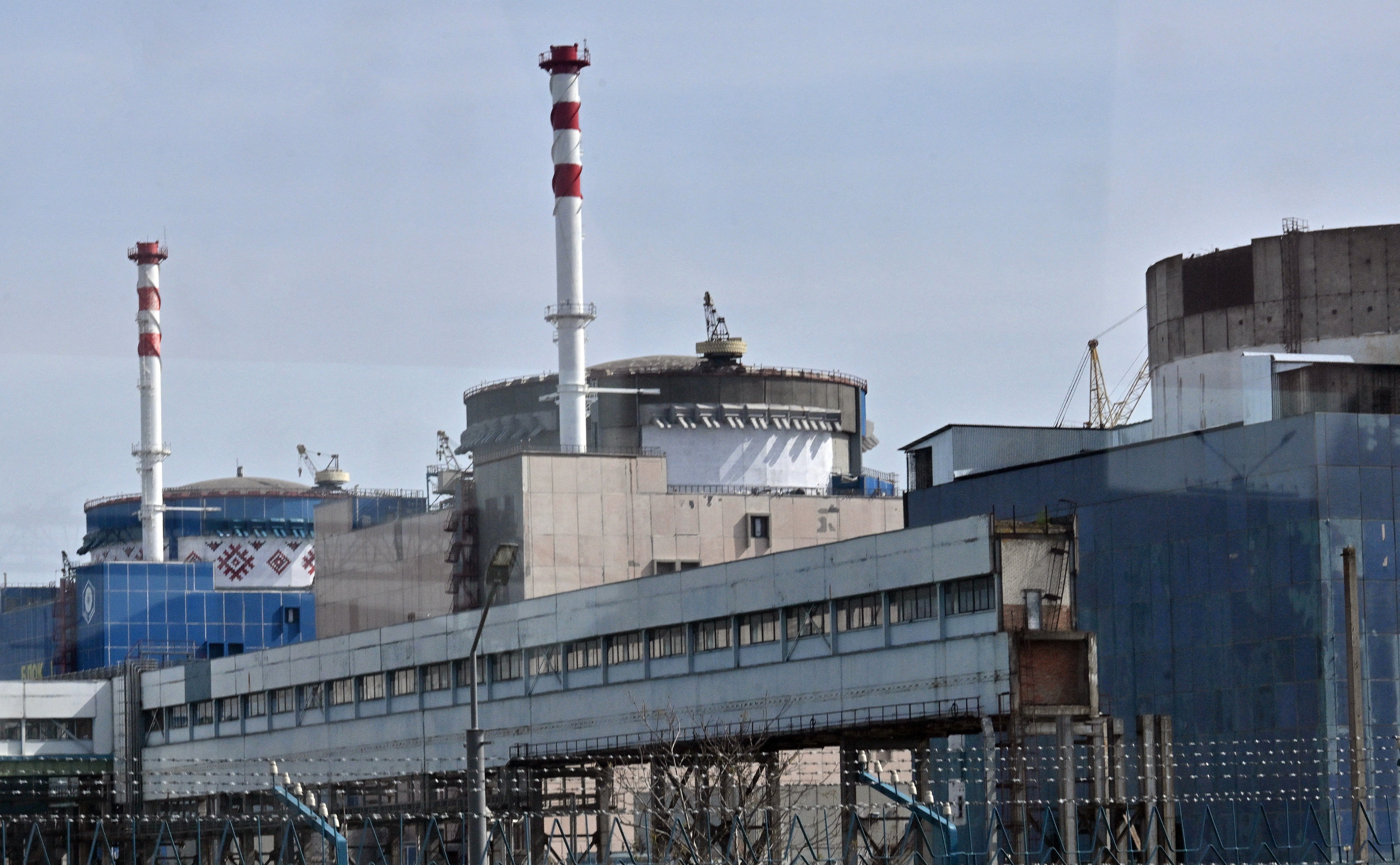
According to a document presented to European partners as an intercepted Russian plan, the campaign would begin with strikes on cross-border transmission lines connecting Ukraine to European electricity networks. It would then target hydroelectric facilities and infrastructure linking the Rivne, Khmelnytskyi, and South Ukraine nuclear power plants to the grid.
Nuclear power plants provide between 53% and 55% of Ukraine's electricity, reaching up to 70% during peak hours.
Disconnecting these facilities would remove approximately 15 gigawatts of power capacity, creating widespread electrical outages and disrupting the national grid system.
Russian forces avoid direct strikes on nuclear reactors to prevent widespread radiation risks that would affect Ukraine, Europe, and Russia. Instead, attacks target high-voltage equipment and power lines connecting nuclear generation to consumers.
During Russia’s full-scale invasion of Ukraine, the country experienced a full blackout on November 23, 2022, when simultaneous strikes hit output substations around three active nuclear plants.
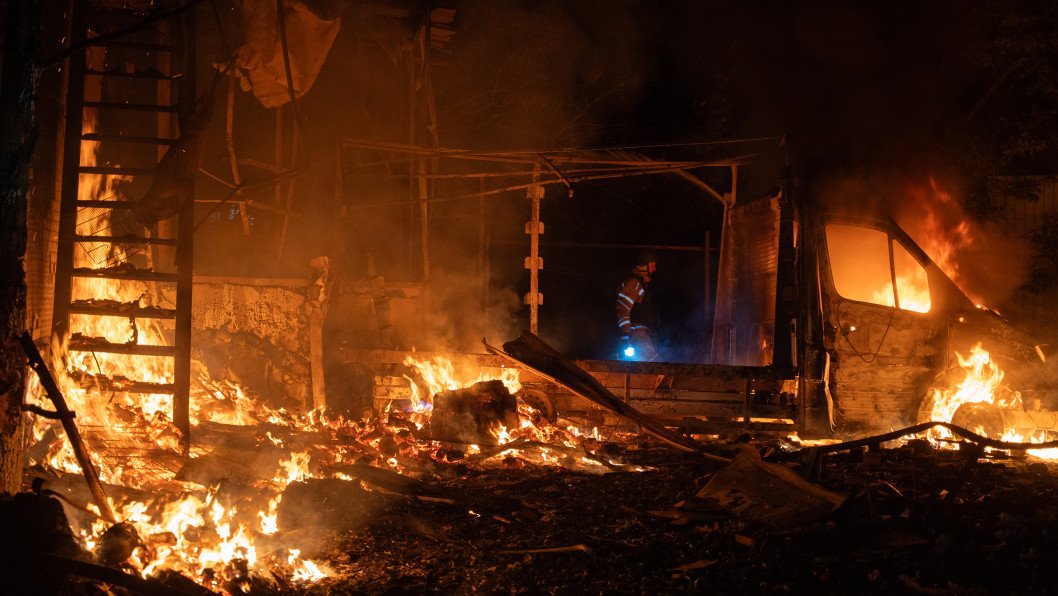
Automatic safety systems shut down the reactor units, suddenly removing over 7 gigawatts of generation and splitting the grid into isolated power islands. Grid operators reconnected the system and restored synchronization with the European energy grid within 14 hours.
Independent nuclear safety expert Olha Kosharna noted that disconnecting consumers through scheduled or emergency power cuts does not constitute a full system blackout. Following the 2022 incident, nuclear specialists, grid operators, and intelligence officials established operational protocols to handle missile strikes.
Former State Nuclear Regulatory Inspectorate head Hryhorii Plachkov stated that losing substation connections requires operators to reduce reactor output or transition units into hot or cold shutdown modes.
"When there is no connection to substations, it is necessary to reduce the power of energy units or bring them into a state of hot or cold shutdown. This is considered a design mode, not an emergency mode," Plachkov said, as reported by ZN.UA.
He added that while operating without external grid connections presents operational challenges, automatic protection mechanisms safely bring units to a zero-power state.
"This situation is also not a good operating mode for nuclear units. But this does not threaten to put them out of order. Protection will trigger, nuclear power plants will automatically 'sit at zero,' that is how they are designed," Plachkov explained.
All Ukrainian nuclear facilities maintain backup diesel generators and mobile units added following the Fukushima Daiichi accident to ensure safety systems operate independently of external grid connections. Restoring reactor units to full power requires additional operational time, leaving the energy system vulnerable while repair teams fix damaged substation equipment.
A document presented to European partners as an intercepted Russian plan outlines the use of up to 1,000 missiles, drones, and guided bombs against substations, power plants, and switchyards linking Ukraine's three operating nuclear plants to the grid.
It names Kyiv, Kharkiv, and Odesa as priority targets and estimates that the campaign could eliminate nearly 15 gigawatts of generating capacity. Before dawn on September 30, missiles and drones struck a major thermal power plant, leaving parts of Kyiv without electricity and water.
Discuss this article: