- Category
- War in Ukraine
Russia Plans Up to 1,000 Strikes to Cripple Ukraine’s Energy Grid This Winter
 Prefer U24 Media on Google
- Authors

-72b63a4e0c8c475ad81fe3eed3f63729.jpeg "Photo of Cyril Barabaltchouk")
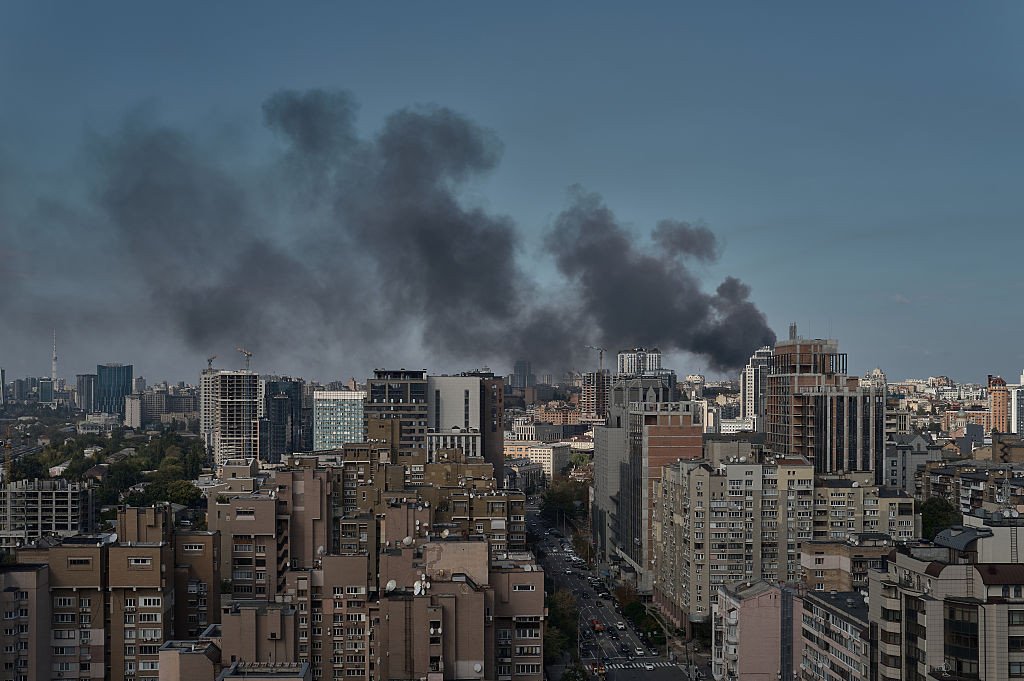
Russia is preparing what Ukrainian officials describe as its most ambitious campaign yet to cripple Ukraine’s power, heating, and water systems this winter, The New York Times reported on October 2.
The assessment is based on a document Ukrainian Energy Minister Denys Shmyhal recently presented to European partners in Paris. Two people familiar with the briefing told The New York Times that Shmyhal described it as an intercepted Russian plan for a methodical campaign against Ukraine’s energy system.
We bring you stories from the ground. Your support keeps our team in the field.
Last winter, Russian missile and drone strikes repeatedly targeted Ukraine’s energy and civilian infrastructure, leaving large parts of Kyiv without electricity, heating, and water in subzero temperatures. UNITED24 Media reported that one January attack alone left more than 1 million people without power and over 4,000 apartment buildings without heat.
According to the document obtained by The New York Times, Russia could use up to 1,000 missiles, drones, and guided bombs against electrical substations, hydroelectric and thermal power plants, boiler houses, and other infrastructure.
The plan also envisages attacks on electrical switchyards connecting Ukraine’s three operating nuclear power plants to the national grid. The facilities are located less than a mile from the reactors, The New York Times noted.
By striking those switchyards, Russia would seek to force the nuclear plants offline without directly attacking the reactors themselves.
The document also describes attacks on Ukraine’s water infrastructure, including pumping stations and wastewater treatment plants, using dozens of ballistic missiles and guided bombs. The New York Times wrote that Russia has not previously targeted such facilities on that scale.
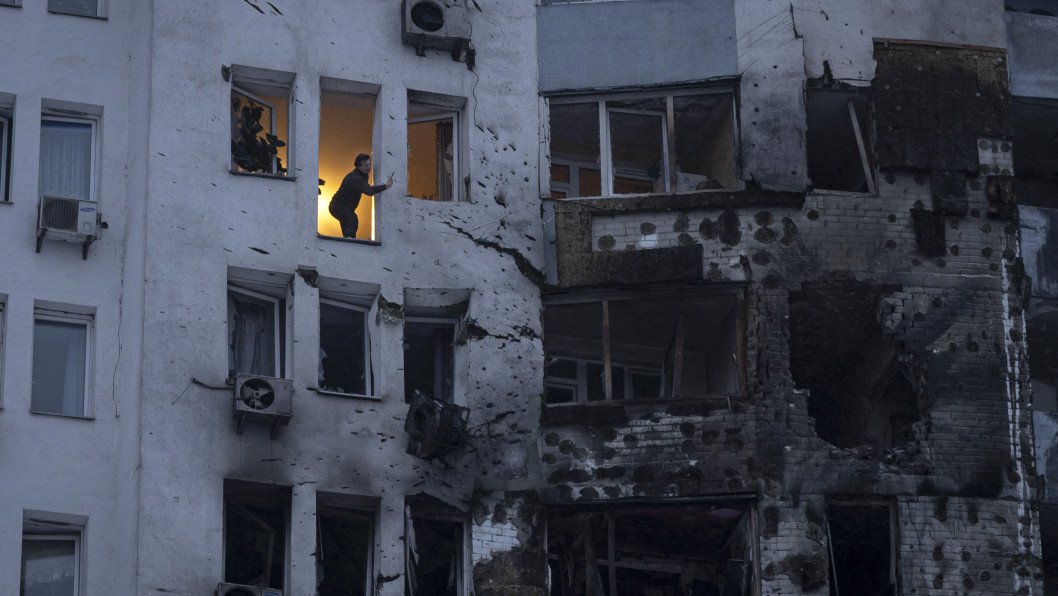
Kyiv, Kharkiv, and Odesa are identified as priority targets. The document outlines plans to reduce electricity and heating supplies in those cities by as much as 90% while severely disrupting sewage systems.
The New York Times could not independently authenticate the document, which is dated August and written in Russian. However, the Russian leader, Vladimir Putin, has publicly threatened an expanded campaign against Ukraine’s energy infrastructure this winter.
“Our partners, like us, were struck by its cynicism, by this cold, terrorist calculation of how to destroy our energy sector,” Shmyhal stated previously when discussing the document publicly.
The apparent plan is divided into three stages, The New York Times reported. The first would target substations near Ukraine’s western border that allow the country to import electricity from Europe.
-92a588bbe271db6852b62423e1eababb.png)
The second stage would focus on hydroelectric power plants, while the third would attempt to disconnect Ukraine’s three operating nuclear power plants from the grid. The document estimates that the campaign could eliminate nearly 15 gigawatts of generating capacity.
Ukraine has spent recent months strengthening critical infrastructure, repairing power plants and substations, and installing smaller distributed energy facilities that are harder to destroy. Authorities have also reinforced parts of the grid to reroute electricity when transmission infrastructure is damaged.
Those preparations remain vulnerable to renewed attacks. Energy analyst Maria Tsaturian told The New York Times that only a small number of major strikes could eliminate much of the five gigawatts of generating capacity Ukraine restored in recent months.
Russia has already begun renewed attacks on energy infrastructure ahead of winter. Before dawn on September 30, missiles and drones struck a major thermal power plant and other facilities, leaving parts of Kyiv without electricity and water, The New York Times reported.

Ukraine endured prolonged outages during the previous winter as Russian attacks repeatedly damaged power and heating facilities. In Kyiv, residents sometimes went 12 hours or more without electricity, while outages also disrupted water supplies, elevators, and heating systems in apartment buildings.
UNITED24 Media previously reported that Kyiv was stockpiling emergency food and drinking water ahead of the 2026–2027 winter, preparing for possible prolonged blackouts caused by renewed Russian strikes on energy infrastructure. The city also planned to expand emergency food reserves and support Points of Invincibility during extended outages.
Discuss this article:
-9a7b3a98ed5c506e0b77a6663f5727c5.png)


-c439b7bd9030ecf9d5a4287dc361ba31.jpg "Photo of Katherina Popilnichenko")