- Category
- War in Ukraine
Why Are Russian Ballistic Missiles So Hard for Ukraine to Stop?
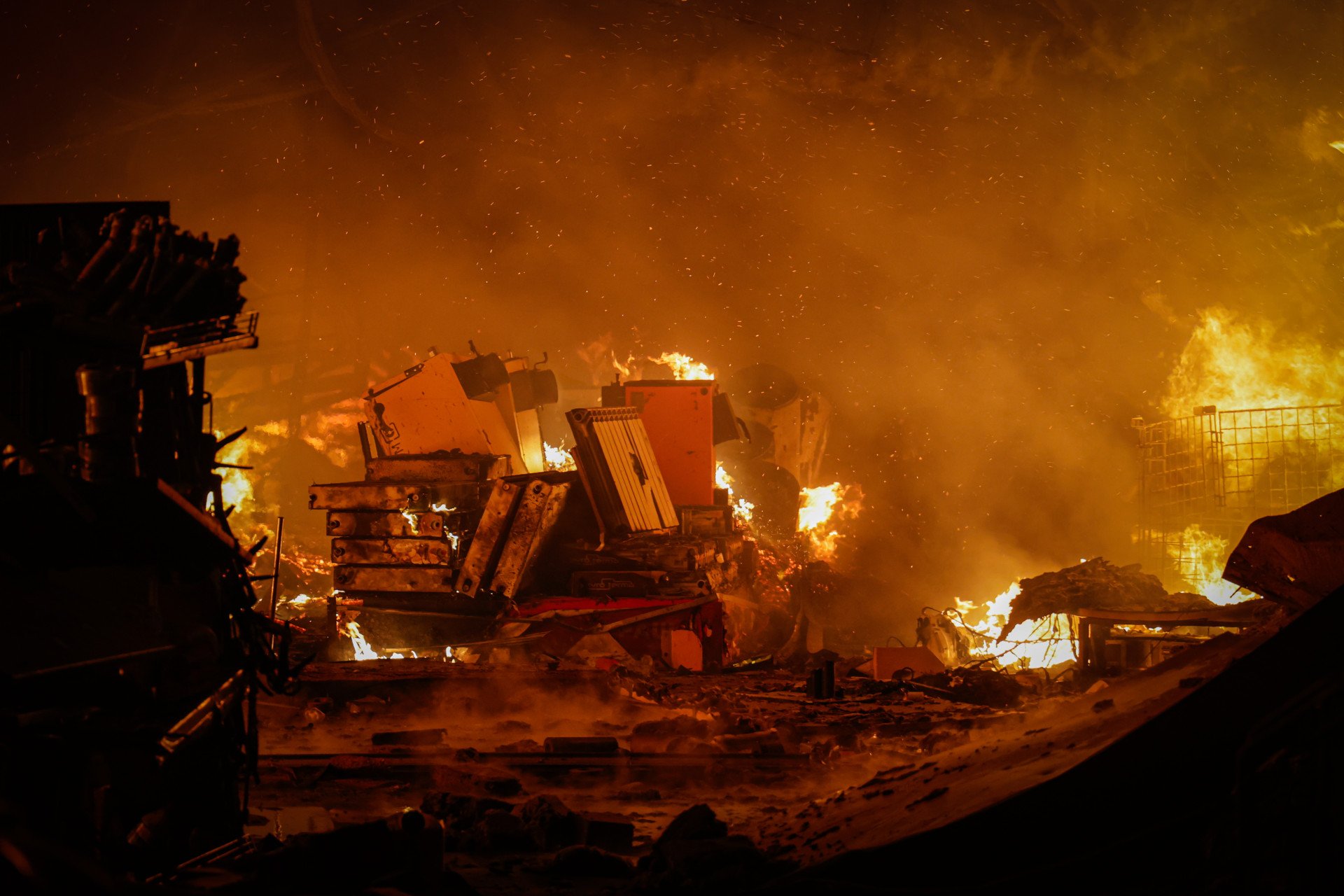
Ukraine’s air defense forces have become some of the most experienced in the world. Driven by an existential threat, they intercept dozens, sometimes hundreds, of Russian drones and missiles in a single day. Yet one particularly dangerous weapon remains exceptionally difficult to stop: ballistic missiles.
 Prefer U24 Media on Google
- Authors


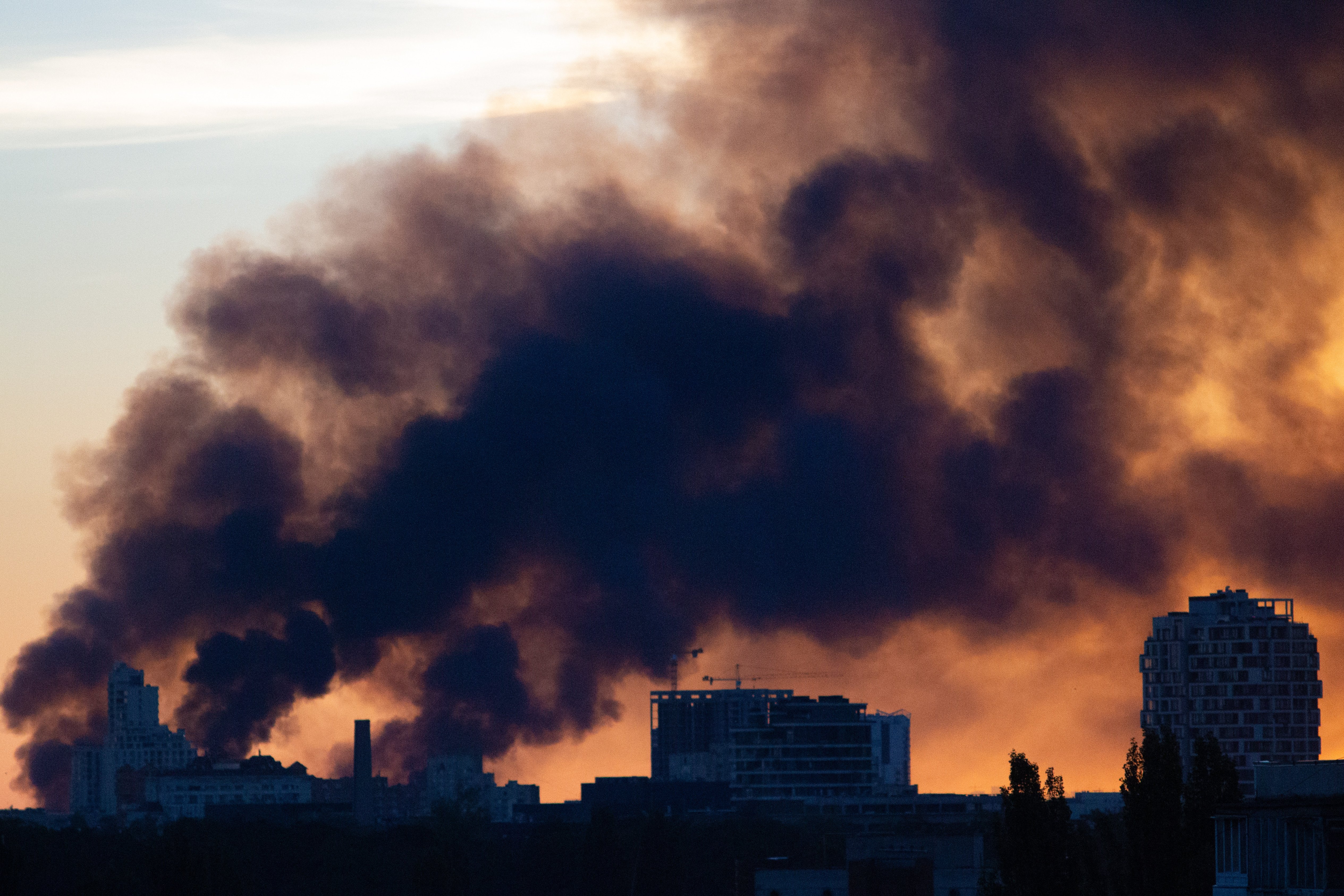
Thunderous explosions, billowing smoke, and massive fireballs light up the sky across Ukraine as Russian missiles rain down on Ukrainian cities. These images have become all too familiar, etched into the minds of Ukrainians and millions around the world who have watched Russia’s war unfold for nearly five years. Yet, after all this time, one question remains: Why can't Ukraine stop these missiles?
The answer is as complicated as it is political.
What exactly is a ballistic missile?
Speed, altitude, maneuverability, and horror. These are the defining characteristics of a weapon developed over decades by thousands of engineers and experts, bringing humanity to the point where one (wealthy) country can launch a massive, explosives-packed object at a target thousands of kilometers away. Quite a leap from lobbing cannonballs at some poor noble’s castle.
That, in essence, is a ballistic missile: a rocket-powered weapon that launches high into the sky, sometimes even leaving Earth’s atmosphere, before gravity brings it hurtling back down toward its unfortunate destination.
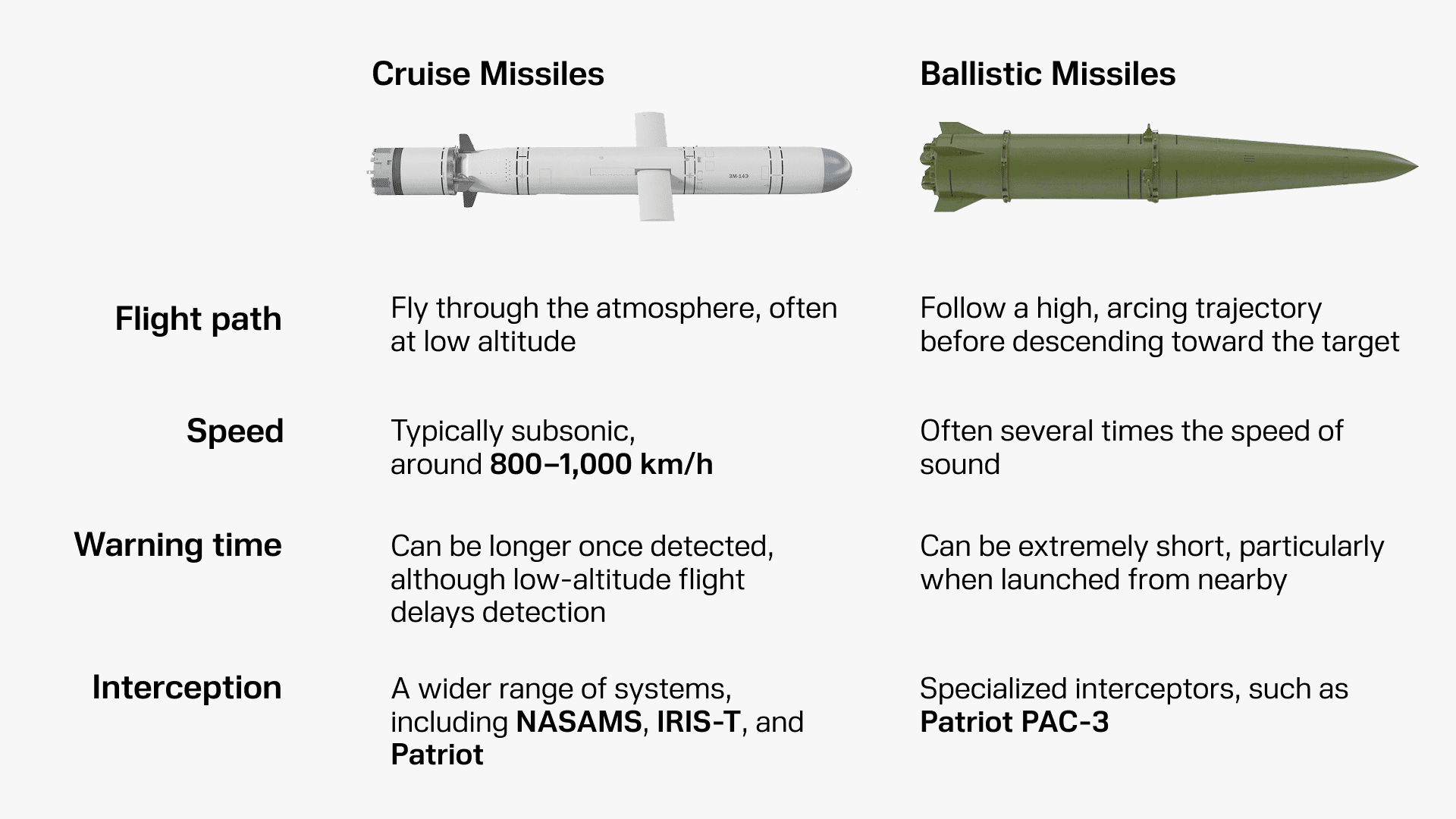
Unlike cruise missiles, which use engines to fly toward their targets at relatively low altitudes, ballistic missiles follow a high arc before descending at several times the speed of sound. While cruise missiles can be difficult to detect, once spotted, their slower speeds make them easier to intercept using a wider array of weapons. Ballistic missiles leave defenders with far less time to react and require state-of-the-art air defense systems to stop.
Over the past five years, Ukraine has been the unfortunate recipient of thousands of these missiles, alongside tens of thousands of other munitions. And not all of them have rolled off Russian factory floors, as Moscow has increasingly turned to foreign suppliers, including North Korea and Iran, to bolster its arsenal.
The ballistic missiles in Russia’s arsenal
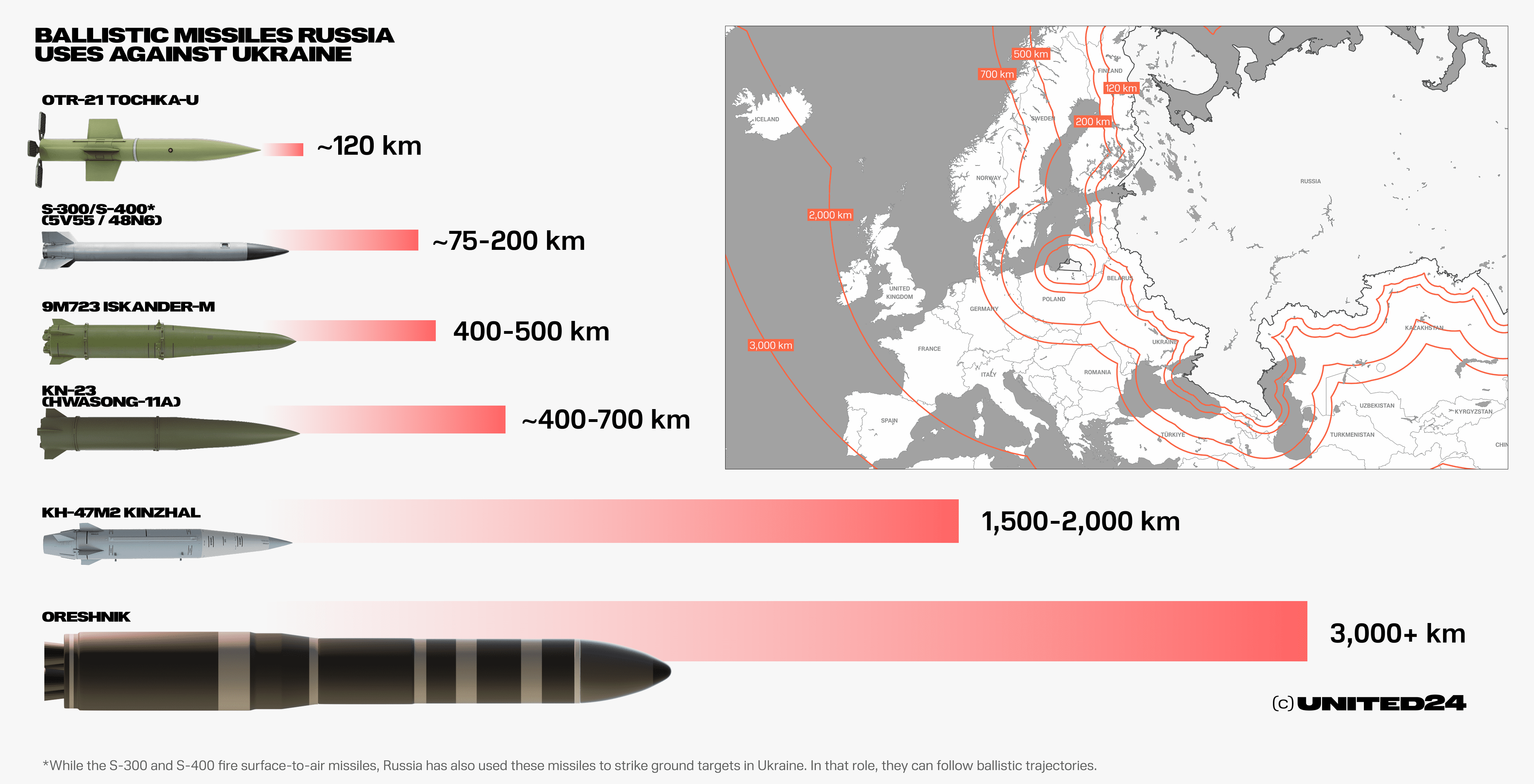
Russia has used missiles with widely different ranges against Ukraine, from the short-range Tochka-U to the Oreshnik, which can travel more than 3,000 kilometers. Other weapons include the Iskander-M, North Korea’s KN-23, and the air-launched Kinzhal. Russia has also used S-300 and S-400 air defense missiles to strike ground targets in Ukraine.
How to shoot down a ballistic missile
First, you'll need a lot of cash. A country's ranking on the GDP charts correlates directly with how much air defense it has.
Ballistic missile Interceptor complexes are some of the most expensive and tedious weapon systems in any army’s arsenal. They take decades to develop, their complexity make them difficult to manufacture at scale and only a handful of countries capable of producing them.
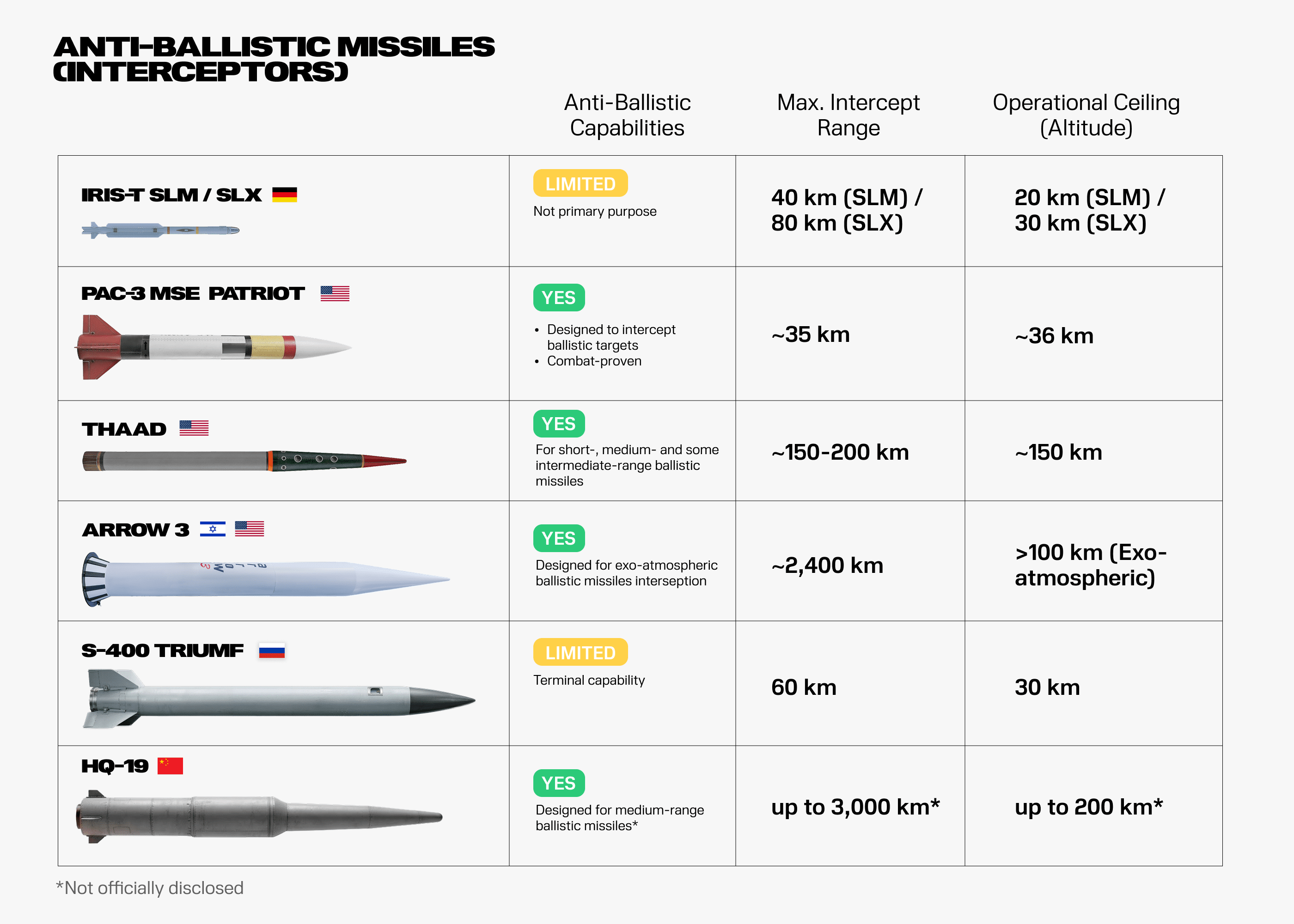
We're talking about systems like the American Patriot and THAAD, Israel's Arrow 3, China's HQ-19, and Russia's S-400 and S-500. All are designed to intercept ballistic missiles, albeit with vastly different capabilities, price tags, and track records.
Unsurprisingly, the technology required to knock a missile out of the sky is exceptionally expensive, with individual interceptor missiles costing millions of dollars and complete defense systems potentially costing billions.
Razor and blade
Ukraine has received several air defense systems from NATO countries, capable of intercepting Russian ballistic missiles. However, much like the razor-and-blade business model, the real catch is the ammunition. And in this case, each replacement blade costs several million dollars.
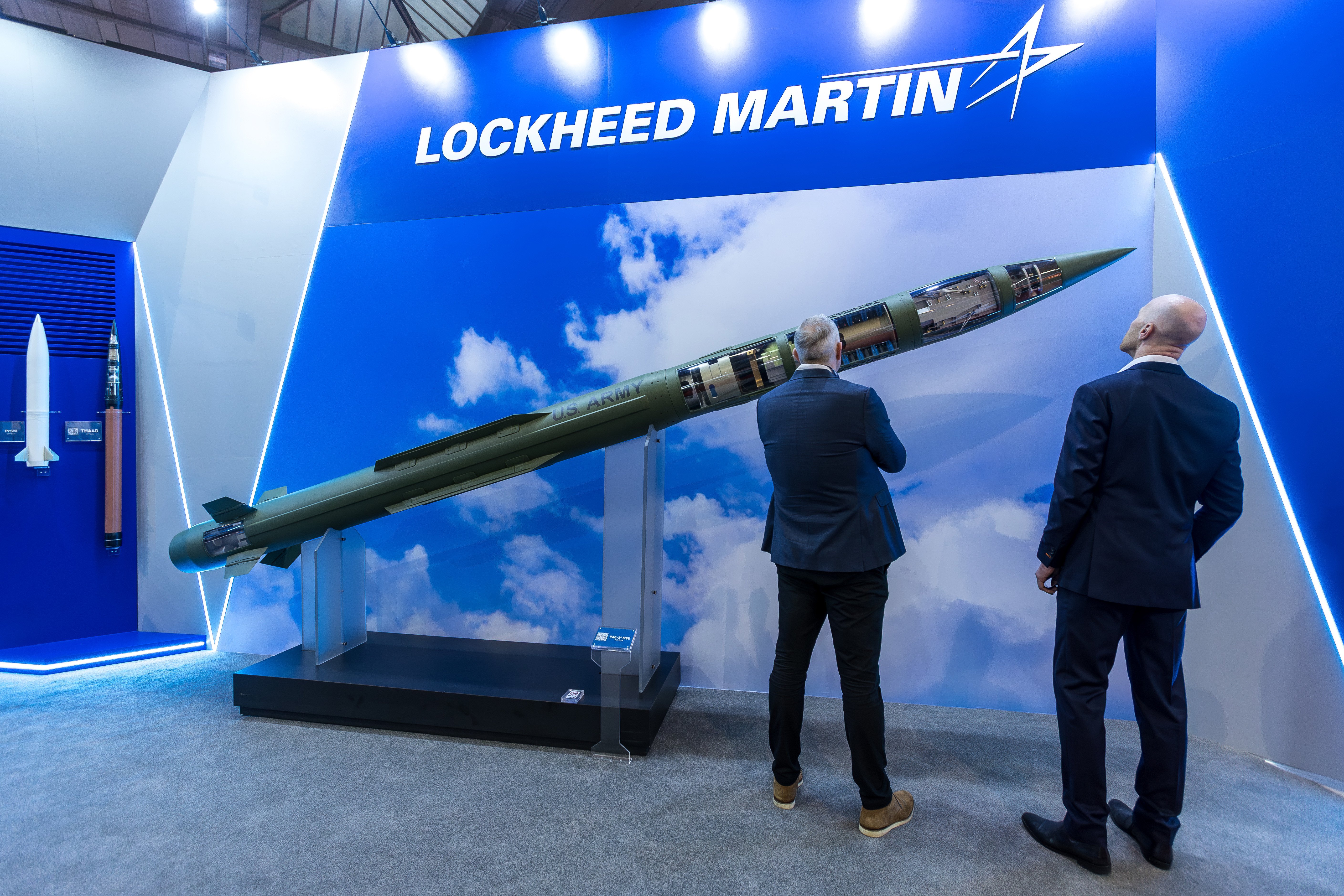
Production of PAC-3 interceptors, the missiles used by Patriot systems to destroy incoming ballistic threats, is concentrated in just three countries: the United States, Germany, and Japan, with American manufacturing accounting for the overwhelming majority of output.
Currently, US Patriot interceptor stockpiles are running dangerously low. According to CSIS estimates, Washington has depleted roughly 65% of its inventory during the 2026 war with Iran, leaving fewer than 850 missiles by July.
Across the Middle East, American and allied forces reportedly fired nearly 1,300 PAC-3 interceptors at Iranian drones and missiles in just 16 days, more than twice the roughly 600 Ukraine had received over four years of Russia’s full-scale invasion.
In 2025, Lockheed Martin produced just 620 PAC-3 MSE interceptors, a number it plans to more than triple over the coming years.
Why are Russian ballistic missiles so difficult to intercept?
Russia’s Iskander-M ballistic missiles can reach speeds exceeding Mach 6, or several thousand kilometers per hour. These missiles can maneuver during their final descent and deploy decoys to confuse enemy radar systems.
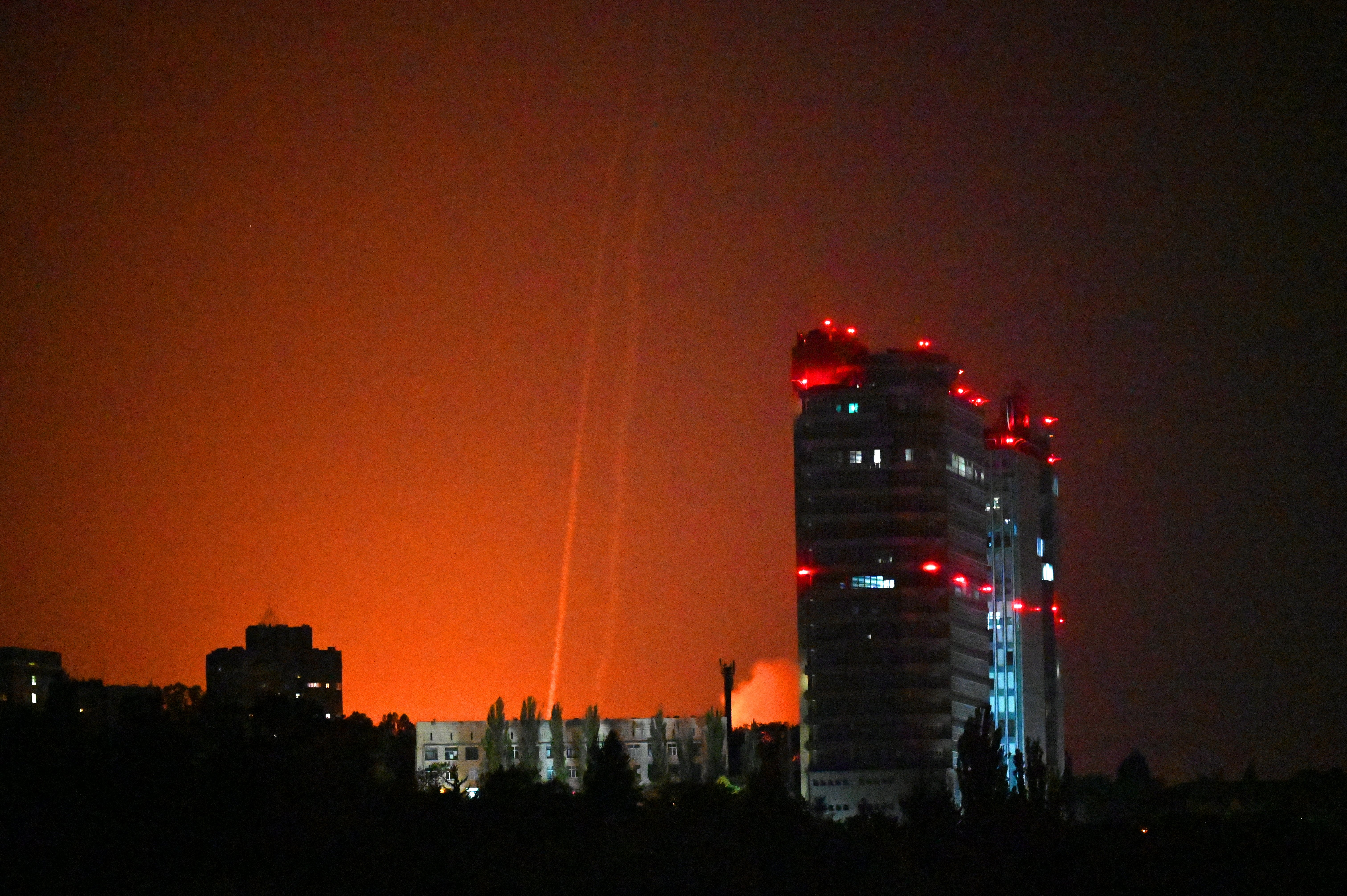
Ukrainian air defenders have always had a narrow window to intercept incoming ballistic missiles, sometimes as little as two to three minutes when defending Kyiv. However, Russia's evolving tactics have made an already difficult task even harder, increasing the likelihood of missiles penetrating Ukraine's air defenses.
On August 12, 2026, Ukraine's Air Force announced it would stop publishing detailed figures on ballistic missile interceptions, citing security concerns. The decision came amid mounting interceptor shortages and increasingly intense Russian missile attacks, making it considerably harder to assess the effectiveness of Ukraine's ballistic missile defenses.
The Patriot's PAC-3 interceptor destroys incoming missiles through direct impact, but even its most advanced variant has an estimated range of just 30 km (19 miles) against ballistic missiles.
This leaves large parts of Ukraine exposed, as the country has only a handful of Patriot systems. This means a Russian missile getting through doesn't necessarily indicate a failed interception… There may simply be no Patriot nearby.
This is the result of Russia continuously refining its missiles, using real-time battlefield data gathered from both successful interceptions and strikes to overcome Ukrainian air defenses.
How Russia overwhelms Ukraine's air defenses
Russia frequently combines ballistic missiles with hundreds of Shahed drones and cruise missiles, forcing Ukrainian air defenders to manage several types of threats simultaneously. While cheaper interceptors, electronic warfare, and mobile fire groups can neutralize many drones, stopping ballistic missiles requires a much smaller selection of specialized weapons.
Russia also varies its launch directions, targets, and timing to stretch Ukraine’s air defenses. However, the scale of the attack isn't the only problem. In June 2026, Ukraine intercepted 89% of Russian cruise missiles but only 40% of ballistic missiles, according to Ukraine’s Defense Ministry.
By July 2026, Russia was increasingly exploiting Ukraine’s interceptor shortage, allowing more ballistic missiles to penetrate Ukrainian defenses.
Russia's ballistic missile arsenal includes the Iskander-M, the air-launched Kinzhal, and North Korean KN-23 missiles, all capable of reaching their targets at enormous speeds from deep in Russia’s rear.
Moscow has also been repurposing S-400 air defense missiles for ground attacks. Although these are not conventional ballistic missiles, they can travel along ballistic-like trajectories and are launched from positions near the Ukrainian border, leaving defenders with even less time to react.
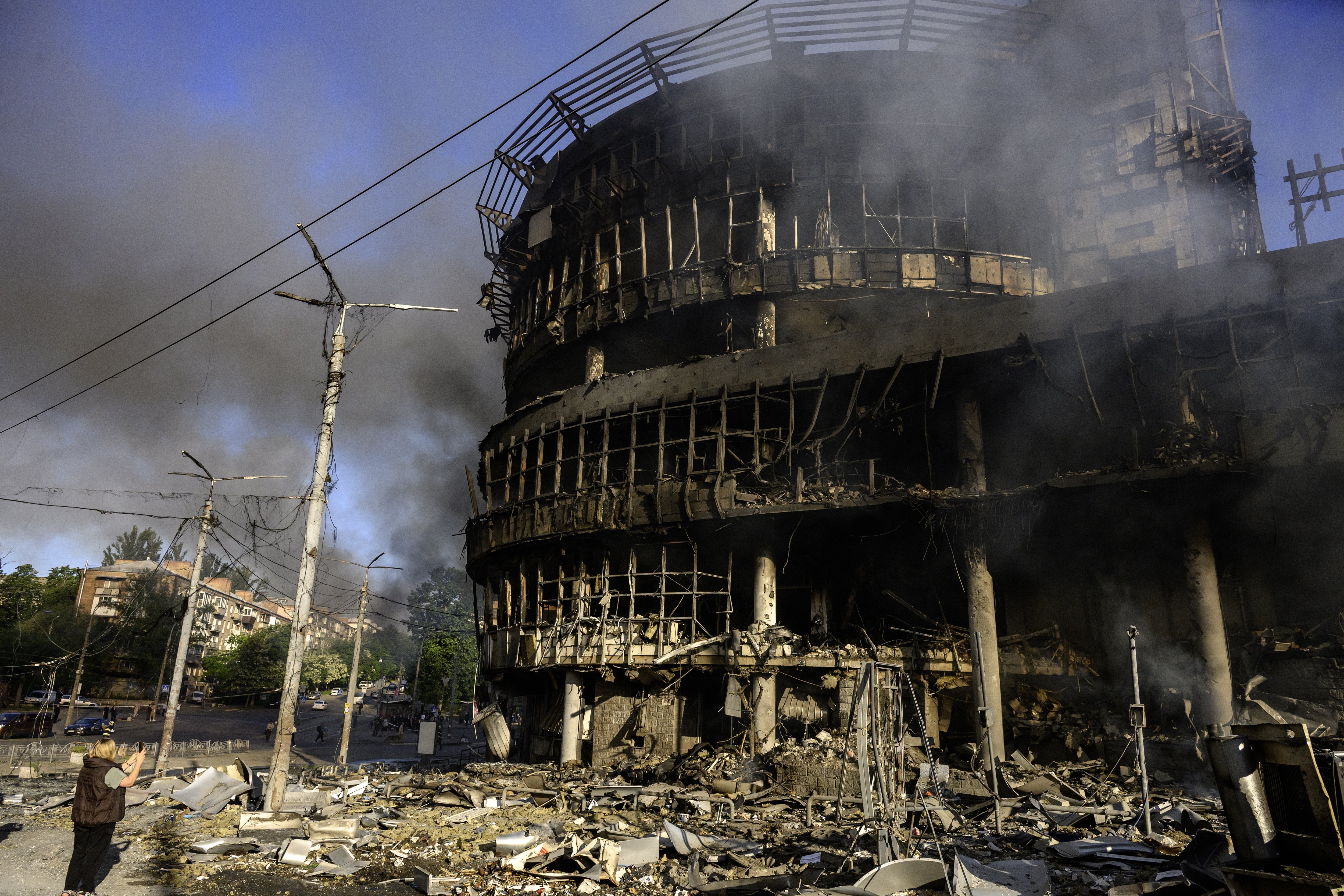
As Ukraine’s stockpiles dwindle, Russian factories are keeping a steady pace. Russia’s defense industry plans to deliver up to 700 9M723 ballistic missiles in 2026, matching production levels recorded in 2025, Ukrainian military intelligence (HUR) reports. Monthly output is estimated at 55–60 units.
The same intelligence report claims that Moscow plans to produce more than 480 RM-48U missiles for its S-300PM and S-400 systems in 2026, more than double the roughly 200 planned in 2025, with production reaching up to 50 missiles per month, the HUR says.
Complicating matters further, Ukraine experienced disruptions in US intelligence sharing in October 2026, temporarily losing warnings of Russian ballistic missile launches. President Zelenskyy confirmed that the warnings had been restored by October 21.
Can Ukraine close the gap?
Ukraine now faces an industrial challenge as much as a military one. In a war of attrition, the ability to replenish interceptors matters as much as the systems that launch them. Russia's industrial base can replenish much of its missile arsenal domestically, while Ukraine almost exclusively relies on foreign deliveries of interceptors manufactured in comparatively smaller batches.
Lockheed Martin produced 620 PAC-3 MSE interceptors in 2025 and plans to increase annual production to 2,000 by 2030. However, with global demand already outpacing supply, increased production won't necessarily translate into more interceptors for Ukraine.
Kyiv is pursuing two parallel solutions.
In July 2026, Trump signaled support for licensed Patriot production in Ukraine, before raising concerns over transferring advanced technology. In September, Zelenskyy announced that Trump had approved the licenses, although building the necessary infrastructure could take years.
Meanwhile, Ukraine and nine European countries are developing the FREYJA missile defense system around Fire Point’s FP-7X interceptor missile and a launch platform.

On October 26, Fire Point announced that they had completed their part of the project, with European partners now responsible for integrating critical radar, guidance, and tracking technologies.
On November 11, Zelenskyy said during a visit to Denmark that he hoped to test FREYJA this winter. He also said that 11 countries had joined the project and that preparations to open a FREYJA office in Copenhagen were complete.
FREYJA’s appeal lies in its potential to offer a more affordable alternative to the American PAC-3 missile. However, it remains under development and has yet to demonstrate that it can reliably destroy incoming ballistic missiles.
Since Russia’s full-scale invasion, Ukraine has constantly struggled to secure precious ballistic missile interceptors, sometimes just one at a time. With ingenuity, political goodwill, and domestic production, Kyiv may finally break its dependence on foreign suppliers and secure the long-term protection it has never had.
Discuss this article: