- Category
- War in Ukraine
Trump Signals Patriot Missile Production for Ukraine, With One Major Catch
 Prefer U24 Media on Google
- Authors


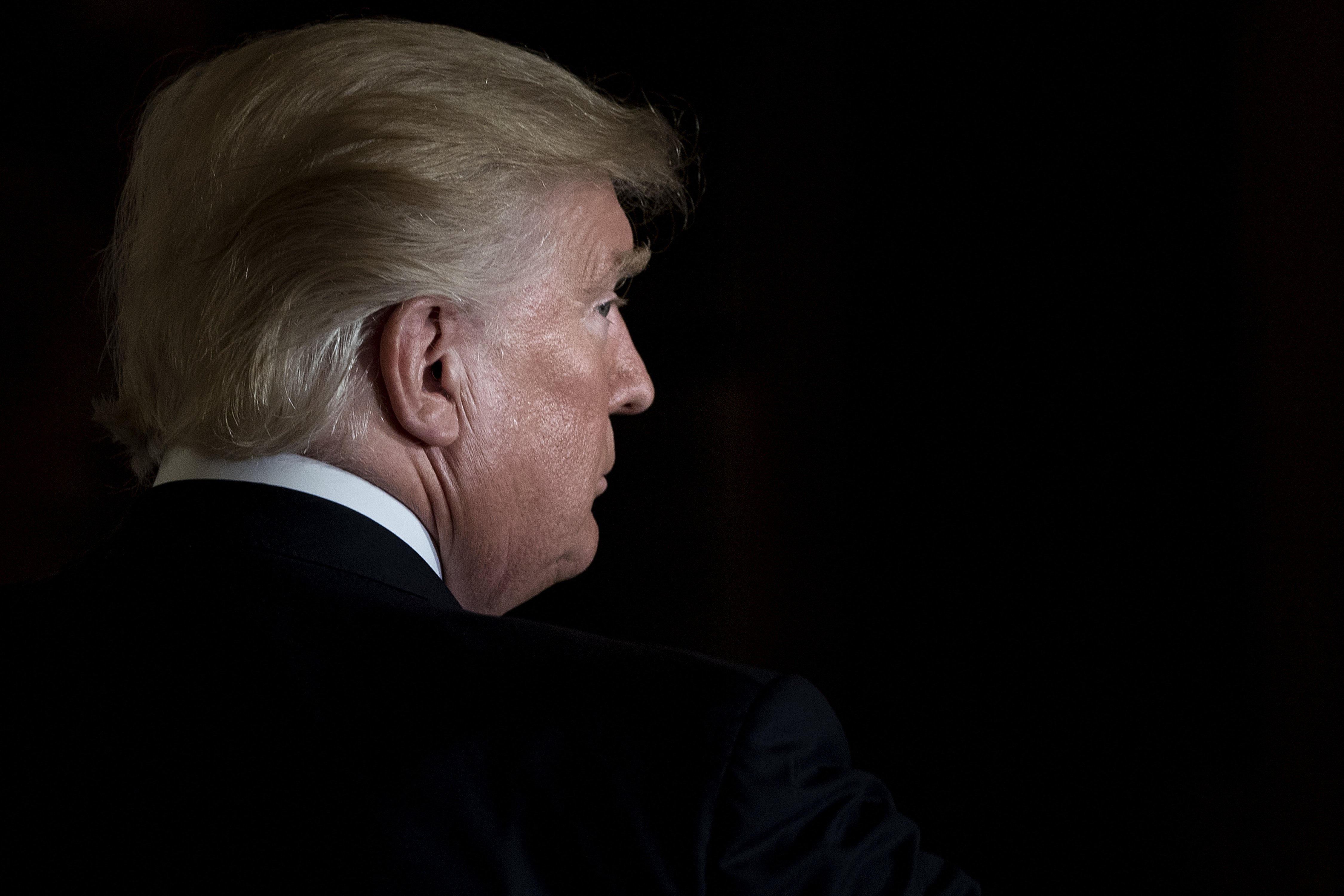
US President Donald Trump said Ukraine could receive a license to manufacture a less advanced version of missiles for the Patriot air defense system, suggesting Washington may allow production while withholding its most advanced interceptor technology.
We bring you stories from the ground. Your support keeps our team in the field.
According to a White House video of Trump’s September 13 conversation with reporters aboard Air Force One, the US president was asked whether Ukrainian President Volodymyr Zelenskyy could secure a license to produce Patriot missiles. Trump replied: “Less advanced version.”
Trump did not specify which interceptor could be covered by such an agreement or when a final decision could be made.
Two Patriot interceptors have been discussed publicly as possible candidates for licensed production—the PAC-3 Adapted Capability Effector and the PAC-2 GEM-T.
-d6f1bfd5ccbc475c9f275ea31137633d.jpg)
The PAC-3 Adapted Capability Effector, or PAC-3 ACE, is a new lower-cost interceptor introduced by Lockheed Martin in July 2026. It is designed to counter a wide range of air and missile threats while costing less than half as much as the more advanced PAC-3 MSE. The missile is designed to operate with the Patriot weapon system and Integrated Battle Command System.
The PAC-2 Guidance Enhanced Missile-Tactical, or GEM-T, is an earlier-generation Raytheon interceptor designed to engage airborne threats, including tactical ballistic missiles. Raytheon signed a $3.7 billion contract in April to supply GEM-T interceptors to Ukraine, with a new production facility in Schrobenhausen, Germany, expected to support the program.
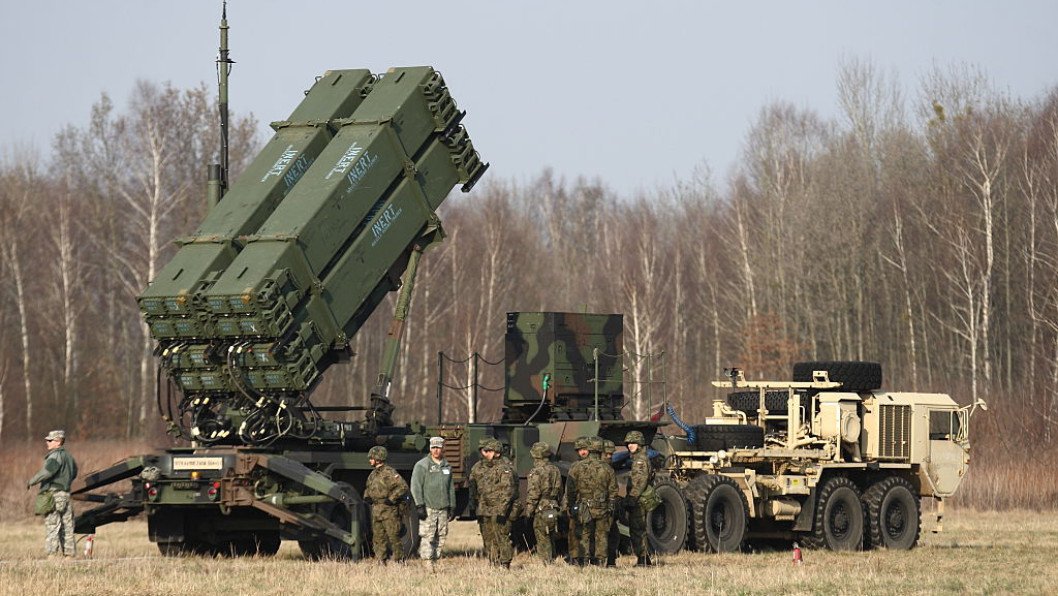
Neither missile has been officially identified by the Trump administration as the version that Ukraine could be allowed to manufacture. The statement follows ongoing talks between Kyiv and Washington over localization of Patriot interceptor production.
On September 2, US Secretary of State Marco Rubio confirmed that the two countries were negotiating licensing arrangements, while noting that establishing production facilities for such complex weapons could take years and would not address Ukraine’s immediate shortage of interceptors.
Trump had previously taken a more cautious position. He said the United States had not yet agreed to allow Ukraine to manufacture Patriot interceptors and raised concerns over transferring advanced US military technology.
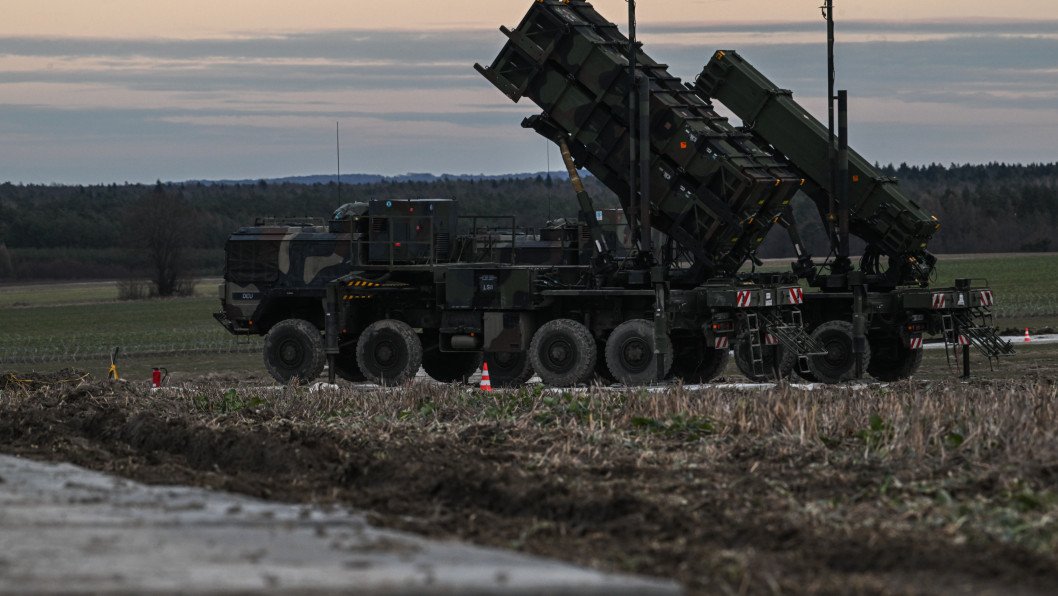
Ukraine has been seeking additional Patriot missiles as Russia continues large-scale missile attacks. Zelenskyy has said Ukraine received three times fewer missiles capable of defending against ballistic threats this year than in 2025, with partners citing military operations in the Middle East as one reason for reduced availability.
At the same time, Kyiv is working to secure longer-term supplies. Ukraine is contracting approximately 1,000 Patriot missiles with support from allies and European financing, although most are expected to arrive over several years rather than immediately.
Discuss this article:
-9a7b3a98ed5c506e0b77a6663f5727c5.png)


-c439b7bd9030ecf9d5a4287dc361ba31.jpg "Photo of Katherina Popilnichenko")