- Category
- Latest news
A Year of Production in a Day: NATO’s 1,200-Missile Defense Challenge
 Prefer U24 Media on Google
- Authors

-c439b7bd9030ecf9d5a4287dc361ba31.jpg "Photo of Katherina Popilnichenko")
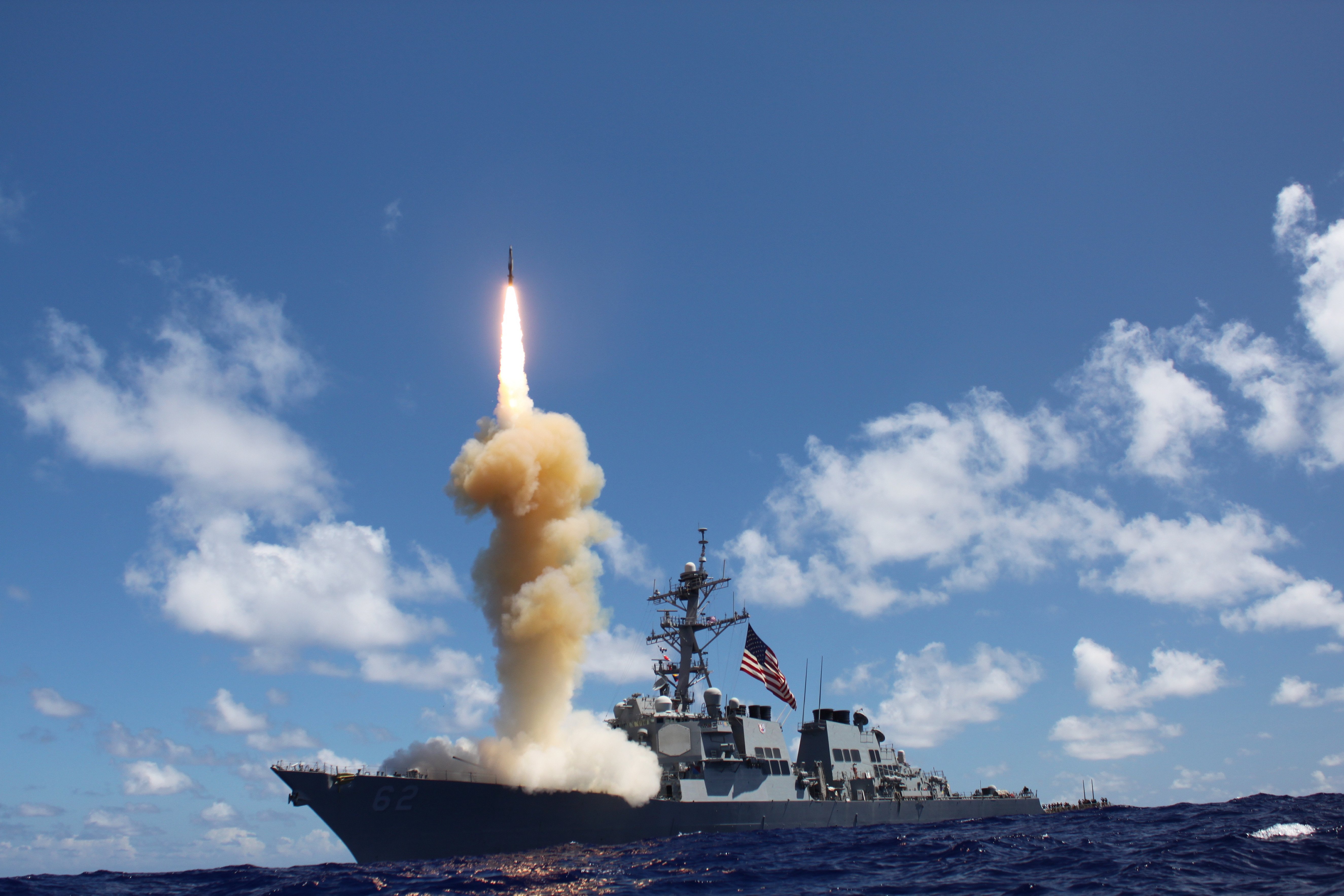
NATO allies and the US Army recently concluded the Dynamic Front command and staff exercises at a training center in Romania. During the January and February drills, units such as the 56th Artillery Command focused on improving tactics to repel a potential large-scale invasion.
The exercises highlight a shift toward preparing for high-intensity conflicts against enemies with equal military capabilities, according to Defense Express on February 17.
We bring you stories from the ground. Your support keeps our team in the field.
Military planners are currently looking at the ambitious goal of intercepting between 600 and 1,200 ballistic missiles within the first 24 hours of a conflict.
Additionally, the alliance aims to have the capacity to strike 1,500 targets during that same initial window while integrating lessons from the war in Ukraine regarding the use of decoy drones.
The logistics of defending against such a massive volume of fire present significant industrial challenges. Launching 600 to 1,200 ballistic missiles in a single day is a difficult task for any enemy, yet NATO views this as a baseline requirement for future defense. If an adversary manages to launch such a large-scale strike, the demand for interceptors and launchers to protect critical infrastructure would be immense.
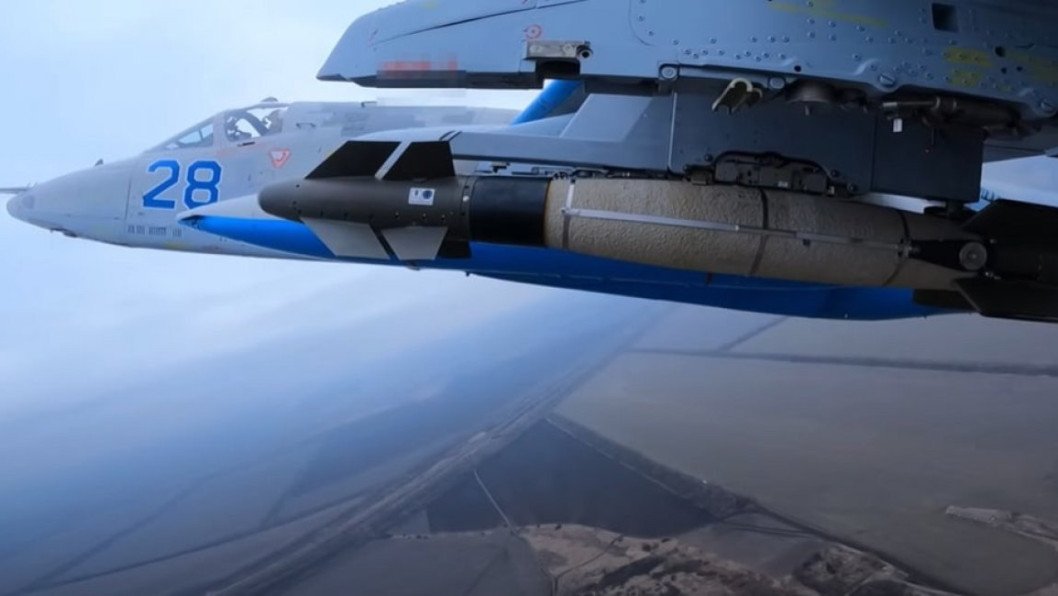
The PAC-3 MSE missiles used by the Patriot system have already proven their effectiveness against ballistic threats in Ukraine. Last year, production for these interceptors reached 620 units annually, with plans to increase that number to 2,000 per year over the next seven years.
However, if defense doctrine requires two interceptors per target, a single day of combat could consume between two and four years of current production. This estimate does not account for complex targets that might require four interceptors each.
The situation is similar for the THAAD system. While there are plans to quadruple production to 400 missiles per year, the current rate is less than 100. At the modern pace of 96 interceptors per year, it would take 12 years of production to counter a 600-missile strike.
Even at the increased rate of 400 per year, it would take three years of manufacturing to replenish the stock used in one day. To stop a 1,200-missile wave, those timelines jump to 24 years and six years, respectively.
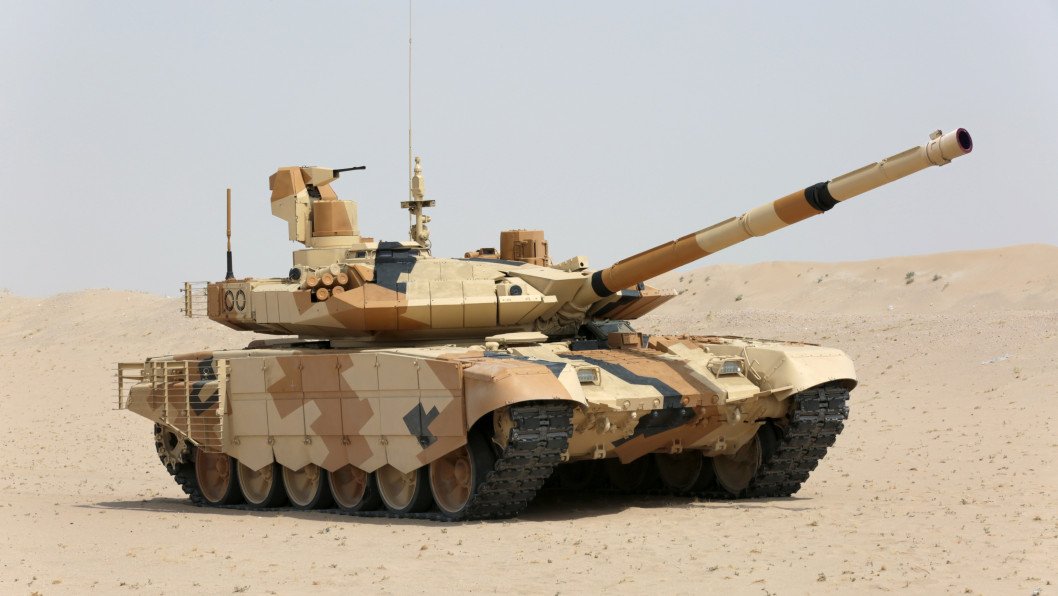
Other European nations are also updating their capabilities. Italy recently received the first SAMP/T NG system, which features improved anti-ballistic technology.
Production for the Aster missile family has increased fivefold over previous goals, covering various models used for defense. Additionally, several NATO members like Slovakia are purchasing Israeli-made Barak MX systems, with Greece and the Netherlands also considering the platform.
The core issue remains the gap between manufacturing speed and potential combat usage. If NATO faces more than 600 ballistic missiles on the first day of a war, replacing those stocks would take several years at current industrial rates.
Furthermore, an enemy is unlikely to exhaust their entire arsenal on day one, meaning the threat would persist long after the initial interceptors are spent.
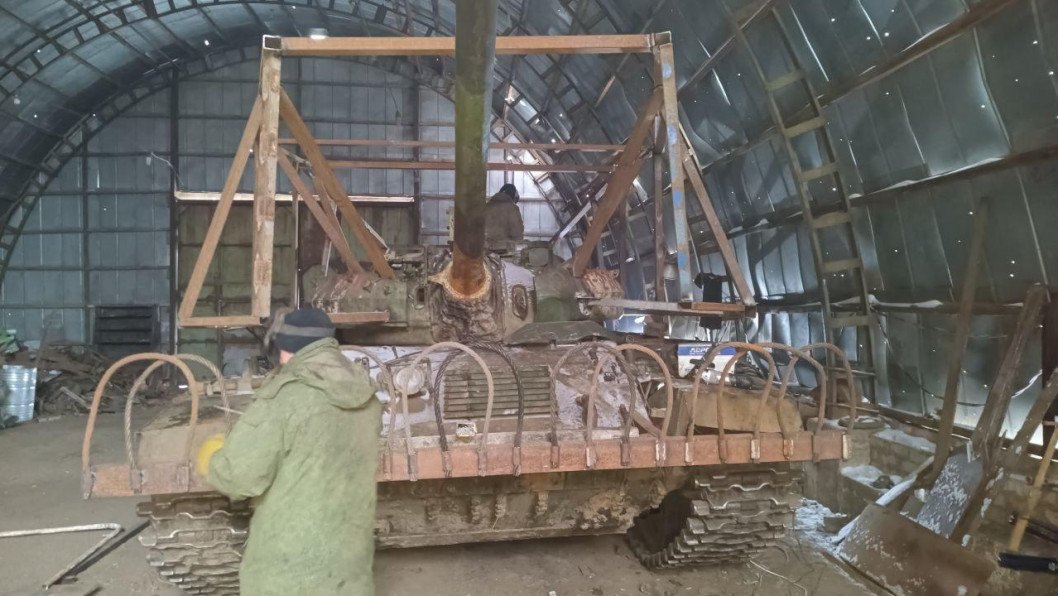
Ukraine is currently experiencing this deficit firsthand. While optimal defense requires multiple interceptors per target, the reality of the current shortage means that only one interceptor is often used per ballistic target.
This highlights the urgent need for a massive increase in the production of missile defense systems to meet the demands of modern warfare.
Earlier, the Czech-led ammunition initiative delivered nearly 2 million large-caliber shells to Ukraine over a single year. President Petr Pavel stated that this program, which was supported by 15 donor countries, provided more than half of all the heavy ammunition Ukraine received during that period.
In total, the initiative moved 4.4 million rounds of ammunition and various weapons to the front lines. To ensure transparency and address any concerns about corruption, the Czech government invited international auditors to oversee how the billions of dollars were spent.
While there were debates regarding future funding from NATO allies, the effort served as a critical lifeline for Ukrainian artillery units during the war.
Discuss this article: