- Category
- War in Ukraine
Your Favorite Books Are Being Bombed by Russia—13 Million Copies Burned in Ukraine
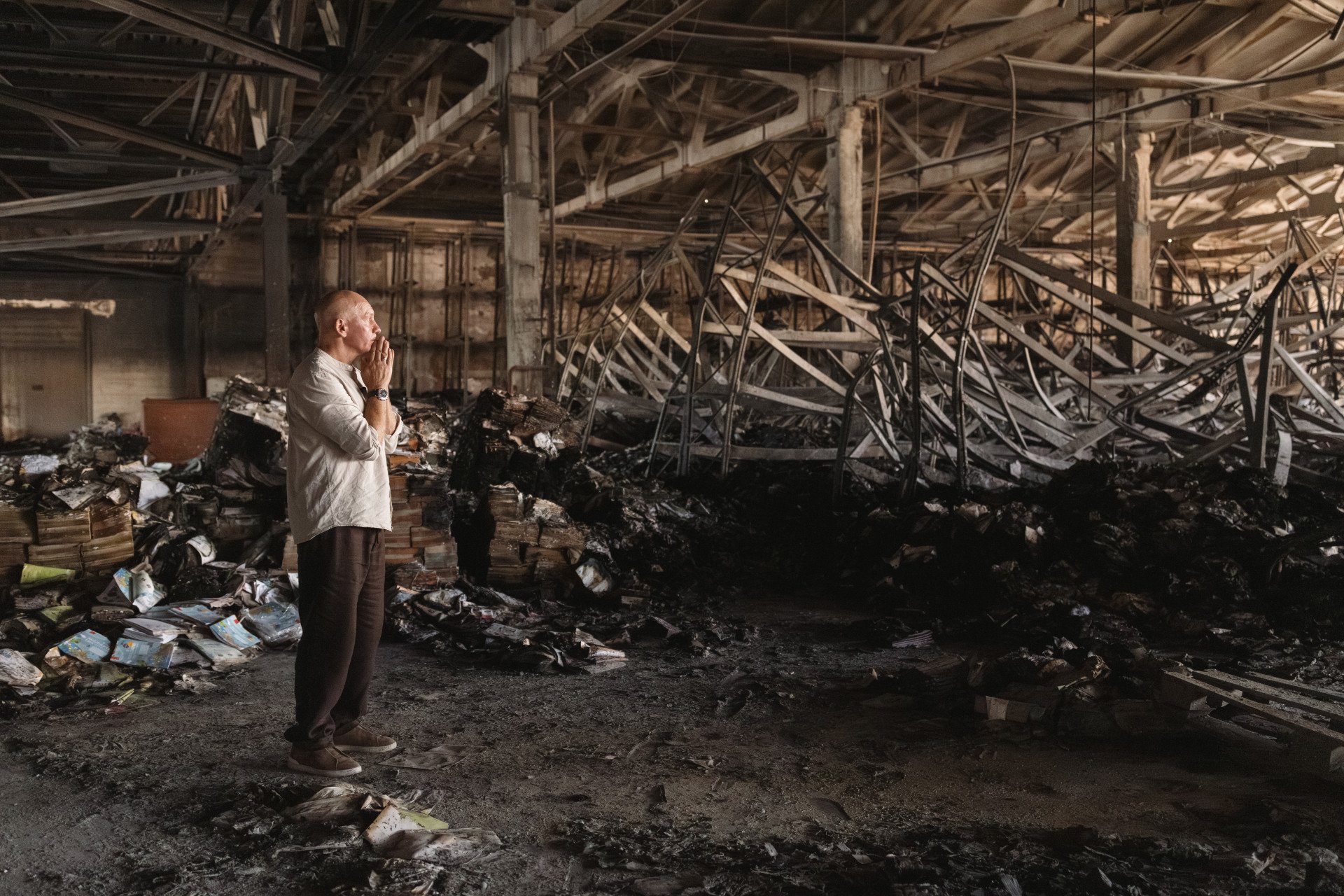
“Destroying books in Ukraine is one of Russia’s main goals because they are the hardest thing to replace. Destroyed food products can be brought in from other regions. Some things can be imported. But Ukrainian books cannot be imported. A book is a unique product of every country.”
 Prefer U24 Media on Google
- Authors


After his publishing house lost around one million books to Russian attacks this summer alone, Yevhen Shyrynos, chief editor of Ukraine’s BookChef, has little doubt about what those losses mean.
In July, Russia began actively targeting warehouses and logistics centers. Among the first to be hit were Ukrainian grocery stores and other retailers, pharmaceutical companies, and publishing houses. In just three summer months, Russia destroyed around 13 million books belonging to Ukrainian publishers.
UNITED24 Media spoke with Ukrainian publishing houses and bookstores that have been hit hardest by Russian attacks.
Which publishing houses were hit the hardest?
Ranok
“VARVAR Publishing House lost more than 300,000 books and comics from world-famous franchises, including Marvel, DC, Star Wars, and Warhammer,” says Viktor Kruglov, CEO of Ranok.
Founded in Kharkiv in 1997, a major Ukrainian publishing corporation, RNK-Ranok, brings together 14 publishing houses, including Ranok Educational Literature, which produces school educational materials.
In more than four years of Russia’s full-scale invasion, it has come under attack 14 times. As of June 2026, the losses had already exceeded UAH 60 million ($1.35 million).
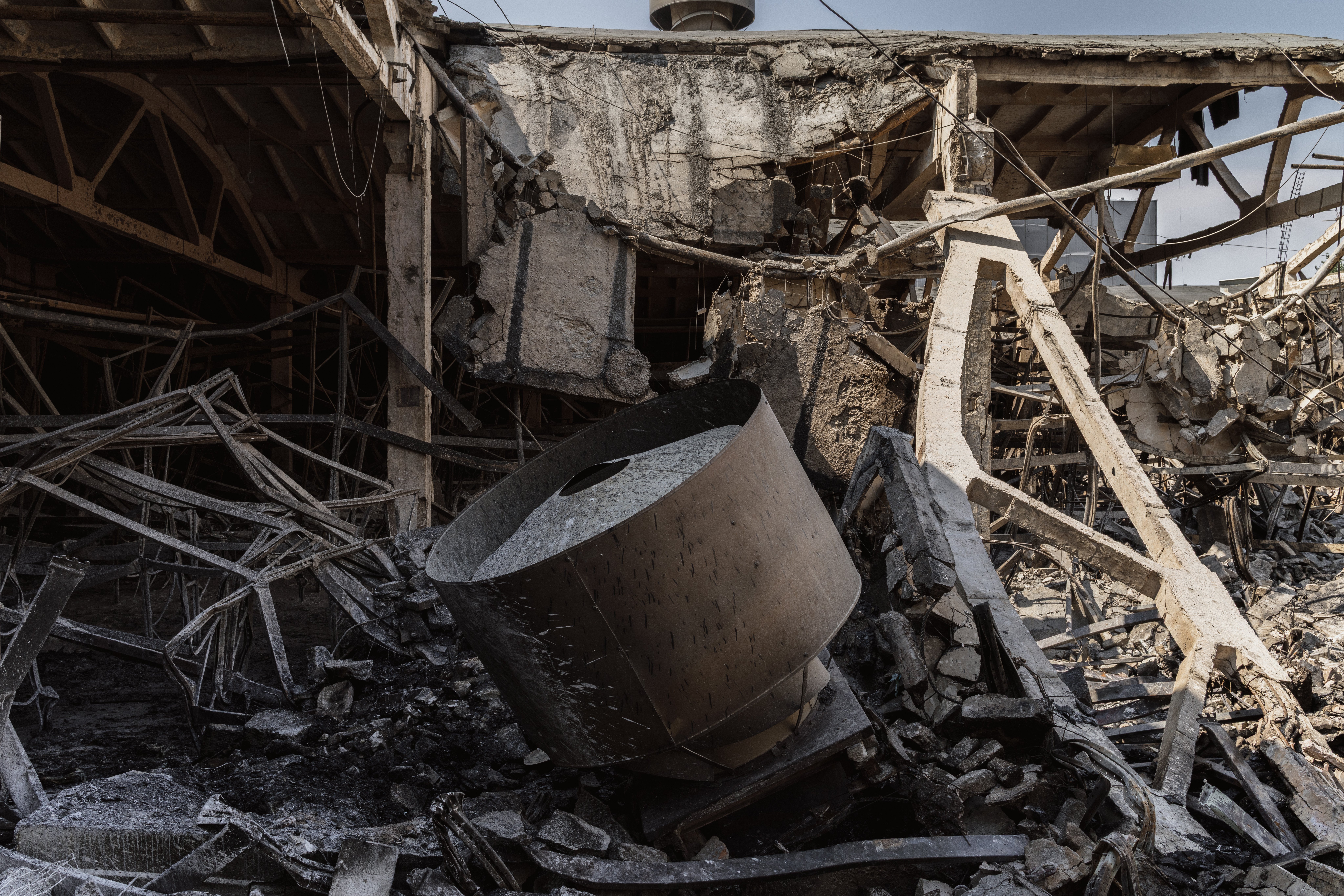
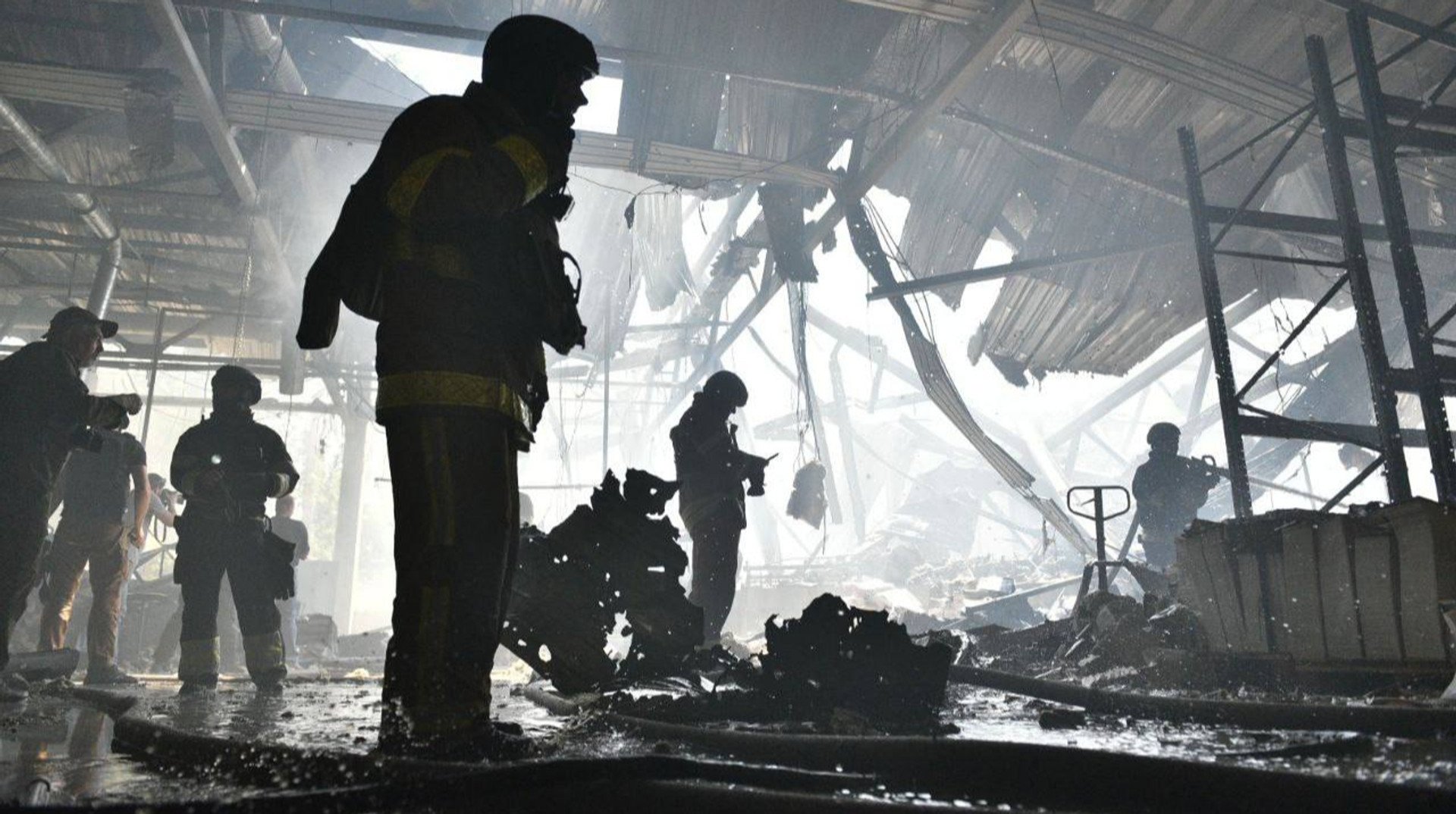
After several Russian strikes on printing facilities, a warehouse, and newly printed textbooks in July, RNK-Ranok faced the biggest disaster in its history on August 1.
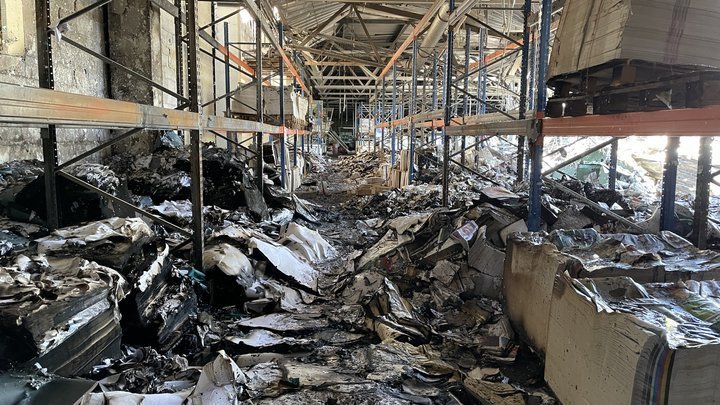
That day, two Russian drones hit the corporation’s automated logistics center in Kharkiv, through which a significant share of its books passed. Around 70% of the corporation’s entire stock was stored there.
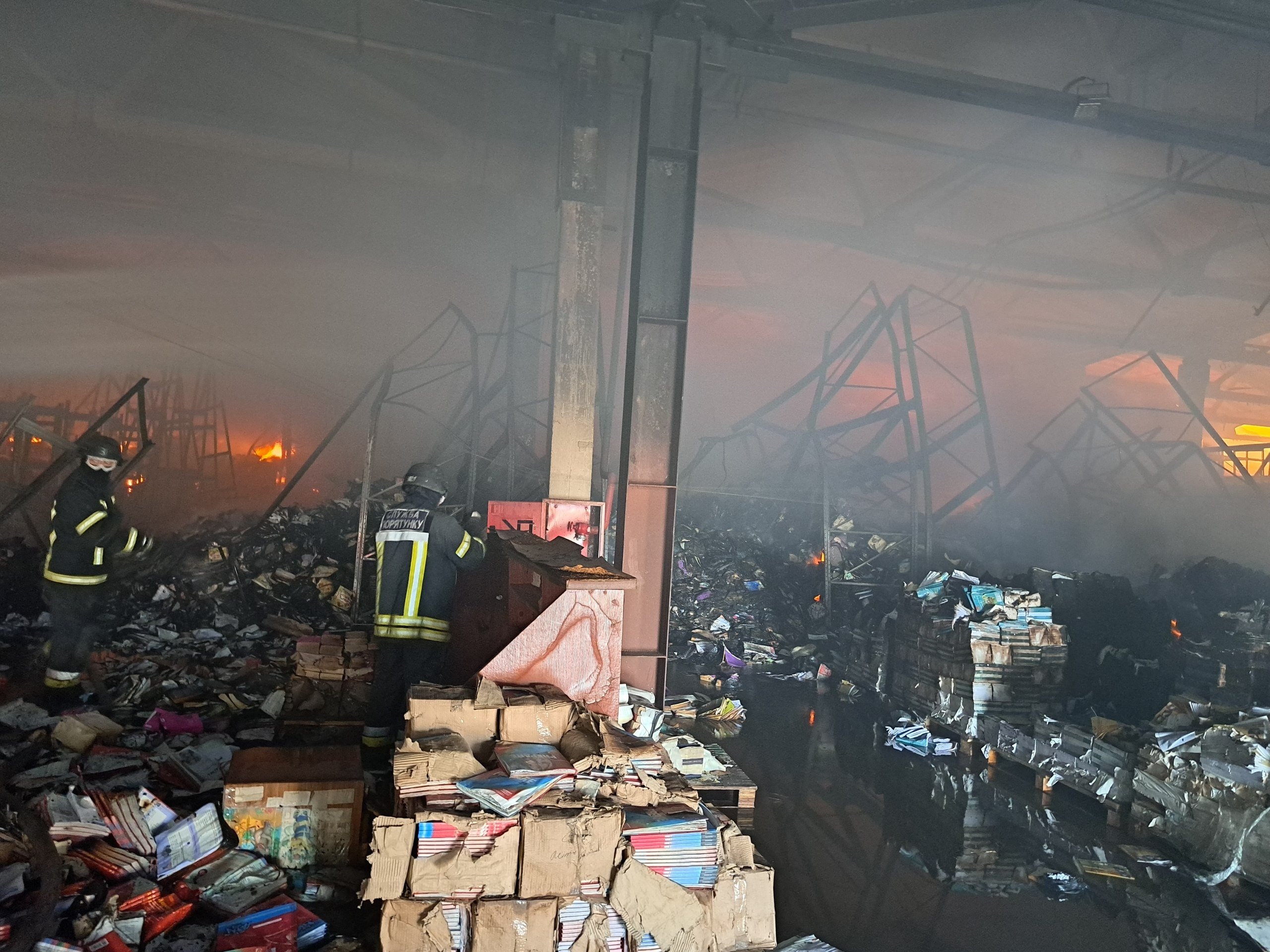
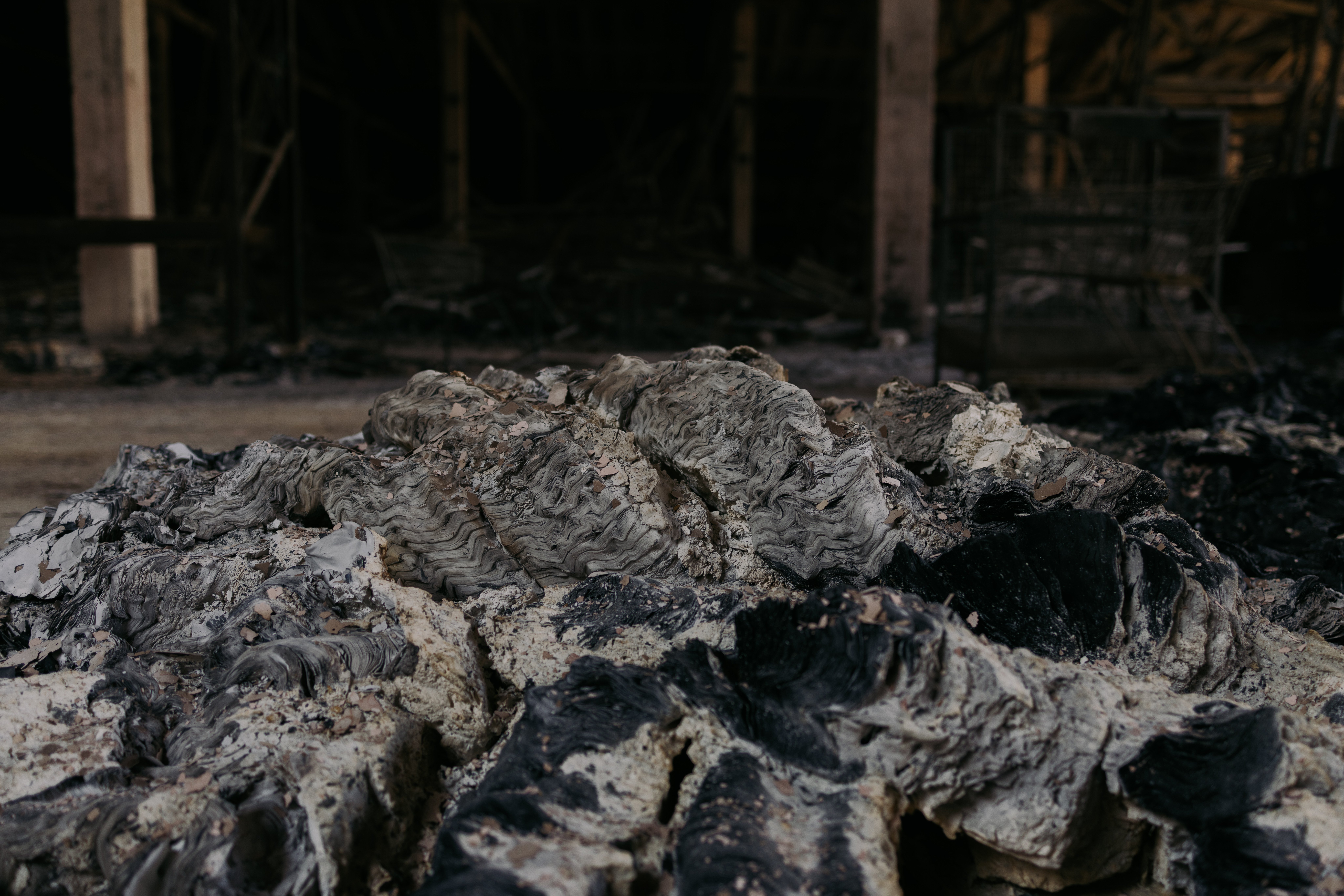
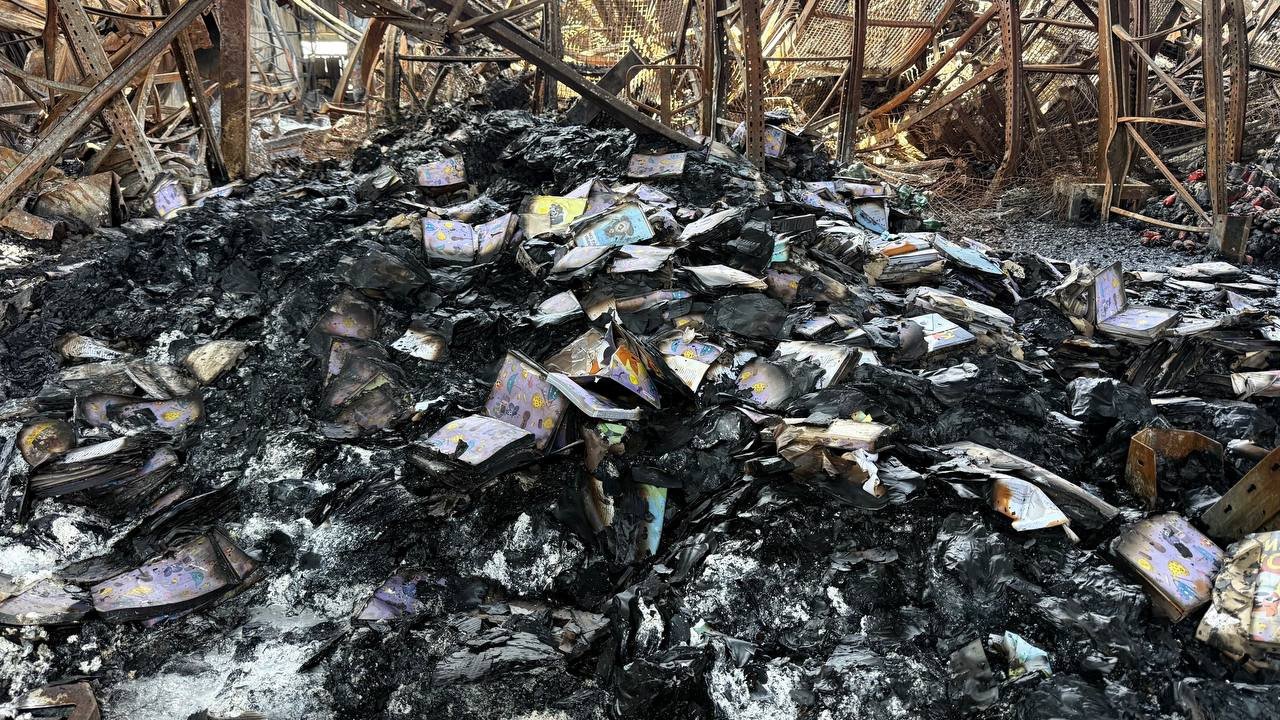
In a single night, around 8 million copies representing 28,000 titles went up in flames—from school textbooks and children’s literature to international bestsellers, contemporary Ukrainian fiction, comics, and books that had only just come off the printing press.
“Among the losses were 6,408 copies of books by Holly Jackson, author of the international bestseller A Good Girl’s Guide to Murder, and 5,807 copies by Mercedes Ron, author of the international hit Culpa Mía, which was adapted for Amazon Prime,” says Viktor Kruglov, CEO of RNK-Ranok. “Another 6,647 copies were from Max Brallier’s The Last Kids on Earth series, which was adapted into an animated series by Netflix.”
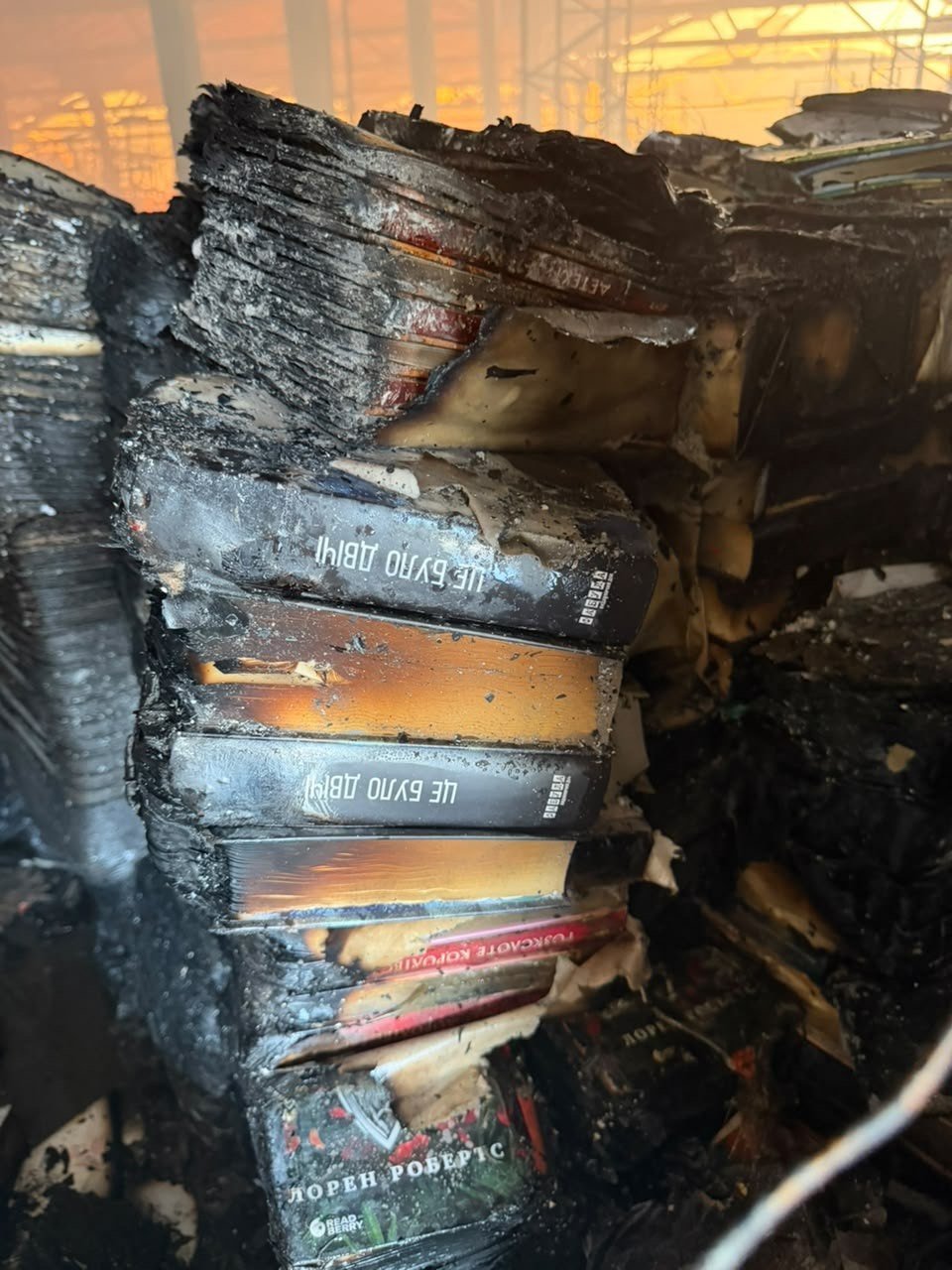
“Fabula lost its entire warehouse stock of books by some of the world’s leading authors,” Kruglov says. “They included Franck Thilliez, one of Europe’s best-known thriller writers, as well as Salman Rushdie, Szczepan Twardoch, and Irvine Welsh.”
The destruction also wiped out more than 620,000 school textbooks.
“Workbooks, study guides, teachers’ materials, and children’s books also burned—everything that was supposed to support the educational process from the first weeks of September,” Kruglov explains.
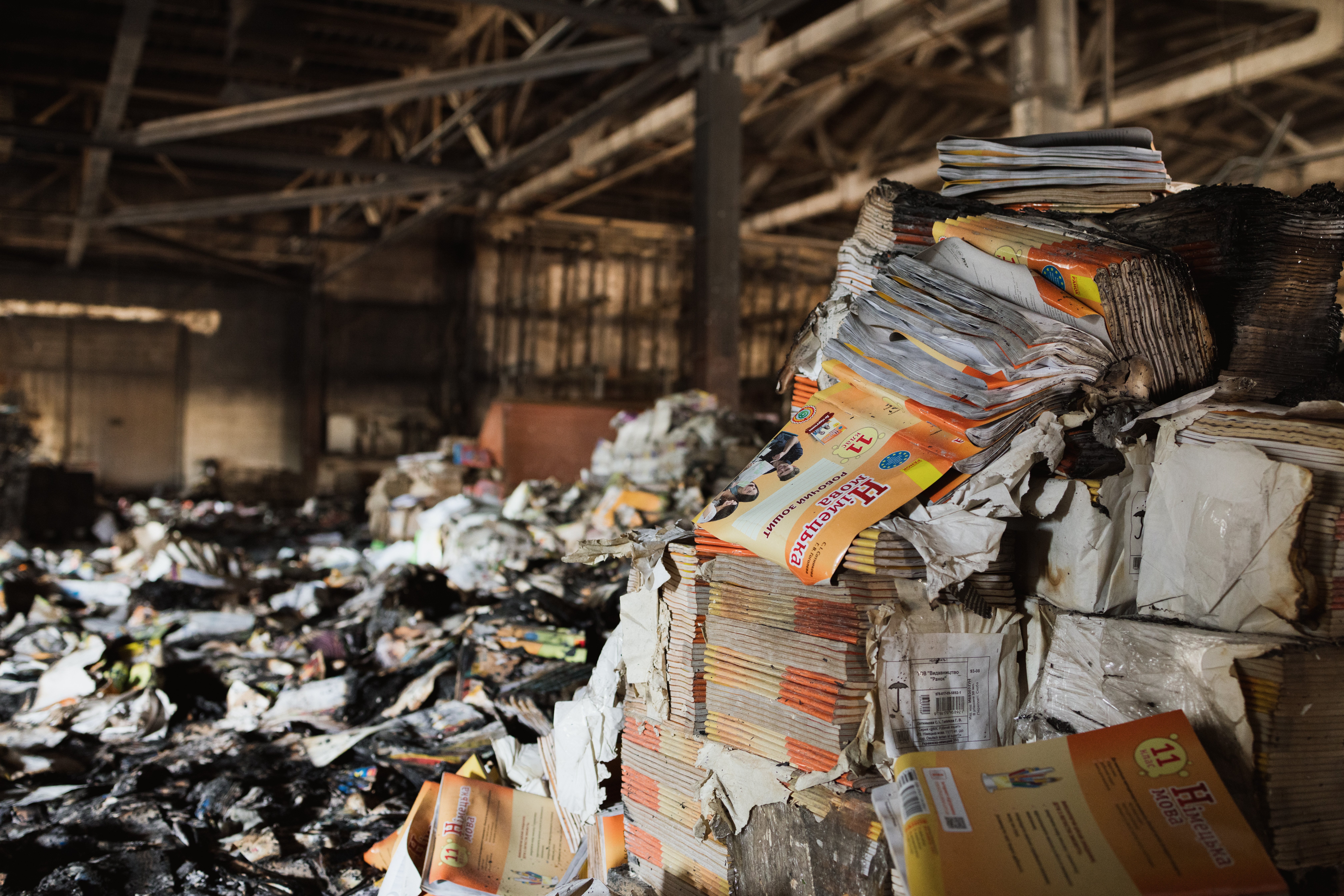
What authors had spent years creating, editors had worked on, designers had laid out, printing facilities had produced, and teams had prepared for the new school year all turned to ashes within a few hours.
Viktor Kruglov
CEO of Ranok
The strike came just a month before the start of the school year in Ukraine. Some of those books were supposed to be sitting on Ukrainian schoolchildren’s desks within weeks.
The preliminary value of the books alone exceeded UAH 1 billion ($22.5 million). The automated logistics center itself was also effectively destroyed. RNK-Ranok had invested more than $5 million in building and equipping the facility. And Russia’s attacks did not stop there.
One of the biggest challenges now is rebuilding the company’s catalog.
“It’s impossible to reprint everything at once,” Kruglov says. “We’re prioritizing educational literature, new releases, bestsellers, key series, and books that already have demand from readers and bookstores.”
At the same time, Ranok is expanding its digital offerings.
“After losing millions of printed copies, digital formats have become another way for us to keep books accessible to readers, even when a physical edition is temporarily unavailable,” Kruglov adds.
Over the past few years, the corporation has repeatedly had to restructure its logistics, move printing to different facilities, redistribute stock, and look for backup locations. But after August 1, the changes had to go much further.
“We had to rebuild almost the entire system,” Kruglov says.
Ranok is still operating. The corporation has not halted its publishing processes and continues to prepare new books, print new editions, fulfill orders, and deliver books to readers.
“We are doing everything we can to make sure Ukrainian children do not have to pay for Russia’s destruction of printing facilities and warehouses with their education," Kruglov says.
However, a full recovery could take between three and five years.
Ranok has also launched a fundraising campaign following the attacks. You can support the publisher through the link below.
BookChef
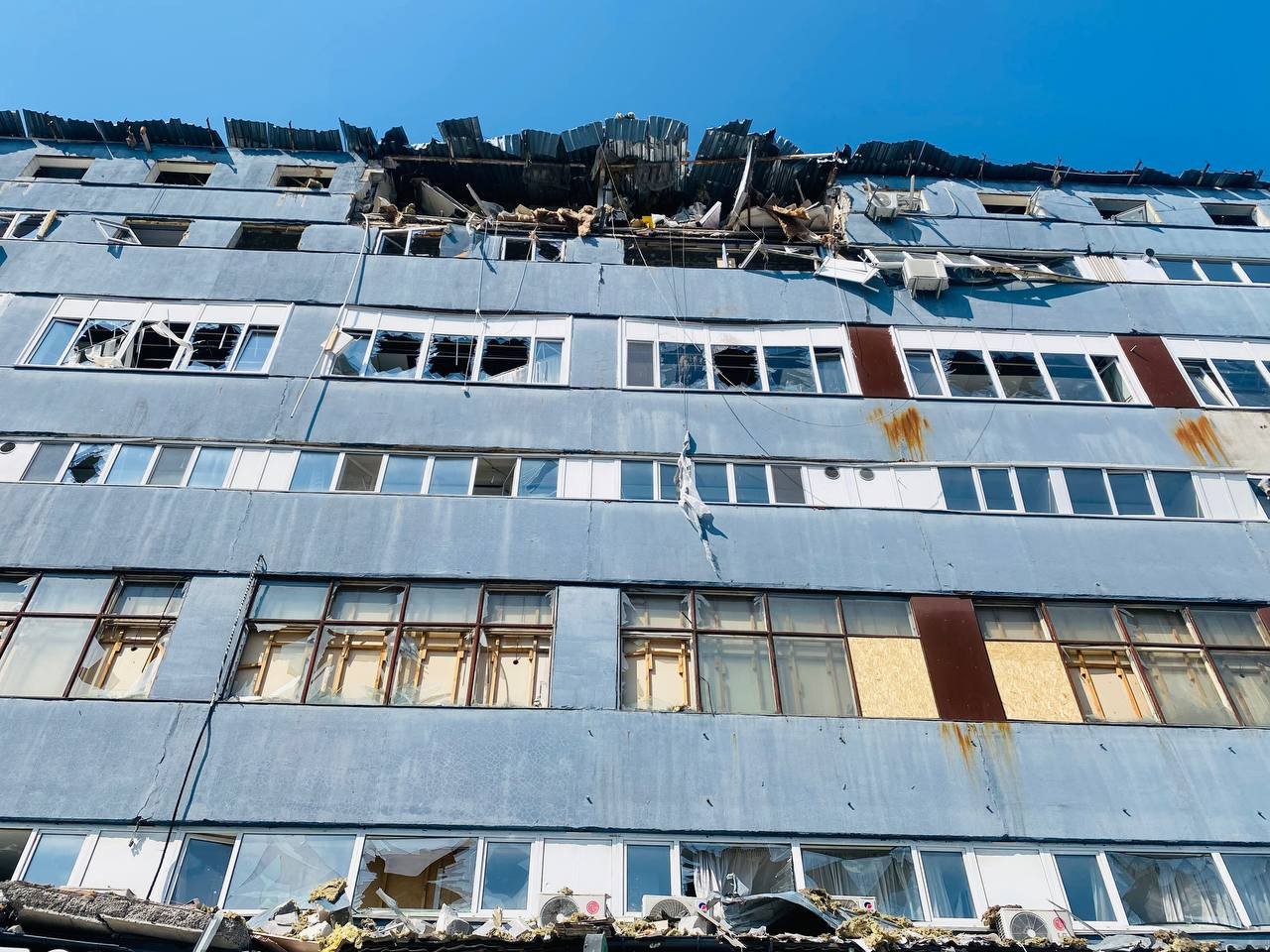
This summer, Russia struck BookChef—one of the three leading publishing companies in Ukraine—three times. The first strike came in early July, destroying the company’s main warehouse, which held around 900,000 books. A month later, another strike destroyed its reserve warehouse, where more than 100,000 books were stored. The third attack hit the publisher’s office.
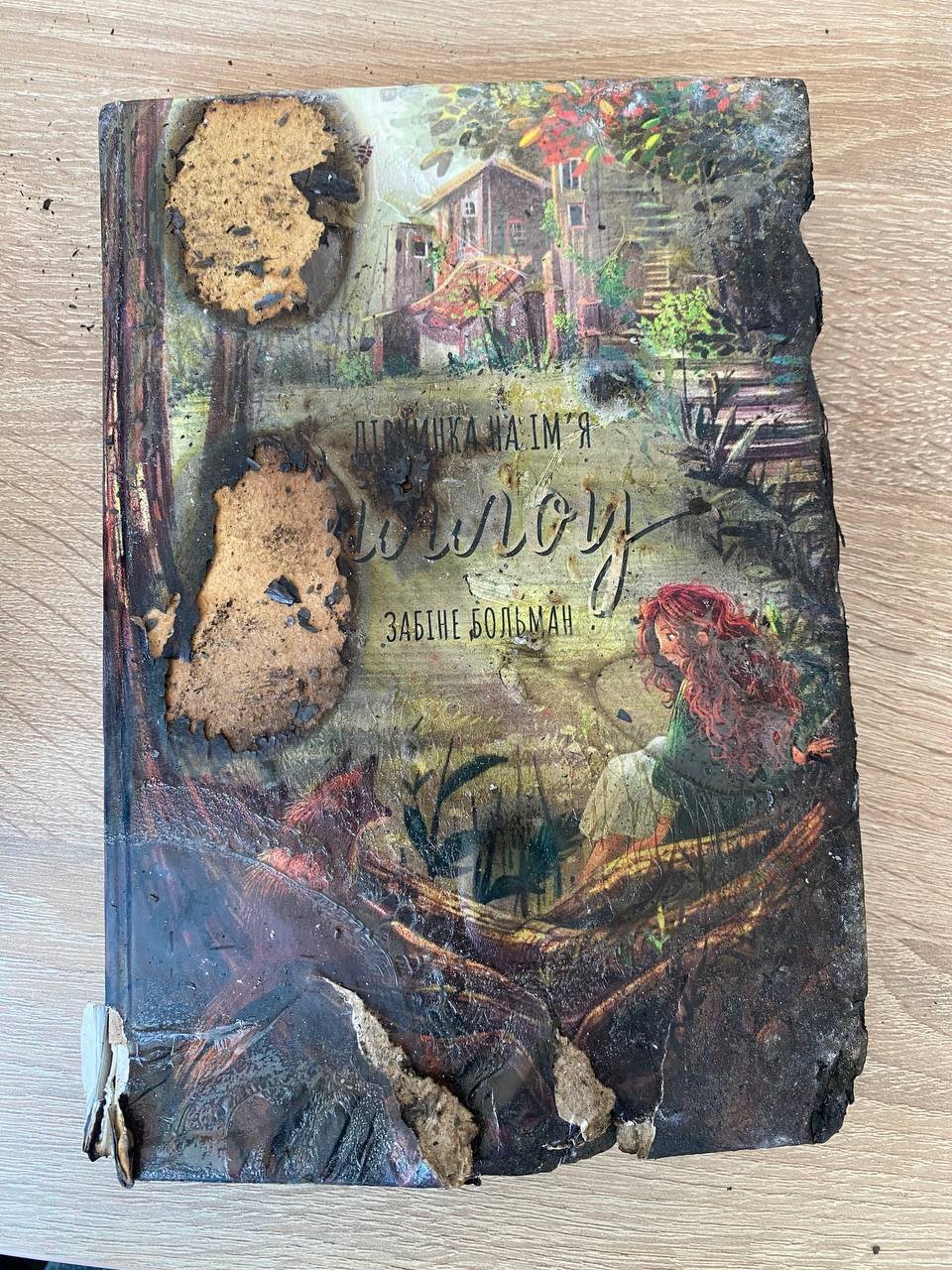
“Among the books we lost were Suzanne Collins’ The Hunger Games series, Diana Gabaldon’s Outlander, and books from Jennifer L. Armentrout’s A Blood and Ash series,” Shyrynos says. “We also lost books by Yuval Noah Harari, including Sapiens, Homo Deus, and Nexus, as well as works by Jean-Christophe Grangé and Jay Kristoff.”
The list goes on: Tracy Wolff’s Crave series was also among the books destroyed.
The total damage to BookChef amounted to UAH 125 million ($2.81 million).
One of the first things BookChef had to do was find new warehouse space in western Ukraine. But that was not as easy as it sounds.
“Books have to be stored under certain conditions,” Shyrynos says. “There are temperature and weight requirements. You can’t just put books in any warehouse.”
On top of that, many businesses in the capital have been affected by Russian attacks and are also looking for new warehouse space, creating fierce competition.
Despite all these difficulties, BookChef managed to find new facilities. But its logistics are now much more complicated.
“The biggest printing facilities we work with are in Kharkiv and Kyiv. Our main team is in Kyiv, while the warehouse is now in western Ukraine,” Shyrynos explains. “All the processes have slowed down. We hope this will at least give us some options for keeping our books safe.”
BookChef’s main way of getting its business back on track is reprinting books.
“First of all, because it’s cash,” Shyrynos says. He explains that all the books stored in the destroyed warehouses are gone, although some copies had previously been distributed to BookChef’s partners. “But those copies are gradually running out. They are being sold, and we have nothing to replace them with.”
That is why, Shyrynos says, reprinting the titles that sell the most is the fastest way for the publisher to bring money back into the business.
But at this point, the biggest problem BookChef is facing is not even the financial losses. It is the uncertainty.
“Again, we have sent books to be printed now, and we will get them back in two months,” Shyrynos says. “But will something hit that printing facility in those two months? Nobody knows. Will we even have time to physically get those books out of the printing facility in Kharkiv?”
On top of that, he points out, the book business has a long investment cycle. Depending on how complicated a book is to translate, it can take a year and a half or even two years from acquiring the rights to its publication. And throughout that entire period, money has to be invested in buying the rights, paying for the translation, and paying editors and proofreaders.
According to preliminary estimates, BookChef will need nine months to fully recover. But that is only if there are no new attacks and no further losses.
BookChef has also launched a fundraising campaign following the attacks. You can support the publisher through the link below.
Vivat
Kharkiv-based Vivat, one of Ukraine’s best-known publishing houses, has also suffered from Russian attacks.
Canadian writer Xiran Jay Zhao was among those who saw their books go up in flames. After Russia struck Kharkiv’s Faktor-Druk printing complex in 2024, Zhao shared a photo of a charred copy of the novel Iron Widow on social media.
One of the largest printing complexes in Ukraine and Europe, Faktor-Druk printed almost 90% of Vivat’s books, CEO Yuliya Orlova says.
The publishing house lost more than 50,000 books worth over UAH 20 million (almost $450,000). But the most tragic part was that seven printing-plant employees were killed and 22 were injured.
At the end of August 2026, Russia struck Vivat again—targeting a warehouse in the Kyiv region. The attack destroyed 35,500 copies worth UAH 16.6 million ($373,000).
Orlova says she was in two very different states of mind during the attacks in 2024 and 2026.
When the first strike hit Faktor-Druk, it was horrifyingю. I’d probably like to say that I was strong and brave, but to some extent, I was just lost. The losses were huge, and I had absolutely no idea what to do next.
Yuliya Orlova
CEO Vivat books
Now, everything is happening so quickly that she has no time to process it. “I don’t know what strong, brave people are supposed to feel,” she admits. “I feel tired, angry, and I have a huge desire to win.”
Orlova keeps a black spreadsheet tracking the losses. “I have written down what day it is, when we lose something, and which of our clients has lost something,” she says. “Right now, there are 27 clients on that list who have been affected.”
Some of Vivat’s books are selling out fairly quickly because most of their print runs were stored in the Kyiv region. But the publisher cannot reprint them fast because it lacks sufficient working capital.
As a way out, Vivat has started offering discounts on the books it still has in stock. Orlova admits that this may not make much sense.
“Unfortunately, everything is being destroyed faster than our obligations are coming due. More than 300 people work at our publishing house. We have to pay everyone’s salaries. That’s why I urgently need working capital—to pay salaries, settle our payments with printing companies, and pay rent for our bookstores and warehouses.”
Readeat
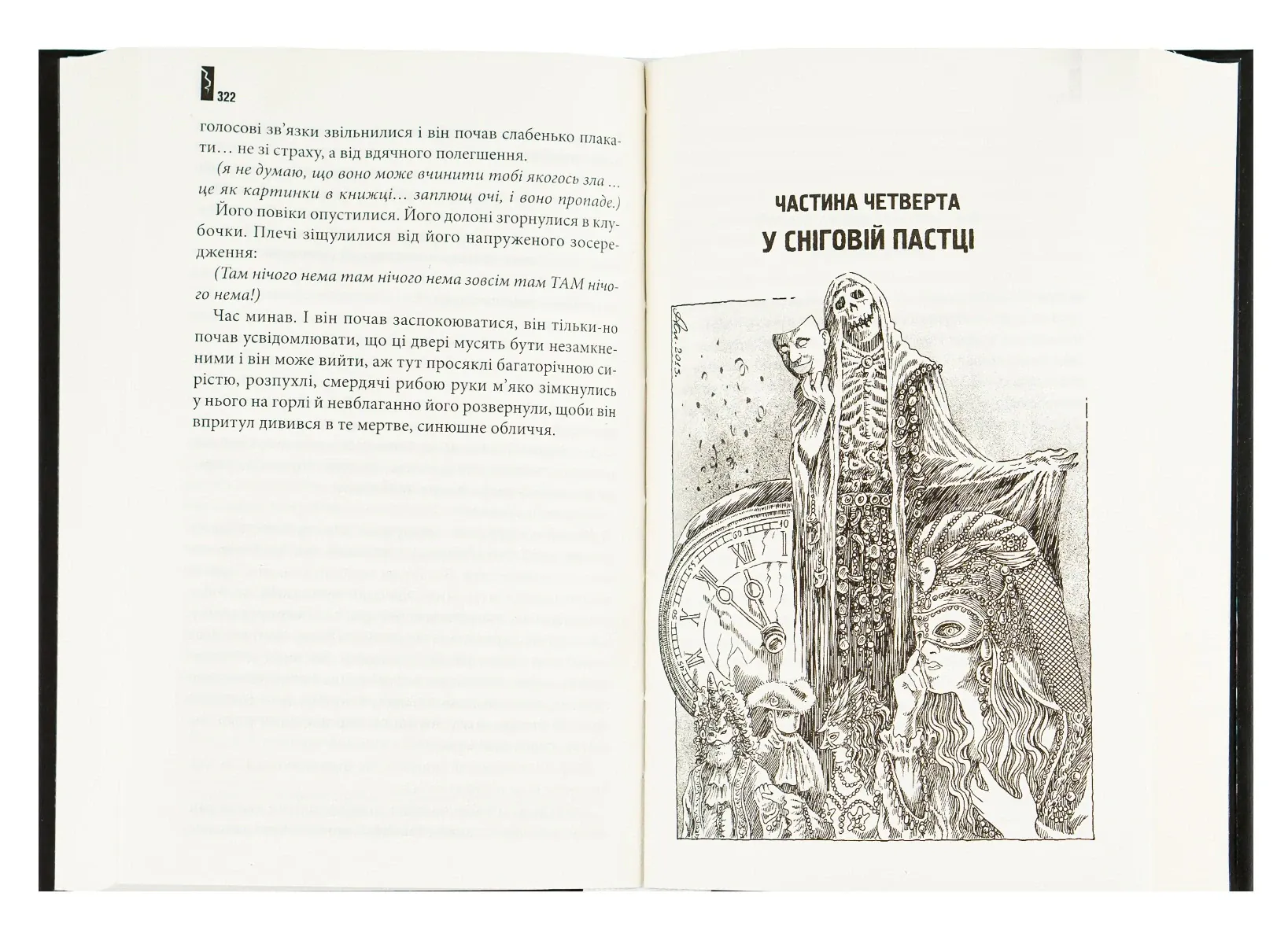
Russia has struck Readeat twice, says the bookstore’s CEO and founder, Dmytro Felixov. The first attack damaged the bookstore’s premises in August 2025. One year later, at the end of August 2026, Readeat lost around 100,000 books worth UAH 25 million ($562,000) when its warehouse in the Kyiv region came under attack.
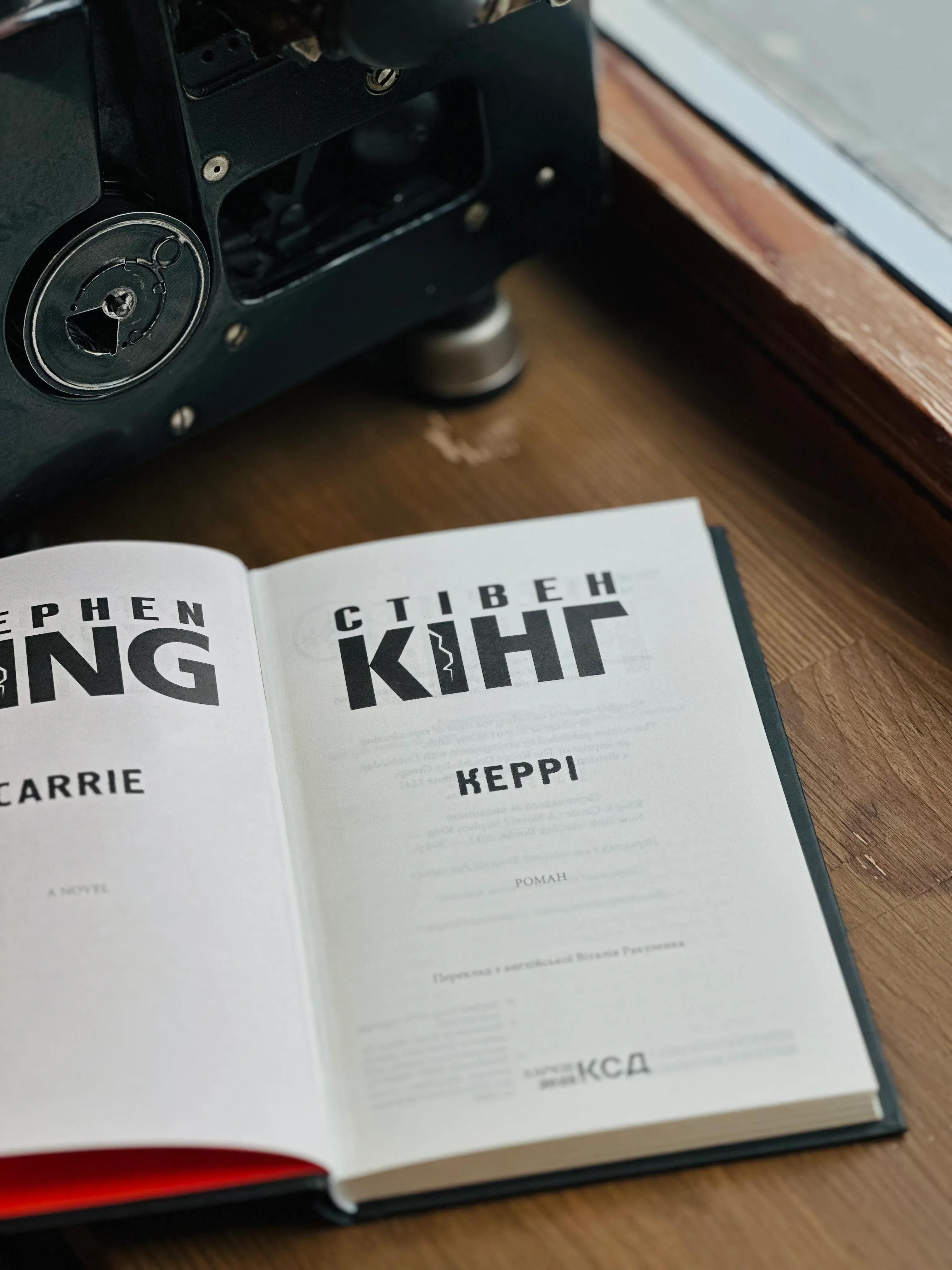
The destroyed books included Ukrainian translations of works by some of the world’s most popular foreign authors. Among them were Stephen King’s Carrie, The Shining, and Skeleton Crew. Readeat also lost books by Freida McFadden, including The Housemaid, The Housemaid’s Secret, The Housemaid Is Watching and Never Lie. There were also books by Colleen Hoover, including It Ends with Us, Regretting You and Ugly Love, as well as Rebecca Yarros’ Fourth Wing and Iron Flame.
One of the biggest challenges was that Readeat could no longer ship books from the damaged warehouse. But, Felixov says, the process of restoring deliveries is already underway.
Within a week, Readeat found a new warehouse equipped specifically for book storage and began receiving its first deliveries.
“Most publishers have already started shipping books to us because we’ve had orders coming in throughout the week,” Felixov says. “By September 15, we expect to receive the vast majority of the books.”
But there is still a problem, Felixov says: publishers do not have every title in stock, so Readeat may not be able to fully restore its entire catalog. Still, he stresses that the team is working on it.
Despite the scale of the losses, Felixov believes the experience will ultimately make his team even more resilient and more efficient.
How Ukrainians support publishers
One of the unique things about Ukrainians is the way they come together in difficult times. Russia’s attacks on Ukrainian businesses have been no exception.
Felixov says Ukrainian society has shown tremendous support for the book industry. After the attack, the number of people visiting bookstores actually increased.
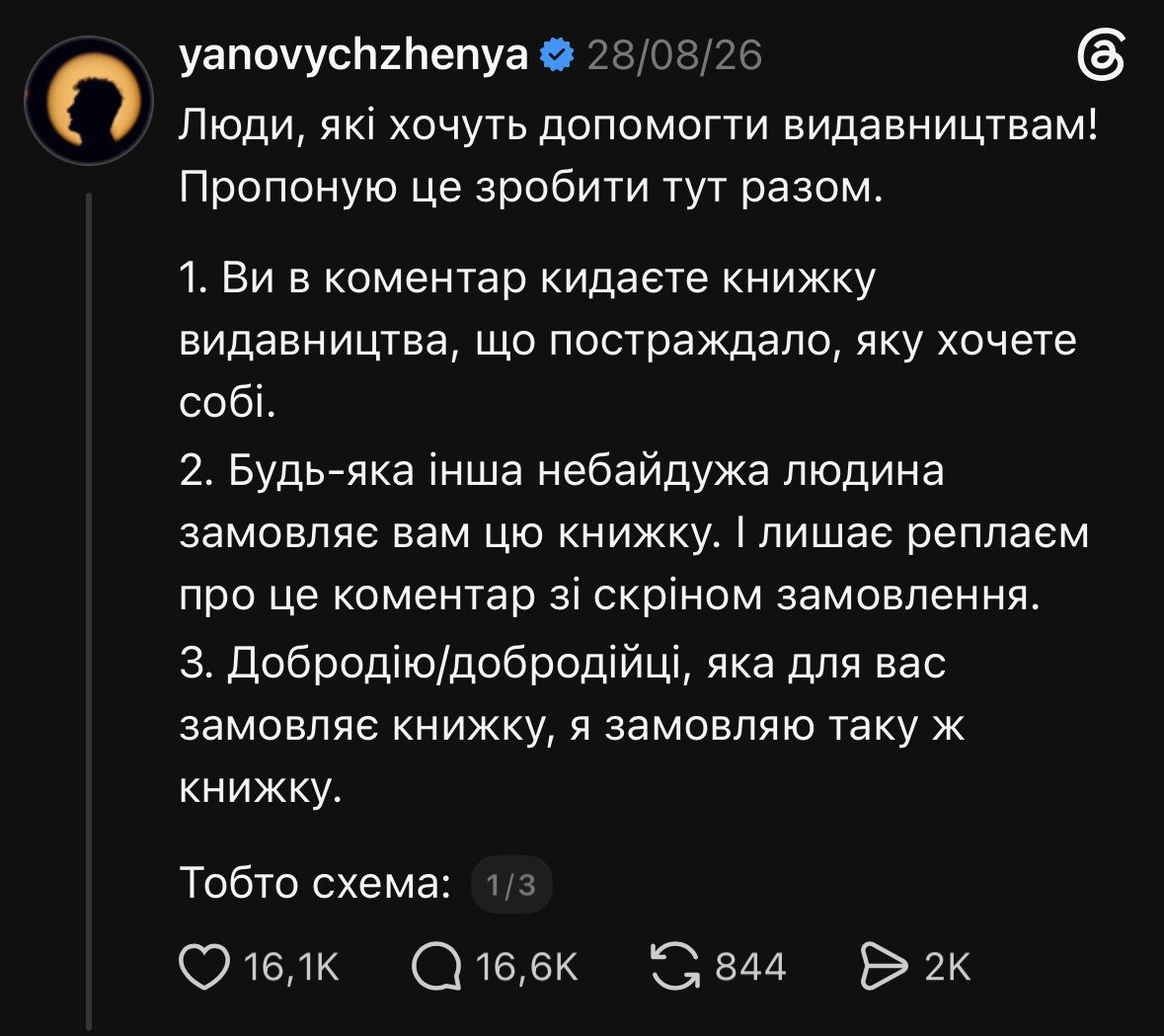
Ukrainian influencers have also joined efforts to support publishers and bookstores.
“One of them launched a campaign called ‘Give Books as Gifts,’ and people started sharing the books they dreamed of having in the comments,” Felixov says enthusiastically. “Others began buying those books and sending them as gifts to complete strangers. And it’s still going.”
Ukrainian banks have also stepped in to support the book market by offering increased cashback on book purchases.
Vivat has felt that support as well. Orlova says it helps the company keep going.
“You realize that what you are doing matters to someone,” she says. “People come in with their children, even little ones, and buy books whether they need them or not. They say, ‘Let them stand on the shelf. I’ll give them to someone later.”
Anyone can support Ukraine’s book industry right now.
“You can help with one very simple thing—give someone a book as a gift,” says Felixov. “It costs 300 to 400 UAH (up to $10), which, when you think about it, isn’t a huge amount of money. But when thousands of people do it, that money can go toward printing new books.”
Will Ukraine’s book industry survive Russia’s attempts to destroy it?
All the publishers and bookstores we spoke to say they have no plans to stop operating despite the heavy losses. But, unfortunately, not everyone may be able to keep going.
“There is a high chance that, out of the roughly 50 to 70 active publishers currently on the market, we could lose a quarter or even a third, simply because of cash-flow gaps,” says Shyrynos.
As for whether the Ukrainian publishing industry as a whole will survive, Felixov draws a comparison with the mythical phoenix.
“For centuries, we have survived invasions. We will survive this time as well,” he says. “In the end, the Ukrainian word, the Ukrainian language, Ukrainian culture—everything connected to our national identity—will survive. But will everyone make it to that point? I don’t think so.”
Kruglov says the question is much broader: can Ukrainian publishers and the state build a support system strong enough to prevent Russia from gradually exhausting the entire industry economically by striking printing facilities and warehouses?
“Because whether the next Ukrainian book gets printed, and whether a child receives their next textbook in Ukrainian, affects much more than the future of a single publisher,” he says. “It is a question of the resilience of Ukrainian education, culture, and language during the war.”
Discuss this article:
-4a56a6b482ec132402c16ef6fcabf9a2.png)


-c439b7bd9030ecf9d5a4287dc361ba31.jpg "Photo of Katherina Popilnichenko")

-2386d89295678553e91e27f1a0d592e3.png "Ukraine Just Wrapped Up a Four-Season Military Operation: 277 km² Cleared, 8,000 Russian Troops Eliminated")
-29a1a43aba23f9bb779a1ac8b98d2121.jpeg "Photo of Illia Kabachynskyi")