- Category
- World
British Typhoons Join French Strategic Forces in Joint Mediterranean Deterrence Drills
 Prefer U24 Media on Google
- Authors


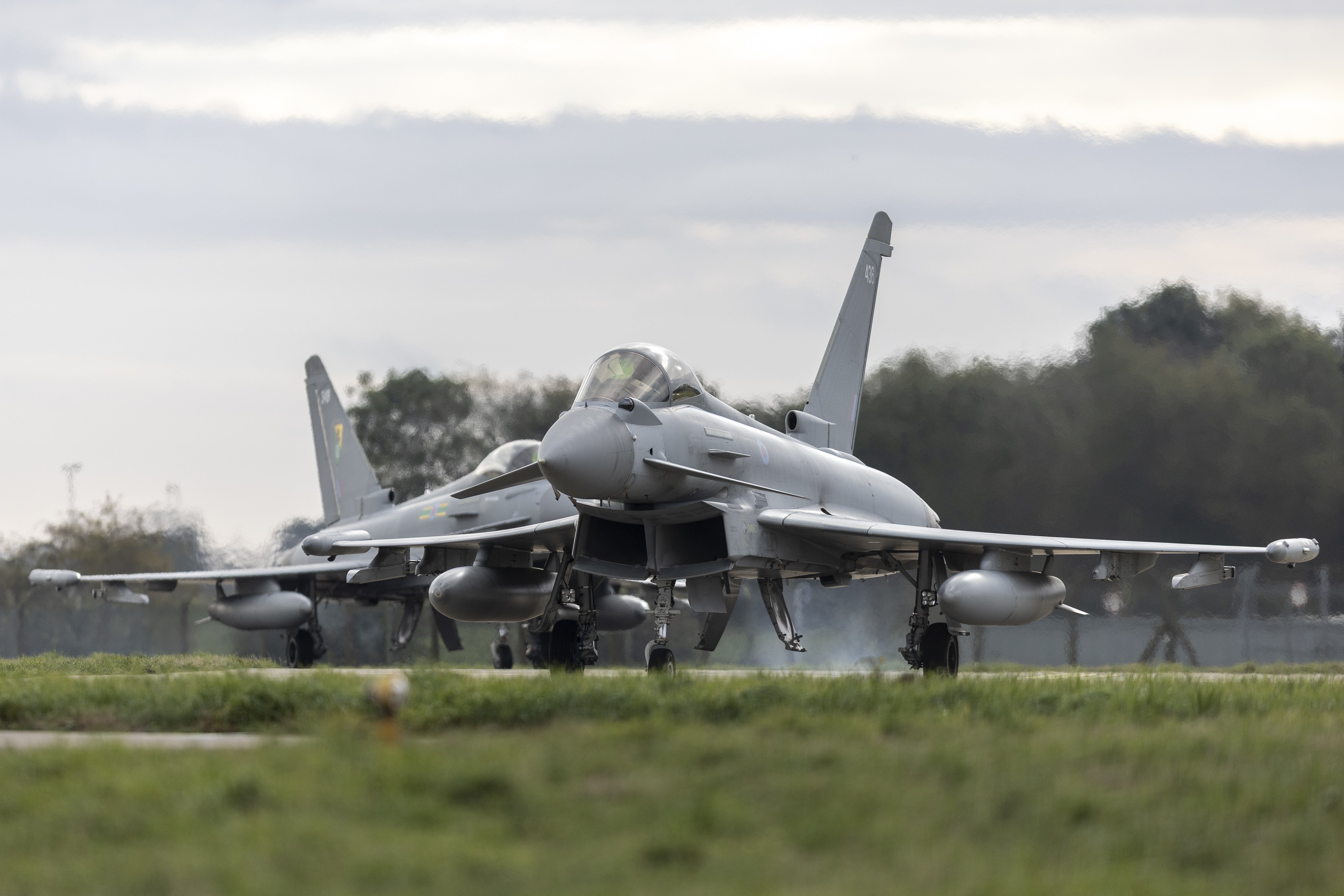
British Typhoon fighter jets took part in French Air Force exercises simulating a nuclear strike for the first time. The maneuvers, codenamed Rummy , were conducted over the Mediterranean Sea on October 20.
French Rafale aircraft launched from Saint-Dizier air base in northeastern France, accompanied by Royal Air Force fighters throughout the mission, as reported by Reuters.
We bring you stories from the ground. Your support keeps our team in the field.
French Armed Forces Minister Catherine Vautrin stated that the independence of the two nations' nuclear forces does not hinder their joint operations.
UK Defense Secretary Wes Streeting emphasized that potential adversaries should have no doubt about the unity between London and Paris regarding European security.
In 2025, both countries agreed to expand nuclear cooperation amid rising tensions with Russia and uncertainty surrounding American security guarantees.
British military personnel previously attended France's Poker nuclear exercise in December, which tested strategic aviation operations, coinciding with the inaugural meeting of their joint nuclear policy working group, according to Reuters.
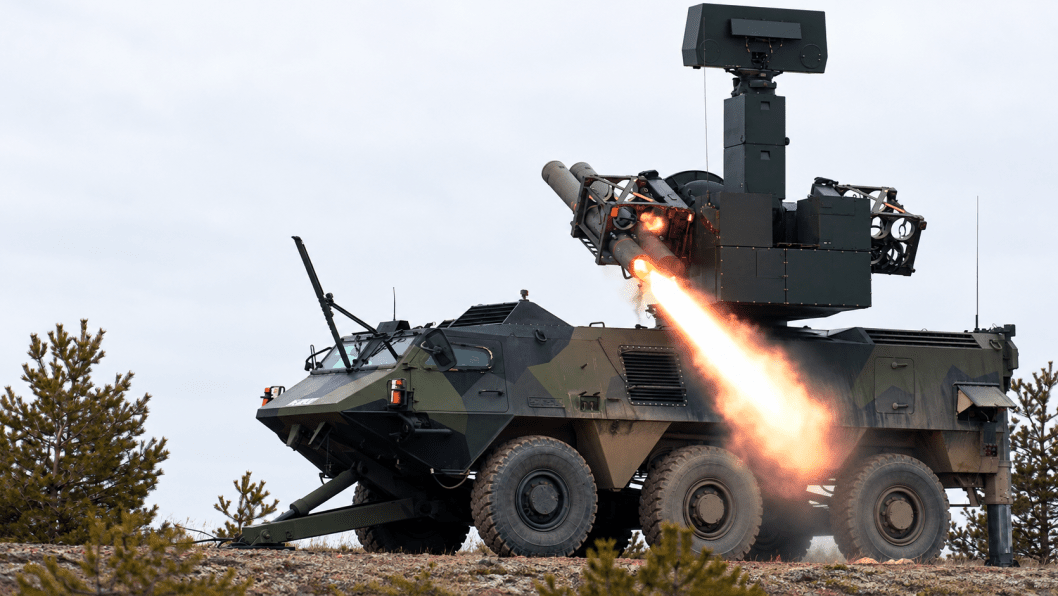
In March 2026, French President Emmanuel Macron announced plans to expand the national nuclear arsenal and proposed broader ally participation in nuclear deterrence.
The initiative includes joint drills and temporary deployment of nuclear-capable French Rafales to allied territories, with Finland, Norway, Sweden, and Denmark announcing their participation.
France remains the sole EU member possessing domestic nuclear weapons, maintaining an arsenal of approximately 290 warheads. The United Kingdom holds around 225 warheads, while Russia and the United States each possess over 5,000 warheads, Reuters reported.
To support these joint exercises and defense initiatives, European nations had long relied on external security frameworks.
Under NATO’s long-standing arrangements, European nuclear deterrence had remained primarily under the control of the United States, which maintained approximately 100 B61 nuclear bombs across bases in Belgium, Germany, Italy, the Netherlands, and Türkiye.
Although host nations provided the delivery aircraft, the deployment of these weapons ultimately required American authorization.
Discuss this article: