- Category
- World
China-Russia Defense Cooperation Deepens as Weapons Technology Flows Both Ways
 Prefer U24 Media on Google
- Authors


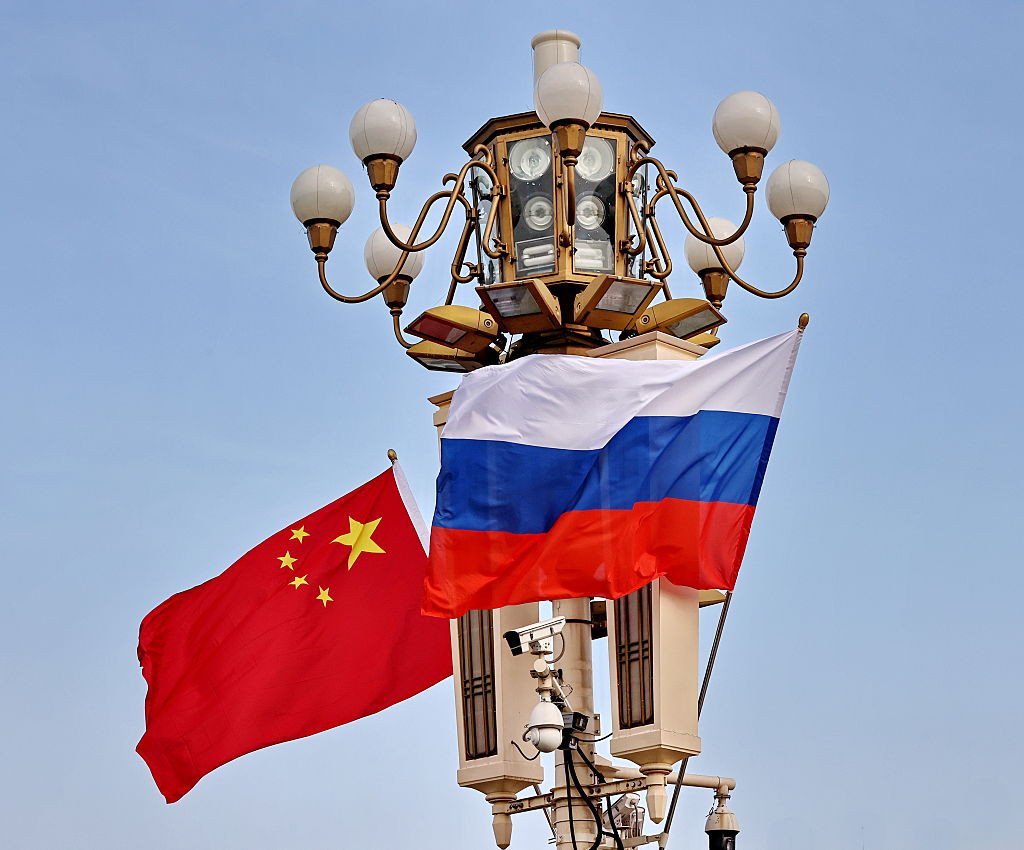
A new report found that Russian defense production is increasingly moving into China, while advanced weapons expertise is flowing in both directions, the Center for Advanced Defense Studies (C4ADS) reported on October 22.
The cooperation between the two countries is deepening despite an increasingly asymmetric relationship.
We bring you stories from the ground. Your support keeps our team in the field.
The report examined Chinese-Russian cooperation around advanced conventional weapons, including industrial supply chains, joint research and development, and academic links between defense-affiliated institutions.
C4ADS identified 314 shipments involving 52 Russian suppliers and 21 Chinese recipients in Russian trade records covering 2010–2025. The transfers involved military dual-use inputs, manufacturing capabilities, intellectual property, and technologies linked to advanced weapons development.
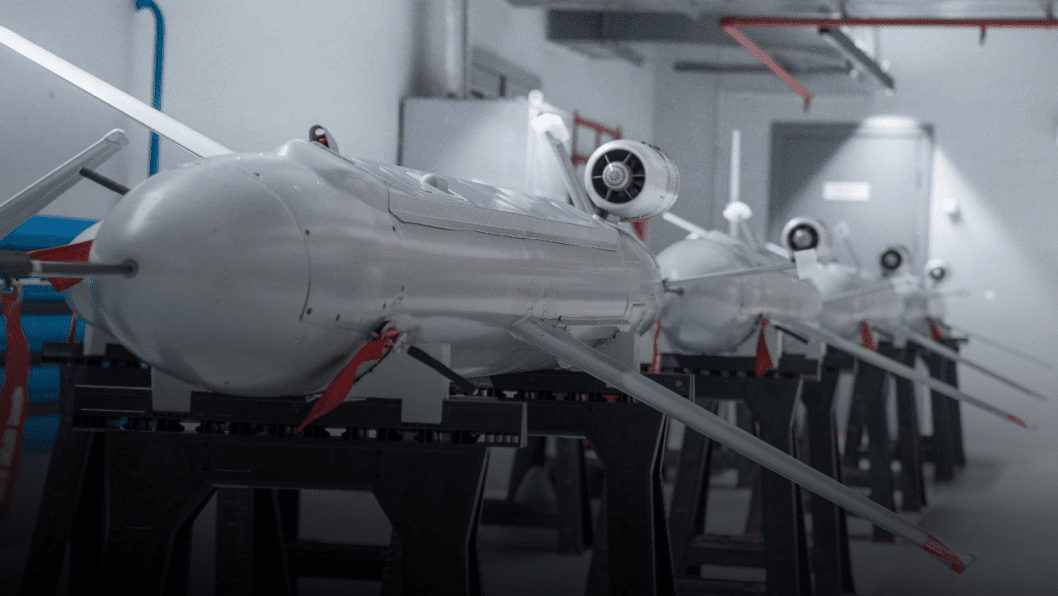
According to the report, Russian private and state-owned companies are increasingly working with Chinese counterparts to meet immediate wartime demand by moving parts of defense production and manufacturing activity into China.
Joint research and development also allows Russian and Chinese defense companies to test existing designs, reduce development costs, and bridge the gap between weapons design and serial production, according to C4ADS.
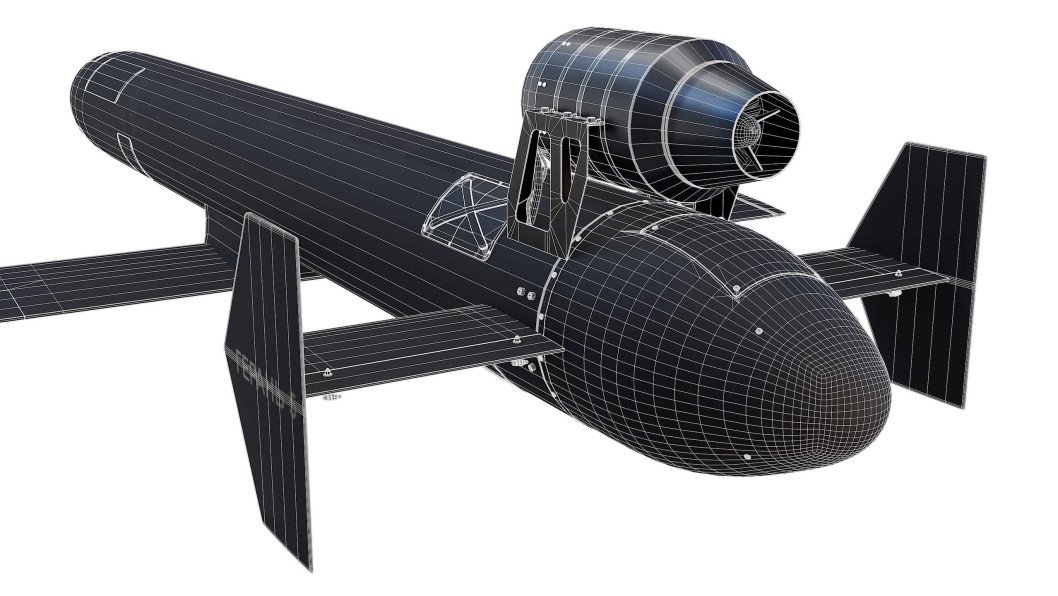
The relationship remains uneven. Russia contributes Soviet-era engineering and scientific expertise, while China provides greater industrial scale, advanced manufacturing capacity, and a more heavily funded system for turning technological innovation into military applications.
C4ADS noted that cooperation appears strongest when it serves Beijing’s own technological ambitions. China remains more dependent on access to US and Western markets, capital, and technology than on Russia, limiting how far Beijing may be willing to deepen military-industrial cooperation.
The report also found that academic ties could help institutionalize longer-term cooperation. Joint publications involving Chinese defense-industry specialists and Russian defense-linked universities suggest that research networks and personnel exchanges may support future weapons development.

The findings build on the two countries’ “no limits” partnership declared shortly before Russia launched its full-scale invasion of Ukraine in February 2022. Although direct Russian arms exports to China have declined as China’s own defense industry has advanced, C4ADS assessed that deeper industrial, scientific, and technological cooperation has continued and in some areas expanded.
The report comes amid growing evidence that Chinese technology is already feeding into Russian weapons production. Earlier in October, an investigation found that Shenzhen Xingkai Technology was prepared to supply mesh communication modems to Russia’s Alabuga drone factory even after being informed that the equipment was intended for military use.
Discuss this article: