- Category
- World
EU Defense Commissioner Urges Creation of New European Security Alliance to Integrate Ukraine
 Prefer U24 Media on Google
- Authors

-c439b7bd9030ecf9d5a4287dc361ba31.jpg "Photo of Katherina Popilnichenko")
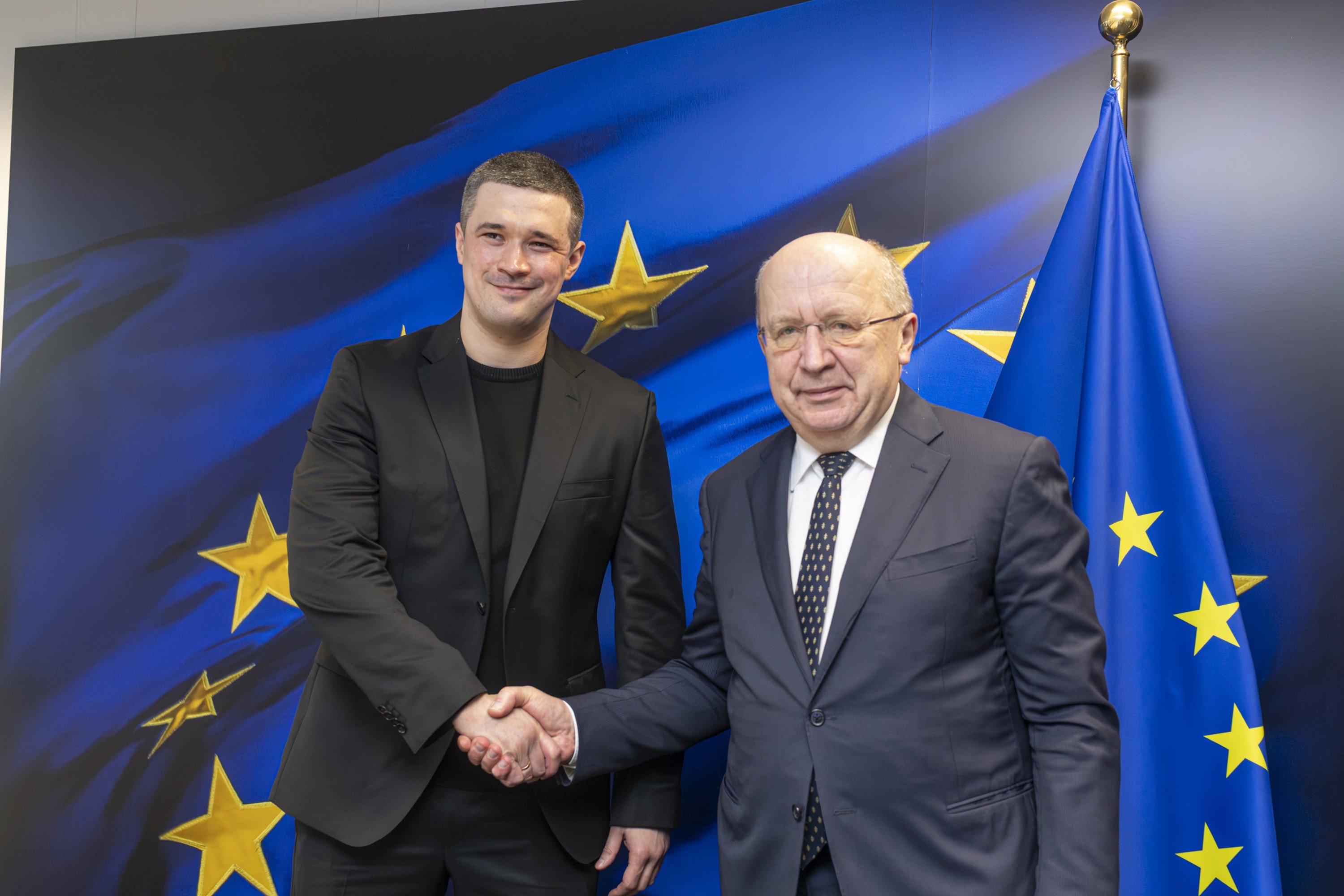
European Commissioner for Defense and Space Andrius Kubilius called for the immediate inclusion of Ukraine into a new European security architecture, without waiting for the country to achieve full membership in the EU or NATO.
Kubilius contrasted against a fragmented European defense model consisting of 27 separate defense budgets, 27 armies, and 27 national vetoes, which he deems strategically unsustainable, according to the Ministry of Defense of Ukraine on June 18.
We bring you stories from the ground. Your support keeps our team in the field.
“Now Ukraine has the strongest army not only because it has the bravest soldiers and the smartest generals. But also because it has the strongest innovative defense industry. So Europe must also be very interested in integrating it with the European defense industry,” Kubilius said.
Ukrainian Defense Minister Mykhailo Fedorov and Commissioner Kubilius discussed defense priorities, highlighting that the proposed European Defense Union would require 15 signatory states to launch.
Kubilius proposes addressing these vulnerabilities by establishing a European Defense Union based on an intergovernmental treaty. This structure would be open to non-EU members, specifically including the United Kingdom, Norway, Canada, Turkey, and primarily Ukraine.
Unlike existing EU treaties that focus on external operations, this new union aims to ensure the territorial defense of its participants and establish a fully integrated, single defense market.
-c76a59fa8b2cf4b48aae0532abaa4abd.jpg)
The roadmap proposed by Kubilius outlines an initial informal European Security Council, followed by the creation of the European Defense Union via an intergovernmental treaty. Subsequently, Ukraine would achieve full membership in the union alongside the formalization of the Council.
This process runs parallel to shifting from the logic of assisting Ukraine to supporting its victory as a prerequisite for peace.
The Commissioner emphasized that if Russia launches aggression against an EU or NATO country, only Ukraine possesses real experience in countering the mass deployment of drones. Integrating this experience into European defense is described as a strategic necessity rather than a gesture of goodwill. Kubilius noted that this could serve as the main step toward full European Union membership.
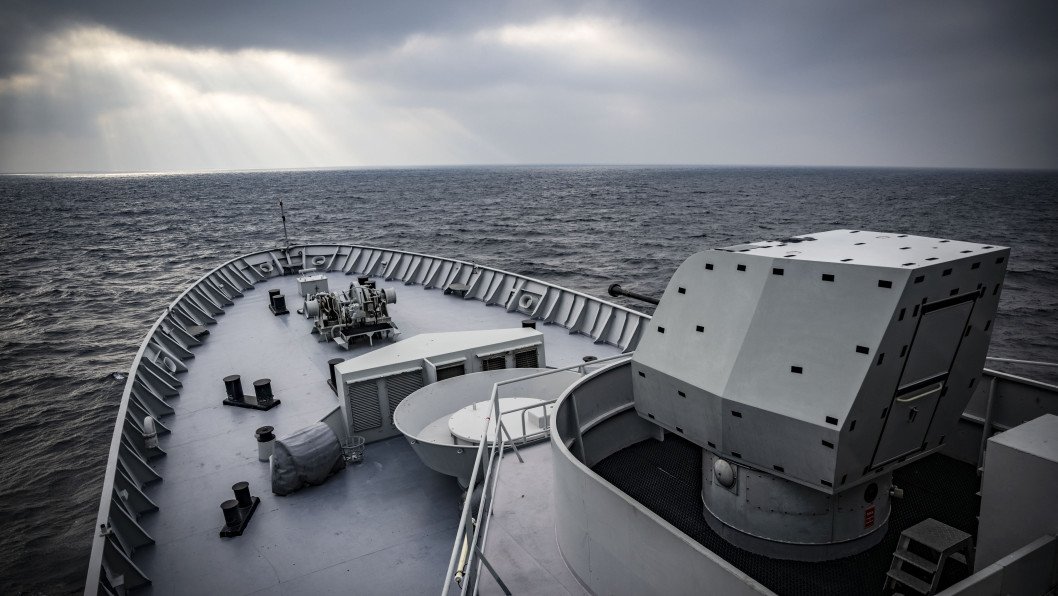
Andrius Kubilius referenced recent statements by US Secretary of State Marco Rubio to support his argument. He noted that international figures, including Rubio and Finnish President Alexander Stubb, have openly recognized the Ukrainian Armed Forces as the strongest military on the continent, reinforcing the strategic need to integrate Ukraine's capabilities into the broader European defense system.
Kubilius considers the establishment of peace in Ukraine as the key condition for moving forward in this direction, and he calls on Europeans to be ready to finance the Ukrainian victory plan. The strategic shift follows the geopolitical realities observed since Russia’s full-scale invasion of Ukraine.
On June 18, 2026, a total of 27 countries, including 15 NATO members and 12 non-NATO partners, joined Ukraine’s Drone Deal initiative, which aimed to significantly deepen military-industrial integration between Kyiv and its global partners while fostering long-term defense financing.
Speaking at the opening of the Ukraine Defense Contact Group meeting in the Ramstein format, Ukrainian President Volodymyr Zelenskyy stressed that the strategic necessity for this integration worked both ways, stating that Europe required Ukraine just as much as Ukraine required its allies.
The Ukrainian leader called for the elimination of artificial limitations within international frameworks that slowed down direct collaboration, noting that such restrictions ultimately undermined the security of all participating nations.
Discuss this article:


-72b63a4e0c8c475ad81fe3eed3f63729.jpeg "Photo of Cyril Barabaltchouk")