- Category
- World
Forced Deportation of Ukrainian Children Now Explicitly Triggers US Sanctions Under Law
 Prefer U24 Media on Google
- Authors

-111f0e5095e02c02446ffed57bfb0ab1.jpeg "Photo of Roman Kohanets")
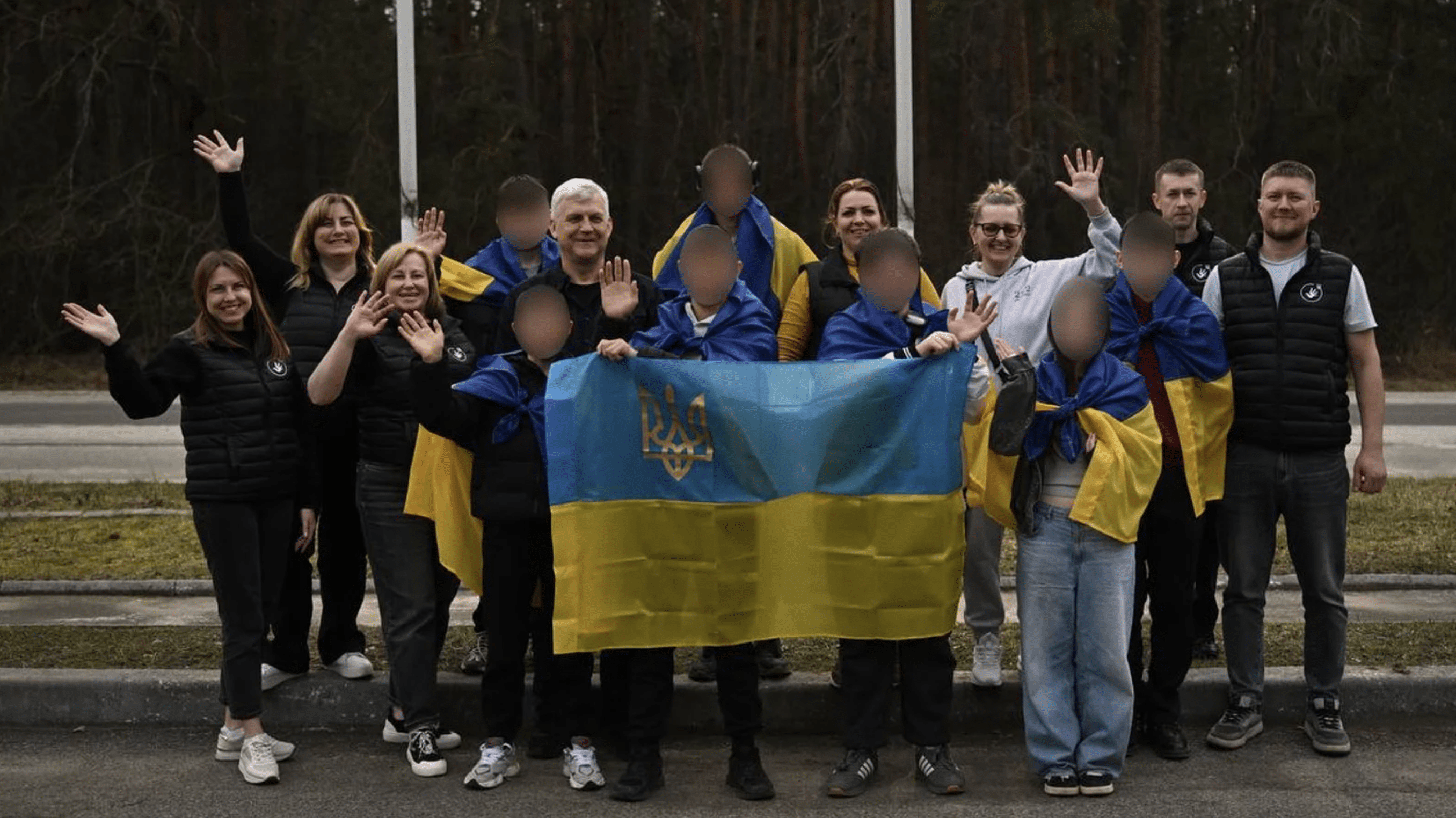
The US president, Donald Trump, signed H.R. 5334 into law on September 18, making the forced deportation of Ukrainian children an explicit statutory ground for sanctions against Russia. The measure covers knowing involvement in the removals, whether direct or indirect.
This was reported by Bring Kids Back UA on September 19, a day after the signing of the Lindsey O. Graham Sanctioning Russia and Iran Act of 2026.
We bring you stories from the ground. Your support keeps our team in the field.
Among the grounds for sanctions, the law expressly names forcible transfers and the forced deportation of children as serious human rights abuses against citizens of Ukraine, the initiative noted. The list also includes enforced disappearances, unjust detainment, and torture, and is not exhaustive.
The measure reaches not only those who physically remove children but also the officials, institutions, and intermediaries who organize or enable the transfers, according to Bring Kids Back UA. Its threshold is knowing involvement, direct or indirect, and the law treats a person as liable if they should have known the consequences of their conduct.
Foreign persons—both individuals and legal entities such as guardianship structures, foundations, and transport operators—can be named, alongside senior Russian officials designated by virtue of their posts. The initiative reported that the designation carries two sets of restrictions.
The first is a full asset block, freezing all property and interests held in the United States or controlled by US persons, and barring transactions in such property and interests. The second is a visa bar that strips the right to enter the country and revokes any visas already issued.
The deportation of children now carries a price written into US law, not only into political statements
Maksym Maksymov
Head of Bring Kids Back UA
Because the law covers indirect involvement, it reaches those who processed and financed the removals—guardianship bodies, transport operators, and officials who signed the paperwork, Maksymov added. It places the deportation of children in the same statute as sanctions on Russian oil, banks, and the defense industry, he explained.
That turns the issue into a full instrument of pressure rather than a separate humanitarian track.
The bill was introduced in Congress in September 2025, with the sanctions text added in the summer of 2026, the initiative noted. It expands mechanisms targeting Russia's officials and its financial and energy sectors, as well as those who help Moscow evade existing restrictions, and extends the Iran Sanctions Act of 1996 through 2031.
What sets the decision apart is its level, Bring Kids Back UA emphasized. The ground for sanctioning the deportation of Ukrainian children is now written into statute rather than an executive order, meaning it cannot be undone by a change of administrative policy.
The law designates no one automatically. It builds the mechanism, and decisions on which individuals and organizations are added to the lists rest with the US administration.
The statute lands amid a widening Western push to make the removal of Ukrainian children personally costly, for Russia, as the European Union had adopted an initial package in May, targeting 16 Russian officials and seven entities tied to the systematic deportation, indoctrination, and illegal adoption of Ukrainian children.
Discuss this article:

-72b63a4e0c8c475ad81fe3eed3f63729.jpeg "Photo of Cyril Barabaltchouk")