- Category
- World
France Enters Sixth-Generation Fighter Race Solo, Unveils “Super Rafale” Plans
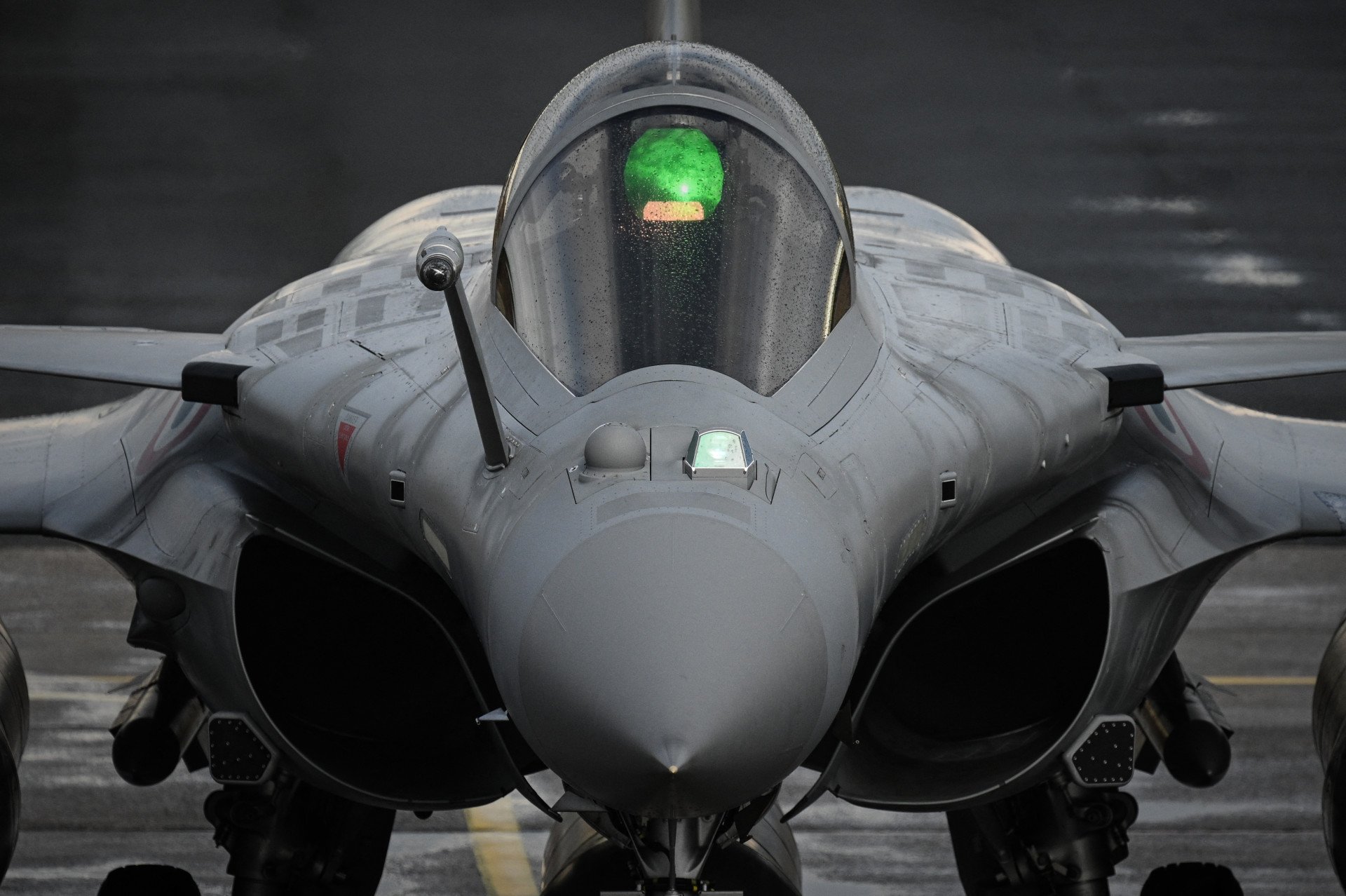
France is moving ahead with its own sixth-generation fighter jet after the collapse of its joint aviation project with Germany, while preparing an advanced “Super Rafale” equipped with artificial intelligence, upgraded engines, and next-generation weapons.
 Prefer U24 Media on Google
- Authors


French Air and Space Force Chief of Staff General Jérôme Bellanger outlined plans to accelerate the country’s independent fighter development program and modernize its existing combat aircraft fleet, according to French newspaper Les Echos on October 11.
We bring you stories from the ground. Your support keeps our team in the field.
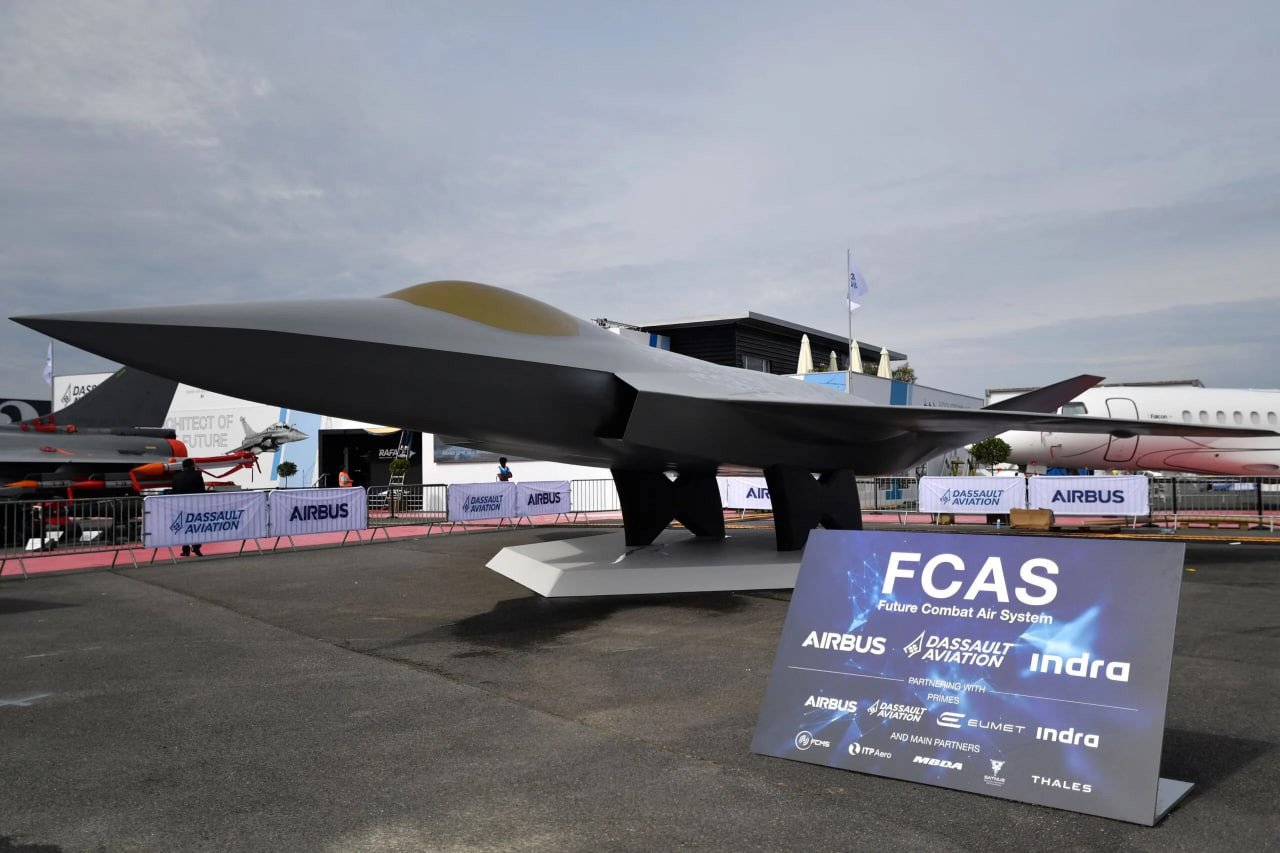
The move follows the breakdown of the Franco-German Future Combat Air System (FCAS) program, which was intended to produce a next-generation European fighter. France is now pursuing its own aircraft, designated ACF (Avion de Combat du Futur), replacing the previously planned New Generation Fighter (NGF) concept.
Development of the ACF is expected to enter a phase leading to a flying prototype in 2027, with work on an operational version scheduled to begin in 2029. Meanwhile, France plans to officially launch development of the Rafale F5, known as the “Super Rafale,” in December 2026.
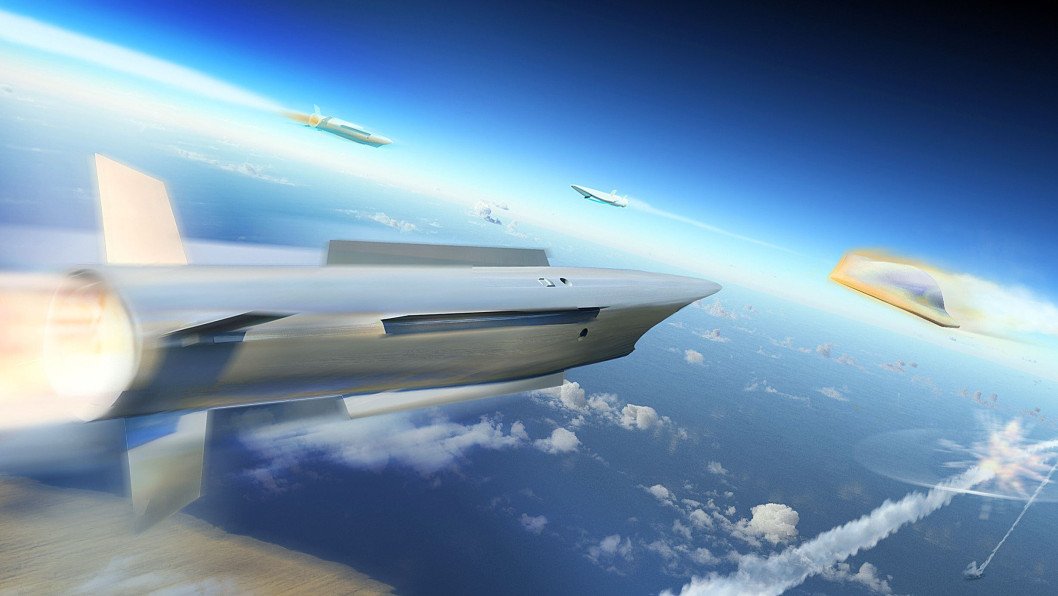
The upgraded fighter will feature a new engine, advanced sensors, artificial intelligence, and a high-speed missile designed for France’s airborne nuclear deterrent. It will also serve as a technological foundation for the future sixth-generation aircraft.
France prepares AI-powered fighter and drone operations
France is also developing technology that will allow fighter jets to operate alongside unmanned aircraft.
Under the HypAIRion program, two Mirage 2000 fighters have been converted into flying laboratories to test artificial intelligence systems. The initiative aims to conduct its first coordinated flight involving a Rafale and an accompanying drone in 2028.
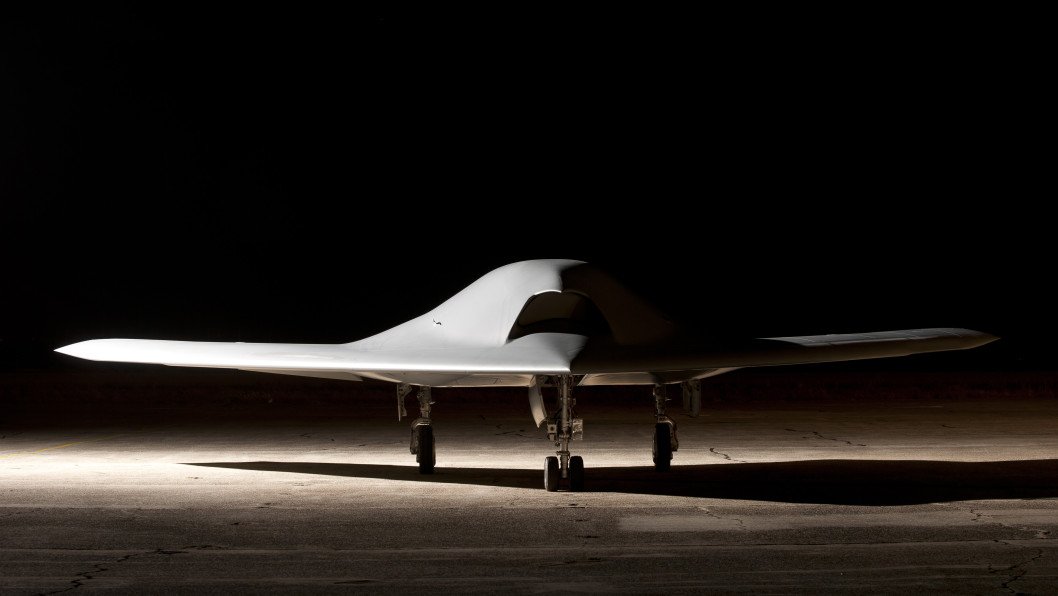
According to Les Echos, Dassault Aviation has already tested two AI algorithms aboard a Rafale and simulated a firing engagement involving a Harmattan AI drone.
The technology is intended to improve threat detection, targeting, and coordination between crewed aircraft and drones, allowing them to operate together against enemy air defenses.
France plans 60 more fighter jets by 2035
France also intends to expand its fighter fleet from approximately 170 aircraft to at least 230 by 2035—an increase of more than 35%.
Bellanger said the existing fleet is already being operated at a rate more than 15% above normal utilization levels, reflecting growing demands on French airpower.
The French Air and Space Force is also establishing two new squadrons at Cazaux Air Base. One will operate reconnaissance and strike drones, while the other will focus on high-altitude threats, including ballistic missiles and surveillance balloons.
According to Les Echos, France’s proposed 2027 defense budget includes up to €3 billion in procurement authorizations for the Rafale F5 program and another €2.7 billion for the ACF fighter. Both programs remain dependent on parliamentary budget approval.
The modernization effort comes as European air forces adapt to threats highlighted by Russia’s war against Ukraine, including the widespread use of attack drones and missiles.
The Franco-German Future Combat Air System (FCAS) had previously faced repeated delays due to conflicting national priorities and disagreements over industrial cooperation. Similar challenges affected the joint Main Ground Combat System (MGCS) tank project, raising broader concerns about the future of Franco-German defense cooperation.
Discuss this article:



-c439b7bd9030ecf9d5a4287dc361ba31.jpg "Photo of Katherina Popilnichenko")