- Category
- Latest news
France Speeds Up AI Combat Drones As Russia Threat Forces Faster Timeline Than Rafale F5
 Prefer U24 Media on Google
- Authors


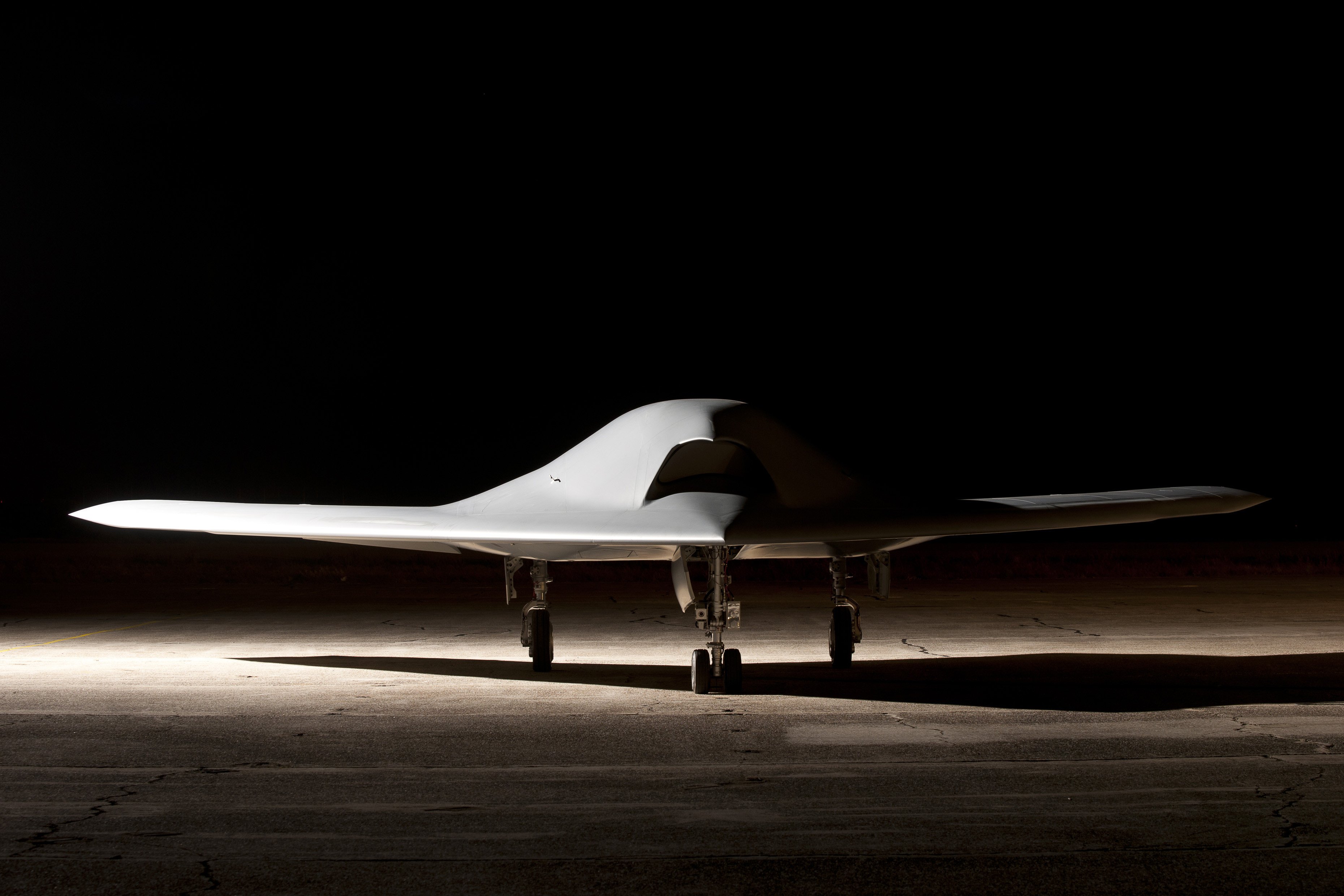
France is accelerating plans to acquire AI-enabled combat drones designed to operate alongside fighter jets, aiming to deploy them before the next-generation Rafale F5 enters service later this decade.
We bring you stories from the ground. Your support keeps our team in the field.
According to Defense Express on April 1, French Air and Space Force Deputy Chief of Staff General Dominique Tardif said the military is preparing to move forward with so-called “loyal wingman” drones, with a formal request expected to be submitted to the country’s defense procurement agency (DGA).
The initiative reflects growing concerns within France’s defense establishment about potential large-scale conflict scenarios in the late 2020s, prompting efforts to field new capabilities earlier than originally planned.
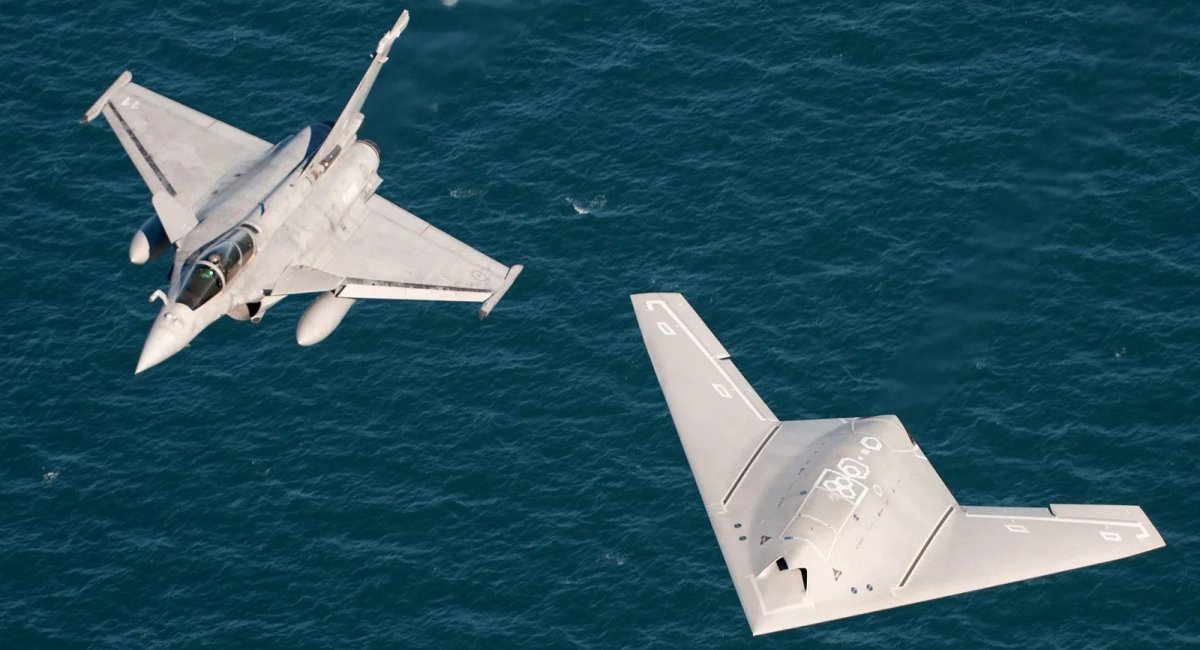
The proposed drone platform would weigh between two and four tons and be powered by artificial intelligence systems, allowing it to operate alongside piloted aircraft in combat missions.
One of the key roles under consideration includes improving target detection and geolocation accuracy—capabilities that are increasingly prioritized in modern air warfare.
French officials have not yet launched a formal procurement process, but preparations are underway to assess available industry solutions once requirements are finalized, Defense Express reported.
The move places France within a broader international trend, as multiple countries accelerate development and acquisition of autonomous or semi-autonomous combat drones to complement existing fighter fleets.
The timeline is being compressed significantly, as the Rafale F5 standard—expected to integrate advanced collaborative combat capabilities—is not scheduled to be operational until around 2030.
In parallel, European defense dynamics are also shifting. Germany, amid ongoing uncertainty surrounding the joint Future Combat Air System (FCAS) program, is exploring alternative drone options.
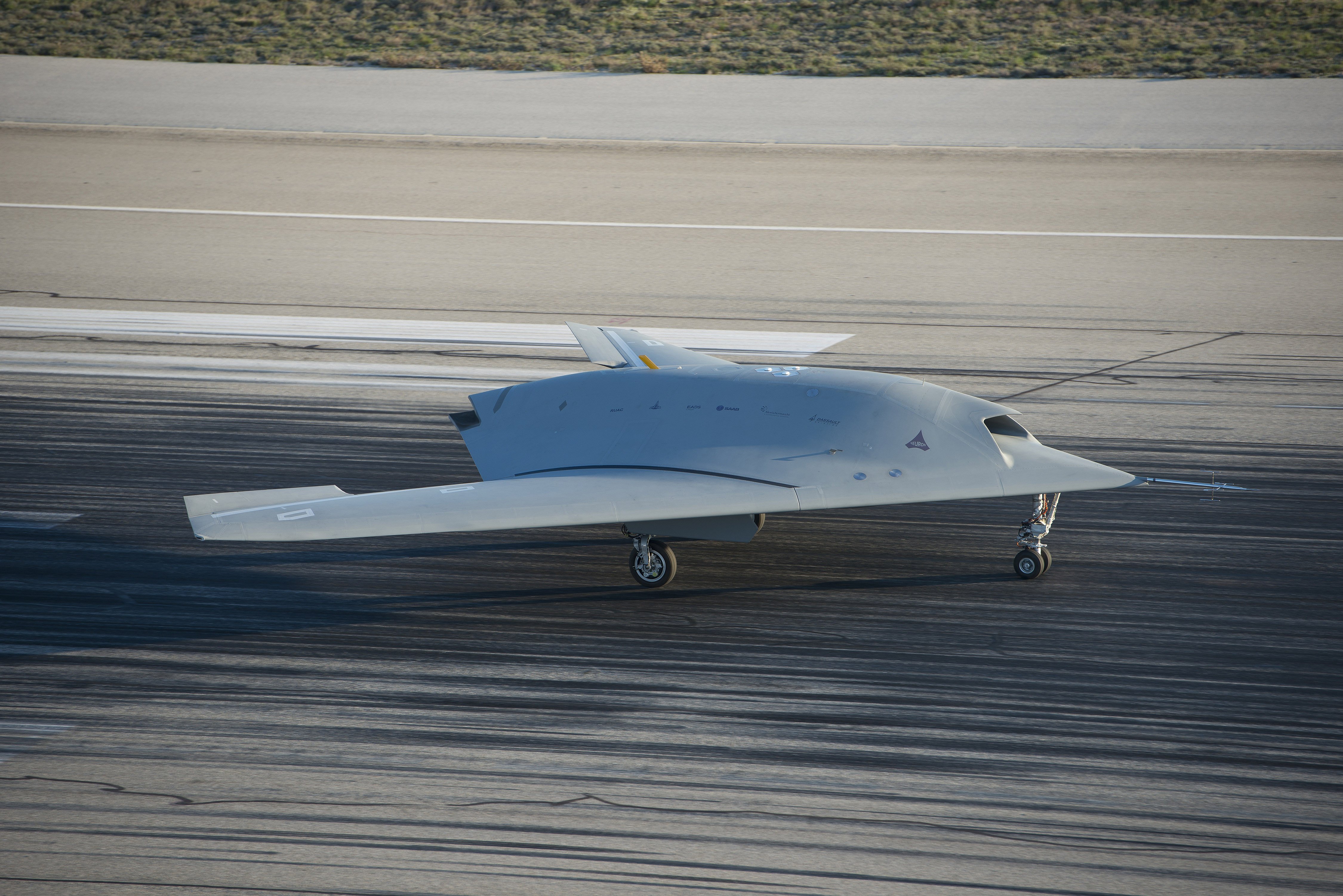
According to Defense Express, these include the Australian MQ-28 Ghost Bat, being adapted in cooperation with Rheinmetall, and the US-developed XQ-58A Valkyrie, which is undergoing further development within Airbus.
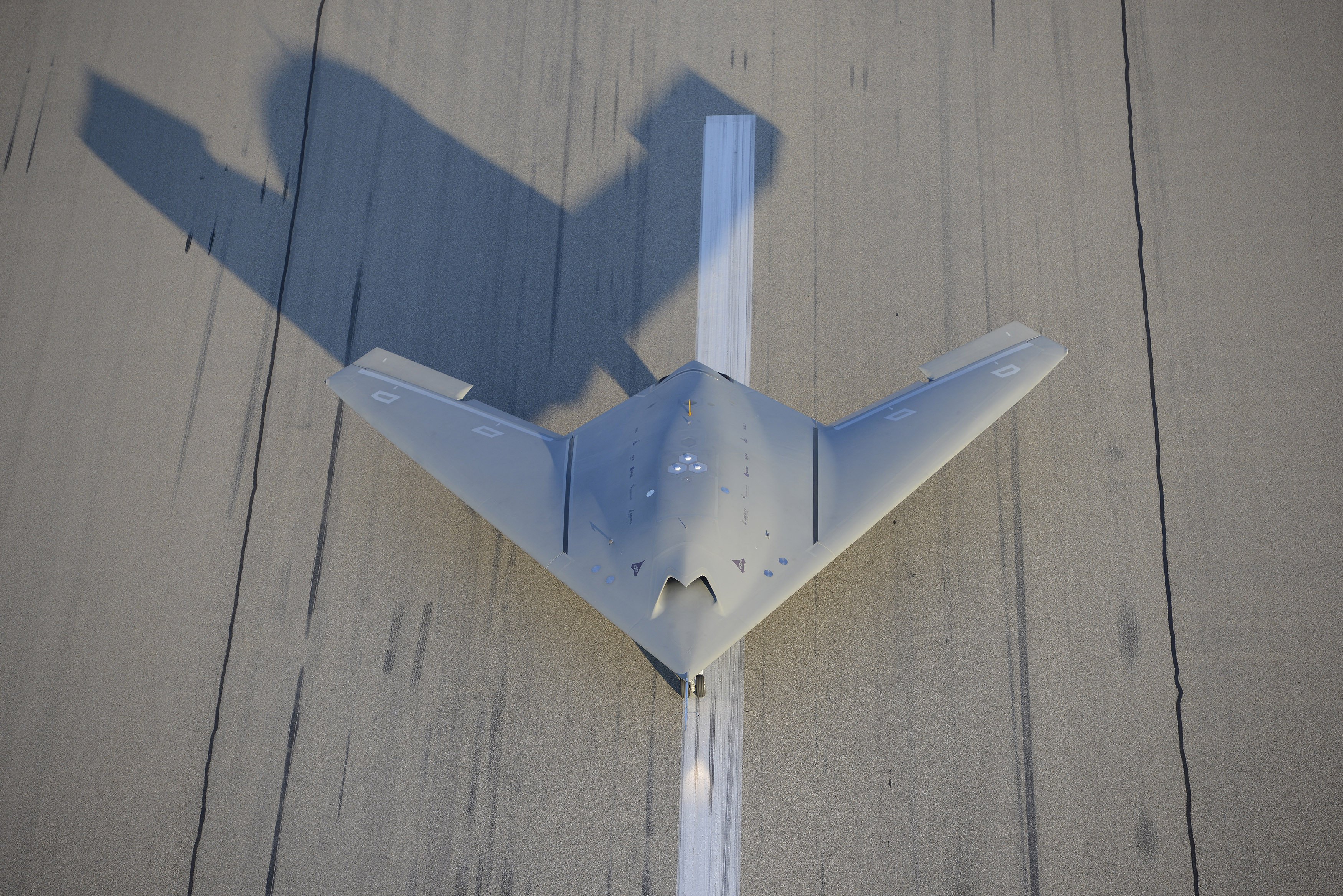
However, France is expected to prioritize domestic or European solutions. One potential candidate is the Dassault nEUROn, a demonstrator unmanned combat aerial vehicle that first flew in 2012 and has remained in testing and development since.
Other European concepts, such as the CA-1 Europa developed by Helsing and Grob, are still at early stages and have yet to complete initial flight testing.
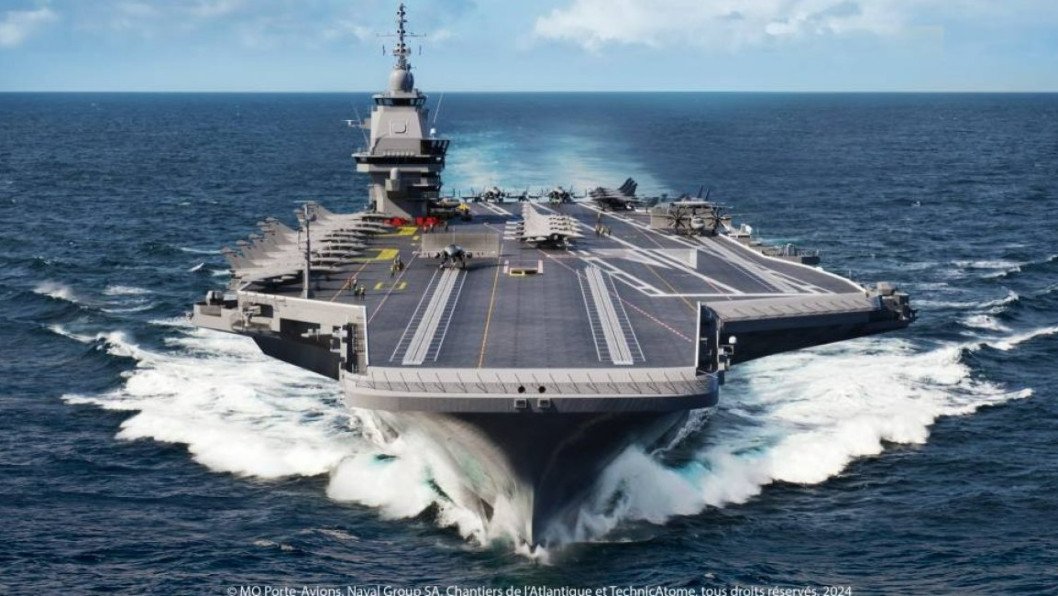
According to Defense Express, the urgency of the program suggests that any selected system would need to enter service within the next two to three years—an accelerated timeline given that procurement has not yet formally begun.
Earlier, according to Le Figaro on March 2, French President Emmanuel Macron announced plans to increase the country’s nuclear warhead count and end public disclosure of arsenal size, citing a “dangerous, changing, and unstable environment.”
Speaking at the Île Longue naval base, Macron said the decision aims to preserve the credibility of France’s nuclear deterrent, marking a shift away from decades of post-Cold War reductions.
Discuss this article:
-9a7b3a98ed5c506e0b77a6663f5727c5.png)