- Category
- World
Gulf States Hit Back as Saudi Arabia and UAE Carry Out Covert Strikes on Iran
 Prefer U24 Media on Google
- Authors

-72b63a4e0c8c475ad81fe3eed3f63729.jpeg "Photo of Cyril Barabaltchouk")
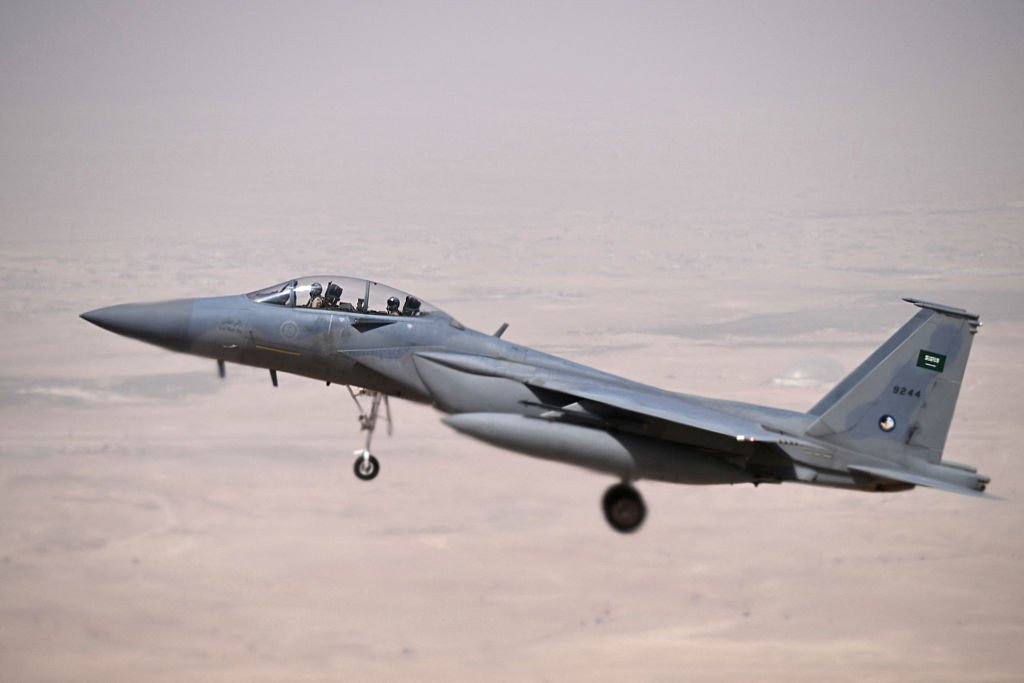
Saudi Arabia launched numerous unpublicized military strikes against Iran in late March in a bold retaliation against attacks carried out within the kingdom, Reuters reported on May 12.
The operation is the first time Riyadh is known to have directly executed military action on Iranian soil. It signals a shift as the kingdom takes a more aggressive stance in defending itself against its primary regional rival, rather than relying solely on the United States military umbrella for protection, according to Reuters.
We bring you stories from the ground. Your support keeps our team in the field.
The covert Saudi operations, launched by the Saudi Air Force, coincided with similar strikes carried out by the United Arab Emirates, revealing a hidden dimension to the Middle East war where battered Gulf monarchies began hitting back against Tehran, Reuters wrote.
While the UAE took a hawkish approach aimed at extracting a heavy toll from Iran, Saudi Arabia paired its military retaliation with immediate diplomacy. The kingdom reportedly made Tehran aware of the strikes beforehand and maintained regular contact via the Iranian ambassador in Riyadh to prevent an uncontrolled escalation.
This combination of retaliatory strikes and intensive diplomatic engagement successfully led to an informal de-escalation agreement between the two nations, Reuters noted. Following the understanding, projectile attacks against Saudi Arabia plummeted from over 105 in the final week of March to just over 25 in early April.
The wider conflict initially erupted in late February following US and Israeli airstrikes on Iran. In response, Tehran targeted all six Gulf Cooperation Council states, disrupting global trade by closing the Strait of Hormuz and launching missiles at civilian sites and oil infrastructure.
Despite the regional chaos, Riyadh managed to keep the Red Sea open to shipping and continued exporting oil throughout the conflict, Reuters reported. The informal Saudi-Iranian de-escalation took effect just days before Washington and Tehran agreed to a ceasefire on April 7.
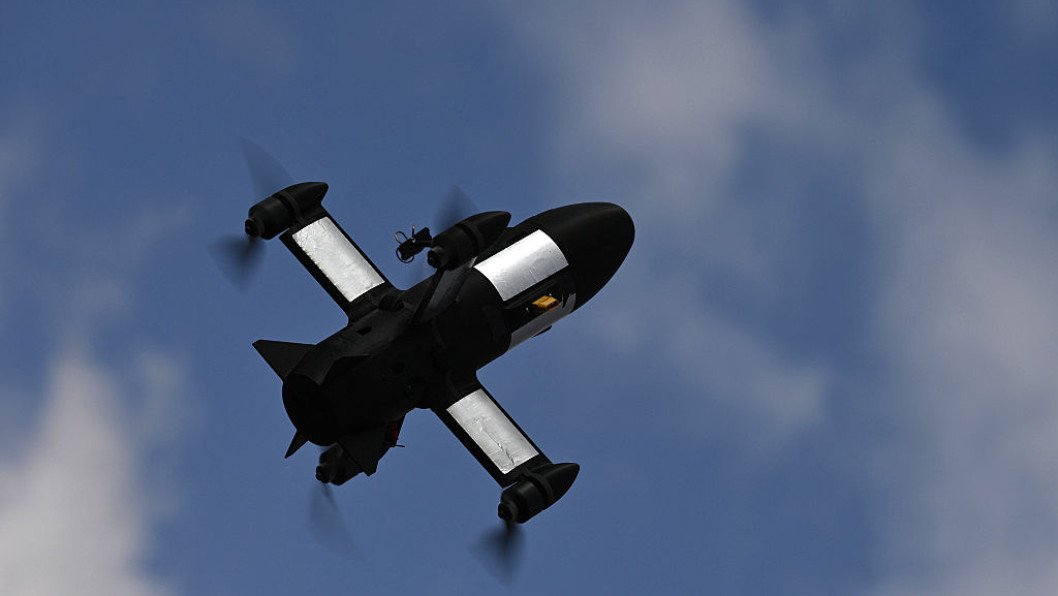
The covert Saudi-Iranian exchanges occurred against the backdrop of geopolitical maneuvering as the regional conflict threatened to draw in global superpowers. According to recent reports, Russian intelligence prepared a contingency plan during the early stages of the war to supply Iran with up to 5,000 fiber-optic, jam-resistant drones.
The 10-page GRU document allegedly outlined plans—personally proposed by Russian leader Vladimir Putin—to train Iranian operators to launch drone swarms at US amphibious landing ships in the Persian Gulf if Washington intervened directly. The proposed transfer of the wire-guided drones, which are highly resistant to electronic warfare, highlights how Moscow actively sought to weaponize the Middle East crisis to bleed US military resources while maintaining plausible deniability.
Discuss this article:



-c439b7bd9030ecf9d5a4287dc361ba31.jpg "Photo of Katherina Popilnichenko")


-111f0e5095e02c02446ffed57bfb0ab1.jpeg "Photo of Roman Kohanets")