- Category
- World
German President Calls on China to Help End Russia’s Full-Scale Invasion of Ukraine
 Prefer U24 Media on Google
- Authors


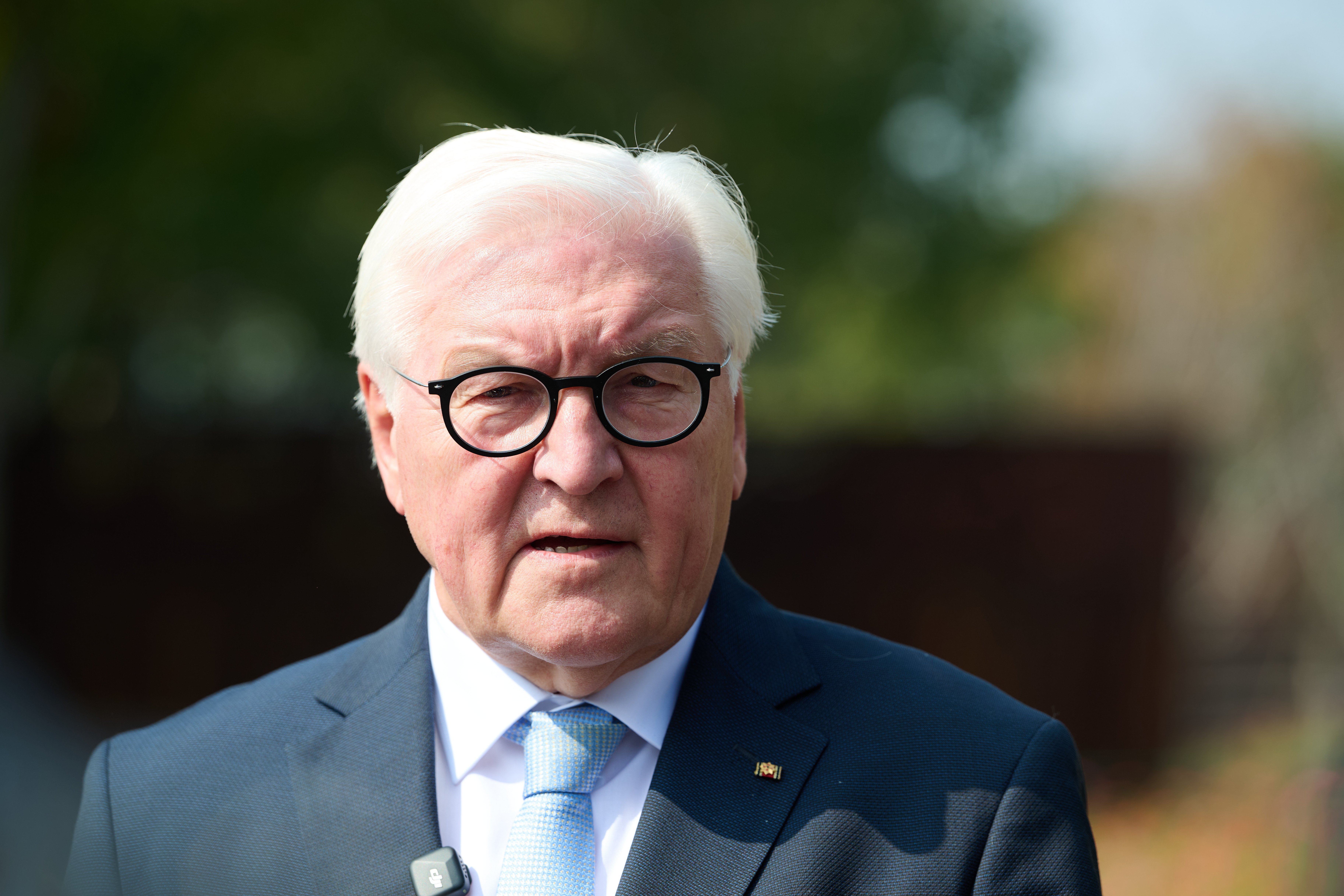
German President Frank-Walter Steinmeier urged China on October 29 to use its influence to help bring an end to Russia’s full-scale invasion of Ukraine, warning that protracted global instability threatens major economies worldwide, as reported by Deutsche Welle.
Speaking during his state visit, Steinmeier emphasized that stability in Ukraine directly aligns with Beijing's national interests as a major trading nation that relies on open maritime routes, secure supply chains, and reliable energy supplies.
We bring you stories from the ground. Your support keeps our team in the field.
"The longer these conflicts continue, the weaker the global economy becomes as a whole–and with it one of its largest economies: China," Steinmeier said.
"We are not concerned about China's rise. We are watching how China rises," he stated, Deutsche Welle reported.
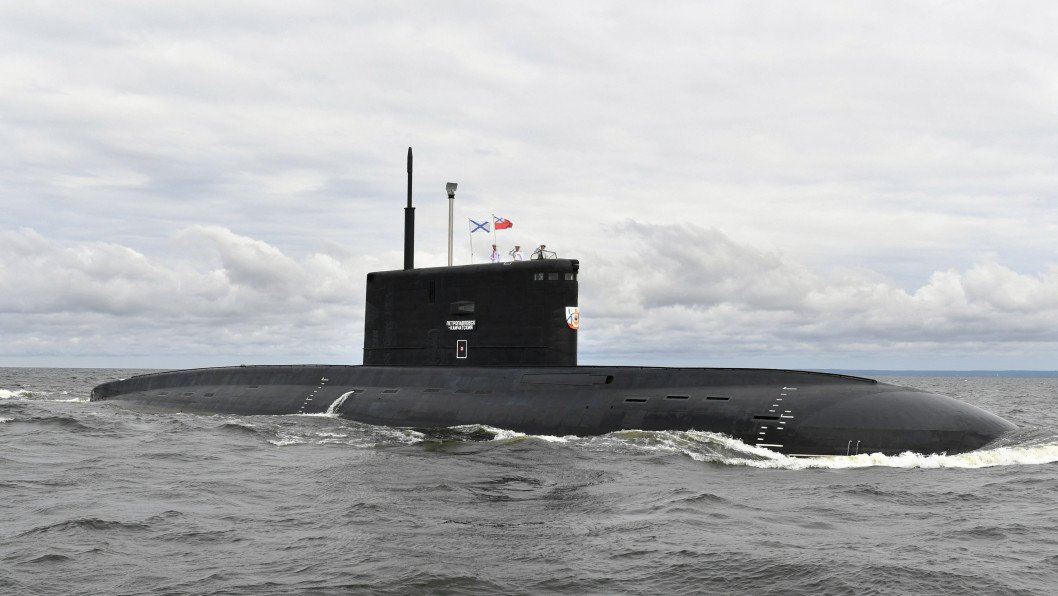
According to a C4ADS report published on October 22, 2026, Russian defense production increasingly moved into China, with advanced weapons expertise flowing in both directions as bilateral cooperation deepened despite an increasingly asymmetric relationship.
The report examined Sino-Russian collaboration surrounding advanced conventional weapons—including industrial supply chains, joint research and development, and academic links between defense-affiliated institutions—identifying 314 shipments involving 52 Russian suppliers and 21 Chinese recipients that transferred military dual-use inputs, manufacturing capabilities, intellectual property, and advanced weapon technologies.
Researchers found that Russian companies increasingly partnered with Chinese counterparts to meet wartime demand by relocating parts of their defense production into China, while joint R&D allowed both nations to test designs, lower costs, and accelerate serial production.
Although the relationship remained uneven—with Russia contributing Soviet-era engineering expertise and China offering industrial scale and heavily funded tech-to-military applications—academic ties and joint publications helped institutionalize long-term cooperation, building upon the "no limits" partnership declared shortly before Russia’s full-scale invasion of Ukraine.
Discuss this article: