- Category
- World
Meet The US Army’s Next Bradley Successor: XM30 Combat Vehicles Unveiled
 Prefer U24 Media on Google
- Authors


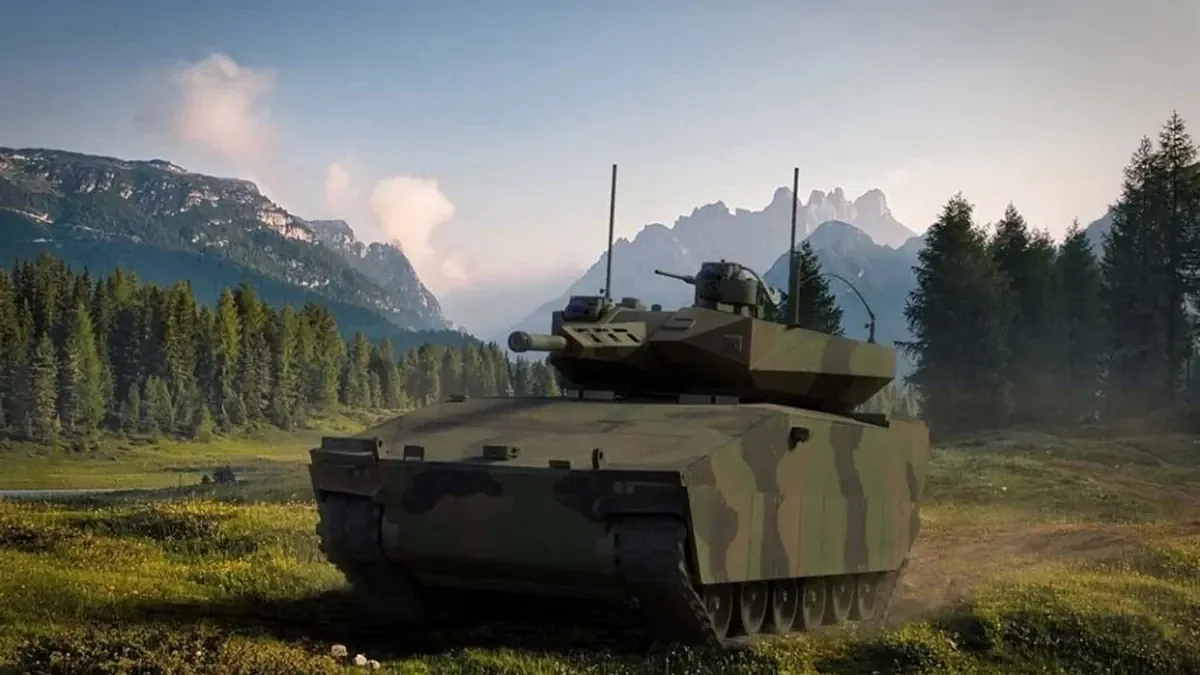
The US Army has unveiled the latest infantry fighting vehicle concepts competing in the XM30 Mechanized Infantry Combat Vehicle program, a long-running effort to replace the M2 Bradley fleet.
We bring you stories from the ground. Your support keeps our team in the field.
According to Defence Industry Europe on May 23, the designs were presented during the Michigan Defense Expo 2026 in Detroit and include two competing platforms: the Wolf, developed by General Dynamics Land Systems (GDLS), and the Lynx, proposed by American Rheinmetall Defense.
The XM30 program is intended to become the successor to the US Army’s M2/M3 Bradley infantry fighting vehicles, which have been in service since the 1980s.
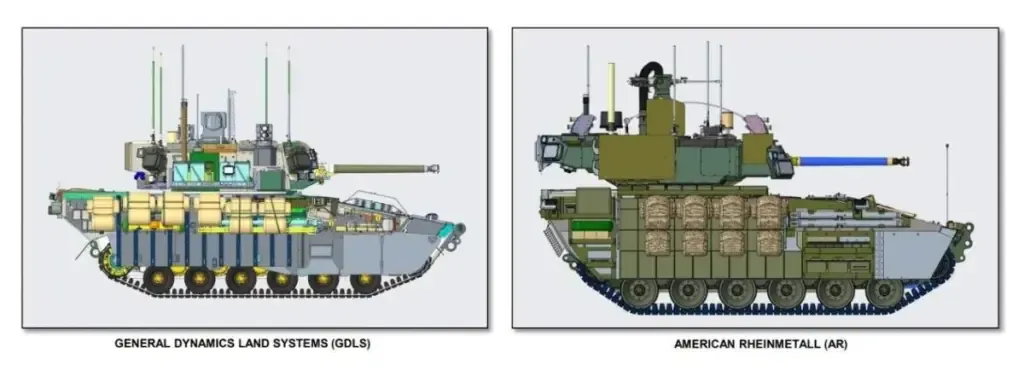
The GDLS Wolf appears to be a new design that may incorporate technologies from the European ASCOD platform produced by General Dynamics European Land Systems.
Meanwhile, the American Rheinmetall Defense Lynx is derived from the KF41 Lynx infantry fighting vehicle already being produced for Hungary, Italy, and Ukraine, although the US variant has reportedly been significantly modified to meet Army requirements.
According to the outlet, both vehicles use a conventional infantry fighting vehicle layout with a two-person crew seated side-by-side behind the engine compartment. The rear troop compartment is designed to carry six infantry soldiers.
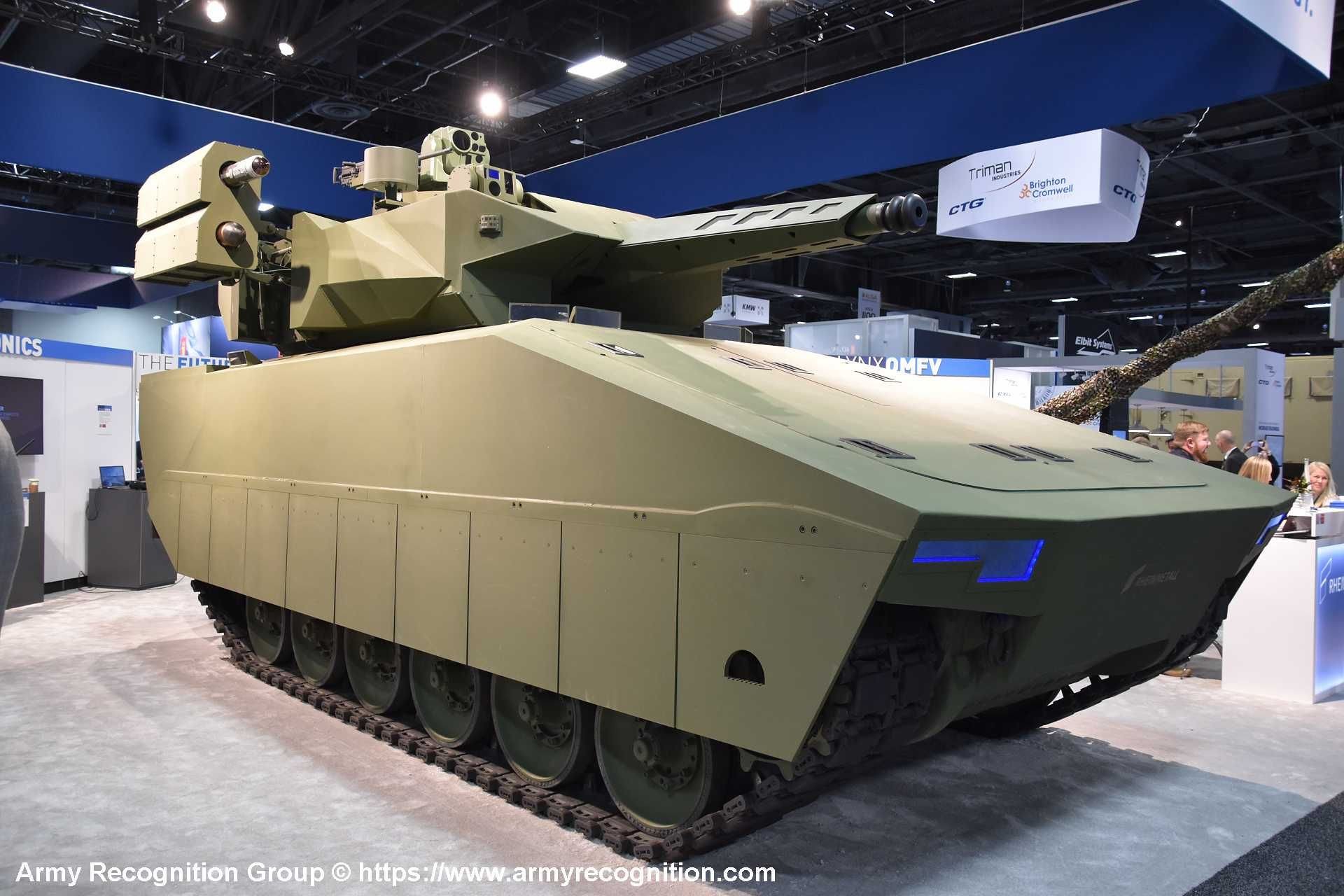
The vehicles are equipped with an unmanned turret armed with the Northrop Grumman XM913 50 mm chain gun, developed specifically for the XM30 program and chambered for 50×228 mm ammunition. The cannon is paired with a 7.62 mm M240 machine gun.
The designs also include provisions for an additional remotely operated 12.7 mm Browning M2A1 heavy machine gun mounted on the turret roof. Anti-armor capabilities are provided through a launcher compatible with TOW or CCMS-H anti-tank guided missiles, as well as loitering munitions.
According to Defence Industry Europe, both vehicles feature advanced sensor suites, communications systems, hydropneumatic suspension, composite tracks, and are expected to support hybrid propulsion technologies in future configurations.
The report noted that armor specifications have not been disclosed, but the platforms are expected to use modular protection systems combined with the Iron Fist active protection system developed by Elbit Systems. The same system has already been selected for upgraded M2A4ED1 Bradley vehicles.
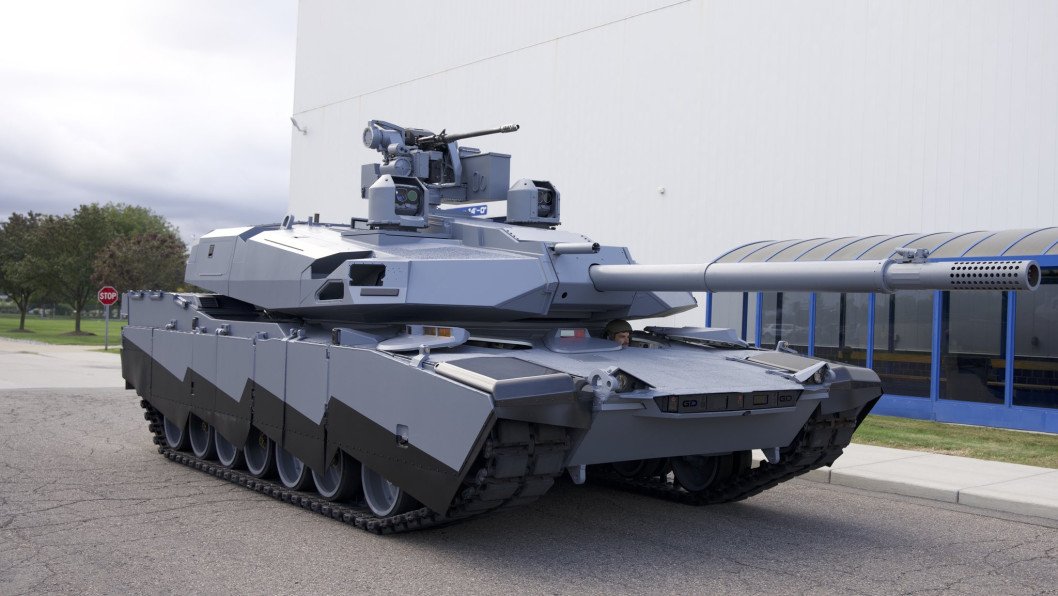
The US Army expects the XM30 to begin entering service between 2028 and 2030. Current budget plans include the procurement of 108 vehicles by 2031, although the long-term requirement could eventually reach several thousand units.
According to Defence Industry Europe, the XM30 is the sixth US Army attempt since the 1980s to replace the Bradley platform. All previous replacement programs were ultimately canceled or failed to enter service.
Earlier, lessons from the war in Ukraine pushed the US Army to accelerate development of the next-generation M1E3 Abrams after combat operations exposed new survivability and logistical challenges for modern tanks.
Discuss this article:
-9a7b3a98ed5c506e0b77a6663f5727c5.png)


-c439b7bd9030ecf9d5a4287dc361ba31.jpg "Photo of Katherina Popilnichenko")



-72b63a4e0c8c475ad81fe3eed3f63729.jpeg "Photo of Cyril Barabaltchouk")