- Category
- Latest news
Next-Gen M1E3 Abrams: US to Unveil Hybrid Super Tank by End of 2025
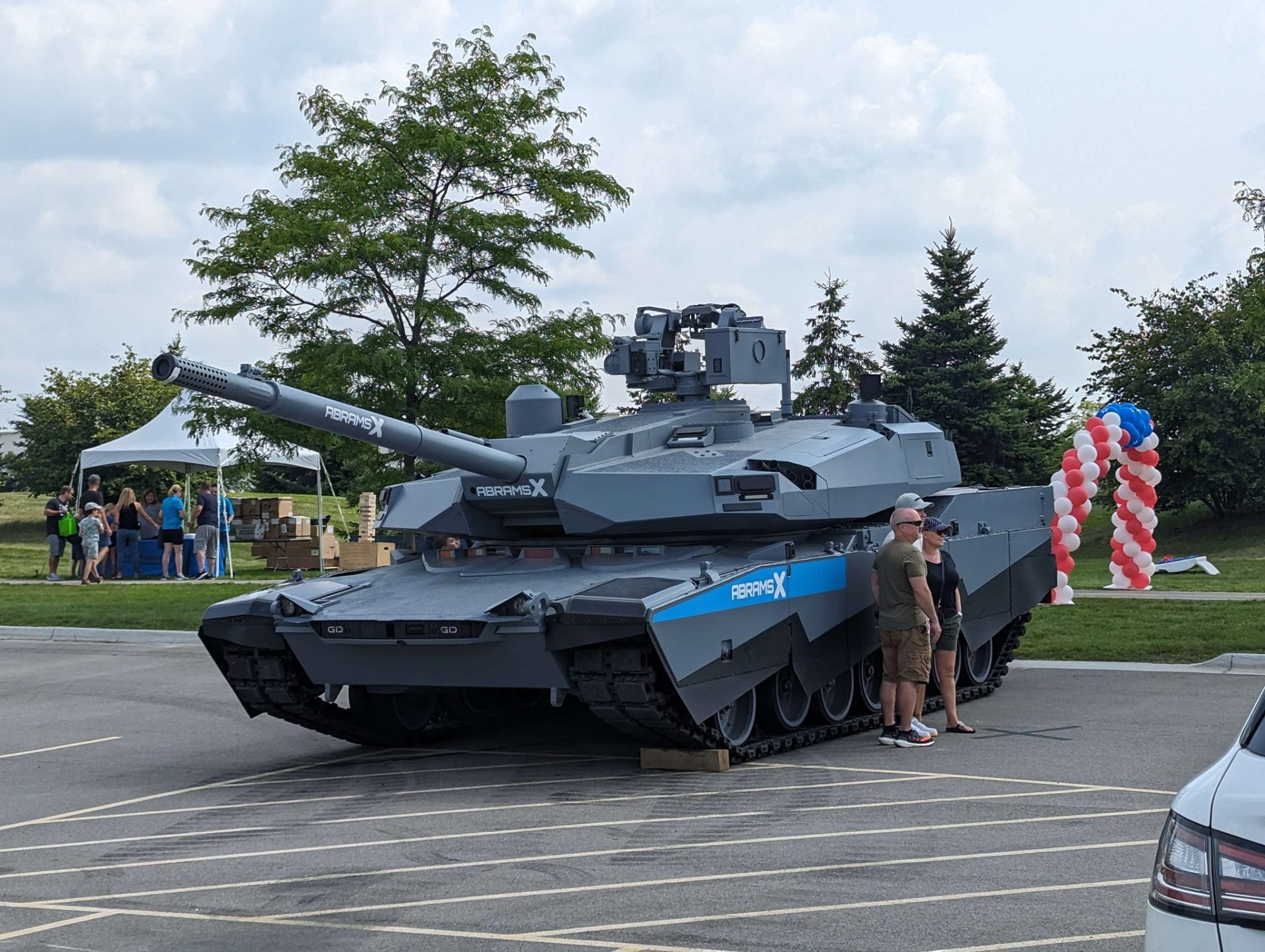
The US Army is fast-tracking development of its next-generation main battle tank, the M1E3 Abrams—a lighter, hybrid-powered evolution designed for the digital battlefield of the 2040s. Drawing on lessons from Ukraine’s war, the new design aims to boost survivability and efficiency while slashing bureaucracy that has slowed modernization for decades.
 Prefer U24 Media on Google
- Authors


The Pentagon expects to receive the first M1E3 prototype by the end of 2025, marking the beginning of a new chapter for America’s most iconic tank, according to The War Zone on October 15.
General Dynamics Land Systems, the longtime Abrams contractor, is leading development under a contract from the Army’s Program Executive Office for Ground Combat Systems.
The U.S. Army is accelerating development to deliver a very early prototype of the next-generation M1E3 Abrams tank by year's end.
— Vanguard Intel Group 🛡 (@vanguardintel) October 15, 2025
This E3 iteration will differ substantially from prior models, incorporating advanced defensive capabilities and other cutting-edge technologies,… pic.twitter.com/AhZDxILZgY
Dr. Alex Miller, the Army’s Chief Technology Officer, confirmed the push to accelerate the project during the Association of the US Army’s (AUSA) annual conference.
“When we went to Detroit 18 months ago, the PEO team said we wouldn’t see the M1E3 until 2032,” Miller said. “And we said no.”
According to The War Zone, the Army has challenged General Dynamics to deliver a working prototype before the end of 2025 and a full platoon by late 2026. “He has told me several times, the paint will still be wet,” Miller said. “It will be very fresh.”
🇺🇸 The USA will receive its first M1E3 Abrams Main Battle Tank before the end of the year, with the goal of having a full platoon of them by the end of 2026.
— Jeff2146🇧🇪 (@Jeff21461) October 15, 2025
The E3 model will be "substantially different" from earlier iterations of the Abrams introducing a suite of new "new… pic.twitter.com/IRSAFZdMGc
Lessons from Ukraine
The M1E3’s development reflects battlefield lessons from Ukraine, where tanks face constant drone surveillance, guided missiles, and electronic warfare.
The new design emphasizes reduced weight, improved active protection, and hybrid propulsion to keep mobility high without compromising survivability, The War Zone stated.
The hybrid system—part diesel, part electric—will be supplied by Caterpillar and SAPA, offering up to 40% better fuel efficiency compared to the current Abrams’ gas turbine.
The War Zone notes that the tank’s total weight will drop from around 78 tons to approximately 60, allowing faster movement and easier transport across modern battlefields.
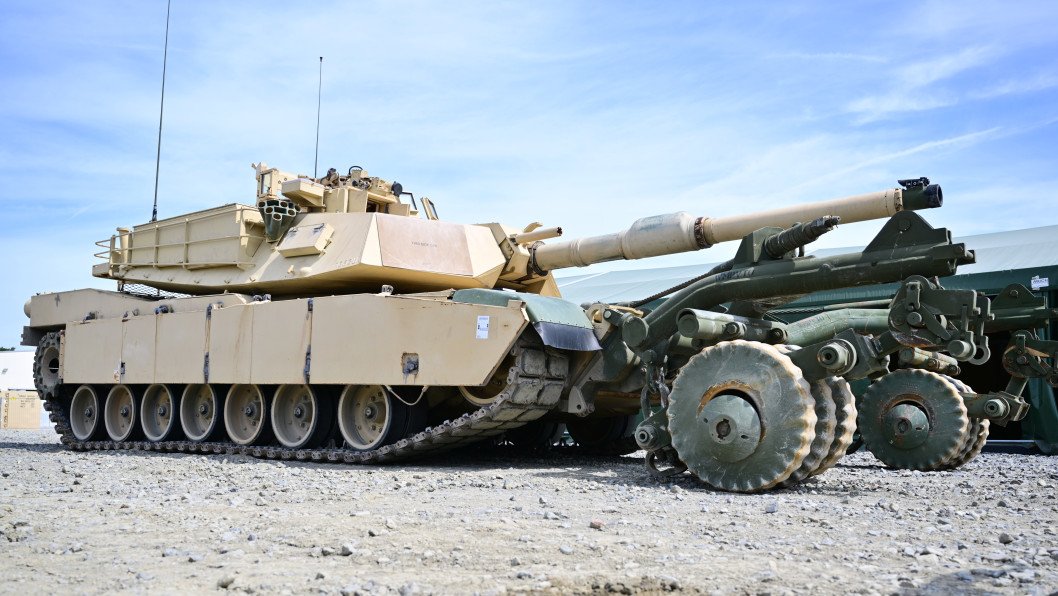
Armor for the drone age
The M1E3 will feature a new active protection system (APS) built on the lessons of the Israeli-made Trophy system, already installed on some US tanks.
The upgraded system will be optimized for countering both anti-tank missiles and drones—threats that have redefined warfare since 2022, according to The War Zone.
The U.S. Army will receive a “Pre-Prototype” of the Next-Generation M1E3 Abrams tank with a hybrid-electric engine by the end of the year. pic.twitter.com/c6WKYDHO04
— OSINTWarfare (@OSINTWarfare) October 16, 2025
At the AUSA conference, General Dynamics also unveiled PERCH, a launcher for Switchblade 300 and 600 loitering munitions, which could give the M1E3 a new offensive edge.
The War Zone wrote that the Army also plans to integrate modular add-on armor against top-down drone attacks, a concept first seen on Russian tanks early in the full-scale invasion of Ukraine.
A smarter, smaller tank
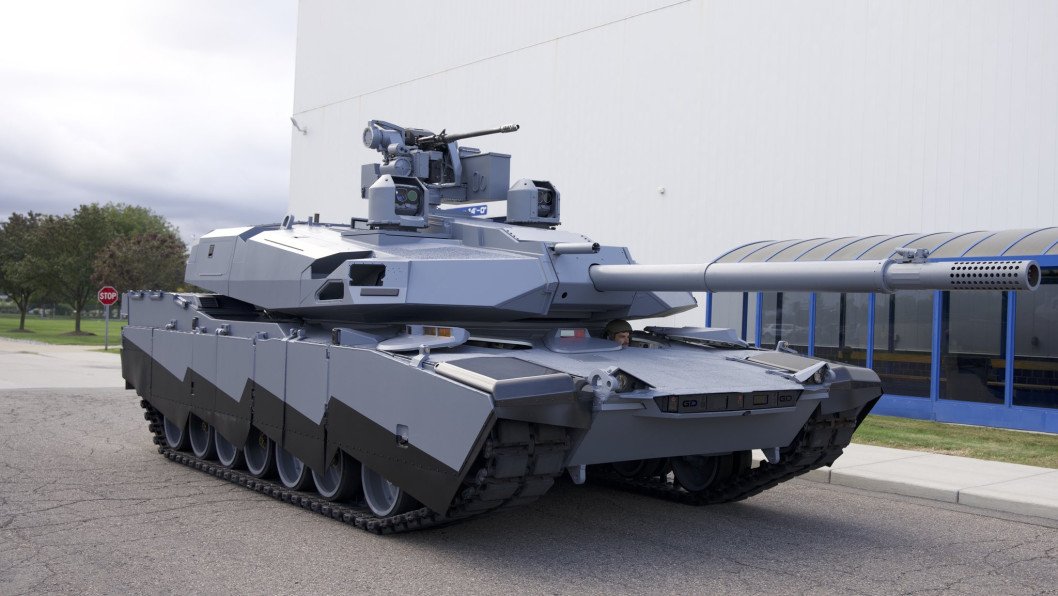
The M1E3 will likely feature an autoloader, reducing the crew from four to three and lowering the turret’s profile. That change, combined with open-architecture electronics and modular systems, is intended to make the tank easier to upgrade as technology evolves, according to The War Zone.
“The reason we want to get the platoon out earlier is because we want the armor brigades to tell us what works and what doesn’t,” Miller explained. “Rather than wait three or four more years, we’ll take feedback and make changes the next year.”
Reimagining the future of armor
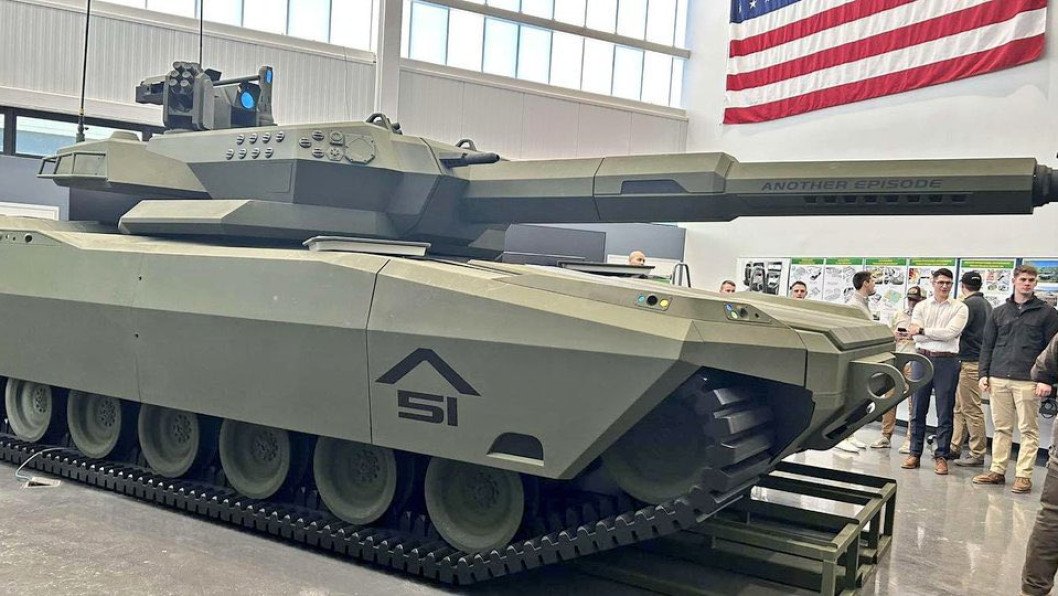
The M1E3 Abrams represents more than just a modernization—it’s a rethink of armored warfare in an era of precision weapons, drones, and hybrid propulsion, The War Zone concluded.
As Miller put it: “If it is not a risk to a soldier’s life, limb, eyesight, or hearing, we should be able to move those processes faster. The process of just staring at the problem for three or four years is asinine—and no longer acceptable.”
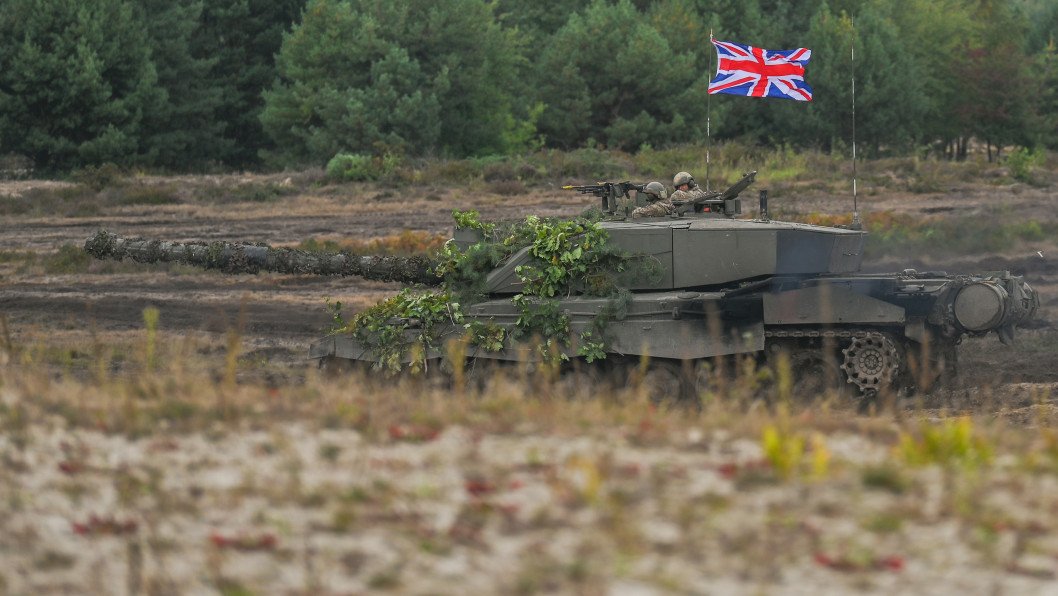
Earlier, American M1A2 Abrams and British Challenger 2 main battle tanks stood side by side this week at Camp Tapa, Estonia, in a public display meant as much for Moscow as for local audiences.
By aligning two of the West’s most recognizable tanks on Baltic soil, Washington and London sent a clear message: NATO heavy armor is not only rotational but integrated, interoperable, and combat-ready.
Discuss this article:



-c439b7bd9030ecf9d5a4287dc361ba31.jpg "Photo of Katherina Popilnichenko")