- Category
- Latest news
UK’s Challenger 3 Debuts at DSEI 2025—Most Advanced Tank in NATO Enters Final Trials
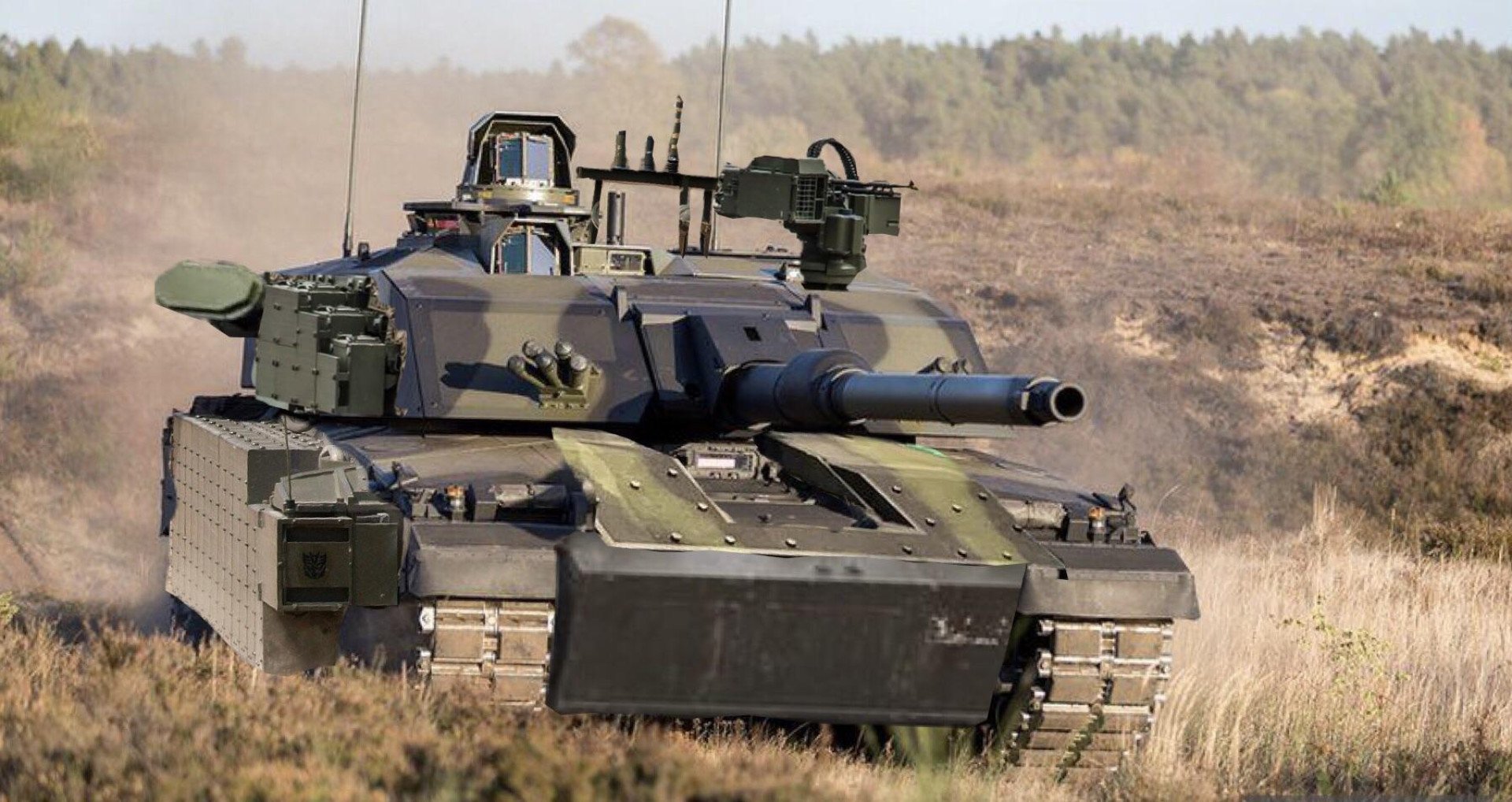
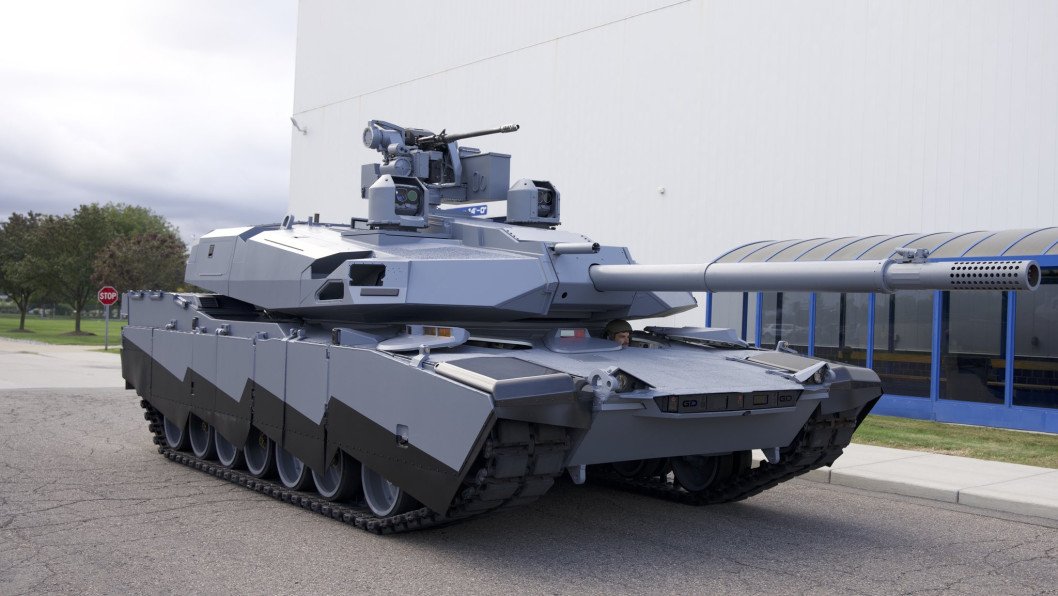
The British Army has unveiled its most advanced main battle tank to date, the Challenger 3, at DSEI 2025 in London—introducing a platform designed to rival the T-90M, T-14 Armata, Leopard 2A8, and Abrams while future-proofing UK heavy armor for decades to come.
 Prefer U24 Media on Google
- Authors


The British Army has pulled back the curtain on the most advanced version yet of its Challenger 3 main battle tank, showcasing the platform in its near-final form at the DSEI 2025 defense exhibition in London, Army Recognition reported on September 9.
The debut marks a pivotal step in Britain’s modernization of heavy armor, signaling that the UK intends to field one of NATO’s most formidable tanks by the end of the decade.
Armor reimagined for the modern battlefield
Developed by Rheinmetall BAE Systems Land (RBSL), the Challenger 3 represents a deep overhaul of the Challenger 2 platform, Army Recognition wrote.
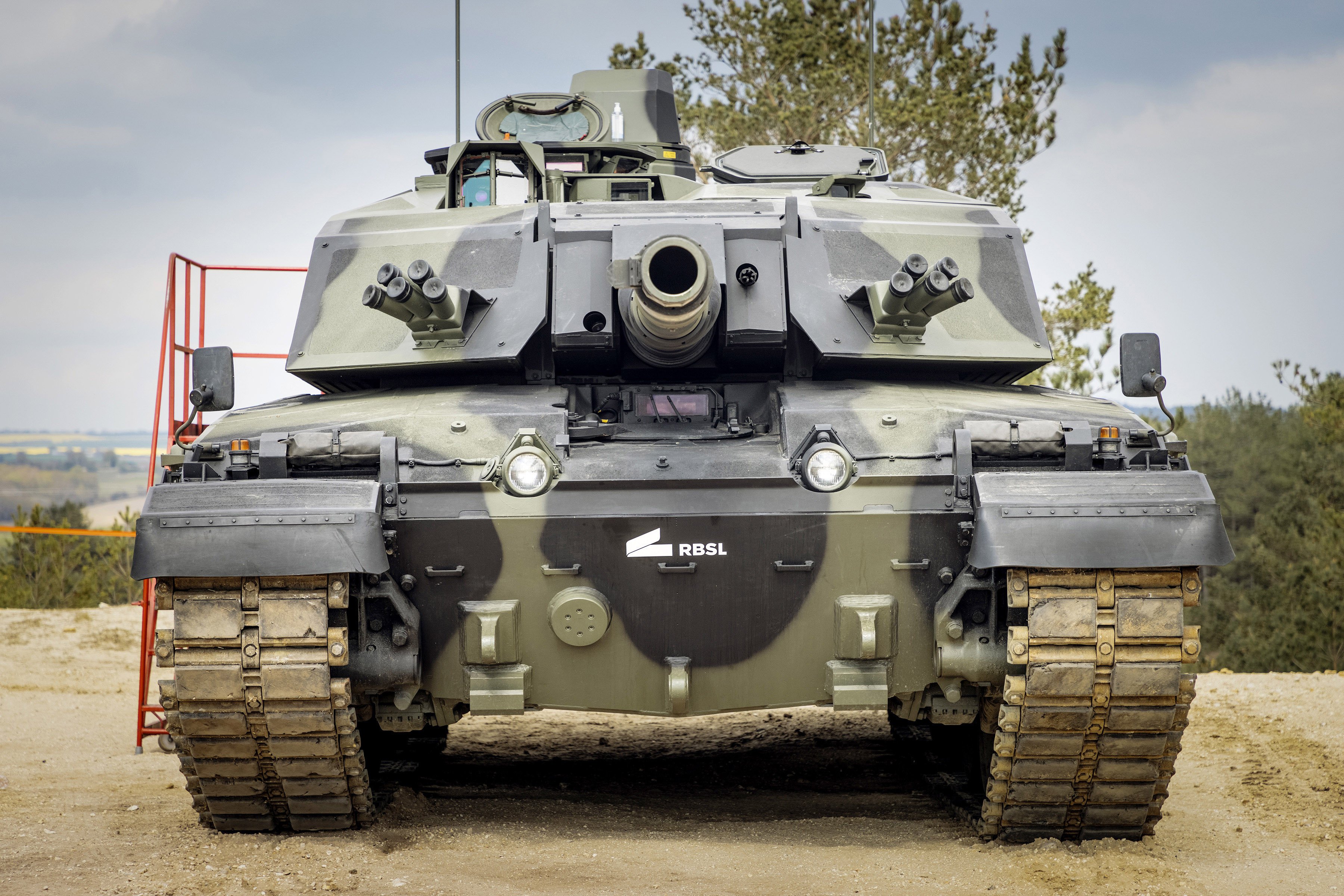
Its most striking upgrade is a fully redesigned armor package, combining modular composite protection with Rafael’s Trophy Active Protection System for a dual layer of defense. This combination is designed to counter top-attack munitions, tandem-charge warheads, and long-range kinetic penetrators—threats increasingly common on today’s battlefield.
Firepower and digital edge
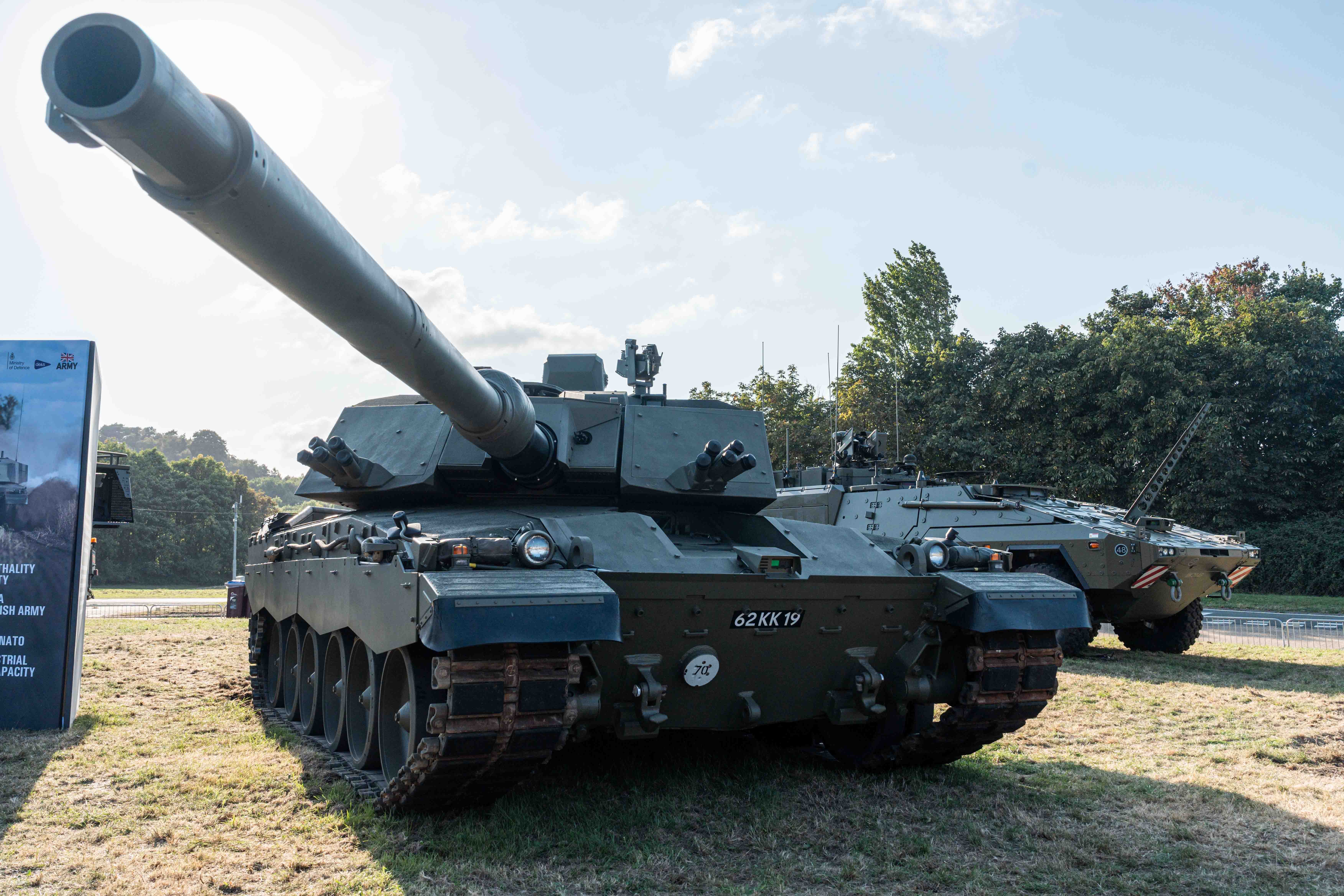
The tank is equipped with the NATO-standard Rheinmetall L55A1 120mm smoothbore gun, capable of firing programmable ammunition such as the DM73 at ranges beyond 5,000 meters.
A digital fire-control system, new electro-optical sensors, and a panoramic commander’s sight provide true “hunter-killer” capability under any conditions.
Inside, a fully digitized crew environment offers real-time mapping, subsystem monitoring, and automated target tracking, Army Recognition notes.
Mobility and future-proofing
According to Army Recognition, Challenger 3 incorporates a third-generation hydrogas suspension system for improved cross-country performance and firing stability.
Its open electronic architecture is built to support AI-driven tools, digital networking, and NATO-standard C4ISR integration—ensuring relevance well into the 2040s.
Trials, timeline, and strategy
Army Recognition reported that eight Challenger 3 prototypes are now in testing, with initial operating capability expected by 2027 and full deployment by 2030 under a $1 billion modernization contract.
A total of 148 Challenger 2s will be upgraded. Positioned at the core of Britain’s Armoured Brigade Combat Teams, Challenger 3 is set to anchor the UK’s heavy forces through the next two decades.
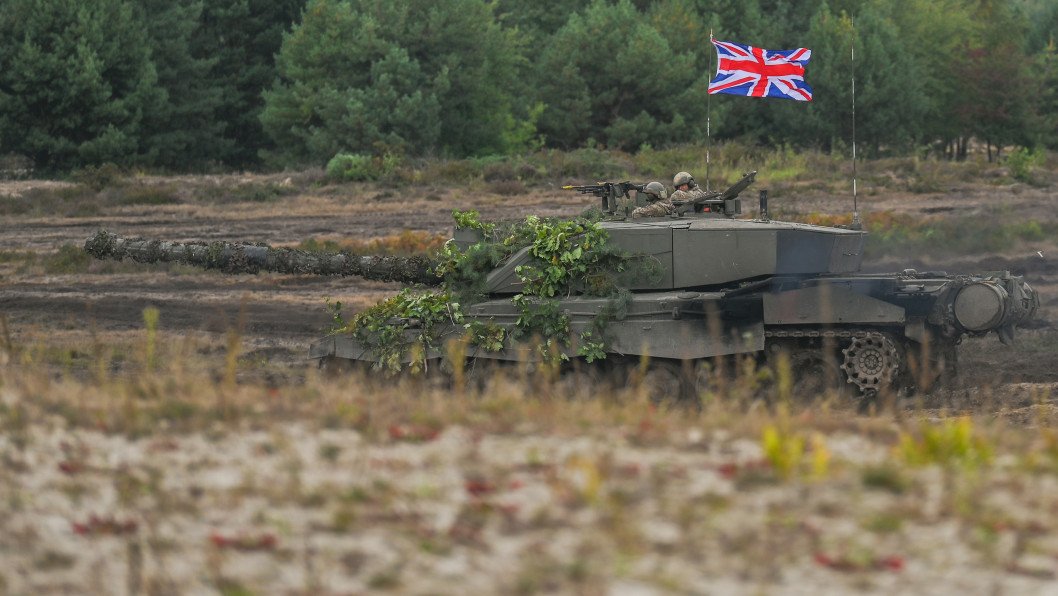
Earlier, British defense contractor Babcock secured a contract from the UK Ministry of Defense to develop a project that will enable the Ukrainian military to print military equipment using 3D printers.
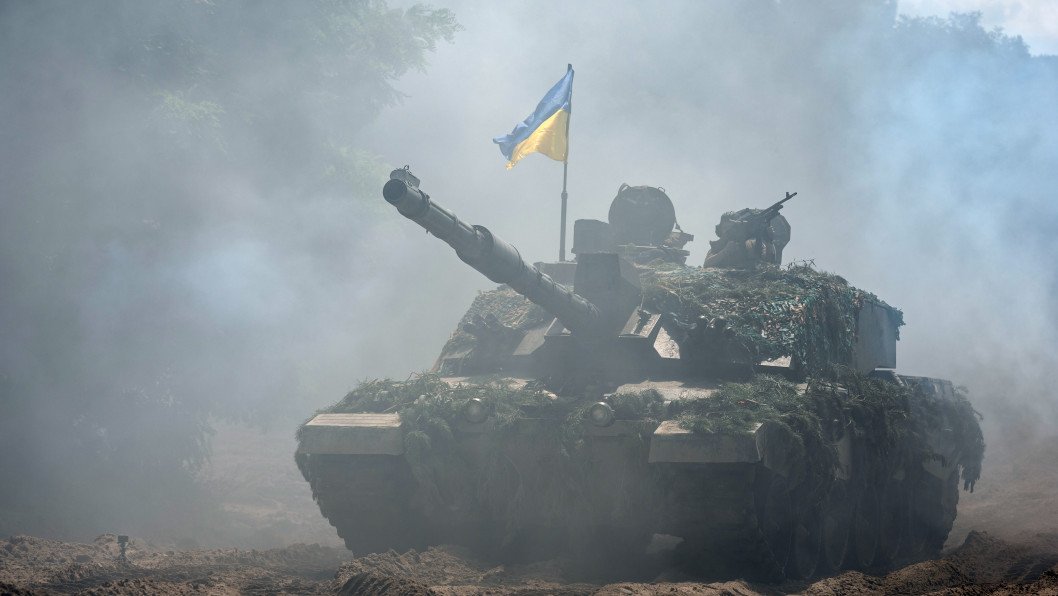
This contract is part of Babcock’s ongoing support for Ukraine. The company also recently committed to supporting the Ukrainian Armed Forces with the restoration of combat vehicles such as Challenger 2 tanks.
Discuss this article:



-c439b7bd9030ecf9d5a4287dc361ba31.jpg "Photo of Katherina Popilnichenko")


