- Category
- Latest news
Two Years In: How British Challenger 2 Tanks Are Performing on the Ukrainian Battlefield
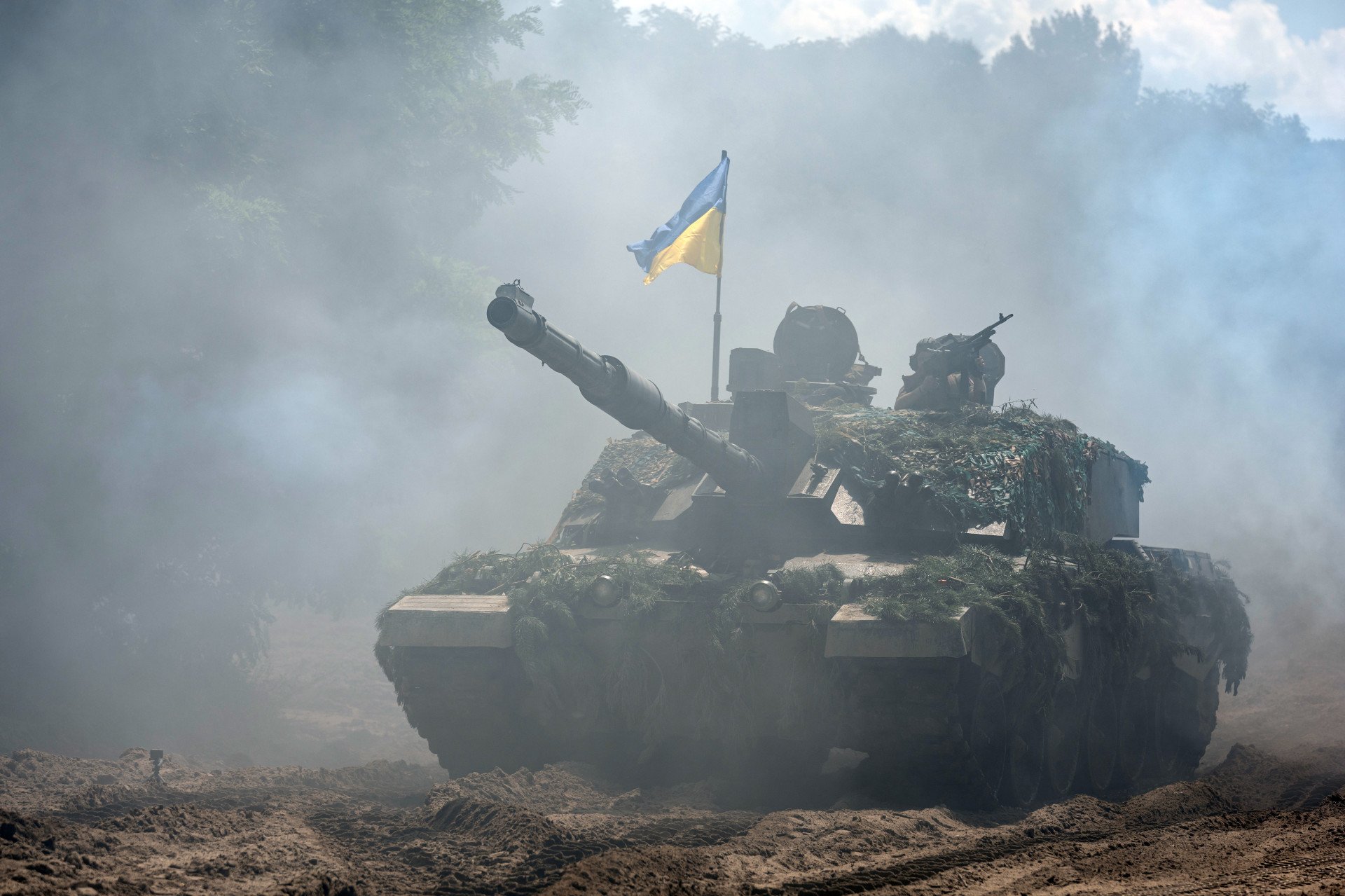
More than two years after their delivery, British Challenger 2 tanks remain in Ukrainian service. Crews say the tanks have proven effective in long-range engagements, demonstrated resilience against drone attacks, and offer better visibility and handling than Soviet-era vehicles.
 Prefer U24 Media on Google
- Authors


In early 2023, the United Kingdom became the first country to provide Ukraine with main battle tanks, delivering Challenger 2 vehicles. More than two years later, the tanks—excluding those lost in combat—remain in service with the Armed Forces of Ukraine.
According to a recent Army TV report, Ukrainian crews continue to highlight the distinct characteristics of the British-made Challenger 2, including its rifled gun and design features that set it apart from other Western tanks.
A tank commander, identified by the call sign “Hera,” described the vehicle as highly accurate, noting that his crew successfully hit a Russian infantry fighting vehicle at a distance of 5,300 meters while operating on the Kursk axis. “You don’t need to get too close—you can work from cover and then withdraw,” he said.
Crews report that the tank has demonstrated solid performance on the battlefield, though they note the increasing impact of drones, particularly FPV systems, which complicate operations. At the same time, they emphasize that the Challenger 2 has withstood drone strikes during combat.
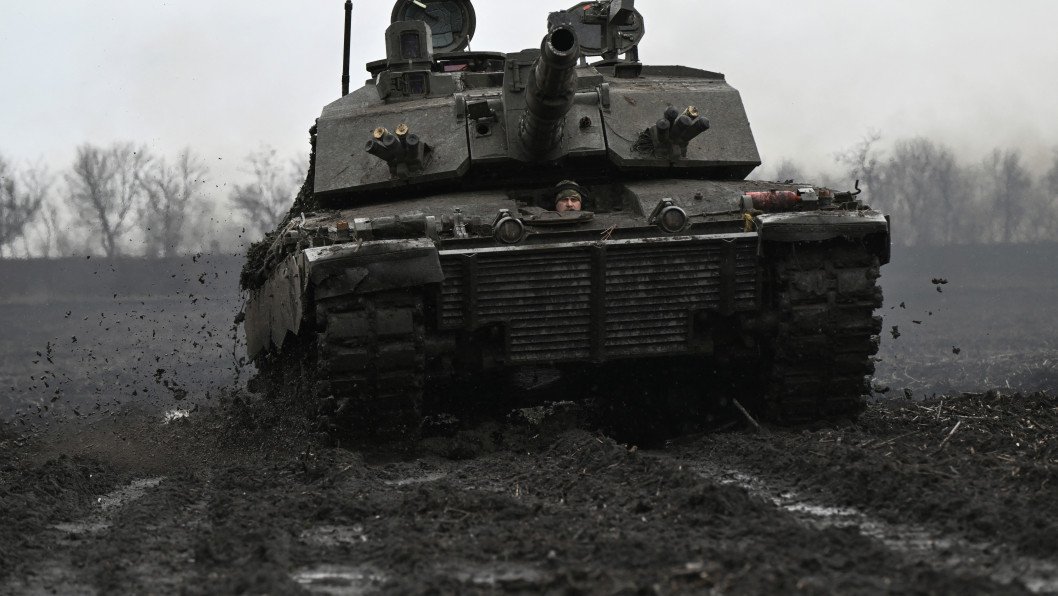
Compared to Soviet-era tanks, the Challenger 2 offers significantly improved visibility for the crew. Operators underline that the turret rotates at high speed and that maneuvering the vehicle under combat conditions is easier without exposing the crew through open hatches.
The vehicle uses separate loading ammunition. According to gunners, this has minimal effect on firing speed and improves safety because shells and propellant charges are stored separately. Crews report achieving a maximum rate of eight rounds per minute.
The driver interviewed noted that the Challenger 2 engine has performed reliably in combat conditions. “No complaints about either the auxiliary or main engine. The tank behaves well, though it is somewhat heavy on loose ground,” he said.
The crews interviewed also clarified that they have not used the tank for indirect fire missions, focusing instead on direct engagements.
Earlier in the war, Ukrainian forces made field upgrades to their M1A1 Abrams tanks—adding steel cages and drone protection screens—before the US began its own modernization program. These adaptations, driven by combat experience, directly influenced upcoming Abrams upgrades, including unmanned turrets, active protection systems, and hybrid engines.
Discuss this article:


-c439b7bd9030ecf9d5a4287dc361ba31.jpg "Photo of Katherina Popilnichenko")