- Category
- Latest news
Romania Approves US Airbase Access for Operations Targeting Iran
 Prefer U24 Media on Google
- Authors

-c439b7bd9030ecf9d5a4287dc361ba31.jpg "Photo of Katherina Popilnichenko")
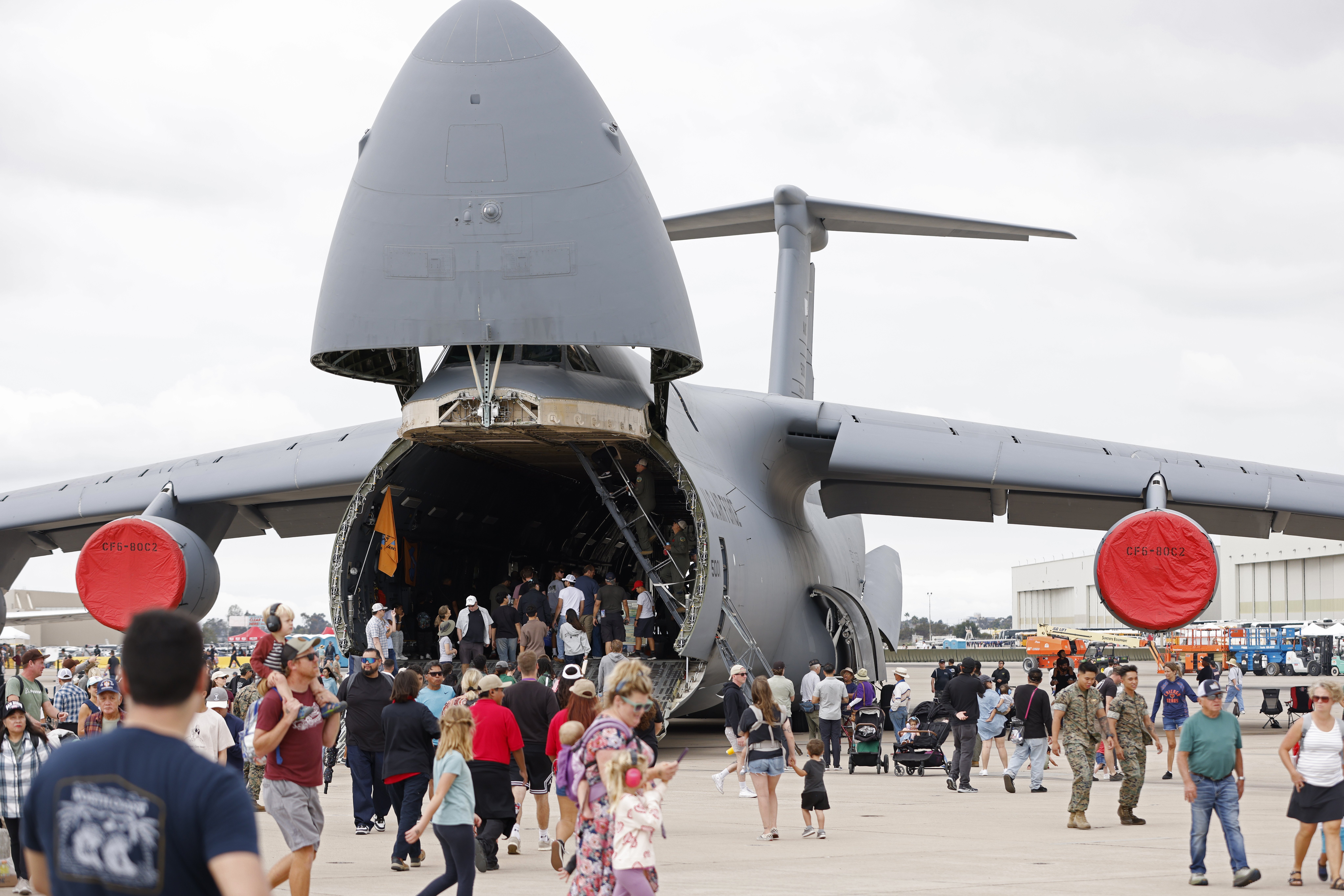
Romania’s top defense body has approved a request from the United States to use its airbases for military operations against Iran.
This decision follows a report by The Associated Press regarding the strategic partnership between the two nations on March 11.
We bring you stories from the ground. Your support keeps our team in the field.
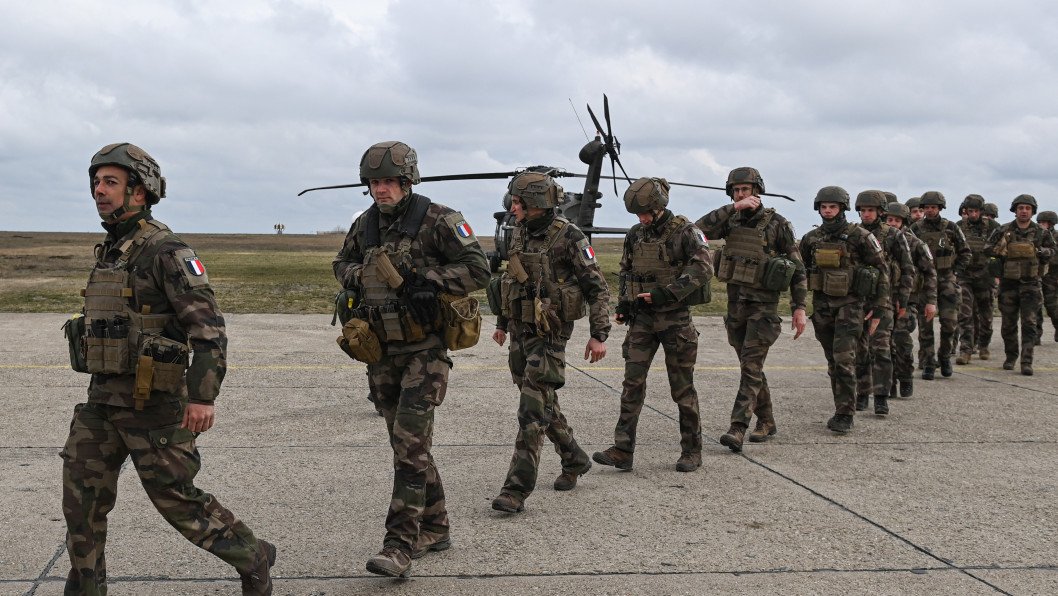
President of Romania Nicușor Dan stated that the agreement will allow for the temporary deployment of troops and military hardware. This includes the refueling of aircraft and the use of defense equipment such as satellite communications and monitoring systems.
Romania’s top defense body has approved a U.S. request to increase its use of airbases to aid the Middle East campaign.
— The Associated Press (@AP) March 11, 2026
Follow live updates. https://t.co/yUOZ07y6bQ
The United States recently asked Romania for permission to station fighter jets and personnel at the Mihail Kogălniceanu airbase.
In response, the president held a meeting of the Supreme Council of National Defense on Wednesday to discuss the temporary deployment of military assets on Romanian territory.
The Mihail Kogălniceanu airbase is considered a significant strategic location with the capacity to support a large number of aircraft. It is situated 20 kilometers from the Black Sea coast.
The base is located 300 kilometers from Odesa and 400 kilometers from temporarily occupied Sevastopol in Crimea, which has been occupied by Russia.
This development comes after Spain declined to let the United States use its military bases for strikes against Iran.
In March 2026, the US Army deployed the Merops counter-drone system to the Middle East to intercept Iranian Shahed-type UAVs.
This decision was driven by the need for a more cost-effective defense layer, as traditional Patriot missiles proved too expensive for countering mass drone swarms.
The system, which had previously been combat-tested against Russian-operated Shaheds in Ukraine, was stationed at several strategic locations throughout the region.
US officials noted that these interceptors, costing approximately $15,000 each, allowed for much more efficient defense of ports and military bases during large-scale attacks.
Discuss this article: