- Category
- World
NATO Could Close Russia’s Baltic Sea Access Within Hours After Attack, Estonian FM Says
 Prefer U24 Media on Google
- Authors

-72b63a4e0c8c475ad81fe3eed3f63729.jpeg "Photo of Cyril Barabaltchouk")
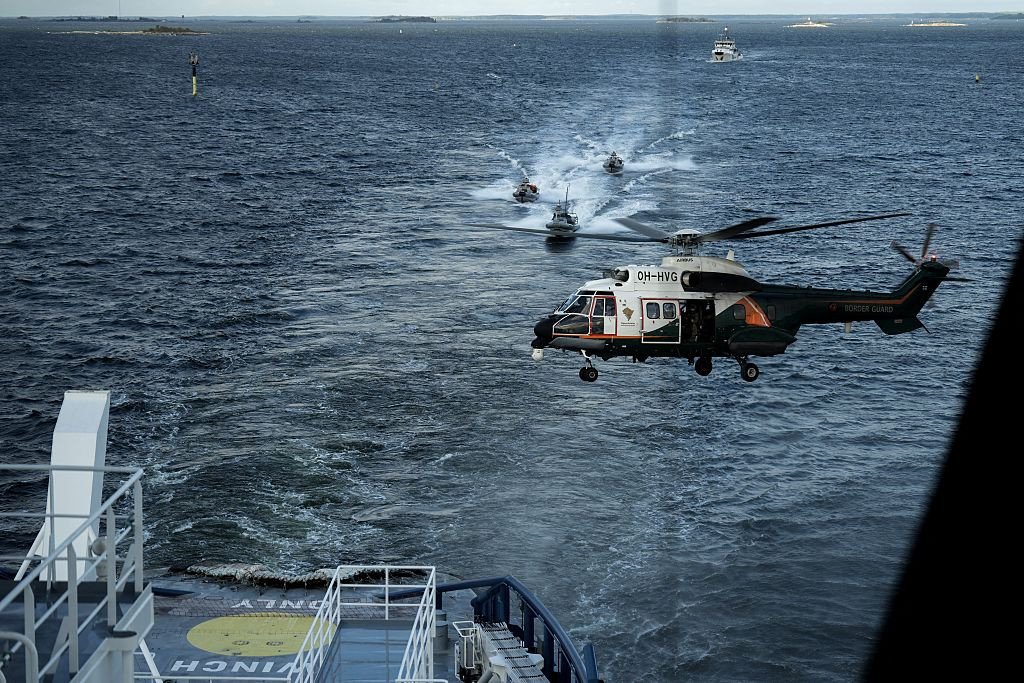
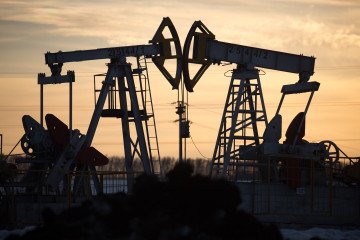
NATO could close Russia’s access to the Baltic Sea within hours if Moscow launched an attack on the alliance, cutting a maritime route that carries about 60% of Russia’s seaborne oil exports, Estonian Foreign Minister Margus Tsahkna told The Times on October 7.
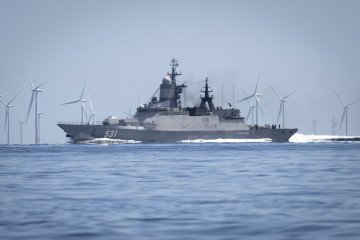
The Times reported that an allied blockade of the route between Estonia and Finland would sever one of Russia’s most important economic and military corridors. Russian vessels departing St. Petersburg use the Baltic route to reach open waters, while the same passage also connects Russia with Kaliningrad.
We bring you stories from the ground. Your support keeps our team in the field.
“We are able within a few hours to form a force of 50,000 experienced soldiers,” Tsahkna told The Times. “We could close the exit to the Baltic Sea within a few hours. This is a vital artery for the Russian economy.”
Tsahkna emphasized that such measures would follow a Russian attack triggering NATO’s Article 5 collective defense clause, rather than serve as a pre-emptive action by the alliance.
He described portraying NATO as an offensive organization as “absurd,” while noting that the alliance has operational plans for responding to Russian military aggression.
“If Russia starts a war, then we have plans and practical measures that we can take,” Tsahkna stated.
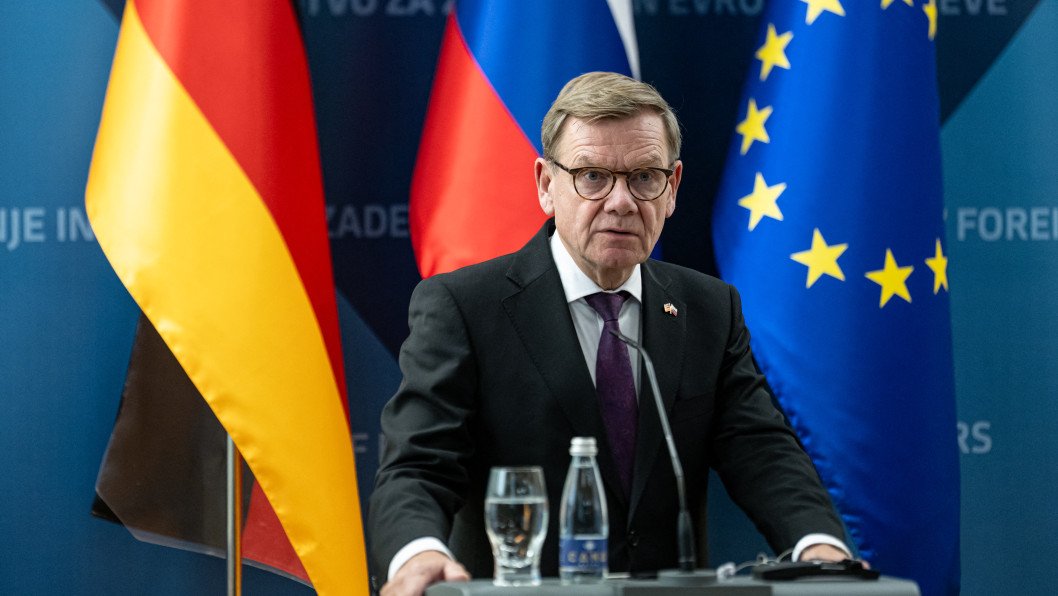
According to The Times, NATO members have not attempted to close the route under current conditions because they continue to operate under international rules governing maritime access.
Tsahkna argued that a direct Russian attack would fundamentally change that calculation.
“They will lose their vital artery. The Black Sea is already closed. For Russia, [the Baltic Sea] is existential,” he told The Times.
A few months earlier, Tsahkna had argued that Ukrainian strikes on Russian oil refineries and military facilities were hitting a key economic lifeline for Moscow. He noted that up to 60% of Russian oil exports pass through the Gulf of Finland, the same Baltic corridor he now describes as vital to Russia’s economy.
Discuss this article:




-111f0e5095e02c02446ffed57bfb0ab1.jpeg "Photo of Roman Kohanets")