- Category
- World
North Korea Is Supplying Russia With Upgraded Ballistic Missiles for Strikes on Ukraine
 Prefer U24 Media on Google
- Authors

-c439b7bd9030ecf9d5a4287dc361ba31.jpg "Photo of Katherina Popilnichenko")
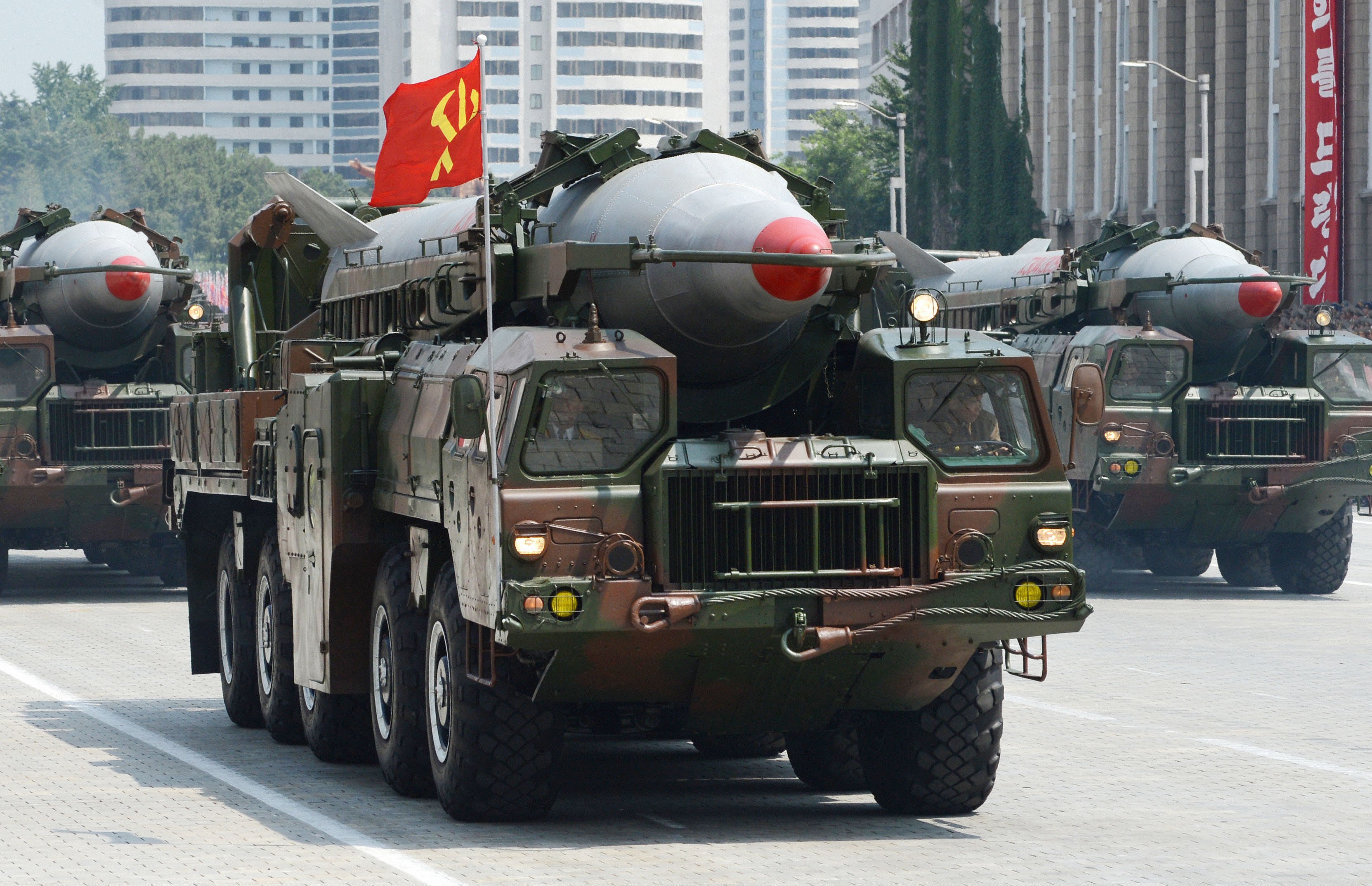
Russia has received approximately two dozen North Korean ballistic missiles, including KN-23 and KN-24 models, which have arrived in Rostov and Voronezh Oblast.
According to Hennadii Khazan, President of AOPA Ukraine, these weapons have ranges starting from 400 kilometers and can reach Kyiv. They carry standard warheads between 500 and 1,000 kilograms, or modified versions like the Hwasongpho-11-Da-4 with a 4,500-kilogram warhead, as reported by UNIAN on July 24.
We bring you stories from the ground. Your support keeps our team in the field.
Moscow is attempting to sustain high-intensity attacks while exploiting Ukraine's limited air defense inventory, which currently stands at roughly a couple of dozen interceptor missiles at launch positions.
The reliance on foreign weapon shipments highlights Russia’s inability to produce enough of its own missiles to sustain its aerial bombardment.
Khazan noted that while Russia targets cities such as Kharkiv, Dnipro, Zaporizhzhia, and Kyiv, the primary goal of these strikes is to cause destruction and inflict psychological pressure on civilians.
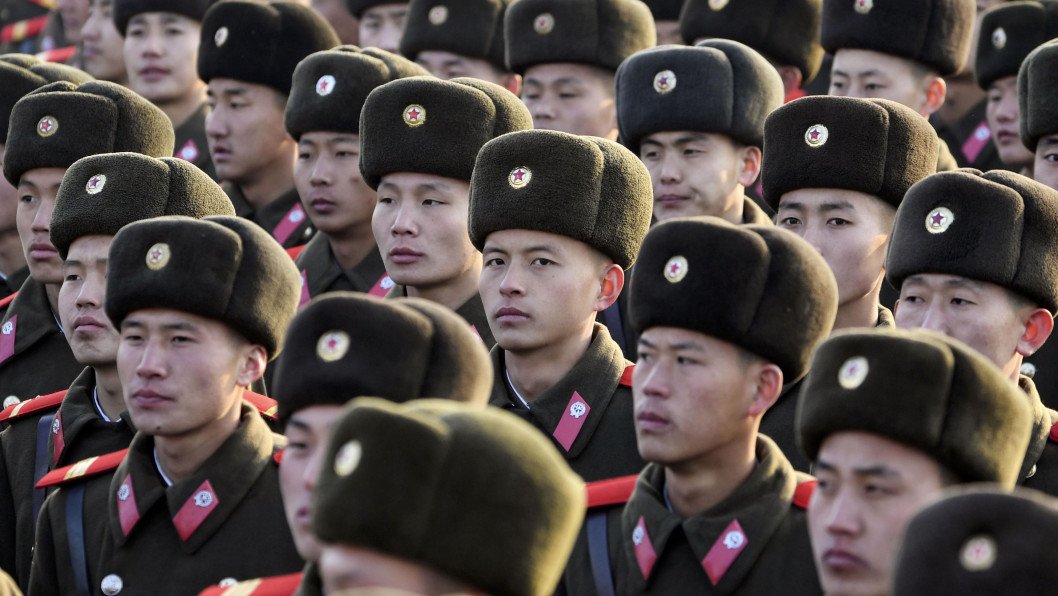
"These missiles have been delivered to Rostov, they are already there as of today. Understandably, there are risks. They differ: there are those for 400 km, there are those for a different range, but they differ in the power of the warhead. We must understand that there may be modifications with a reinforced warhead," Khazan said.
He explained that ballistic missiles follow a specific physical trajectory to deliver payloads, adding that different types cover varying distances.
"To our deep regret, those missiles reach Kyiv, although there will also be ones for 400 km, that is, for shorter distances," Khazan noted.
North Korea first publicly displayed the KN-23 in 2018, drawing comparisons to Russia's Iskander-M system, while the KN-24 was introduced a year later in 2019 as a system similar to the American ATACMS.
Despite relying on manufacturing methods developed 50 years ago, less energy-efficient fuel, and engines 50 percent larger than their Russian counterparts to achieve similar ranges, these weapons pose a severe hazard to populated areas.
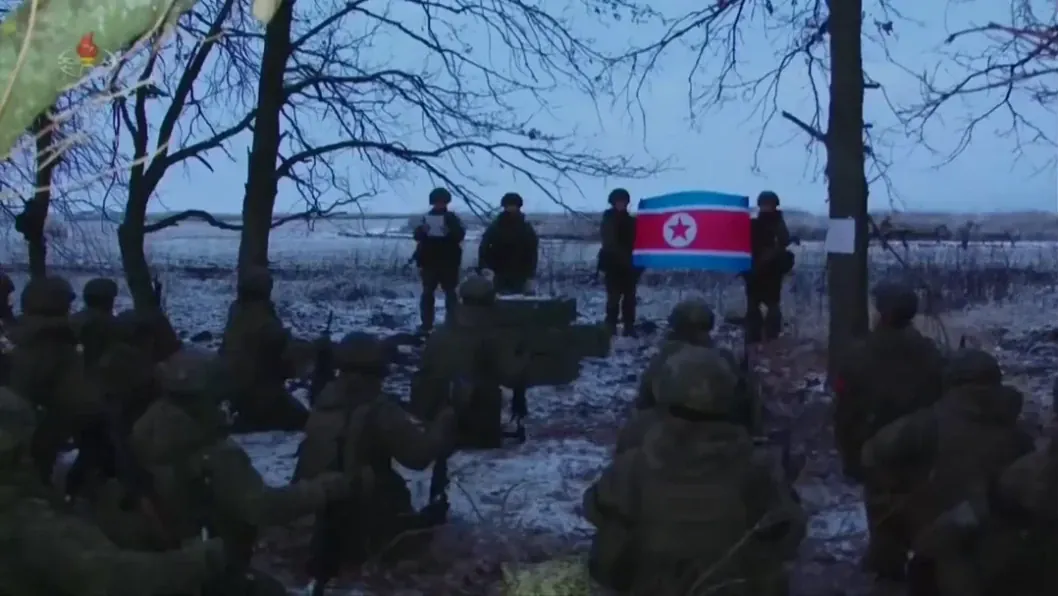
Previously, it was reported that North Korea secretly supplied Russia with between 8 million and 11 million artillery shells over a two-and-a-half-year period to support its full-scale invasion of Ukraine.
Operating through a covert maritime supply chain, four Russian cargo ships completed at least 112 voyages between North Korea and the Russian Far East to bypass international sanctions.
These deliveries provided Moscow with up to 350,000 shells per month—accounting for as much as half of Russia’s artillery fire in some combat zones—before maritime shipments slowed significantly in early 2026 due to rising Russian domestic production and depleted North Korean stockpiles.
Discuss this article:



-72b63a4e0c8c475ad81fe3eed3f63729.jpeg "Photo of Cyril Barabaltchouk")