- Category
- World
Poland Cracks Down on Suspected Russian Spy Network Supplying Materials for Weapons and Ammunition
 Prefer U24 Media on Google
- Authors


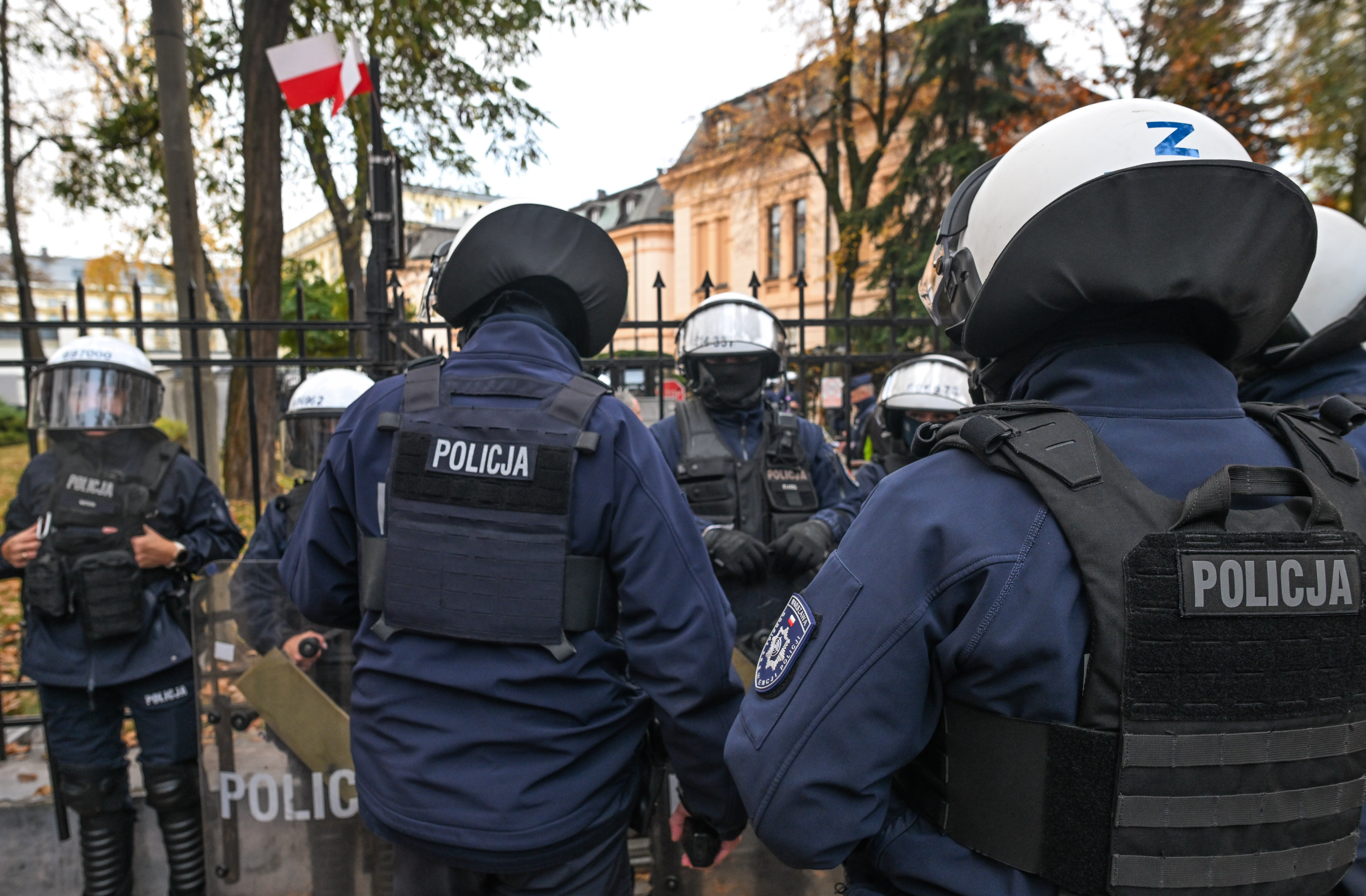
Poland’s Internal Security Agency (ABW) has detained six people suspected of cooperating with Russian intelligence services and illegally supplying military-related materials to Russia, according to Polish Minister-Coordinator of Special Services Tomasz Siemoniak.
In a statement published on X on November 5, Siemoniak said the suspects were involved in an organized criminal group operating against Poland and maintaining links with Russian intelligence agencies.
We bring you stories from the ground. Your support keeps our team in the field.
The six detainees include five Polish citizens aged between 25 and 52 and a 37-year-old Russian woman.
Following court proceedings, four suspects were placed in pretrial detention on suspicion of espionage, while the remaining two were subjected to precautionary measures that did not involve imprisonment.
The arrests were carried out as part of an operation conducted between October 21 and November 2, during which Polish security services searched 21 locations across the Warmian-Masurian, Pomeranian, and Greater Poland voivodeships.
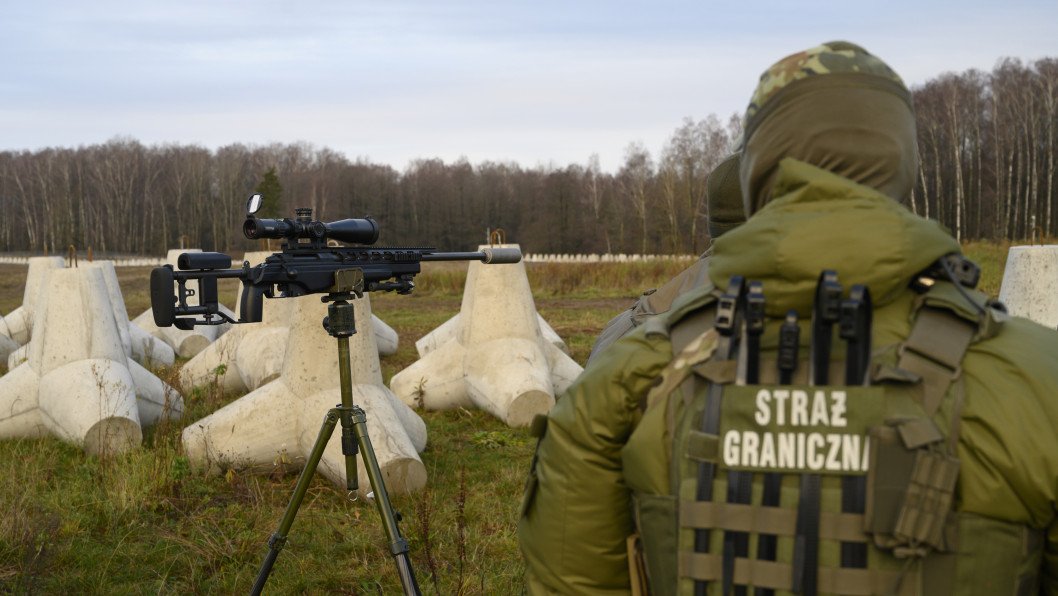
According to Siemoniak, evidence collected during the investigation indicates that the suspects may have cooperated with Russian intelligence services and participated in activities aimed at strengthening Russia’s military capabilities.
Investigators believe the group was involved in the illegal transfer of substantial quantities of military-related materials to Russia, including materials used in the production of ammunition and weapons systems.
Siemoniak confirmed that the investigation remains ongoing and is being conducted by officers from the ABW office in Olsztyn under the supervision of the Podlaskie Branch of the National Prosecutor’s Office in Białystok.
The minister also highlighted the broader scale of Poland’s investigations into suspected Russian intelligence and sabotage activities.
According to Siemoniak, nearly 100 people have been formally designated as suspects since the beginning of 2024 in espionage and sabotage investigations conducted by Poland’s Internal Security Agency.
Beyond suspected espionage and illicit military supplies, Russia-linked operations have also sought to influence public opinion across Europe through coordinated disinformation campaigns.
One such operation involved accounts associated with the Russia-linked Doppelganger disinformation network, which spent six weeks ahead of the October 17 protests in France attempting to exploit public frustration over rising living costs to weaken support for Ukraine.

According to research by Alliance4Europe, the network sought to link genuine economic grievances with anti-Ukrainian narratives, portraying financial assistance to Kyiv as a burden on European citizens.
Between September 2 and October 14, the operation distributed 639 posts across 22 coordinated waves in French, German, English, and Polish, collectively generating approximately 7.4 million views.
The most intensive wave occurred on October 8, when 97 messages were published within just three minutes. Researchers also identified a recurring distribution pattern, with posts appearing first in German, followed by French and English versions at intervals of one or two minutes.
Discuss this article: