- Category
- World
Putin Squeezes $4.6 Billion From Businesses Through “Voluntary Contributions” to Plug Budget Deficit
 Prefer U24 Media on Google
- Authors


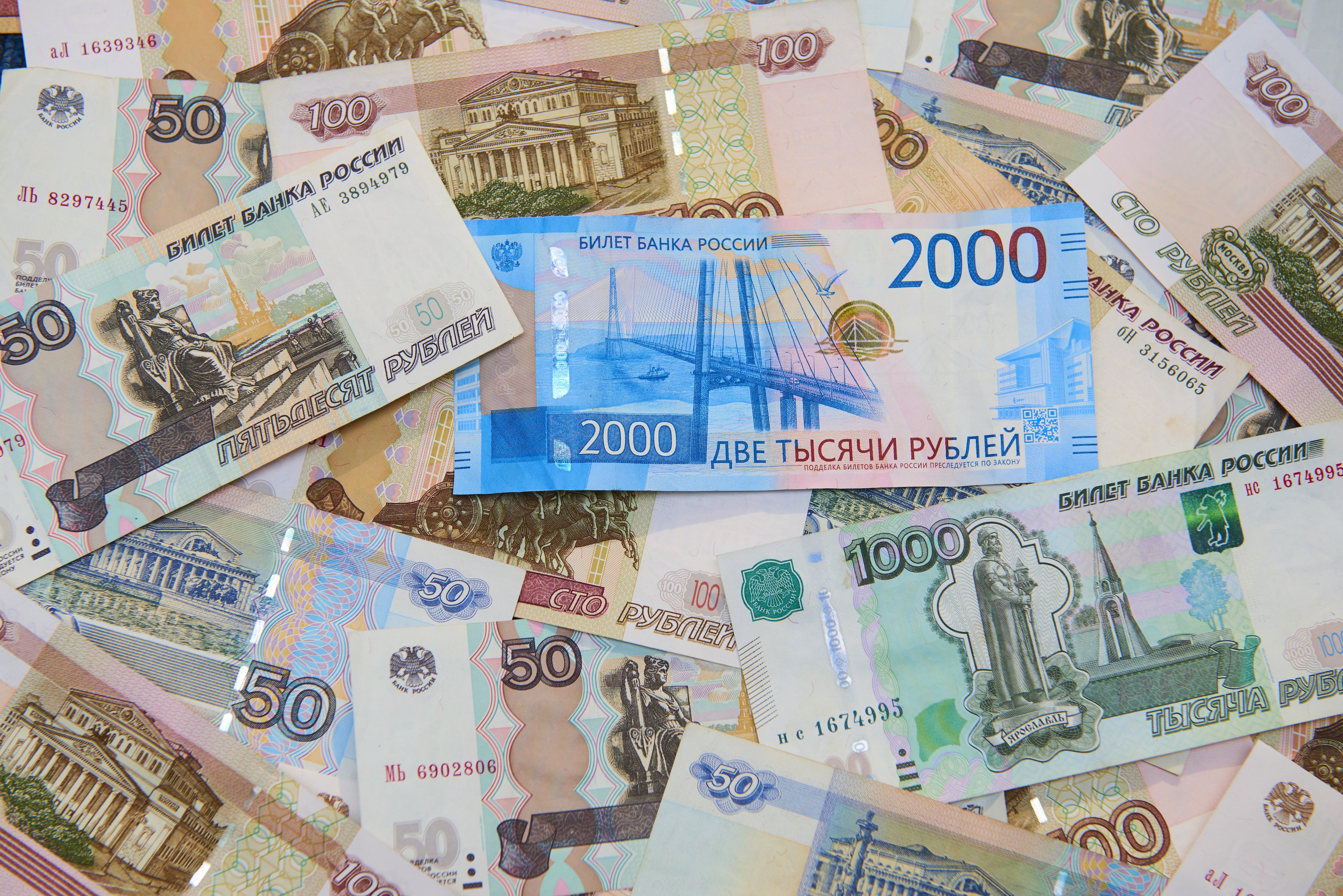
Large Russian businesses have been forced to transfer hundreds of billions of rubles to the federal budget following Vladimir Putin’s demand for so-called “voluntary contributions” as the country struggles with a record budget deficit.
AAccording to Vedomosti on August 18, as of mid-August, so-called gratuitous payments to the federal budget had reached 383.69 billion rubles (about $4.6 billion). Before Putin’s March meeting with representatives of major Russian businesses, contributions from non-governmental organizations stood at just 15.6 billion rubles (around $187 million).
We bring you stories from the ground. Your support keeps our team in the field.
Following Putin’s appeal, the volume of transfers increased tenfold within a month, reaching 159.7 billion rubles (almost $2 billion). Payments rose by another 45.5% in May and 27% in June, before increasing by a further 30% during July and the first half of August.
Alexander Shokhin, head of the Russian Union of Industrialists and Entrepreneurs, confirmed that business owners had transferred funds to the state, saying the money came not only from corporate structures but also from family foundations.
The Russian government, meanwhile, expects to receive around 300 billion rubles (nearly $4 billion) in such payments by the end of the year.
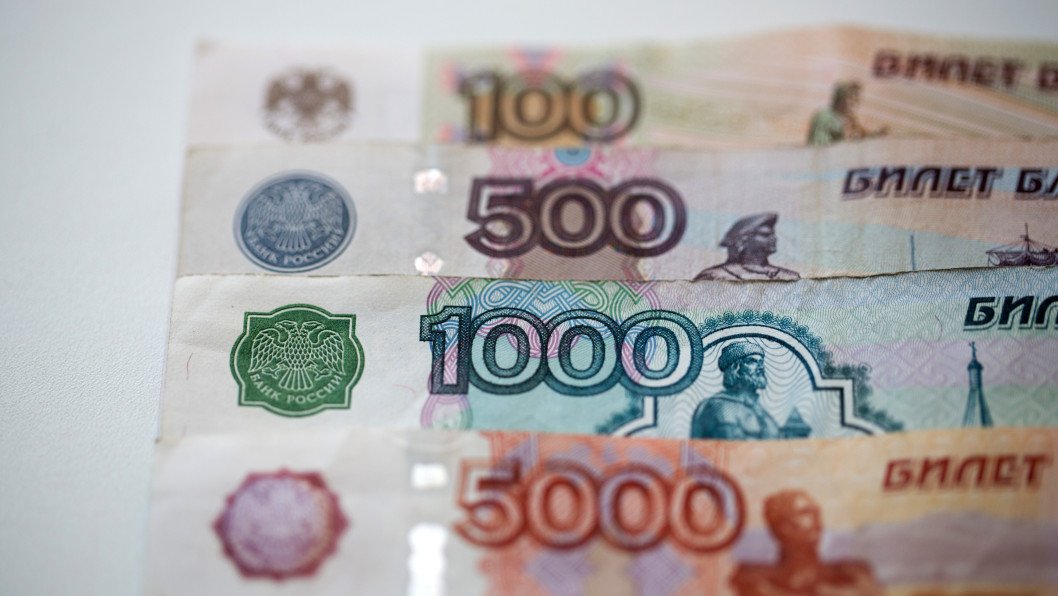
The contributions come as Russia’s public finances face mounting pressure. Between January and July, the federal budget deficit reached 6.455 trillion rubles (approximately $77.5 billion), 1.4 times higher than during the same period last year and nearly twice the amount initially planned for the entire year.
According to The Moscow Times, Russia’s mounting fiscal pressures have coincided with the growing cost of its war against Ukraine. Since the start of the full-scale invasion, the Russian federal budget has spent nearly 50 trillion rubles (about $600 billion) on the war.
To cover military expenditures, Russian authorities have already used three-quarters of the liquid assets held in the National Wealth Fund and confiscated private assets worth 4 trillion rubles (arout $48 billion). The government has also raised corporate profit taxes, personal income taxes, value-added tax, and levies on small businesses.

Amid these mounting fiscal pressures, Russian authorities have also reduced public access to information about the country’s remaining financial reserves. The Moscow Times reported on August 13 that the government had stopped publishing official figures on cash reserves held in its single treasury account, a key financial cushion for unallocated budget funds.
Russia’s Federal Treasury removed daily operational data covering ruble deposits placed with commercial banks, money market transactions, and the total amount of cash available across different levels of the budget system.
Discuss this article:



-c439b7bd9030ecf9d5a4287dc361ba31.jpg "Photo of Katherina Popilnichenko")