- Category
- World
Russia Exploited Migrants and Refugees for Ukraine War Recruitment, Amnesty International Reports
 Prefer U24 Media on Google
- Authors

-111f0e5095e02c02446ffed57bfb0ab1.jpeg "Photo of Roman Kohanets")
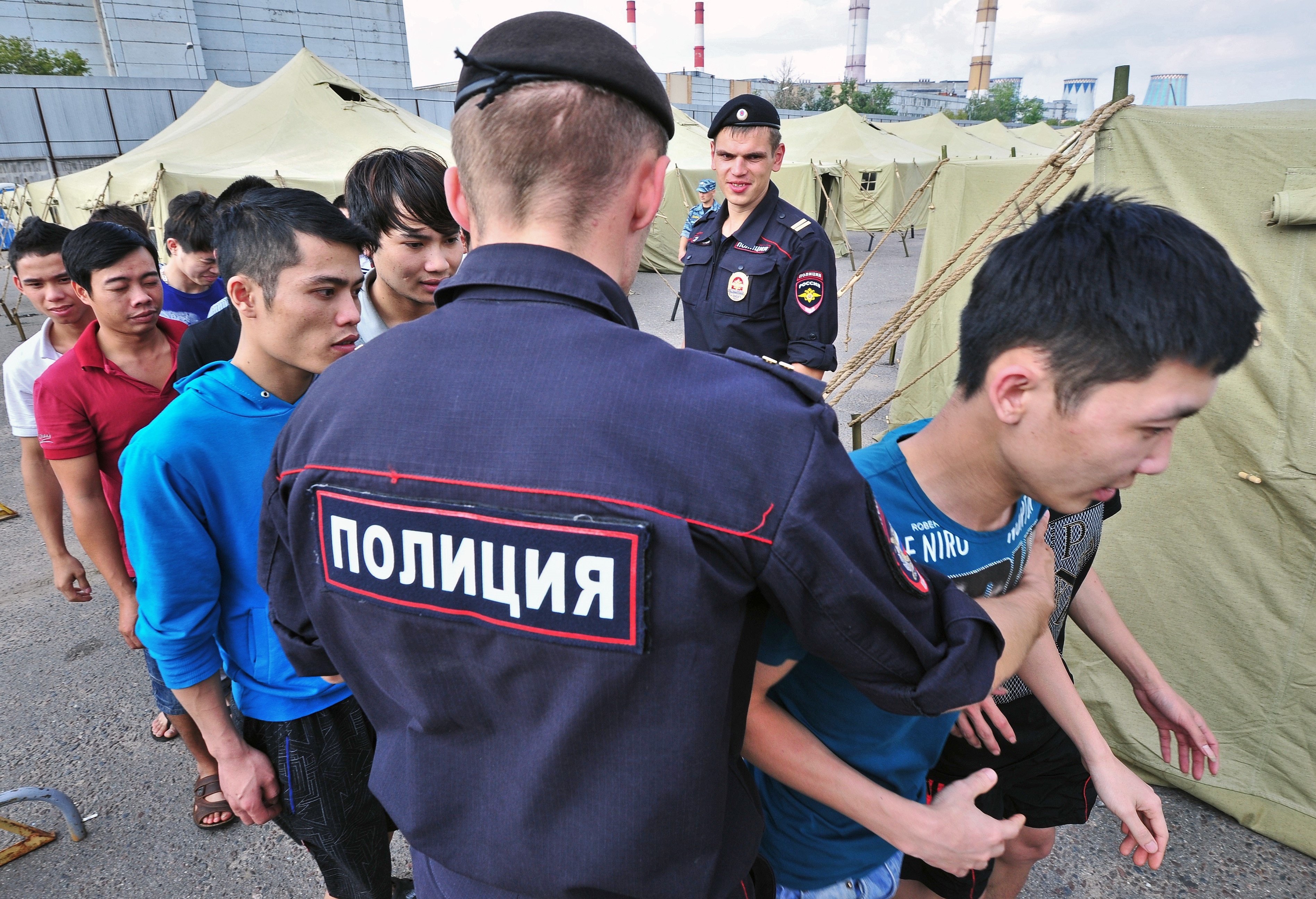
Russia has used deceptive, coercive, and exploitative practices to recruit foreign nationals into its armed forces and send them to fight in Ukraine, a pattern that in many cases amounts to human trafficking.
This was reported by Amnesty International in a briefing published on its official website on September 10.
We bring you stories from the ground. Your support keeps our team in the field.
"The level of exploitation and coercion involved led us to conclude that in many cases this amounts to human trafficking," Agnès Callamard, Amnesty International's Secretary General, stated, adding that the practice fits the definition set out in the UN's Palermo Protocol.
The Palermo Protocol is the UN's 2000 anti-trafficking treaty and the source of the first internationally agreed definition of human trafficking. It sets out a three-part test: an act of recruitment or transport carried out through coercion, fraud, or abuse of vulnerability for the purpose of exploitation.
Under its terms, a victim's consent is void once deception or coercion is used, which is why signed contracts do not shield the recruitment from the trafficking label.
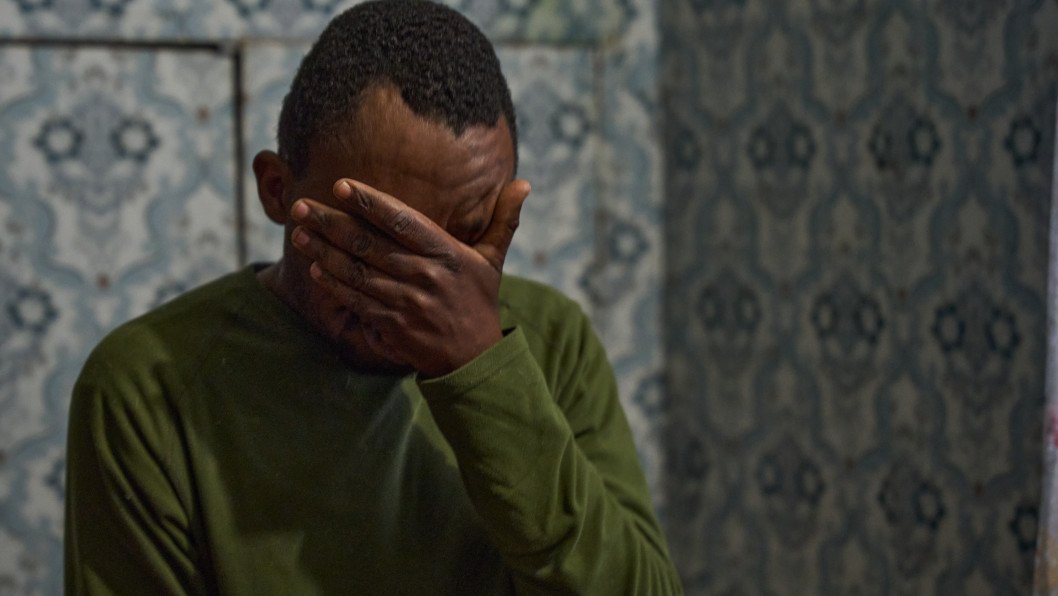
Amnesty International's research documented how recruiters lured individuals into the Russian Armed Forces under false pretenses and exploited the precarious circumstances of migrants and refugees already inside Russia. Those targeted came primarily from low-income countries in the Global South .
The briefing drew on interviews conducted at two Ukrainian prisoner-of-war camps between 2024 and 2026, with individuals from Brazil, Colombia, Cuba, Egypt, Sierra Leone, Sri Lanka, Somalia, and South Africa.
Amnesty International also gathered testimony from foreign nationals currently serving with Russian forces, their families, lawyers, and journalists.
According to the organization, recruiters typically presented military service as a non-combat role, such as work in a military kitchen or as a driver far from the front.
Two Sri Lankan men believed they had been hired as cooks but were sent to the front lines and captured within weeks. "The scale of fighting is unimaginable. You do not see Ukrainian soldiers, only drones. Drones everywhere," one recounted.
Amnesty International reported that misleading online job advertisements and local agents deceived recruits in their home countries with false promises of civilian work and expedited Russian citizenship.
A South African man who applied online for a driving job in Poland was instructed to fly to Moscow, where his documents were seized. "He was told that he would not be going to Poland and that he was becoming a soldier," his wife told the organization.
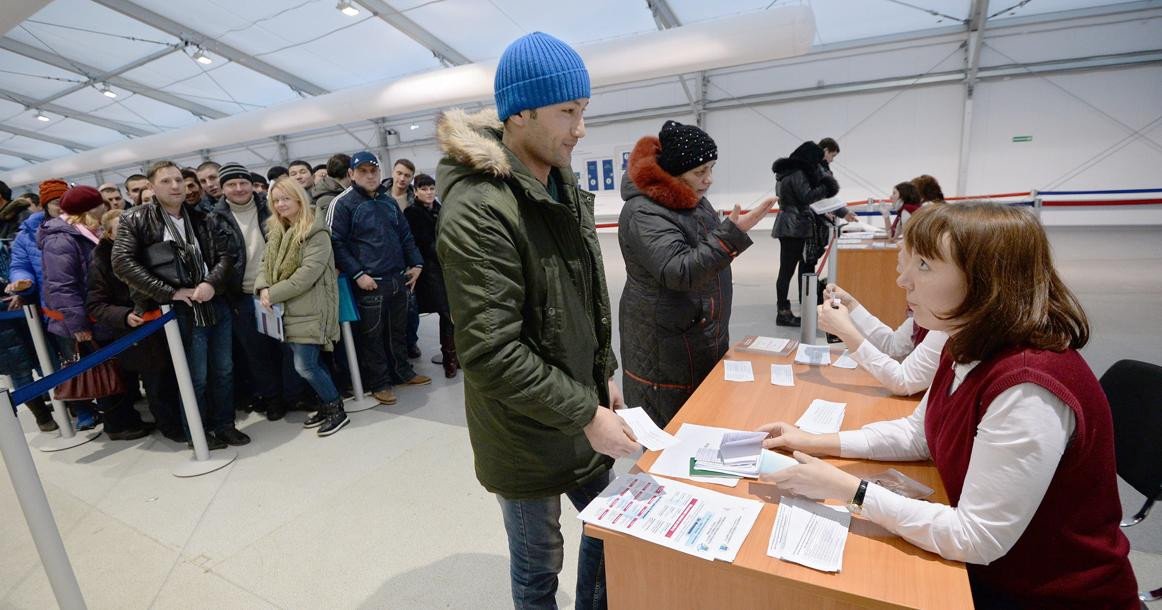
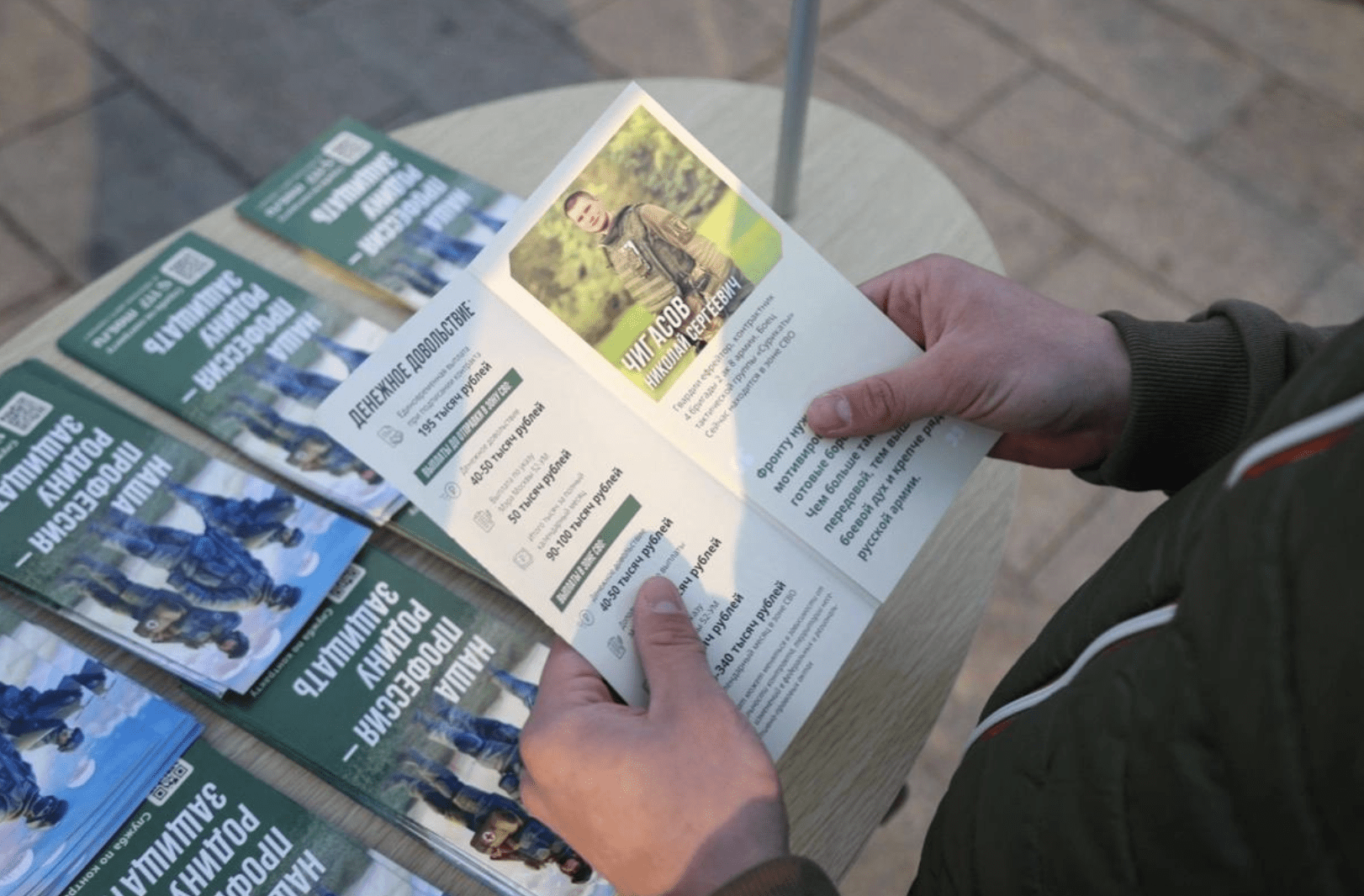
The briefing detailed severe restrictions imposed once contracts were signed. Recruits from Brazil and Sri Lanka described having passports and mobile phones confiscated before deployment.
Pedro, a Brazilian IT professional recruited under the pretext of a well-paid tech job, recounted asking his commander to leave and being told, "If you try to escape, you will either go to jail or we will kill you."
Amnesty International noted that most enlistees were deployed to active combat zones after roughly two weeks of training, with little regard for combat readiness.
The organization emphasized that recruiters weaponized irregular immigration status and pending criminal charges, presenting enlistment as an alternative to detention and deportation.
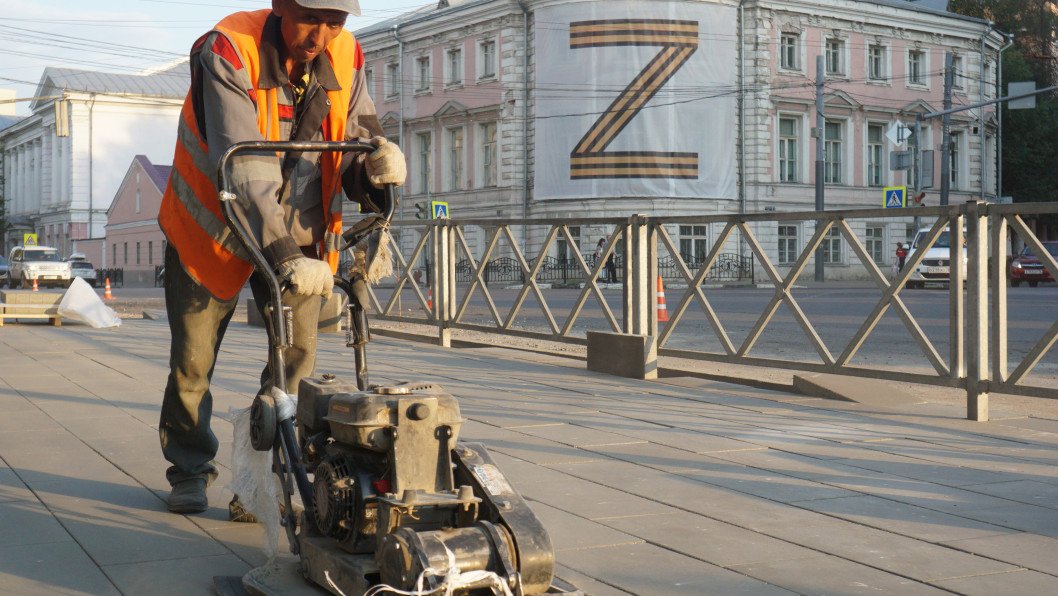
Amnesty International called on Russia to end the abusive practices immediately and urged states whose nationals are at risk to issue public warnings and pursue accountability.
The organization also directed a series of recommendations to Ukrainian authorities regarding third-country nationals held as prisoners of war.
Previous reports indicated that by mid-August 2026, at least 2,982 recruits from 37 African countries had been documented, roughly 486 of whom had been killed, with Kenya, Egypt, Ghana, and Nigeria among the largest sources.
Foreign nationals from more than 40 countries have since been identified in Russian ranks, many funneled in through deception after traveling abroad in search of civilian work.
Discuss this article:

-c439b7bd9030ecf9d5a4287dc361ba31.jpg "Photo of Katherina Popilnichenko")