- Category
- World
Russia Forces Migrants to Share Their Location 24/7—or Face Banking Blocks and Deportation
 Prefer U24 Media on Google
- Authors

-111f0e5095e02c02446ffed57bfb0ab1.jpeg "Photo of Roman Kohanets")
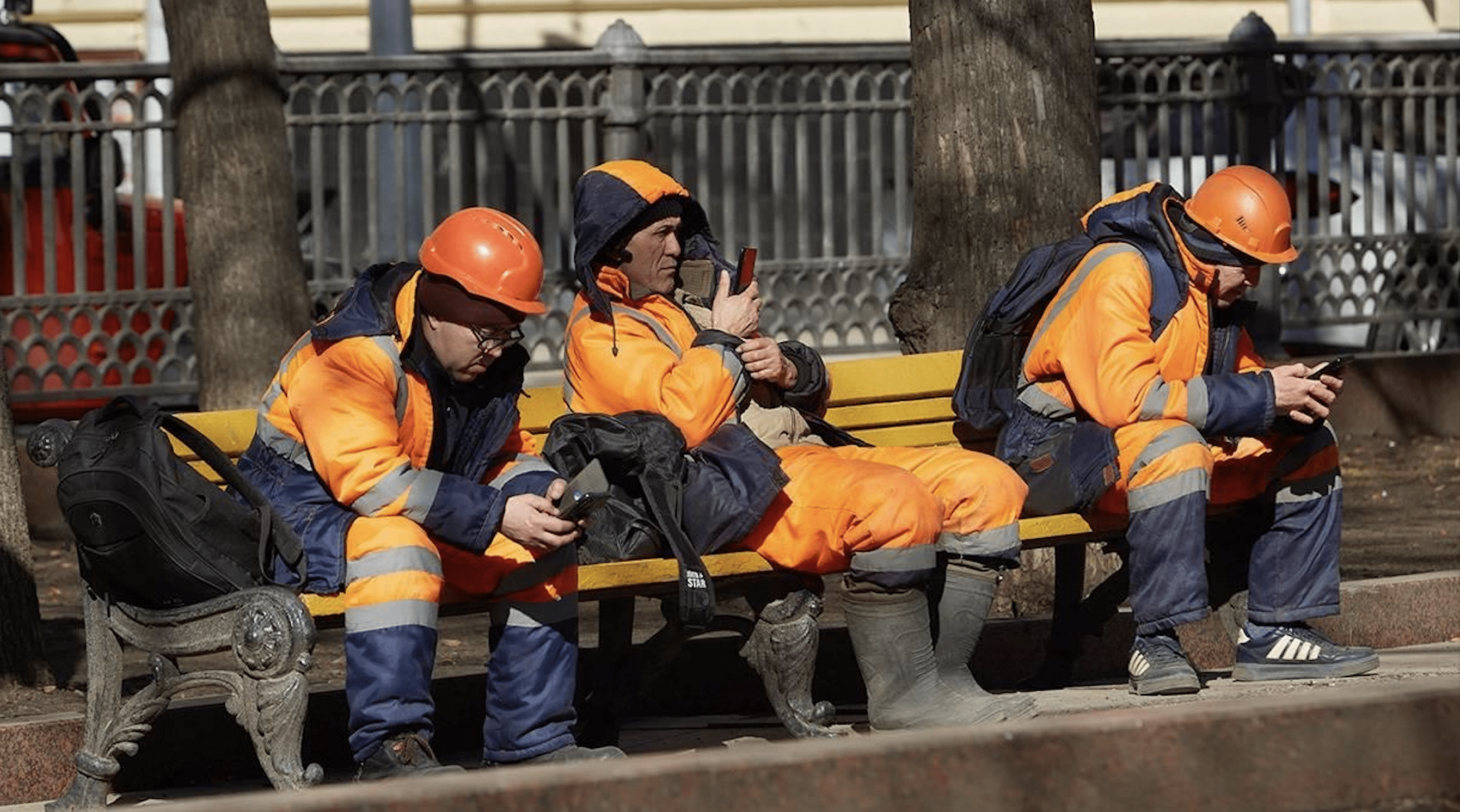
Russia is expanding its digital surveillance system by requiring migrants to use mobile phones linked to electronic profiles that continuously transmit their location, according to recent measures introduced by the Russian Interior Ministry.
This was reported by Ukraine's Foreign Intelligence Service (SZRV) on its official website on June 21. The agency described the measure as a surveillance tool built to monitor migrants' locations in real time.
We bring you stories from the ground. Your support keeps our team in the field.
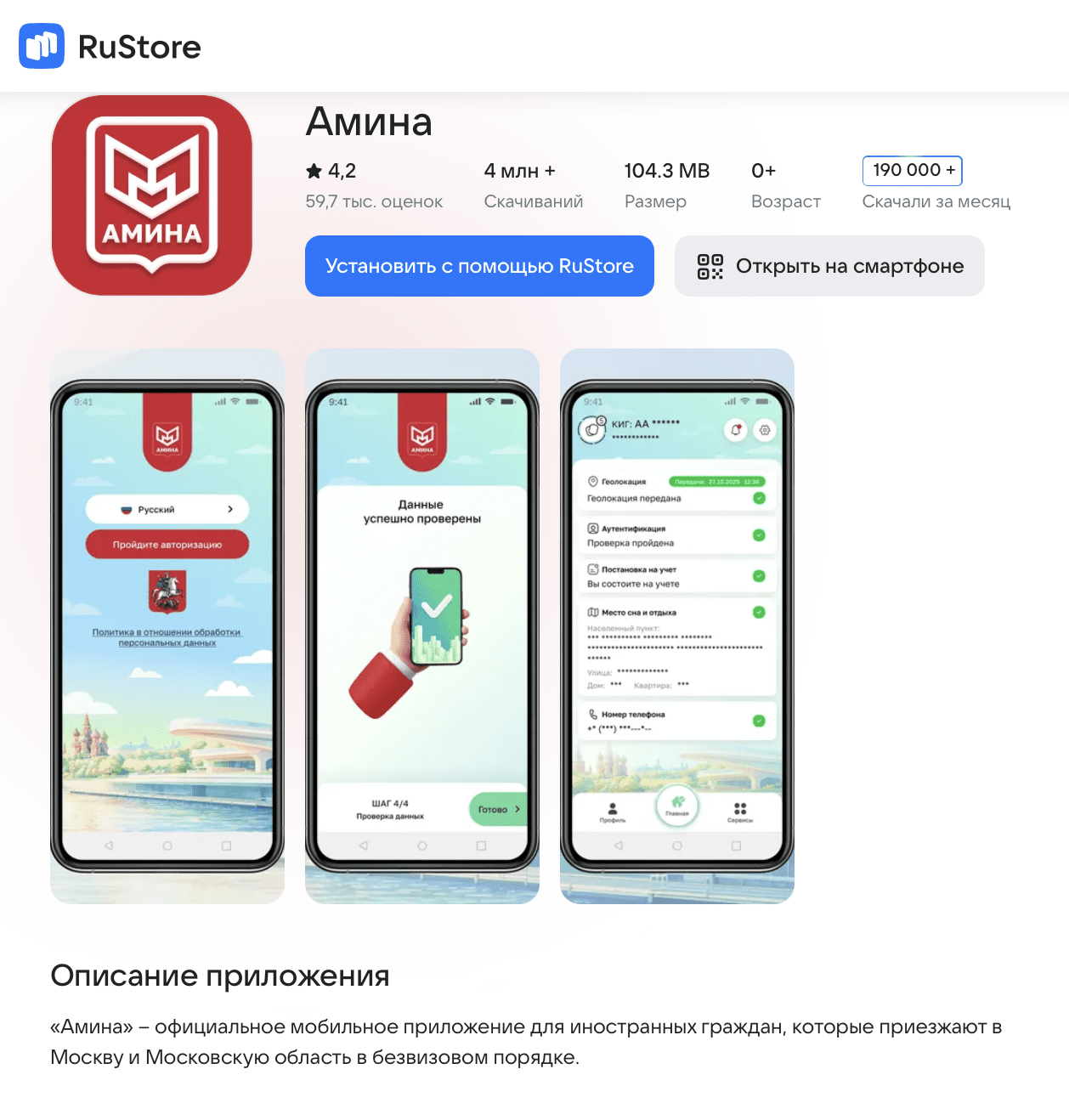
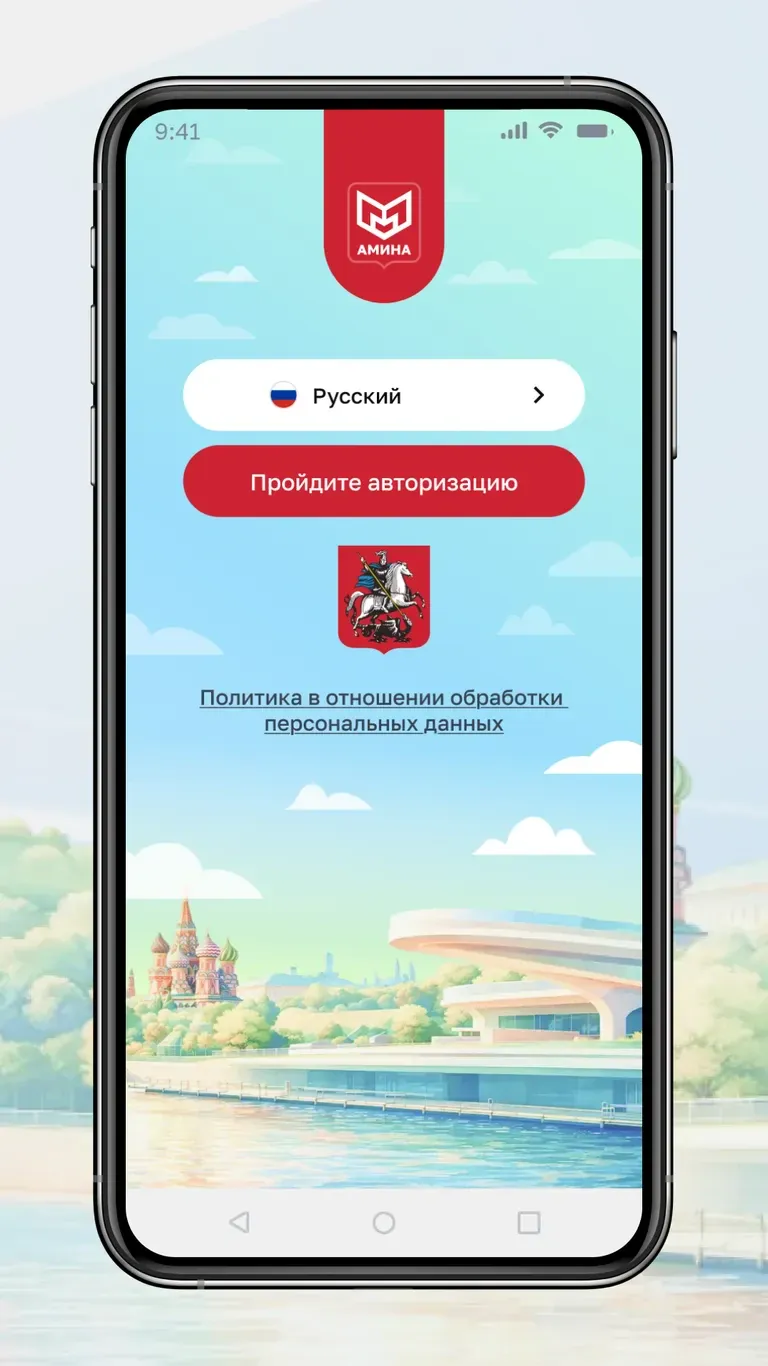
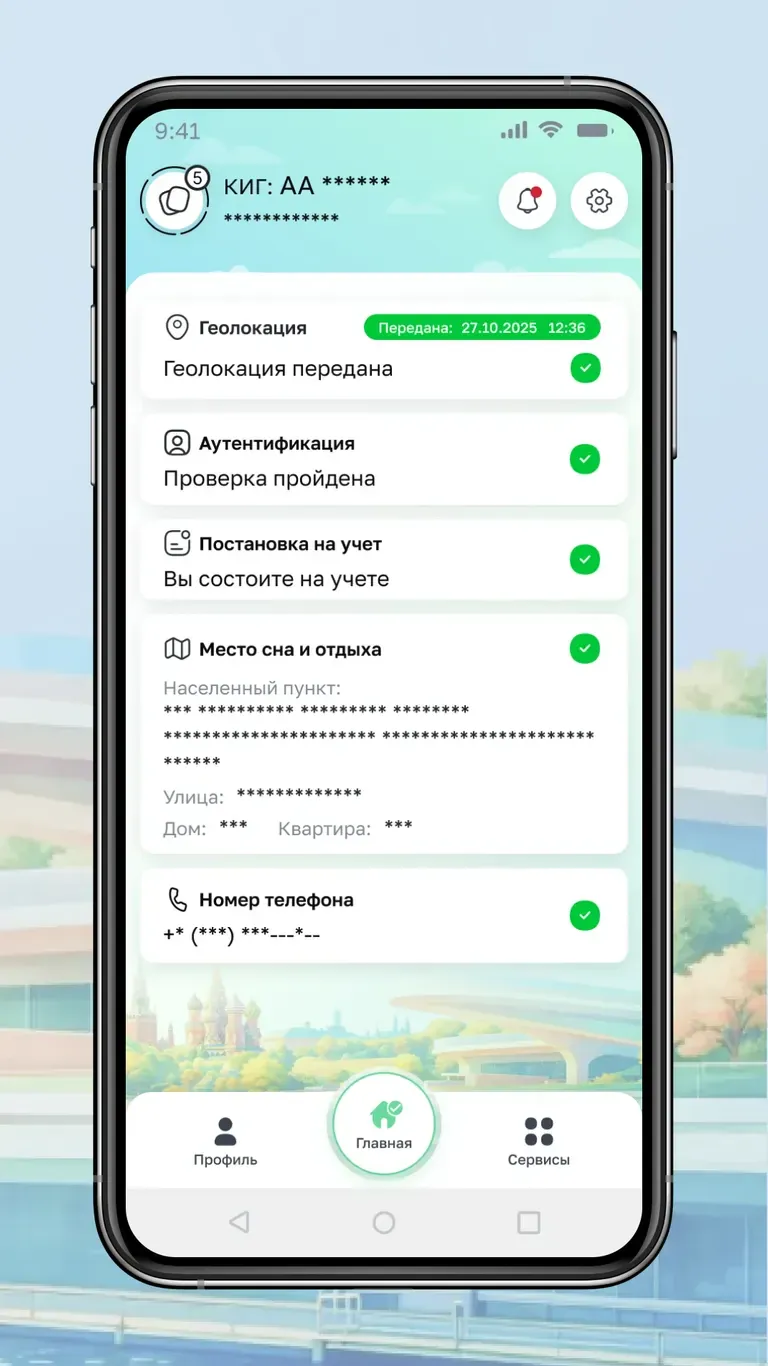
The system is already being tested in Moscow and the surrounding region through a mobile application named Amina, the service indicated.
According to its RuStore listing, Amina is the official app for foreign nationals entering Moscow and the surrounding region without a visa. Foreigners must keep location tracking switched on at all times, the service added.
If the application fails to transmit coordinates for three days, the person is automatically entered into a so-called register of controlled persons, the report noted. That designation triggers immediate penalties, the agency stated, including blocked bank cards, a ban on financial transactions, and deportation.
Russia's State Duma has tightened the legal regime for foreign workers in parallel, the service reported. Tax authorities will transmit data on migrants' earnings to the Interior Ministry every three months, the agency explained, and migrants must file annual income declarations.
Any deviation from the required criteria—too few months worked in a year, or income below the subsistence minimum—results in the immediate cancellation of a residence permit, according to the service. Those affected are given 15 days to leave the country with their families, the agency wrote.
The measures also reach migrants' children, the service emphasized. Minors may remain in Russia only for as long as their parents' work permits stay valid, the agency noted. On turning 18, they must either obtain their own labor permit or leave within a month.
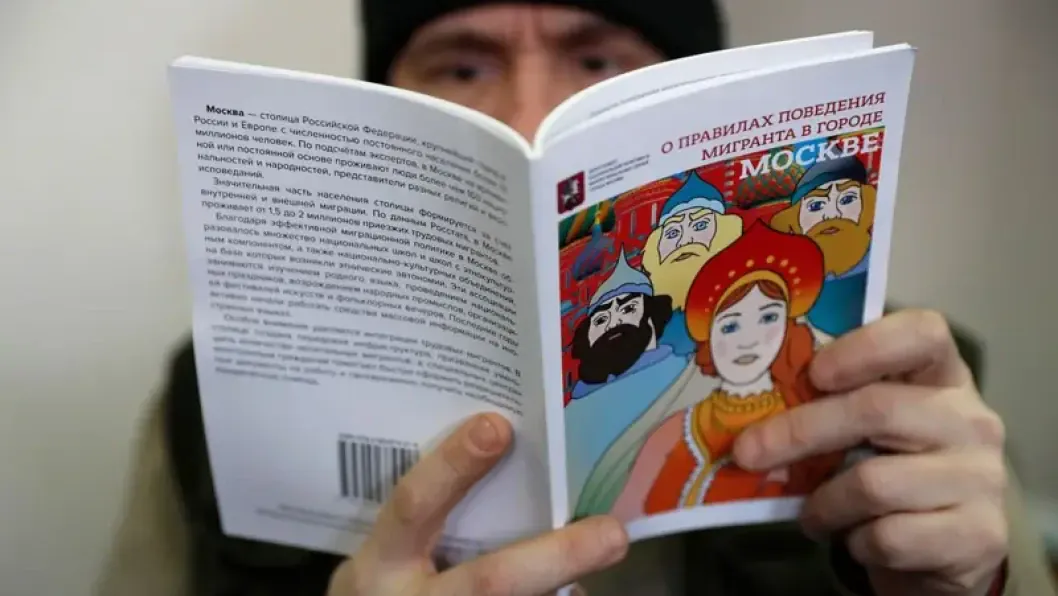
The Foreign Intelligence Service assessed that the same infrastructure now imposed on foreigners reflects surveillance tools already capable of tracking millions of people across Russia in real time.
The rollout fits a wider tightening of digital control across Russia. Since September 1, 2025, the state-backed Max messenger has come preinstalled on every new smartphone sold in the country.
It carries concealed features capable of recording microphone audio, harvesting contact lists, and defeating VPNs. Regulators also ordered 1,213 applications removed from the Russian segment of Apple's App Store in 2025—up from 171 a year earlier, and more than any other government worldwide.
Discuss this article:


-c439b7bd9030ecf9d5a4287dc361ba31.jpg "Photo of Katherina Popilnichenko")