- Category
- World
Russia Rejects Black Sea Ceasefire, Says It Would Give Ukraine “Temporary Respite”
 Prefer U24 Media on Google
- Authors

-111f0e5095e02c02446ffed57bfb0ab1.jpeg "Photo of Roman Kohanets")
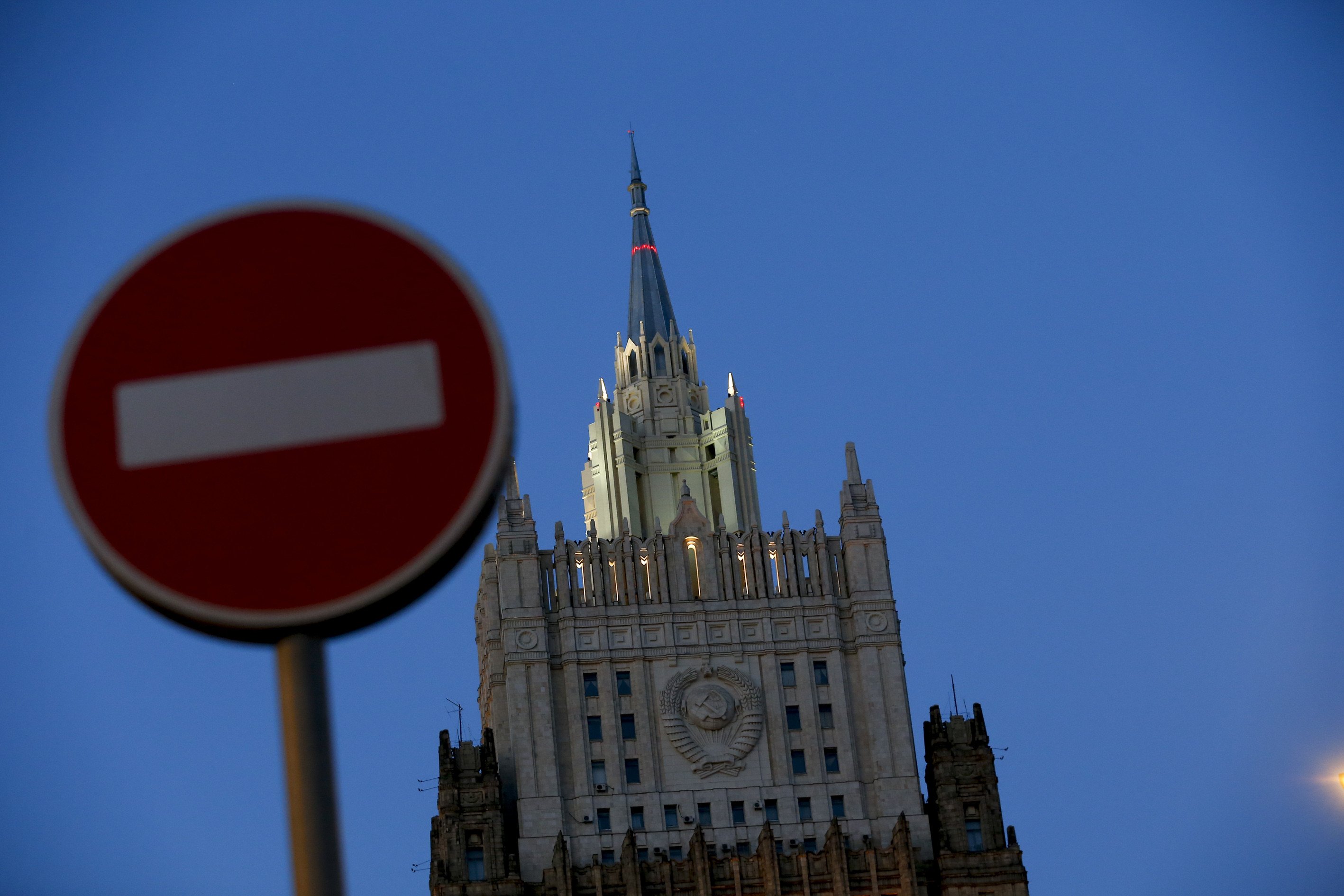
Russia has refused to accept a mutual ceasefire with Ukraine in the Black Sea, stating that it sees no grounds for such a measure and questioning whether Türkiye ever formally put the proposal to Moscow.
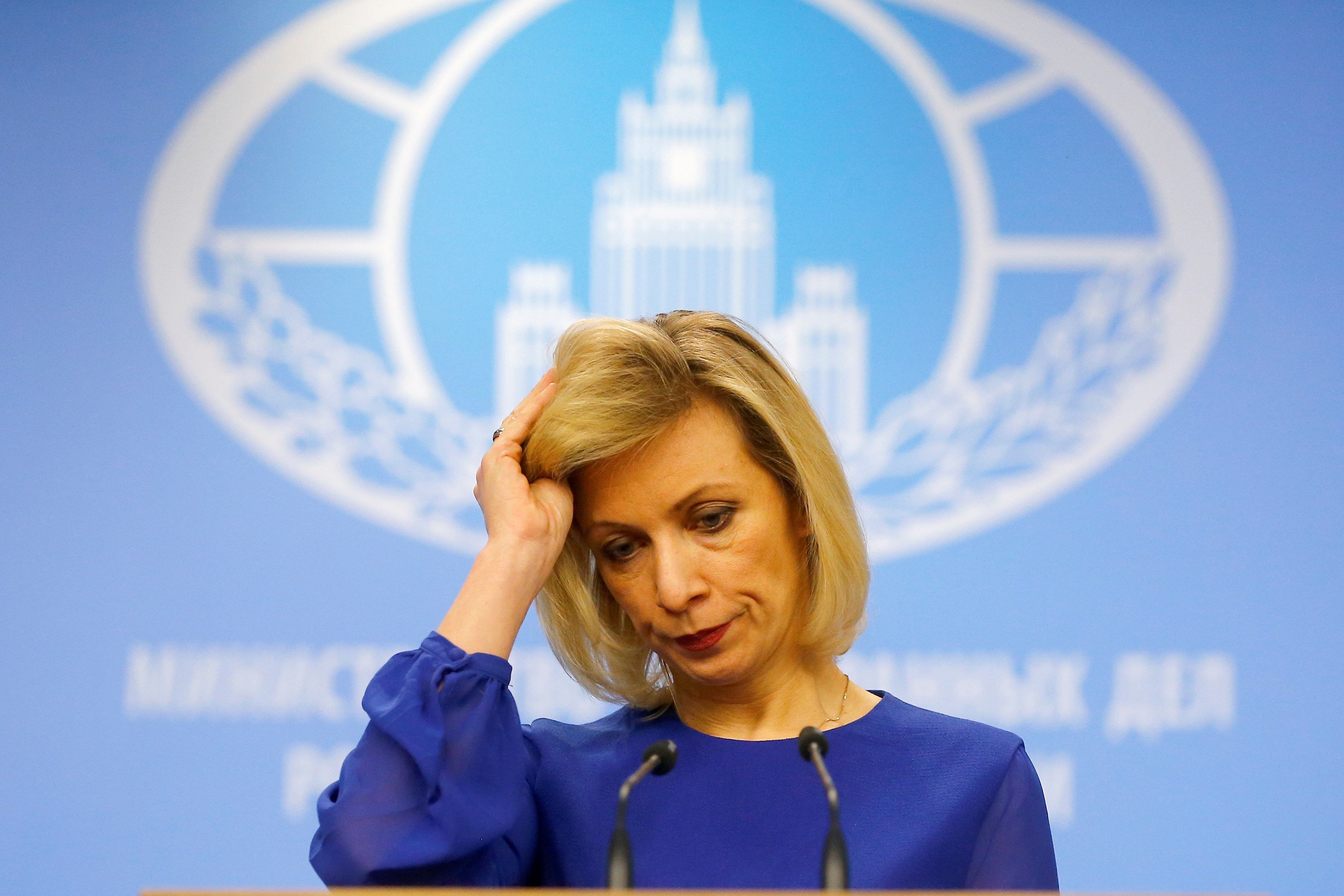
Foreign Ministry spokesperson Maria Zakharova set out the position on August 14, in comments published on the ministry's official channel, responding to a media question about a Turkish proposal for a moratorium on hostilities at sea.
We bring you stories from the ground. Your support keeps our team in the field.
Zakharova stated that Russia had not received a formalized Turkish appeal through official channels, one that would specify the conditions for the proposed moratorium.
That account is at odds with Ankara. On August 8, Turkish Foreign Minister Hakan Fidan told Anadolu that Türkiye had relayed the initiative to both sides and urged them to build a mechanism for a Black Sea ceasefire.
Justifying the refusal, Zakharova pointed to what she described as repeated Ukrainian drone attacks on civilian vessels in the Black Sea, a framing that reflects Moscow's position rather than any independent confirmation.
She claimed Russia regularly faces "unbridled acts of terrorism" carried out by Ukrainian drones against merchant ships of coastal states.
-5a2302af28f1e977c411a7de116b7d0e.jpg)
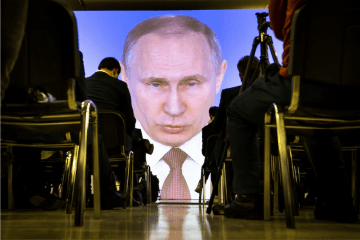
"We do not see any prerequisites for improving the situation, and, consequently, grounds for half-measures that only give the Kyiv regime a temporary respite," Zakharova added.
She also ruled out reviving the 2022–2023 Black Sea Grain Initiative, under which Moscow briefly held off on strikes in exchange for its agricultural exports reaching world markets.
In Moscow's account, the deal collapsed because the West kept restrictions on Russian farm goods in place while the corridor was exploited for attacks on Russian targets, assertions advanced before without independent verification.
Moscow has tied any maritime arrangement to its broader demands over the war, including the removal of what it calls security threats stemming from NATO's eastward expansion and guarantees for Russian-speaking populations in Ukraine. On those terms, a narrow, sector-specific truce at sea appears unlikely in the near term, Armenian news outlet NEWS.am concluded.
The safety of civilian shipping in the Black Sea has been eroding from both directions for months. Over the summer, repeated Russian missile strikes on foreign-flagged merchant ships at Ukrainian ports killed crew members aboard cargo ships flying flags including those of Togo, Tanzania, and Liberia.
One July strike on the Odesa region alone left a sailor dead and three others wounded aboard an Antigua and Barbuda-flagged cargo ship.
Discuss this article:
-9a7b3a98ed5c506e0b77a6663f5727c5.png)

-605be766de04ba3d21b67fb76a76786a.jpg "Joseph Place")