- Category
- Investigations
Russia Revives Soviet-Era Controls to Police Women’s Bodies and Futures
 Prefer U24 Media on Google
- Authors

-111f0e5095e02c02446ffed57bfb0ab1.jpeg "Photo of Roman Kohanets")
Russian authorities have made women's bodies a domestic "second front" of the war, reviving Stalin-era controls over reproduction and private life, according to the Feminist Anti-War Resistance, a leading Russian opposition movement.
The findings were detailed by Ukraine's Foreign Intelligence Service, which published an account of the movement's annual research into women's rights under repression and militarization on its official website on June 9.
We bring you stories from the ground. Your support keeps our team in the field.
According to the intelligence service, the campaign reflects a systematic effort to seize control of women's reproductive choices to offset Russia's battlefield losses and raise a new, disenfranchised workforce—a regression the movement's researchers describe as a catastrophic return to the worst practices of the Soviet past.
The service reported that Russia has effectively outlawed the public expression of childfree views. Women now face heavy fines for discussing a wish not to have children, or even for candid social-media accounts of difficult births or postpartum depression, the account noted.
The Health Ministry, it added, has introduced mandatory questionnaires for teenagers; a girl who indicates she does not currently want children is referred to a psychologist for "corrective" counseling.

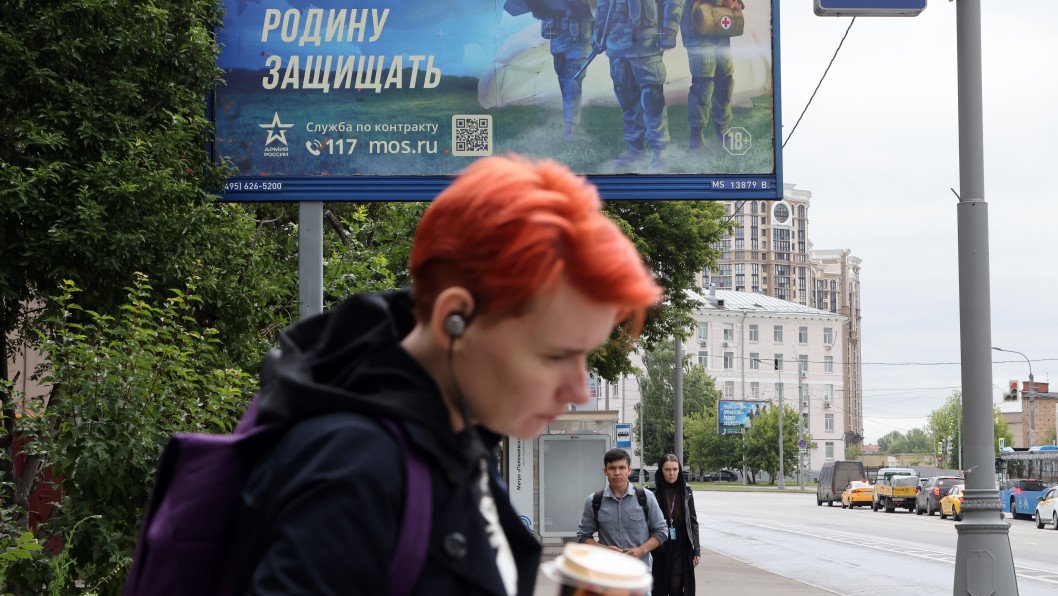
Citing the movement's research, the intelligence service stated that several regions now offer payments to pregnant schoolgirls to encourage them to give birth, despite polling showing that 74% of Russians oppose underage motherhood. Authorities openly press the message that a woman's central purpose is to abandon other goals and bear five to ten children, the report indicated.
The treatment of abortion has grown steadily more punitive, the movement reported, with women already facing prosecution for terminating pregnancies. The intelligence service noted that the Kremlin is working to scrub the internet of information about safe abortion, replacing it with religious and psychological services that pressure women to carry to term.
The war has also fueled a sharp rise in violence inside Russia itself, the service warned. Reports of domestic abuse have climbed by more than half, a trend the movement ties to the decriminalization of such offenses, which the Orthodox Church has lobbied to entrench.
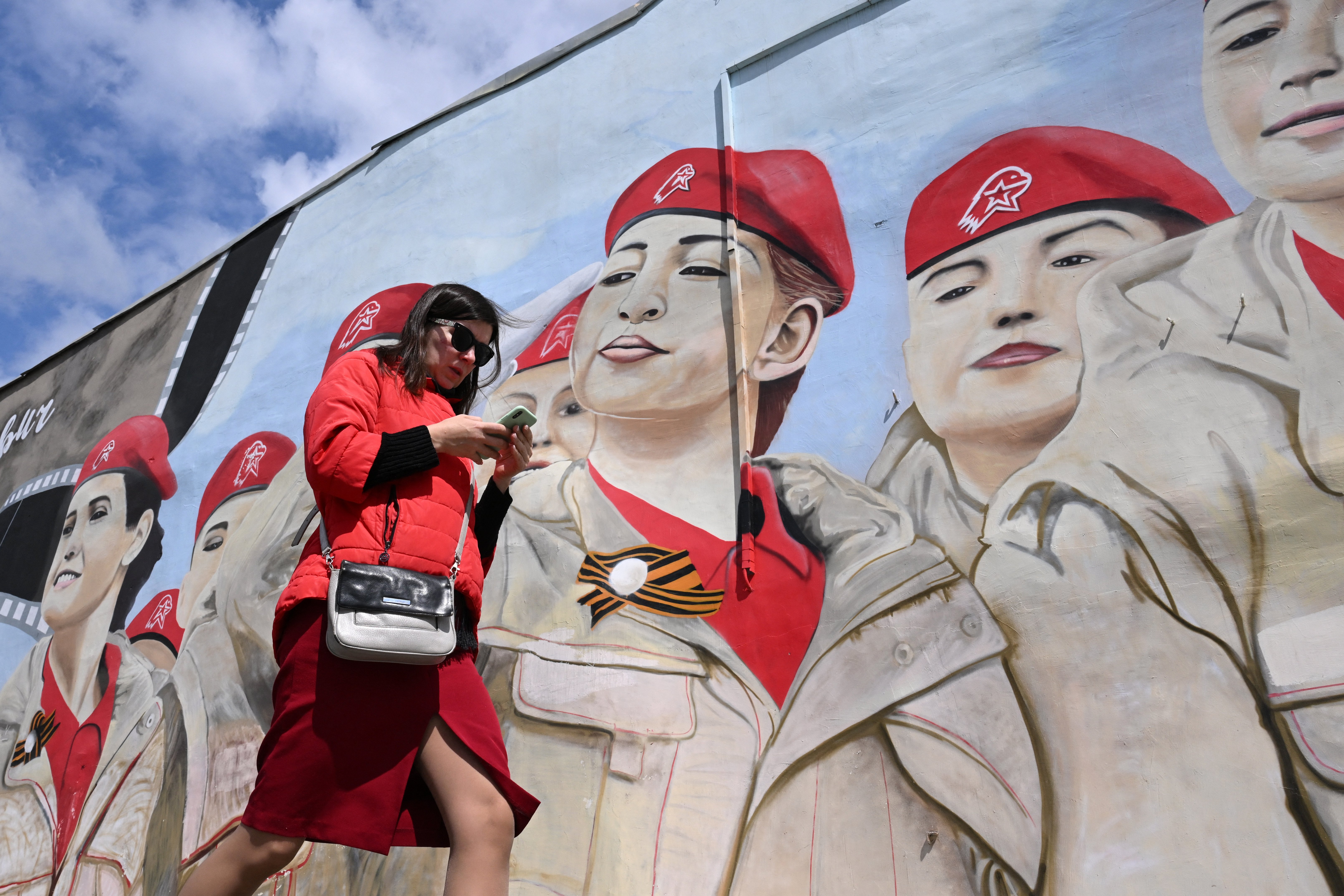
The militarization of schooling drew similar criticism from the movement's researchers. They described expanding propaganda in classrooms, shrinking coverage of human rights in curricula, and a growing emphasis on military-patriotic education that, in their assessment, conditions a generation to treat war as normal.
The Feminist Anti-War Resistance, as the intelligence service described it, is among the most visible opposition networks still operating inside Russia, producing annual assessments of women's conditions under wartime repression.
Its researchers compare present-day Russia to the late Soviet Union, the account explained, portraying an atmosphere of pervasive fear in which a woman's success or independent stance can invite envy and denunciations to security services.
In that environment, the movement concluded, Russian women are forced to live double lives—concealing their real views and bending to the dictatorship's demands simply to survive in a state stripping them of authority over their own bodies and futures.
The drive to push women toward childbirth has unfolded against a demographic collapse that state pressure has failed to reverse. Despite abortion restrictions and the promotion of "traditional values," births in Russia have fallen for more than a decade, hitting the lowest level in the country's modern history.
A national demography program costing roughly $52.8 billion failed to halt the loss of about four million people between 2018 and 2024. The Russian leader, Vladimir Putin, has nonetheless set targets to raise the fertility rate to levels unseen since the Soviet era.
Discuss this article:
-4a56a6b482ec132402c16ef6fcabf9a2.png)

-b7da0e3033ba5fc9d5f47439cb28c6ad.png "Illustration featuring the logos of AI chatbots Claude (left) and Mistral (right). (Illustration: UNITED24 Media)")